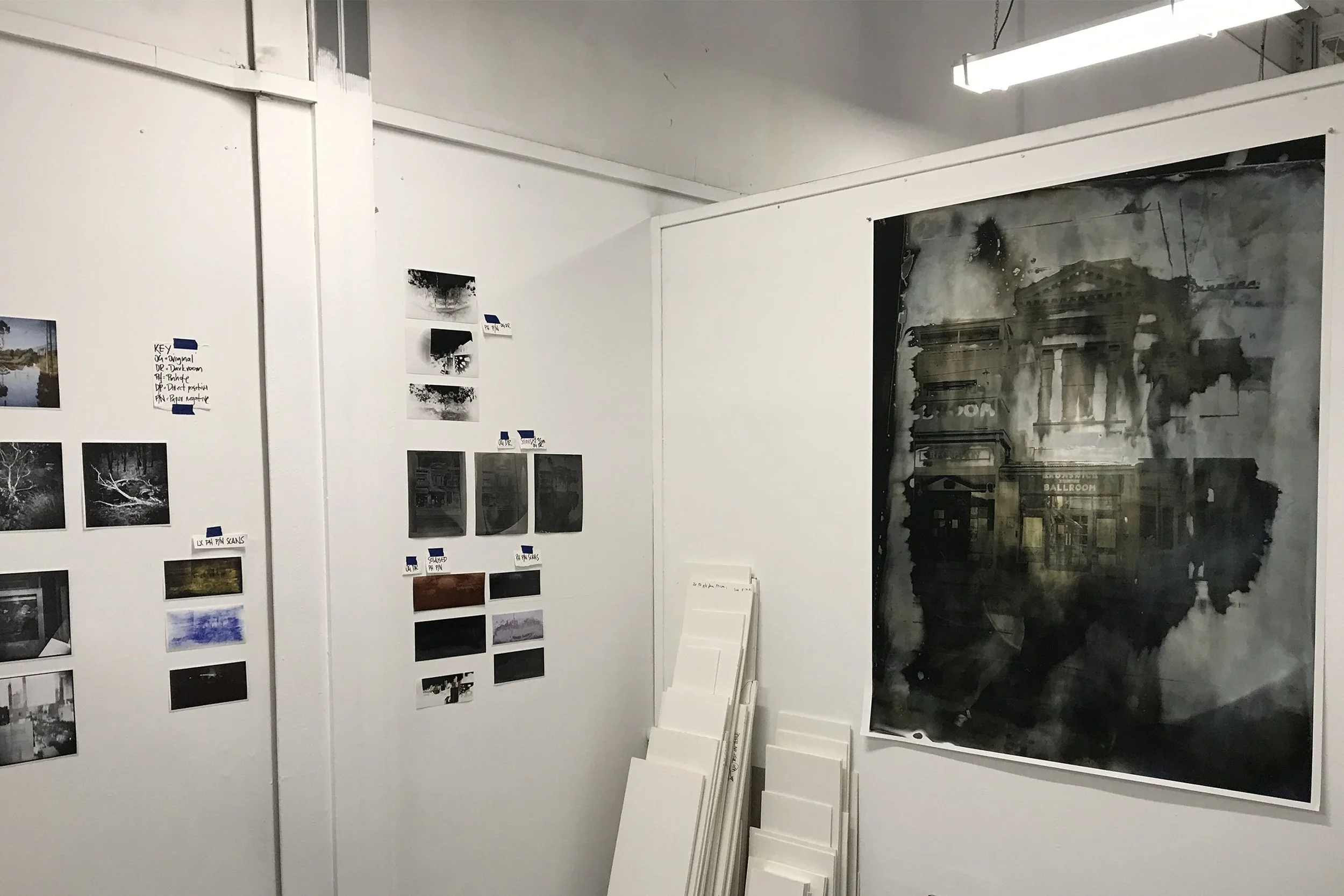
Cyanotypes
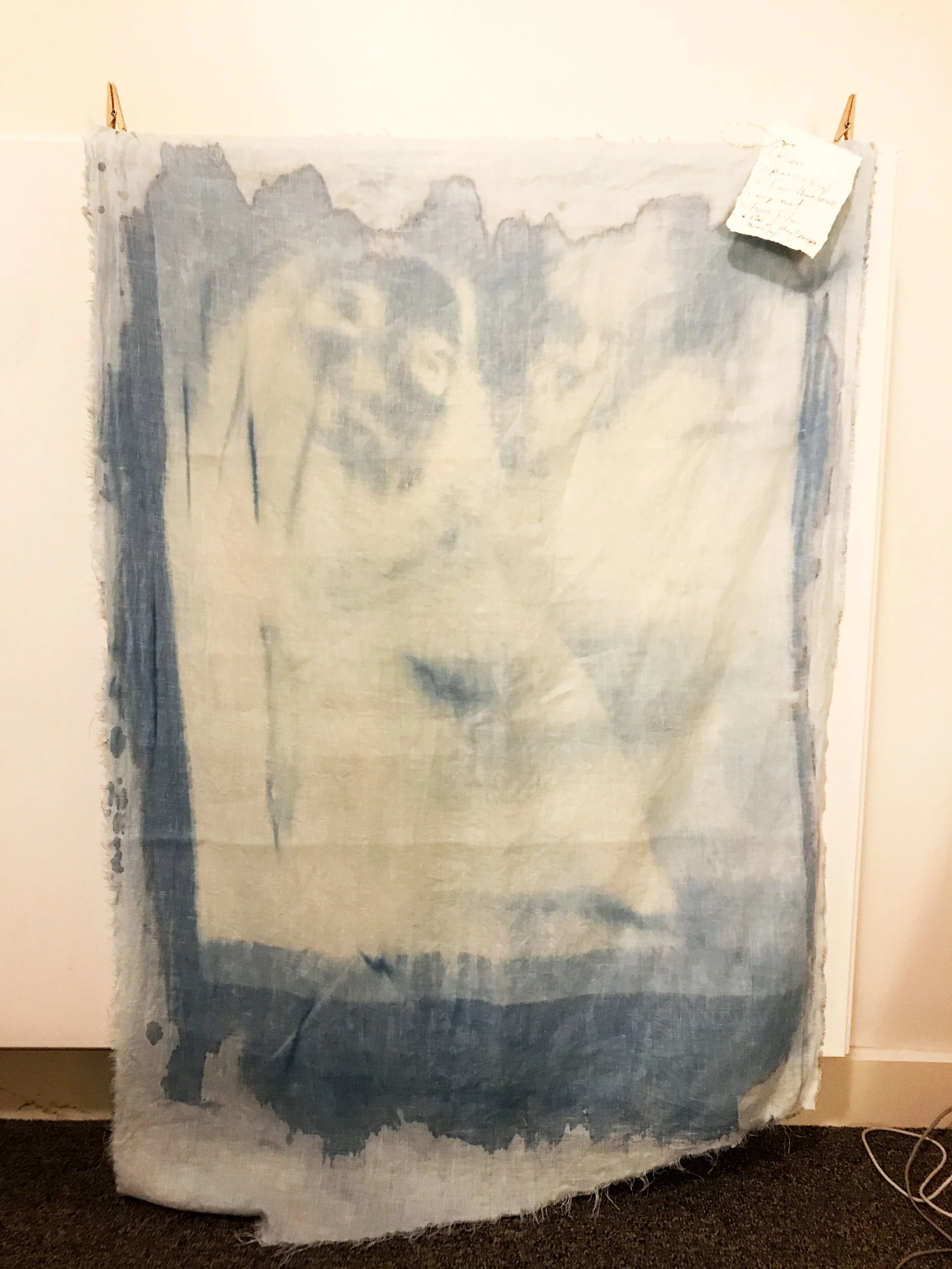
Figure 1. Initial experiments treating linen and muslin (as purchased and not pre-washed) with cyanotype solution. Brushing on dry fabric as purchased (with factory chemical treatments such as fabric stiffeners) was problematic because the cyanotype solution beaded and rolled off. The fabric was submerged in the cyanotype solution to overcome the issue of inadequate absorption, 2023
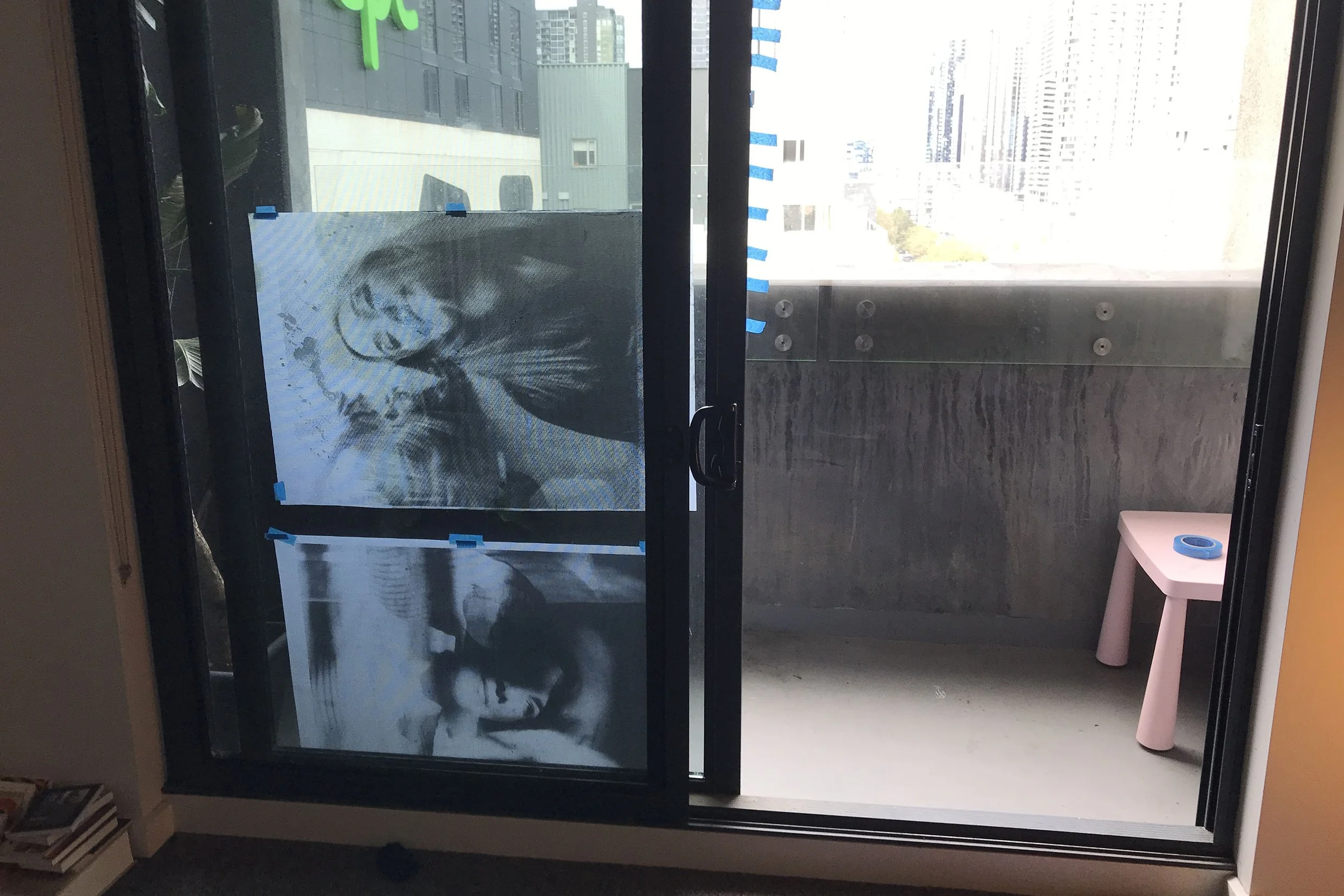
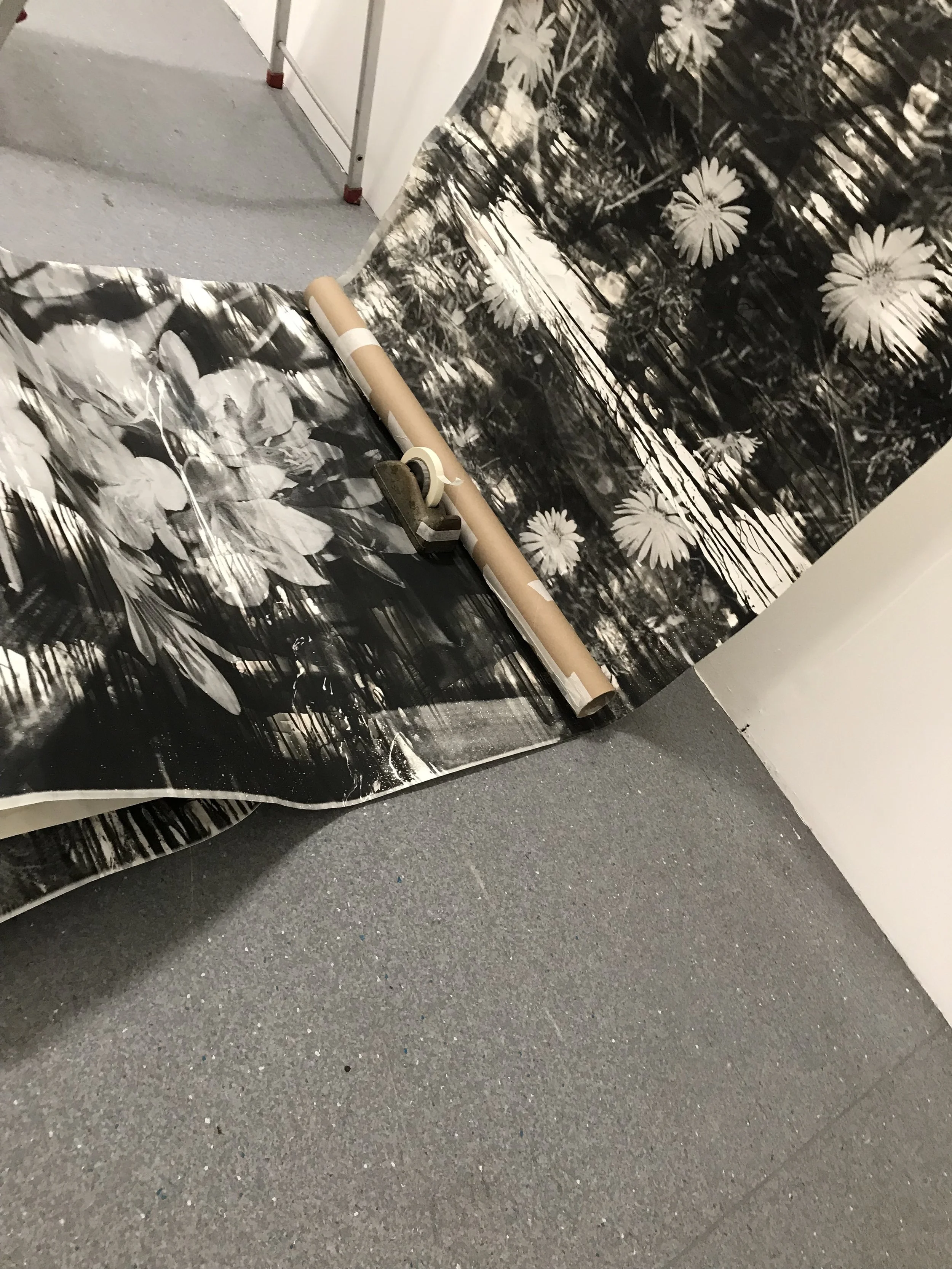
Figure 2. Repurposing transparencies used to make silk screens for Frisson (Damage 2021) to make cyanotype exposures. Transparency film was secured on top of the textiles, which were laid out flat on sheets of core flute 2023
Figure 3. Initial experiments produced unsuccessful results. Reflecting on the process, I propose that poor outcome was in part due to low UV rating and not pre-washing factory chemicals out of the fabric prior to cyanotype treatment, 2023
https://www.alternativephotography.com/cyanotypes-on-fabric-preparing-the-fabric/
Vanbar Imaging
https://www.vanbar.com.au/catalogue/product.php?id=125769#specs
Resources
Ferric Ammonium Green
Potassium Ferricyanide
These kits contain the right amount of chemicals needed to make up to 200ml of sensitizer. Enough to coat up to roughly 50 8x10" inch sheets; depending on material it's being applied to. Each chemicals is dissolved in 100ml of water to produce a seperate A and B solution. The solutions are mixed together just before coating begins.
For more information about Cyanotypes please view these web sites
http://www.alternativephotography.com/category/processes/cyanotype/


https://www.sciencecompany.com/The-Cyanotype-Process.aspx


https://www.silverprint.co.uk/cyanotype-instructions/
Forum thread
You can turn your cyanotype sepia by bleaching them in bicarbonate and then dipping them in tea or coffee. https://www.alternativephotography.com/cyanotype-classic-process/#:~:text=The%20cyanotype%20is%20made%20up%20of%20two%20simple%20solutions%3A,make%20up%20100%20ml%20solution.
Cyanotypes on fabric
https://www.youtube.com/watch?v=wK6YUuwq95o
Multi-drop test images
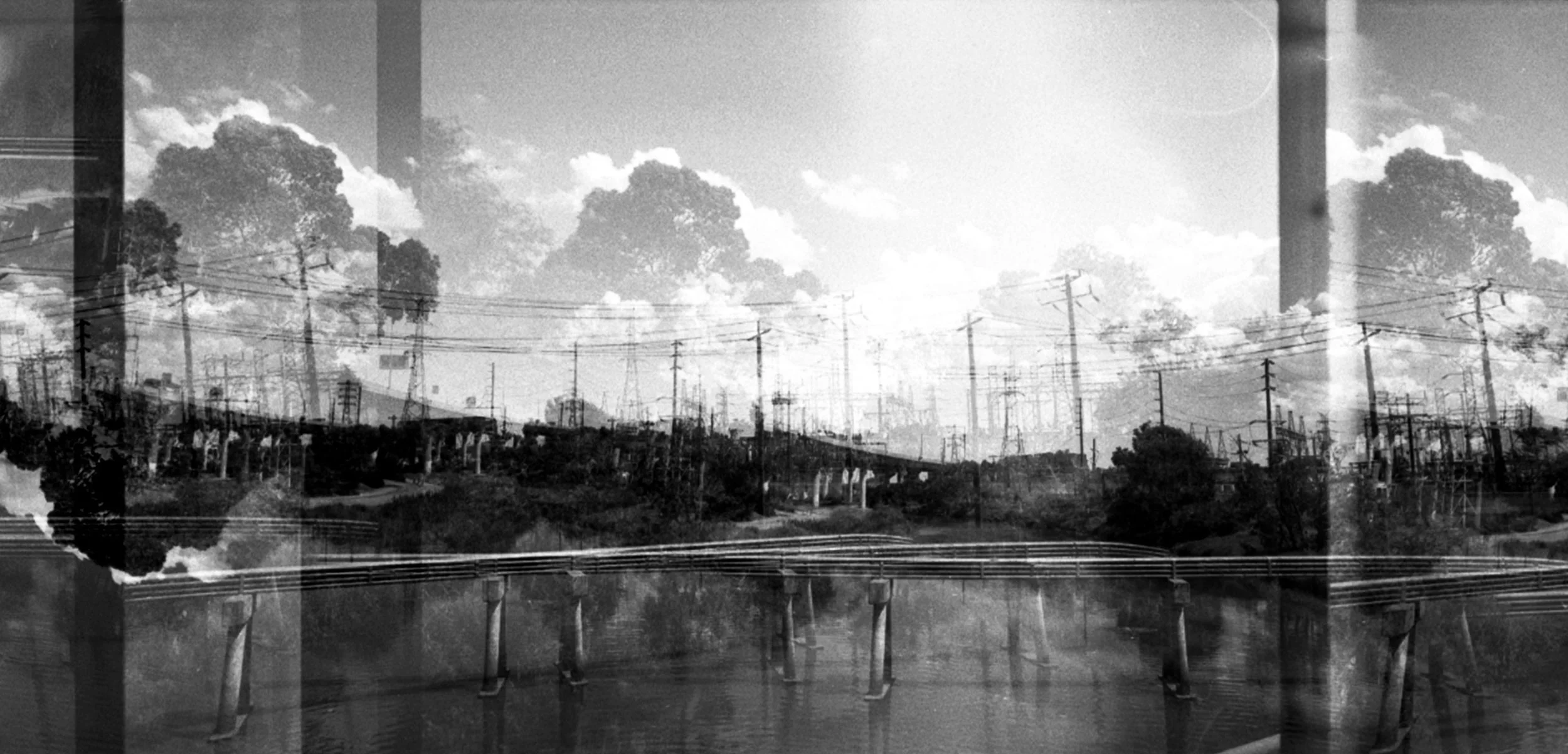
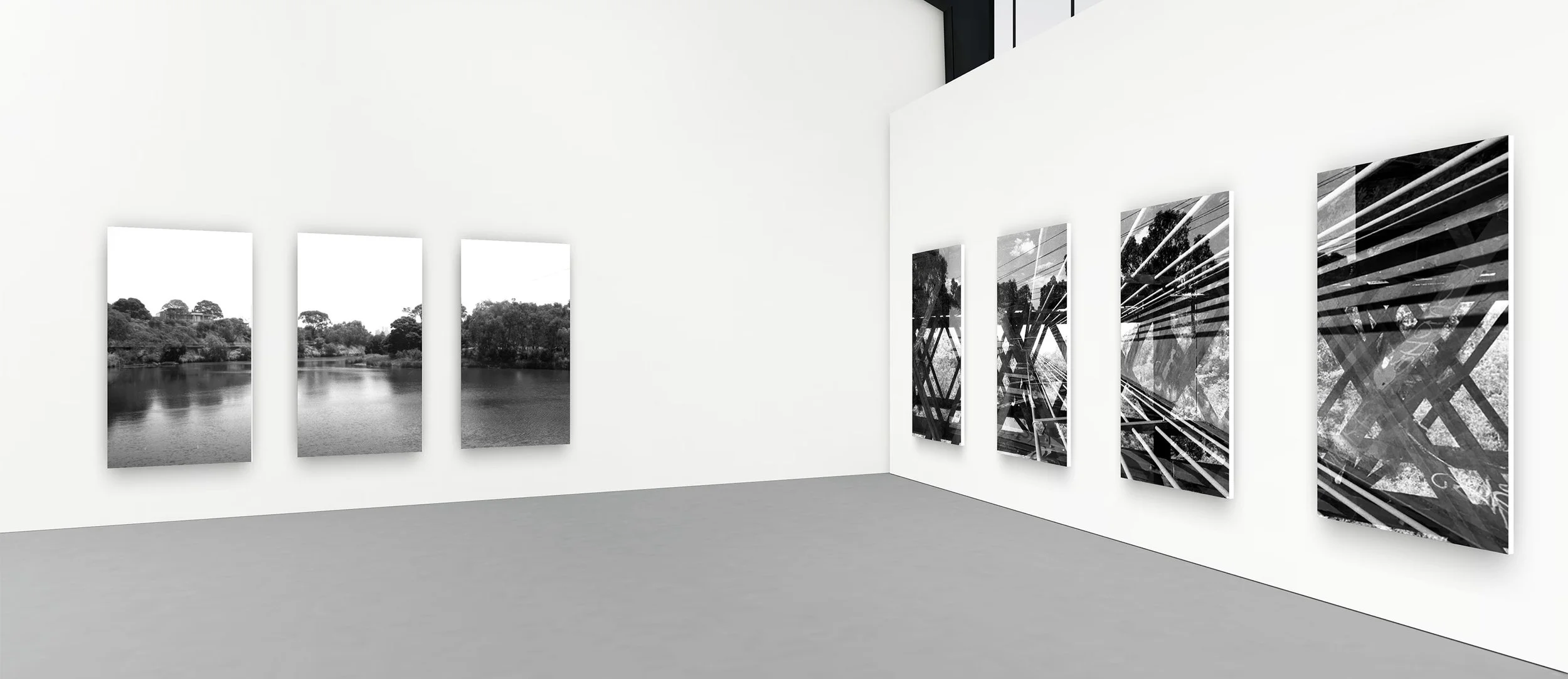
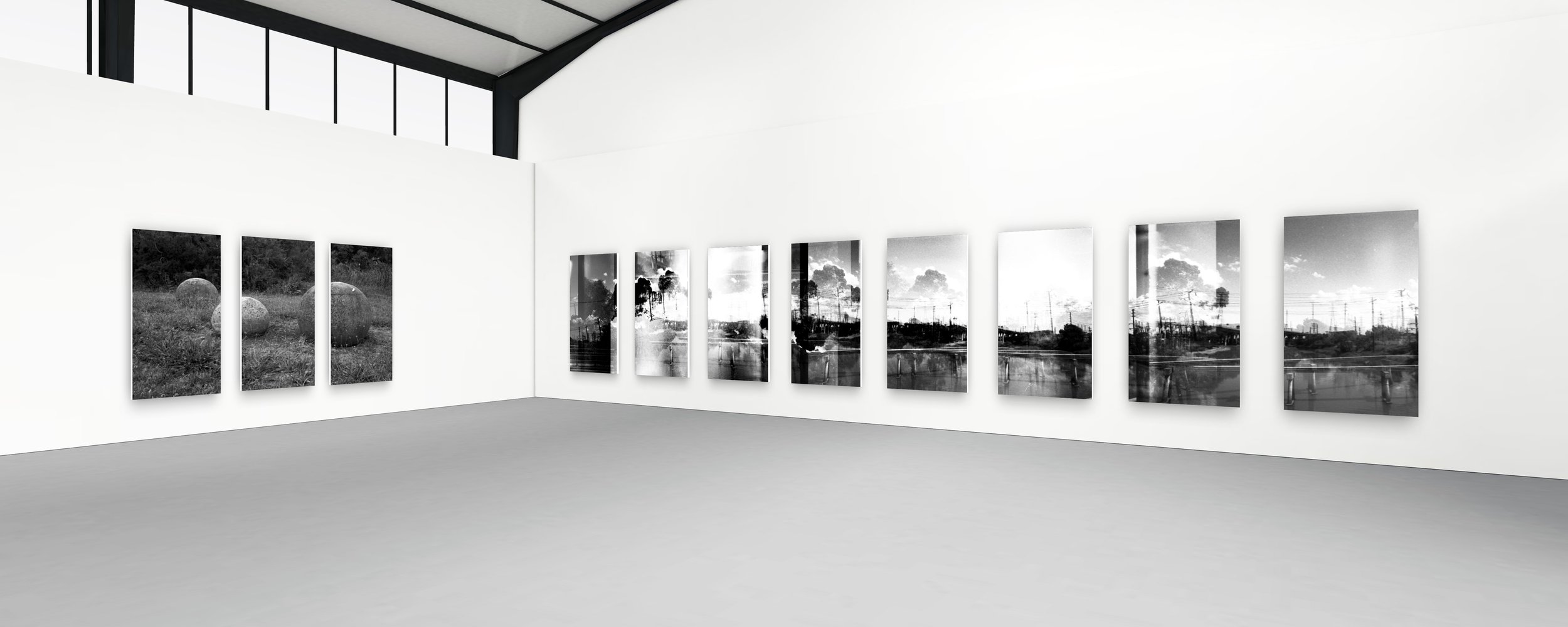
Figure 2. Arden St: Maribyrnong Trail (detail), 35mm in-camera multi-exposure, NYE 2022
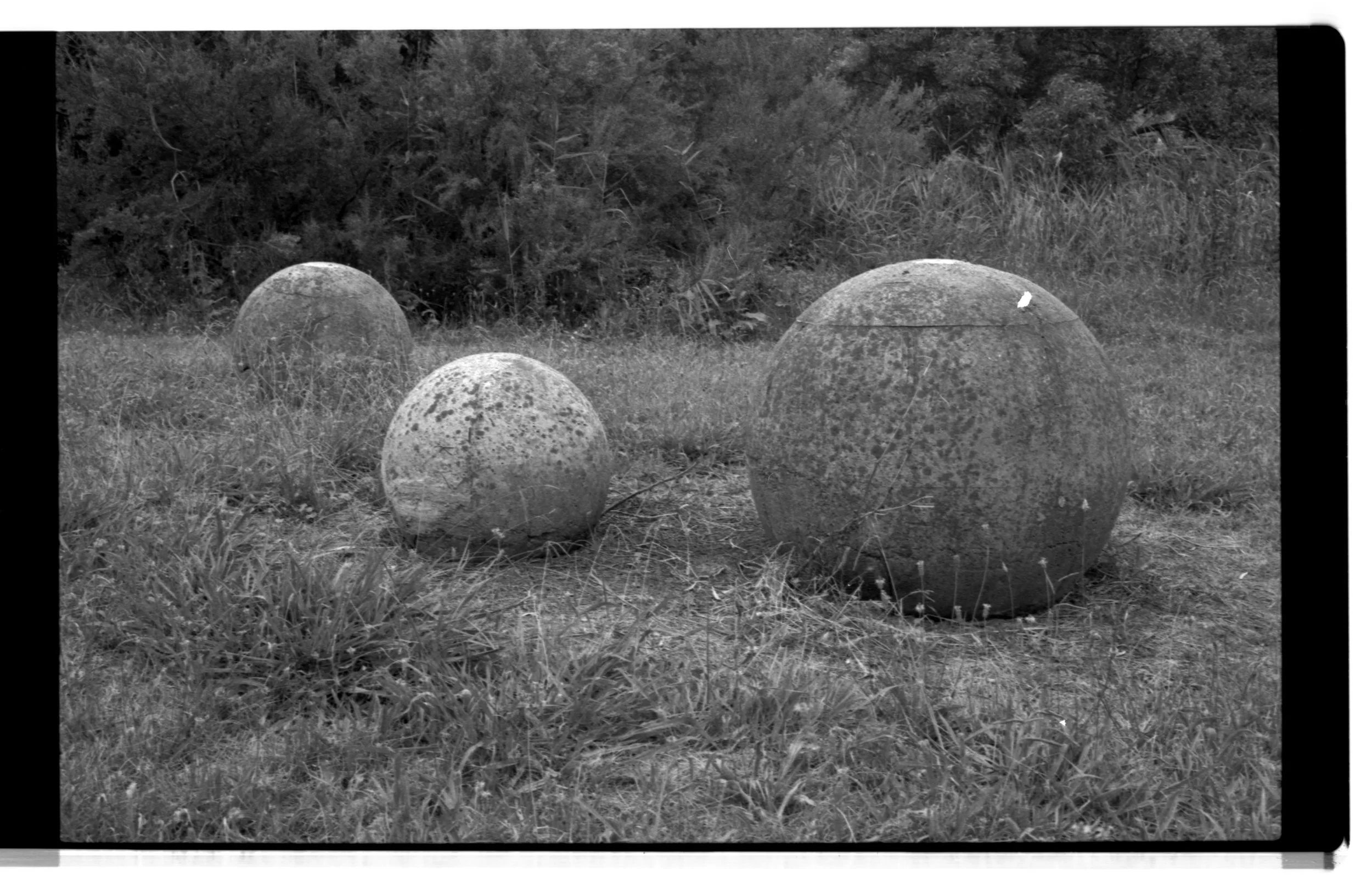
Figure 3. Zag: Merri Creek Trail, 35mm film capture, 2023
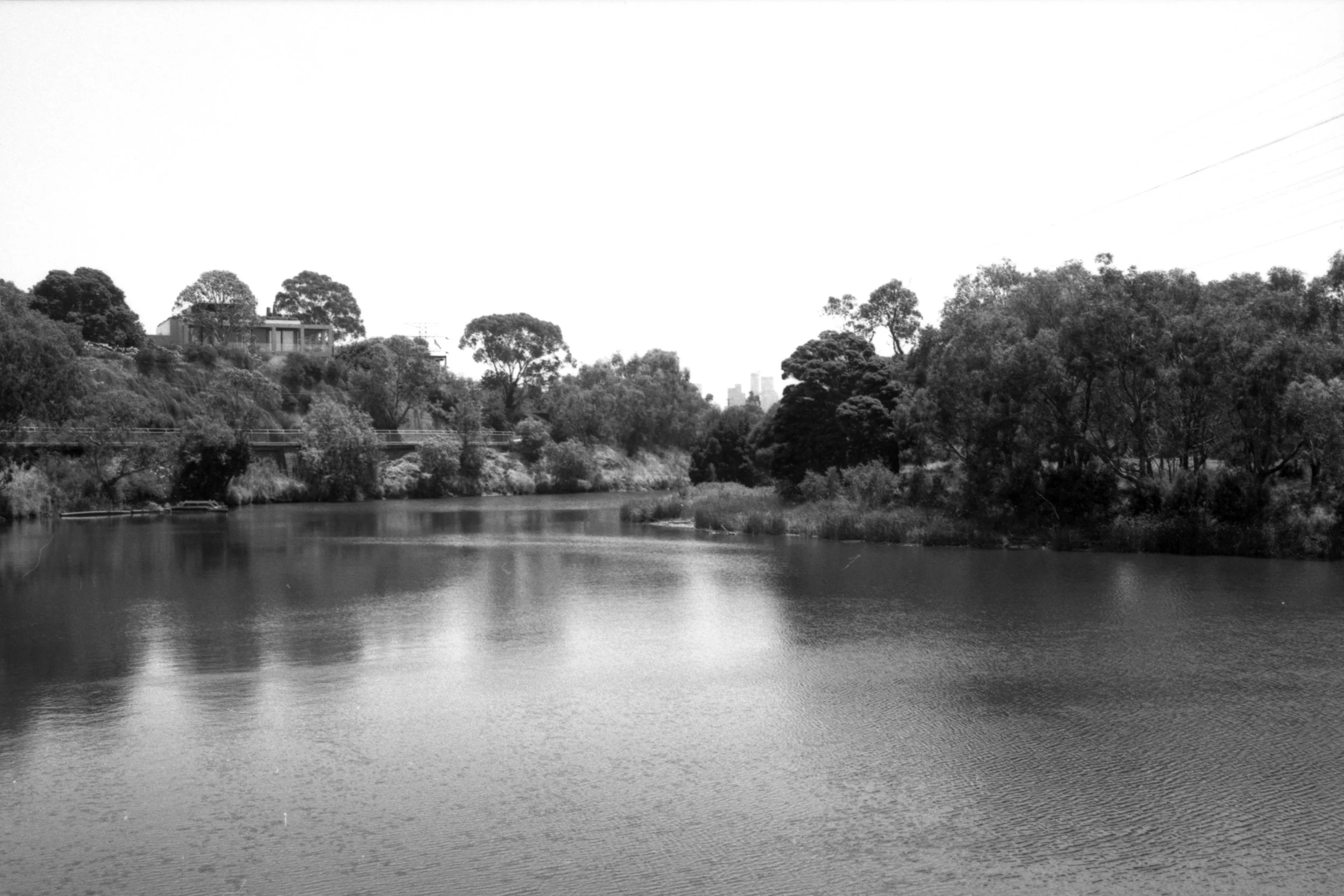
Figure 1. Kew boulevard: Yarra Trail, 35mm capture, 2023
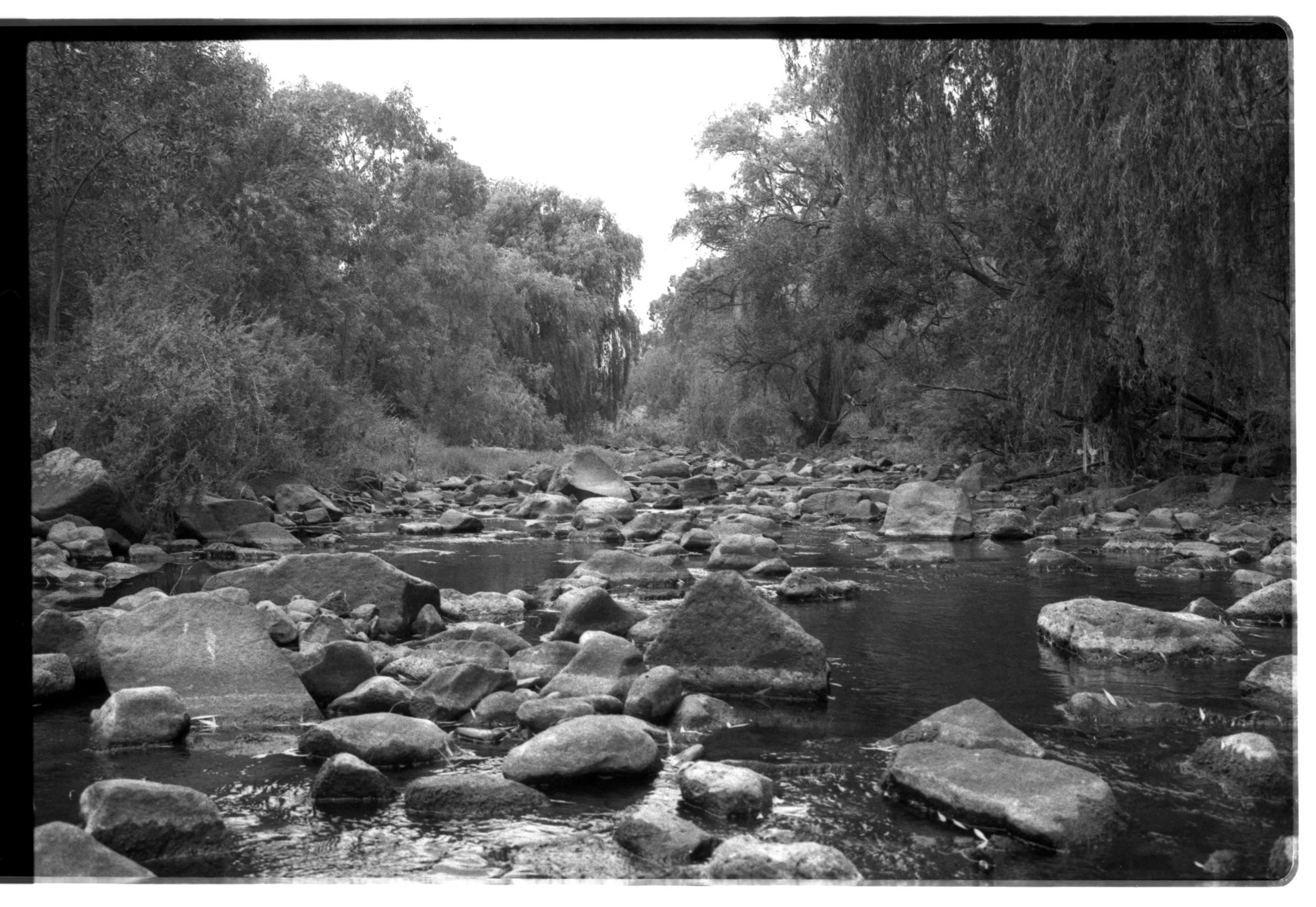
Figure 4. Low tide: Merri Creek Trail, 35mm film capture, 2023
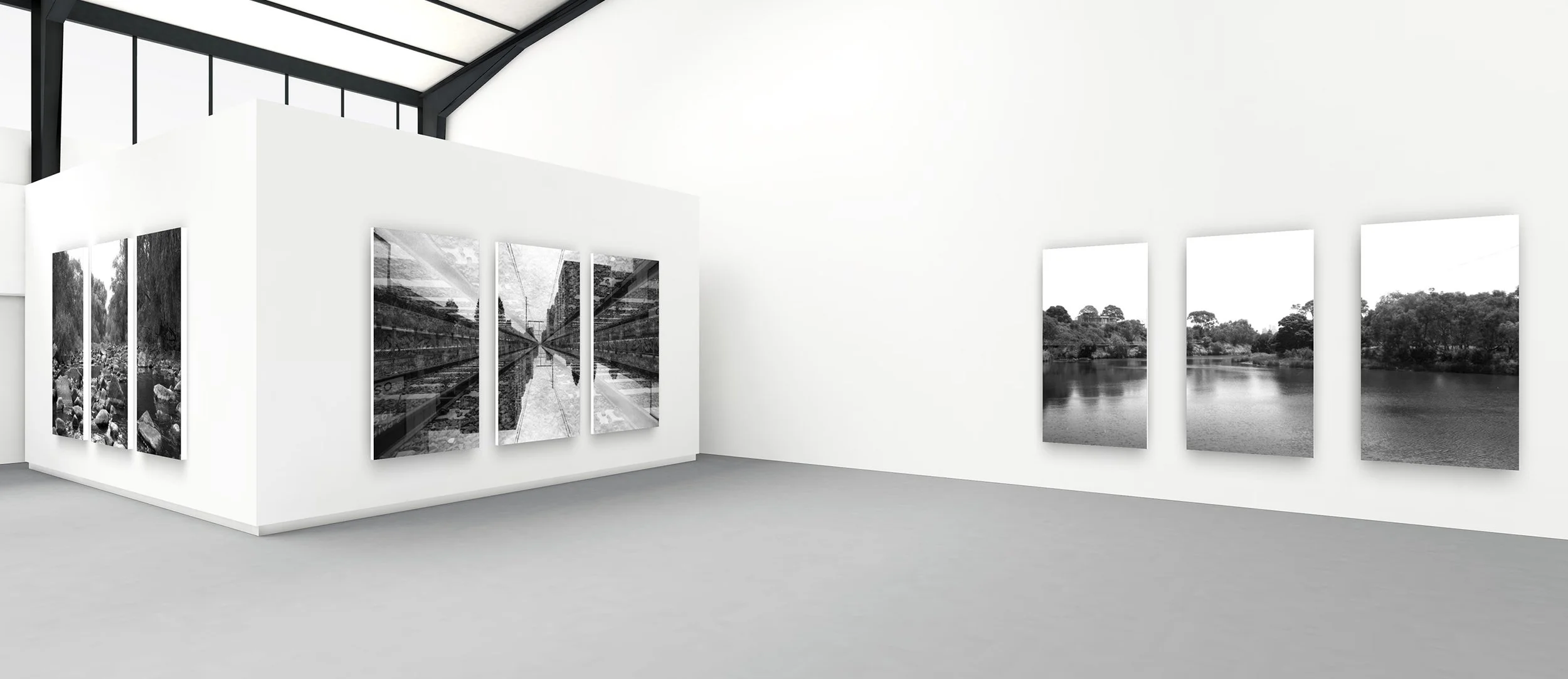
230322 group crit prep
Preparing for first group crit of 2023
Reiterations and resolutions
Creating installation fittings
Gaff tape:
Sewing:
Subframe
Coated wire:
Chicken/fencing wire:
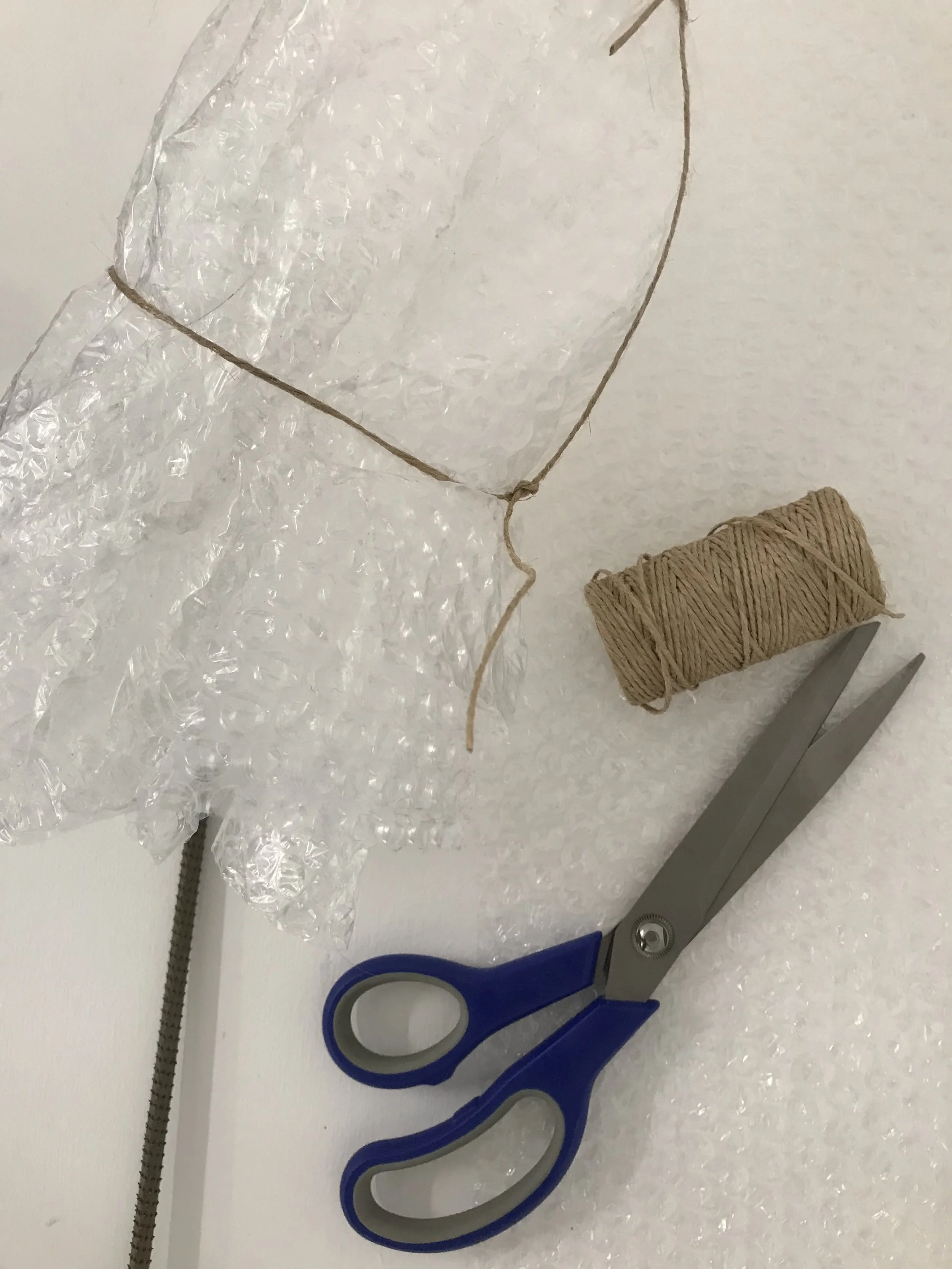
Bubble wrap cushions:
230321 Studio 3
Large vert wall mural concept
Project concept 1 (Figures 1-8)
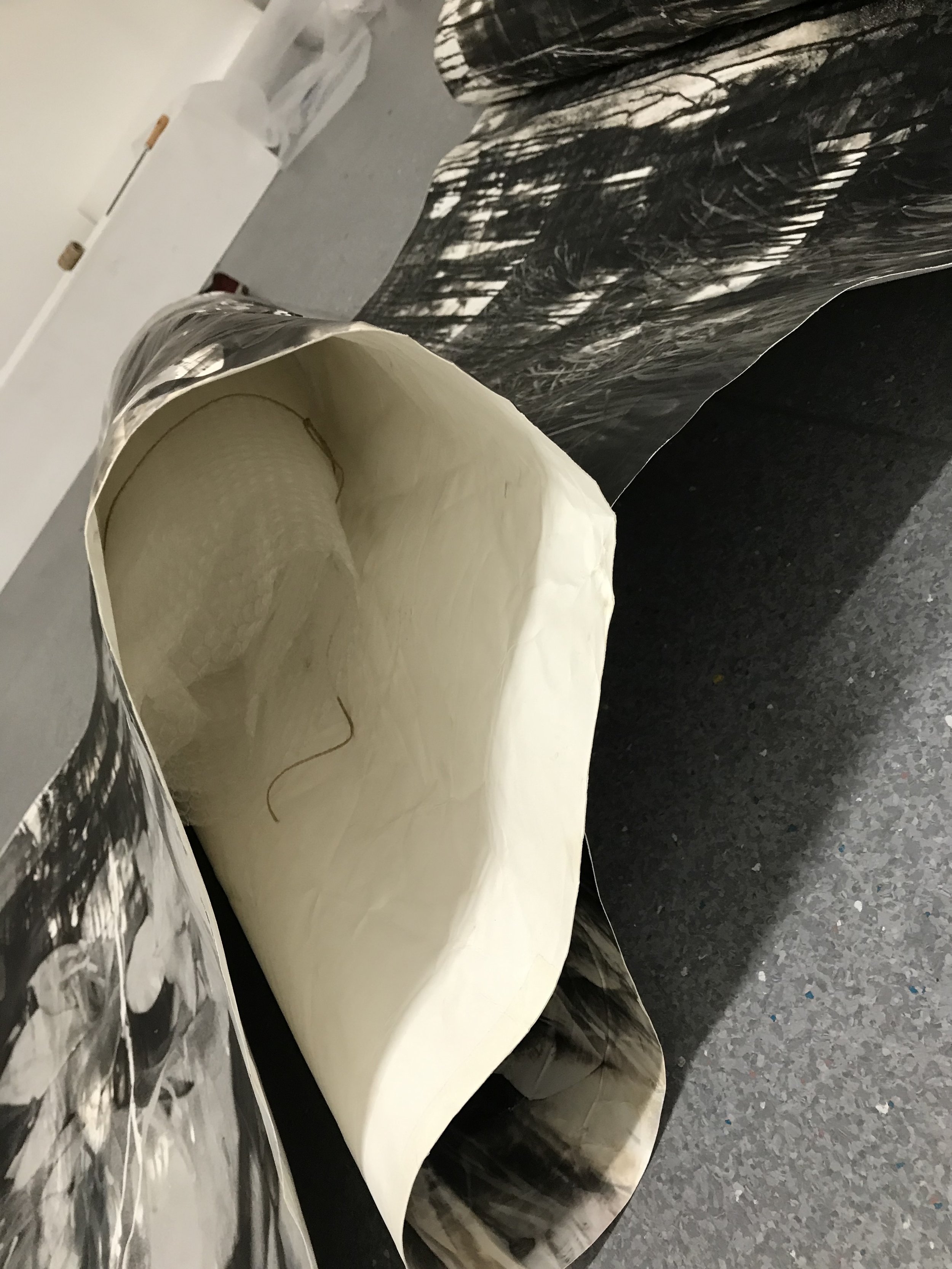
Exposure of single 35mm negative on hand-cut strips of gelatin silver paper with finished print measuring approximately 1200mm high x 4000mm wide. InDesign roughs within. Design based on Respite (Figure 12).
Project concept 2 (Figure 9)
Exposure of several overlapping 35mm negatives on hand-cut strips of gelatin silver paper with finished print measuring approximately 1.2 meters high x 10 meters wide. Design based on Respite (Figure 12) by exposing onto hand-cut strips of gelatin silver paper, combined with methods used to create Trust (Figure 13) overlapping single exposures on a single roll of gelatin silver paper.
The two project concepts outlined above aim to further develop my practice, refining and expanding on analogue film photography and alternative processes explored in Studios 1 and 2 of my MFA study.
When designing artwork I generally begin with making digital roughs in InDesign to troubleshooting image styles and compositions before running darkroom tests, making captures specifically for the projects, or selecting from negatives from my archive.
What follows provides a brief visual outline of my initial concepts.
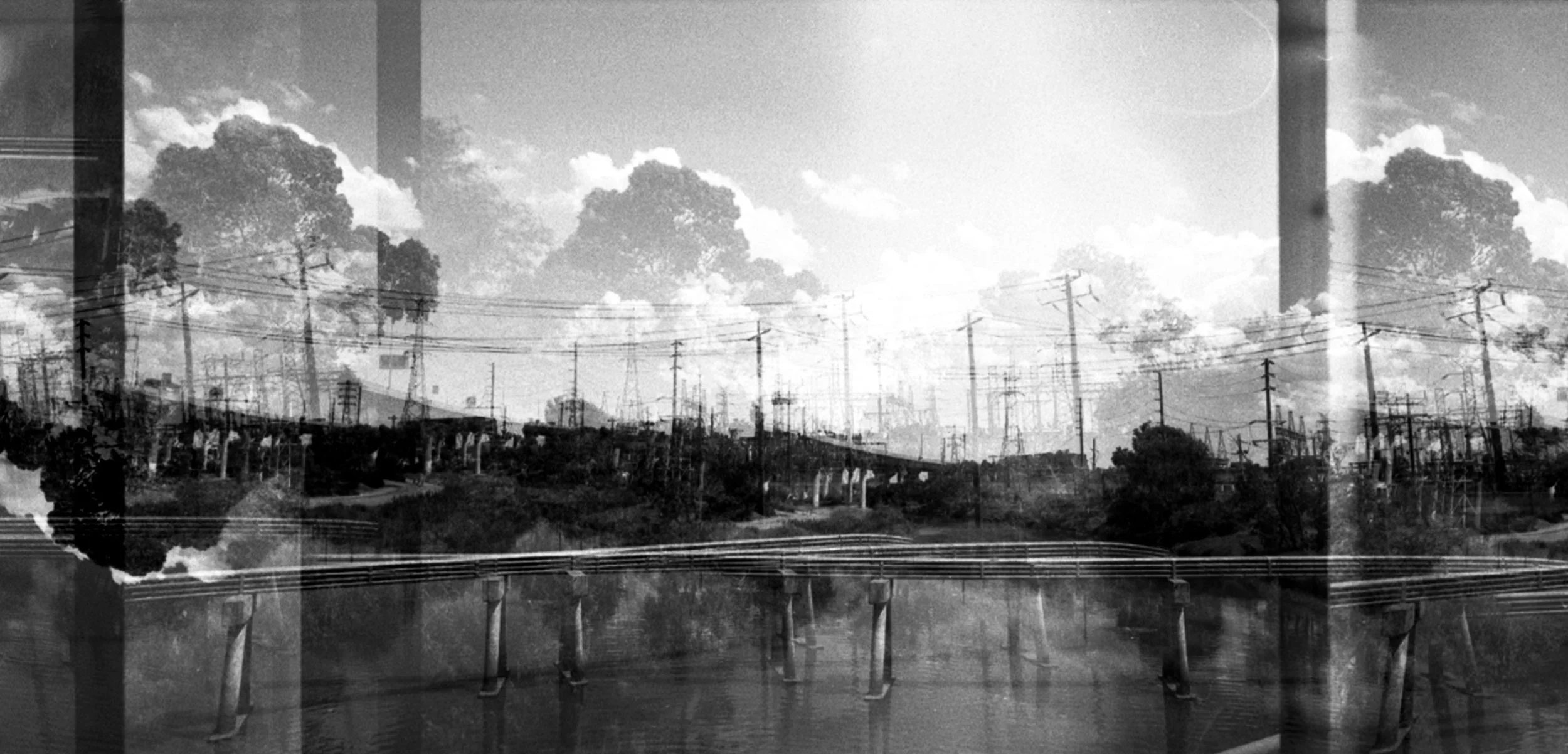
Figure 1. Possibilities (NYE) 2022, scan of 35mm in-camera multi-exposure
Figure 2. Possibilities (NYE 2022) wall mural concept mock-up. Intended outcome as gelatine silver wall mural print on strips of hand-cut paper/hand-brush to develop. Each strip 1.2 meters high x 400mm wide (approx), installation size approx 1.2 meters high x 3-4 meters wide (approx).
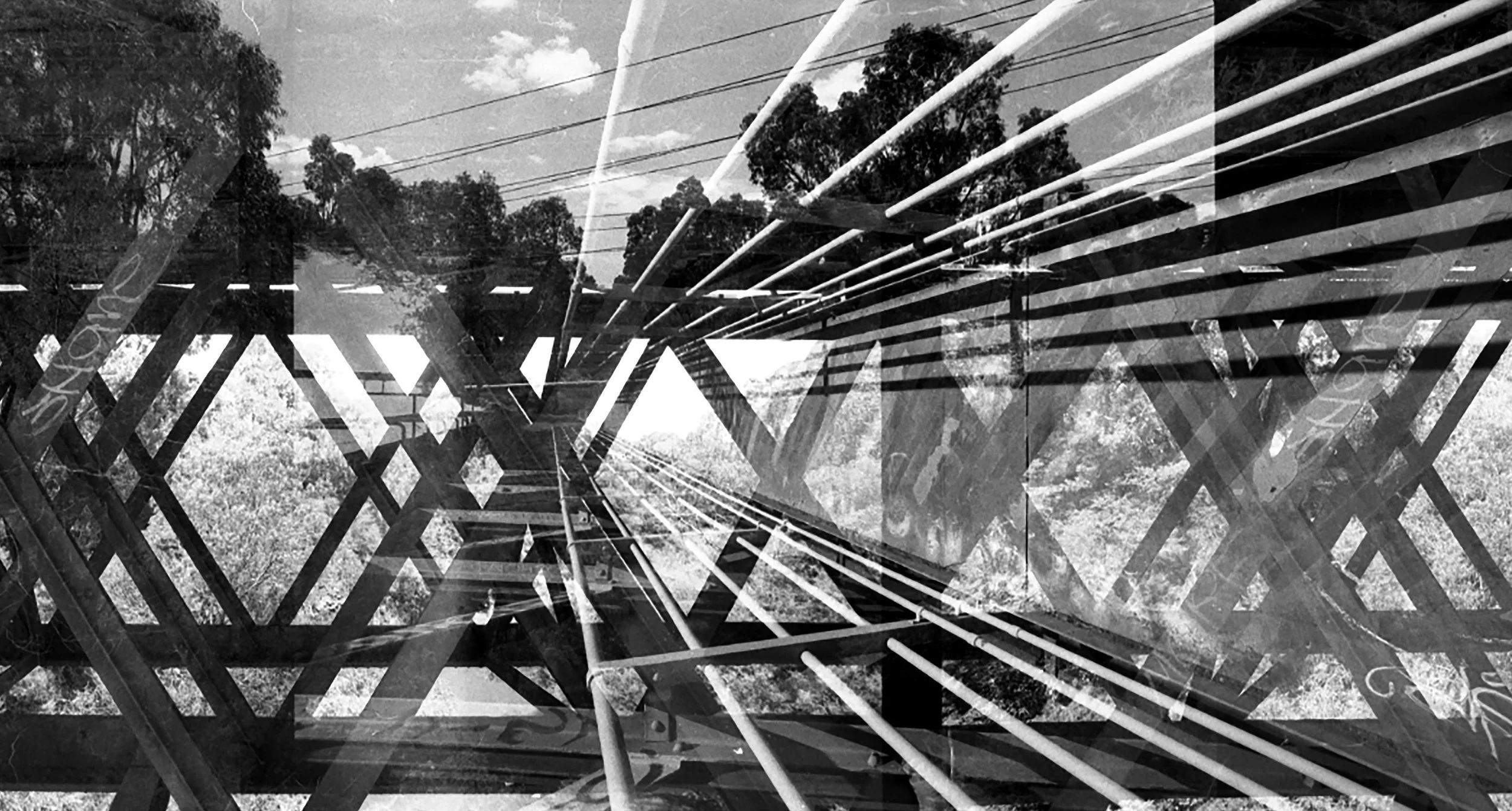
Figure 3. Bridging gaps with Asimov 2022, scan of 35mm in-camera multi-exposure
Figure 4. Bridging gaps with Asimov 2022 wall mural concept mock-up. Intended outcome as gelatine silver wall mural print on strips of hand-cut paper/hand-brush to develop. Each strip approx 1.2 meters high x 400mm wide (approx), installation size 1.2 meters high x 3-4 meters wide (approx).
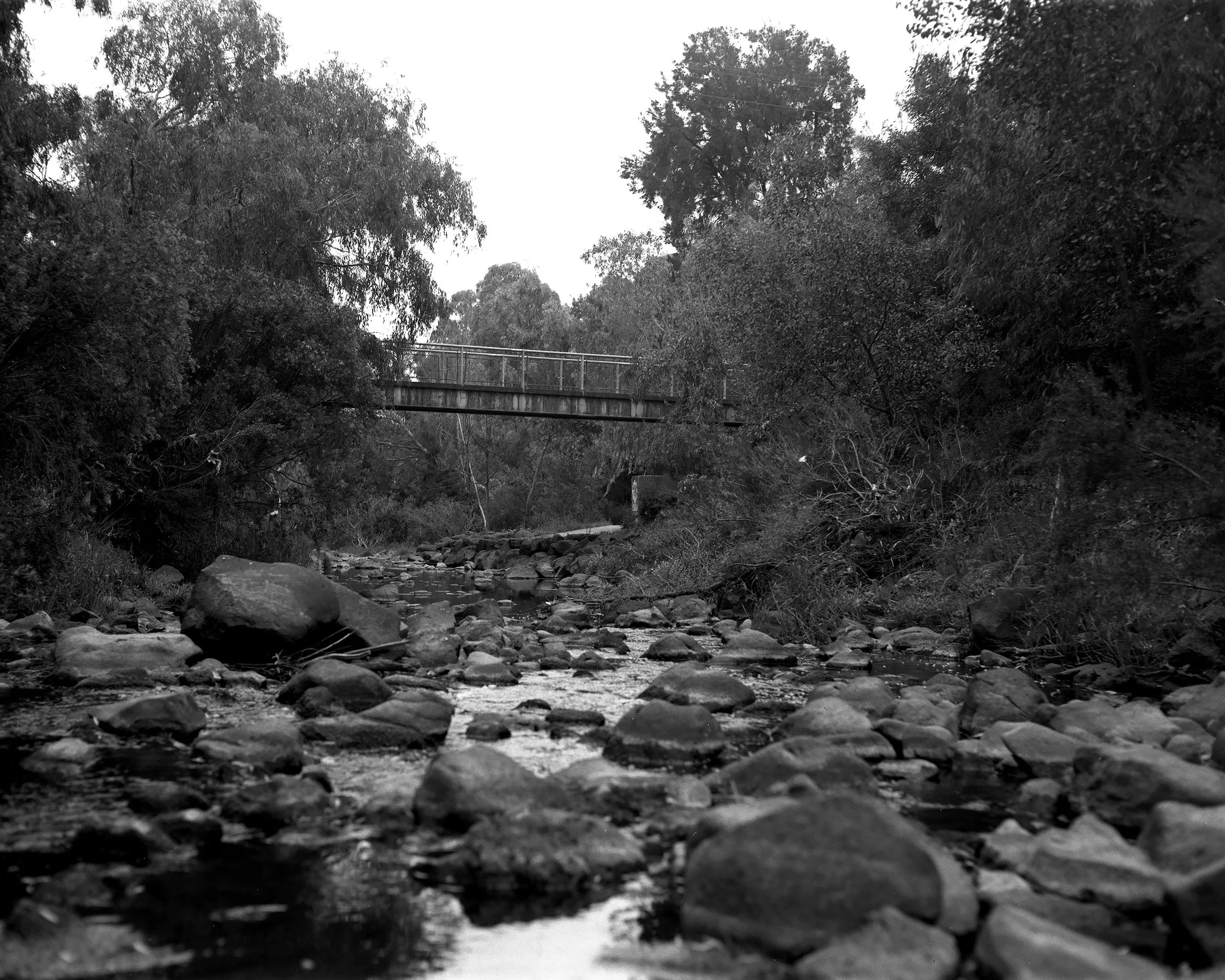
Figure 5. Untitled (Merri Creek) 2023, scan of 4x5” LF negative. SAMPLE ONLY. Interested in the creek bed/rocks and water
Figure 6. Untitled (Merri Creek) 2023, wall mural concept mock-up. Intended outcome as gelatine silver wall mural print on strips of hand-cut paper/hand-brush to develop. Each strip 1.2 meters high x 400mm wide (approx), installation size approx 1.2 meters high x 3-4 meters wide (approx).
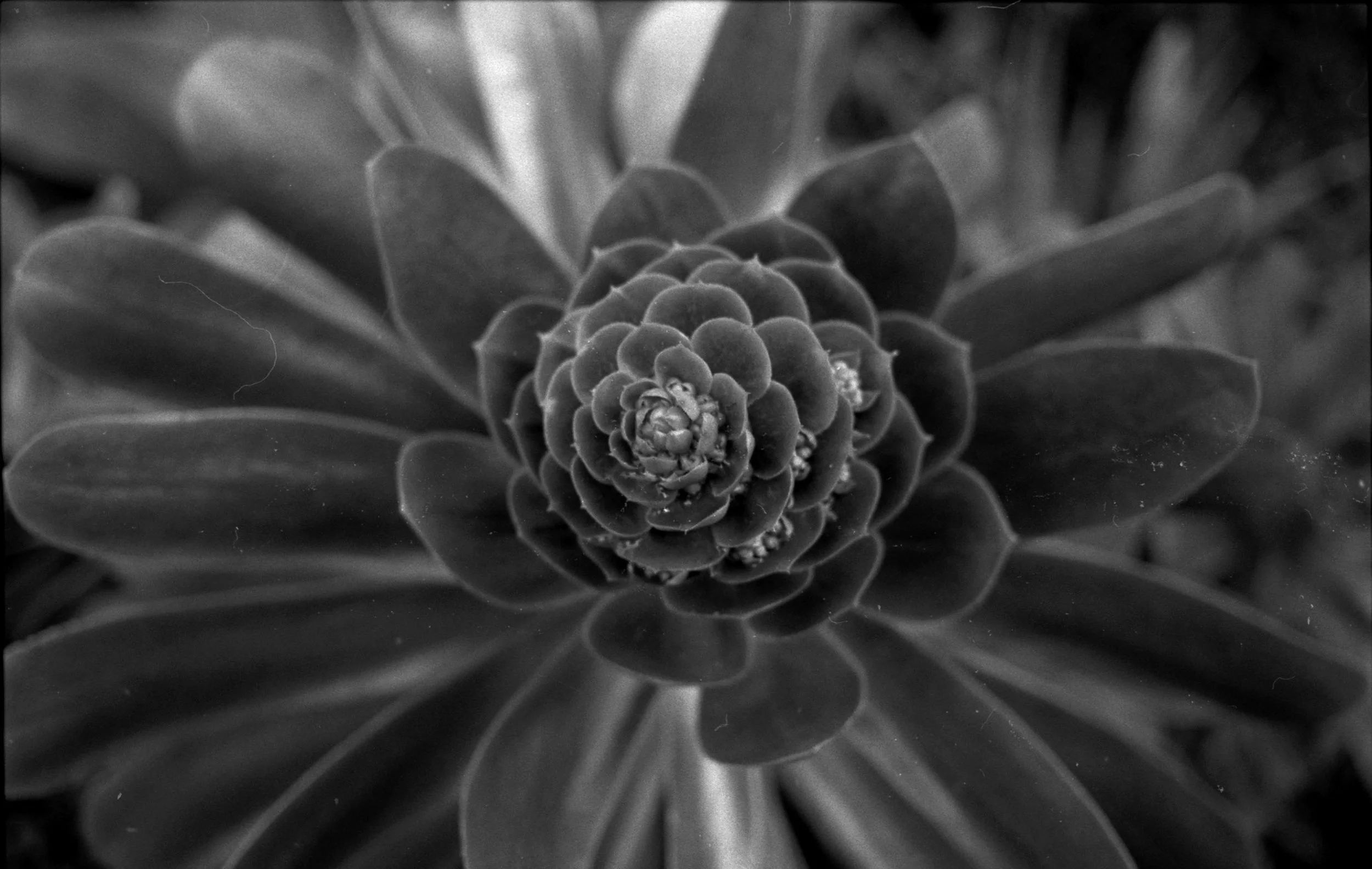
Figure 7. Untitled (Succulent) 2022, scan of 35mm negative. SAMPLE ONLY. Same negative as used in making Respite (tiled/mosaic) print (Figure XX). Composition works well
Figure 8. Untitled (Succulent) 2022 wall mural concept mock-up. Intended outcome as gelatine silver wall mural print on strips of hand-cut paper/hand-brush to develop. Each strip 1.2 meters high x 400mm wide (approx), installation size approx 1.2 meters high x 3-4 meters wide (approx).
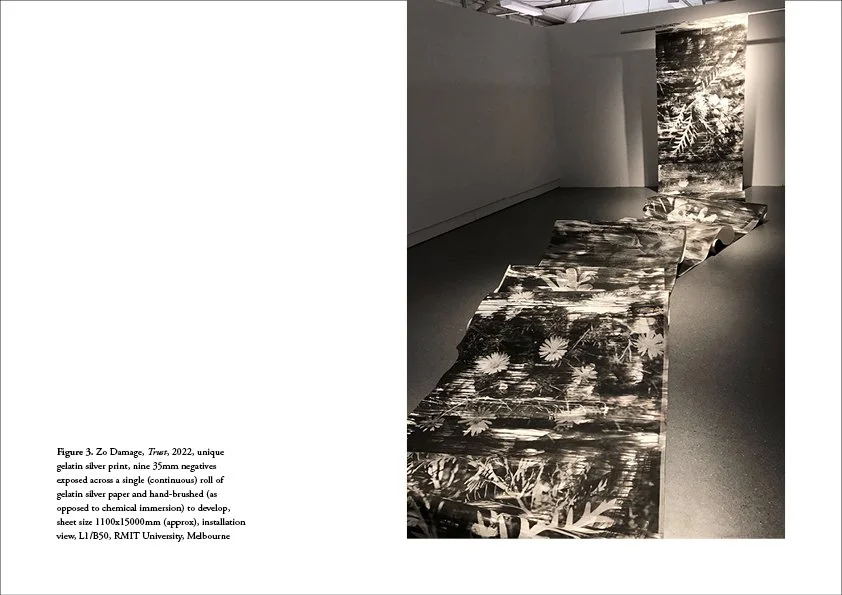
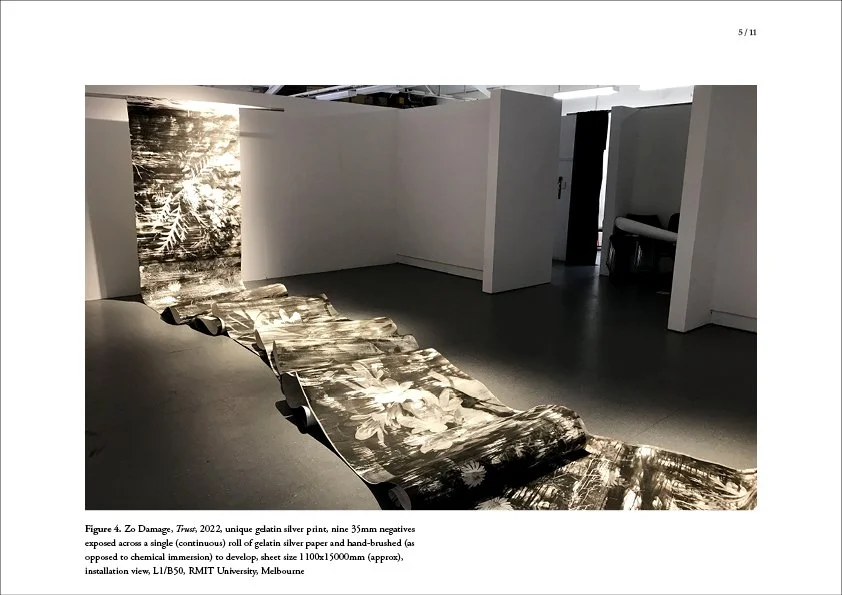
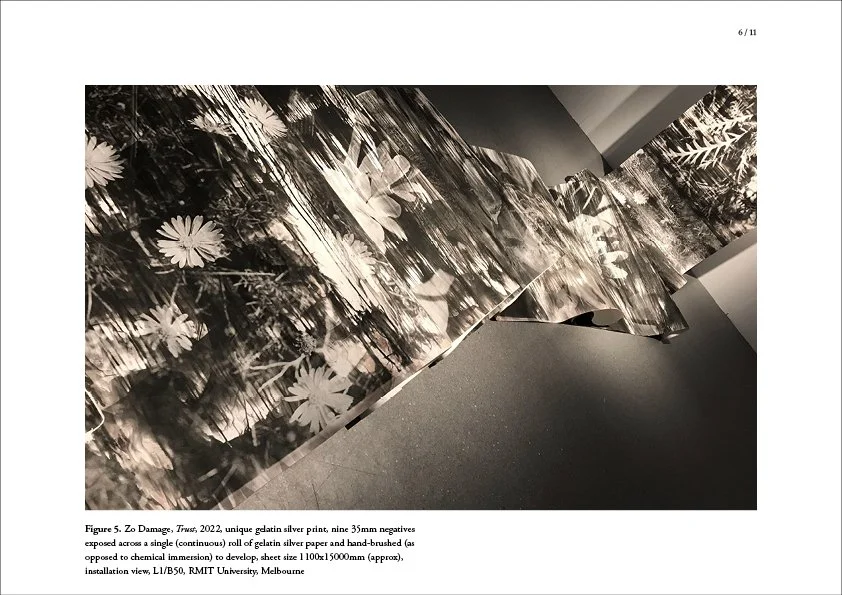
Figure 9. Wall mural concept mock-up of up to nine (overlapping) 35mm mural exposures on hand-cut strips of gelatin silver paper/hand brushed to develop. Each strip 400mm wide x 1.2 meters high (approx) with finished artwork/installation size 10 meters wide x 1.2 meters high (approx). As previously stated, concept intends to further develop my practice, refining and expanding on methods used to create Respite (Fig 12) of single exposures onto hand-cut strips of gelatin silver paper, combined with methods used to create Trust (Fig 11) overlapping single exposures on single roll of gelatin silver paper.
Figure 10. Installation design rough, 2023
Figure 11. Installation design rough, 2023
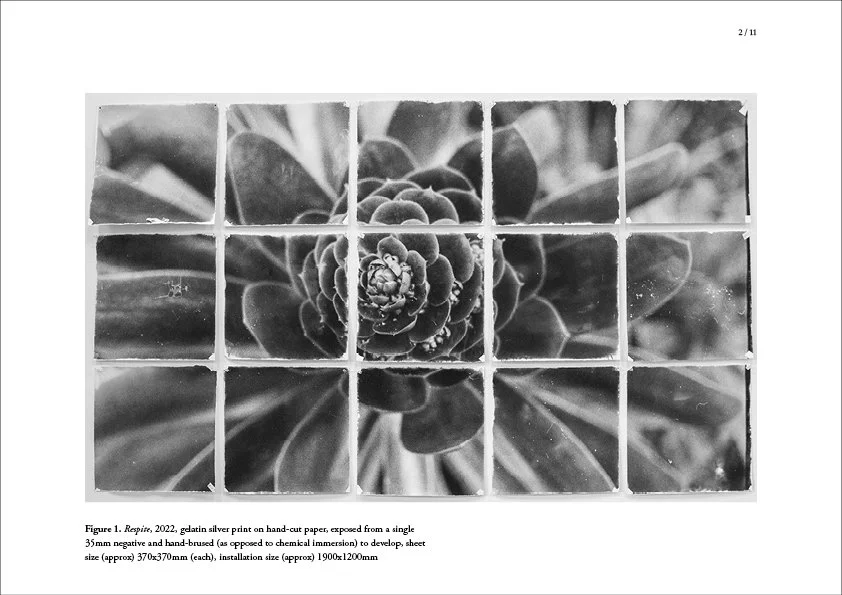
Figure 12. Respite 2022, unique gelatin silver print of single 35mm exposure over 15 hand-torn sheets (380x380mm per sheet), hand-brushed to develop (as opposed to chemical immersion), installation size approx 1900x1200mm. Test installation view 2022
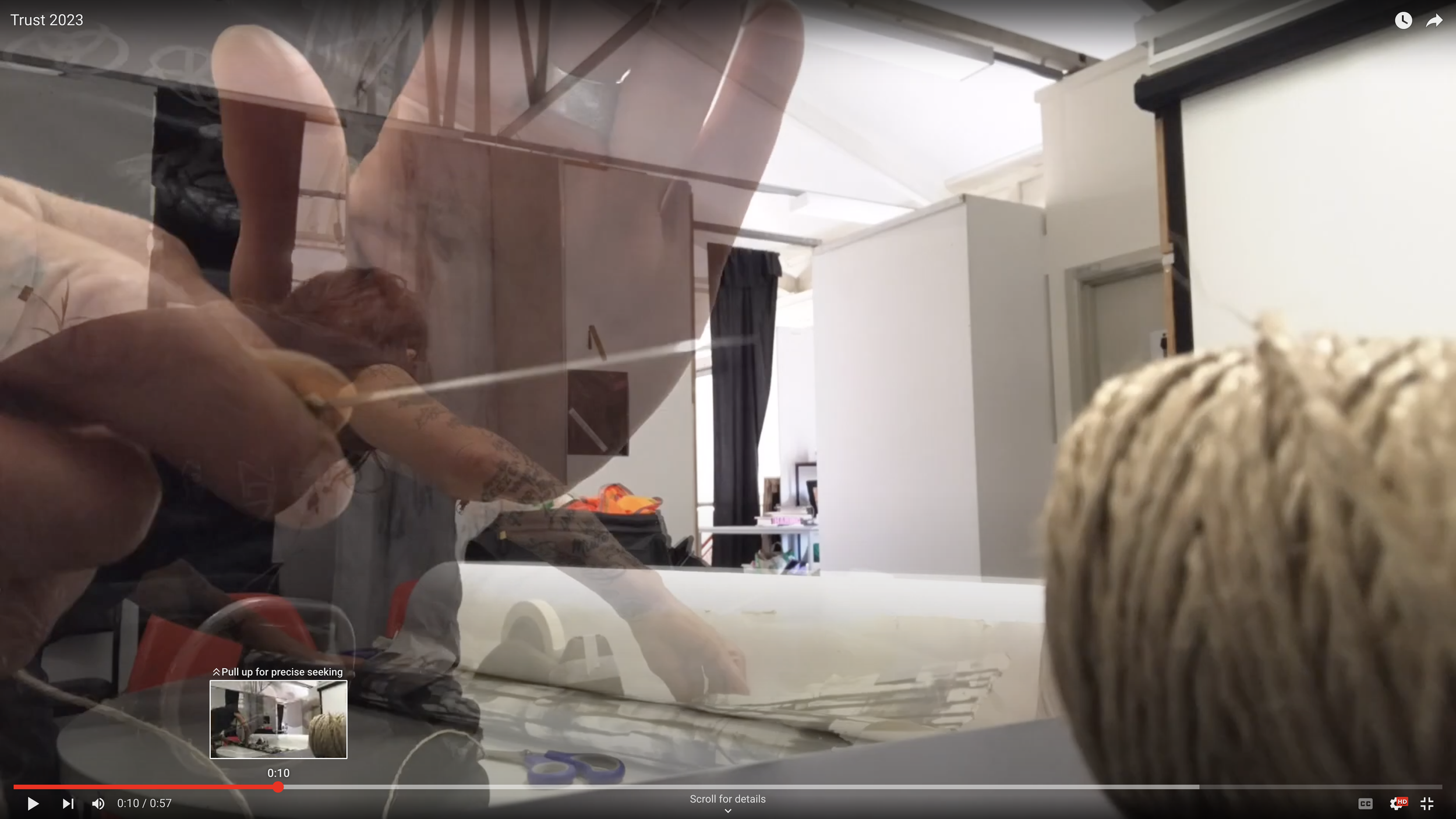
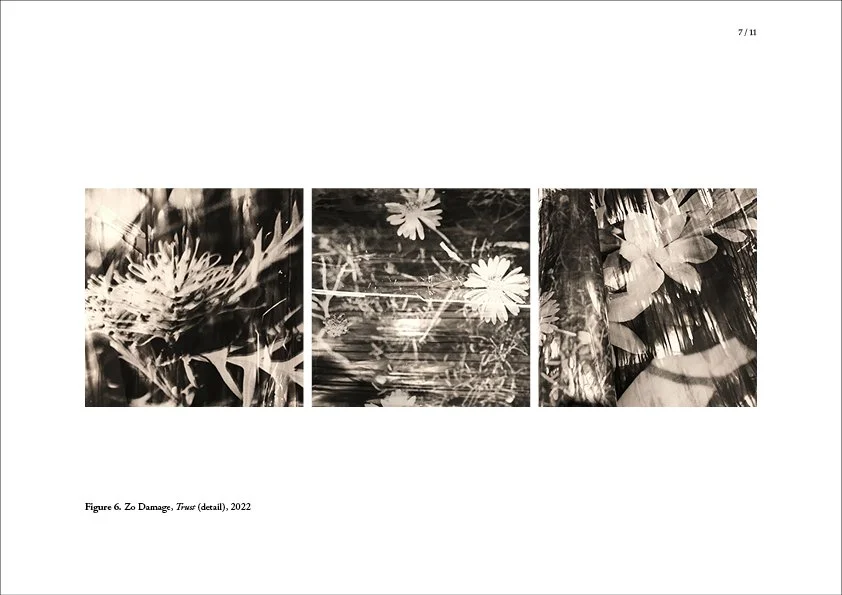
Figure 13. Trust 2022, unique gelatin silver print comprising nine 35mm exposures on single roll, hand-brushed to develop (as opposed to chemical immersion), installation size approx 15 meters long x1200mm wide. Test installation view 2022
S2 W10 group crit
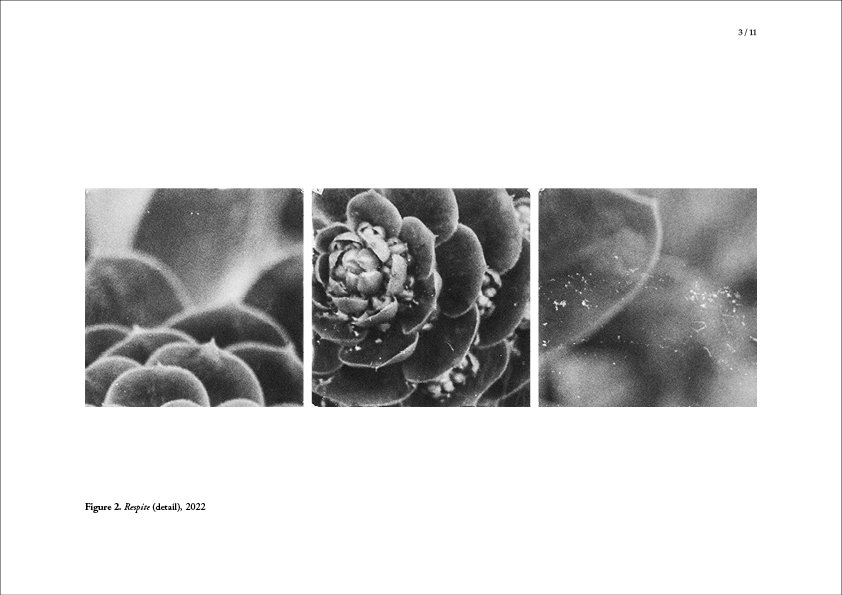
Respite is a gelatin silver print created by exposing a single 35mm close-up capture of a succulent over fifteen 370x370mm sheets of hand-cut gelatin silver paper. The print was designed to display in a grid (five across and three down) which measures approximately 1900x1200mm installed. The process, from tearing paper to developing the prints, took approximately 5–6 hours.
To create the work, I hand tore fifteen sheets, or tiles, from a 127cm x 30 meter roll of gelatin silver paper. The individual sheets were then placed in a grid on the darkroom wall and exposed with a single 35mm negative of a succulent, chosen as it is aesthetically pleasing and for its composition, texture and tone. Next, the sheets were taken into the darkroom, where I hand-painted each individually with the developer (as opposed to tray immersion) to bring out the image. The process, from tearing paper to developing the prints, took approximately 5–6 hours.
The titling of the work reflects the sense of respite I experienced during its making. Notably, the nuance of the deckled edges in the hand-torn gelatin silver paper and the sense of humanity introduced by the brush strokes from developing prints served to eliminate elements of mass production in the materials, the dust and scratches on the negative are also embraced and clearly visible in the final artwork. This is in the context of producing novel results by embracing chaos and disaster to create conceptual photographic works of art that investigate transformation and a visual language of beauty and strength (Jolly et al. 2015, 6).
Moreover, the simplicity of the capture, combined with the hand-torn paper and alternative darkroom processing reflect tensions between objectivity and subjectivity, which in turn reflect my aesthetic responses to lived experience. Further, the chemical process transforms the somewhat ordinary landscape of conventional photography, offering points of entry into the unknown.
As with abstract painting, knowledge of the craft and proficiency in the conventional execution of techniques and strategies – such as composition, exposure settings and the inherent qualities of base materials, including film and substrates – is essential before understanding how to exploit and debase the rules of the medium that reflect intent and purpose to achieve successful results in the final works of art.
Installing Respite for my third Studio 2 group critique
Print information: Zo Damage, Respite, 2022, unique gelatin silver print on hand-cut paper, installation (approx) 1900x1200mm, sheet size (approx) 370x370mm x 15 sheets exposed from a single 35mm negative, and hand-painted individually with developer to bring out the image
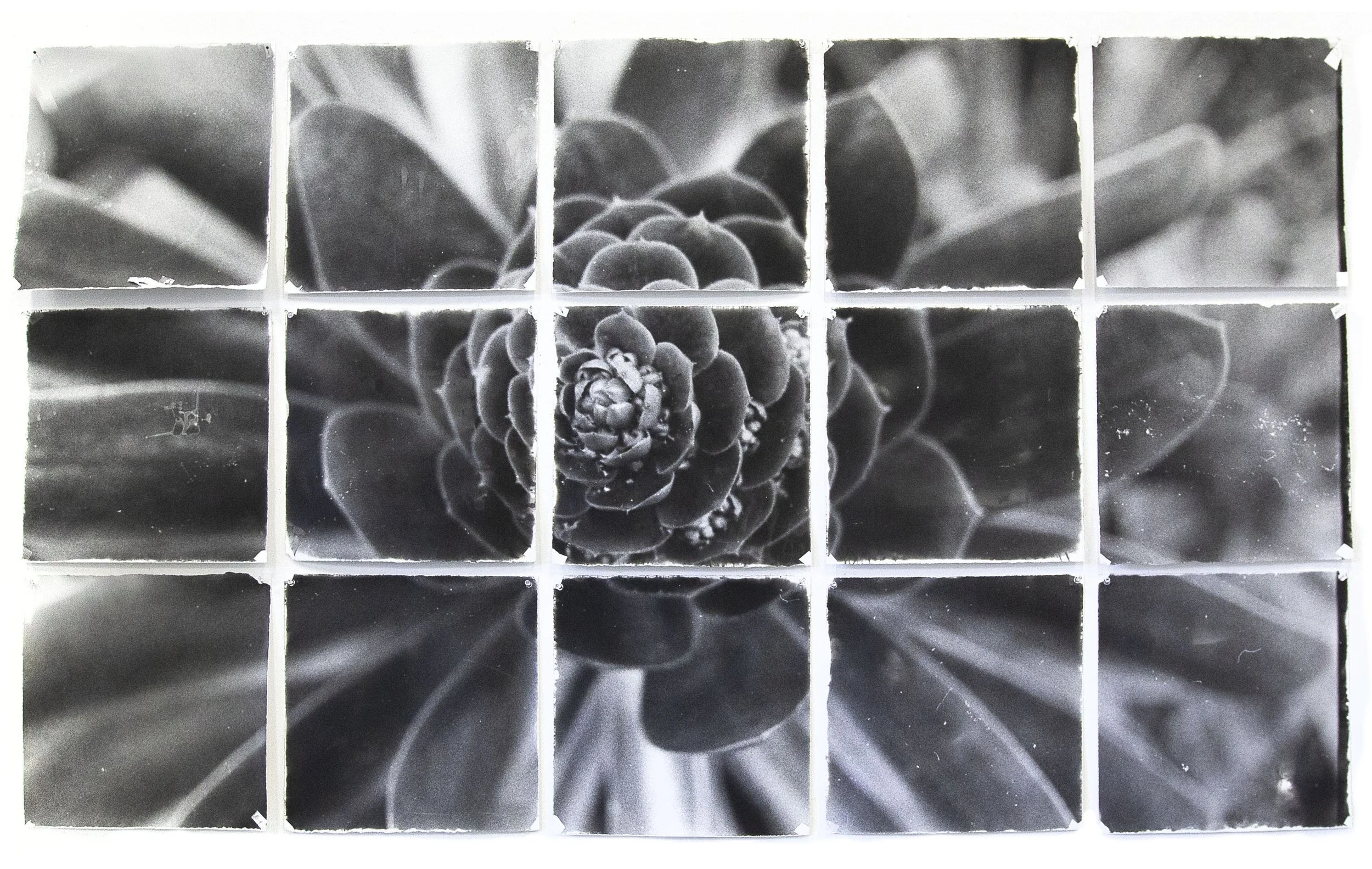
Figure 1. Respite, 2022, unique gelatin silver print on hand-cut paper, created from single 35mm exposure with each sheet hand brushed to develop the prints, installation (approx) 1900x1200mm, sheet size (approx) 370x370mm x 15 sheets
Figure 2. Group crit notes, 2022
Figure 3. Group crit notes, 2022
Figure 4. Group crit notes, 2022
Bibliography
Damage, Zo. 2022. “Installing Respite”. Zo Damage. October 28, 2022. YouTube video, 00:38. https://youtu.be/i8BIjO87Jio.
Respite
Respite is the next iteration of the grid-like print. As with the untitled piece presented for my second crit, Respite was made using traditional (or straight) photography on 35mm film combined with alternative and experimental darkroom processes. I hand tore fifteen 370x370mm sheets from a large roll of gelatin silver (light-sensitive photographic) paper. The individual sheets were then placed in a grid on the wall of the darkroom and exposed with a single 35mm negative. Next, the sheets were taken into the darkroom where I hand-painted each sheet individually with developer to bring out the image (rather than swishing them around in developing trays). The process (from tearing paper to developing the prints) took approximately 5–6 hours.
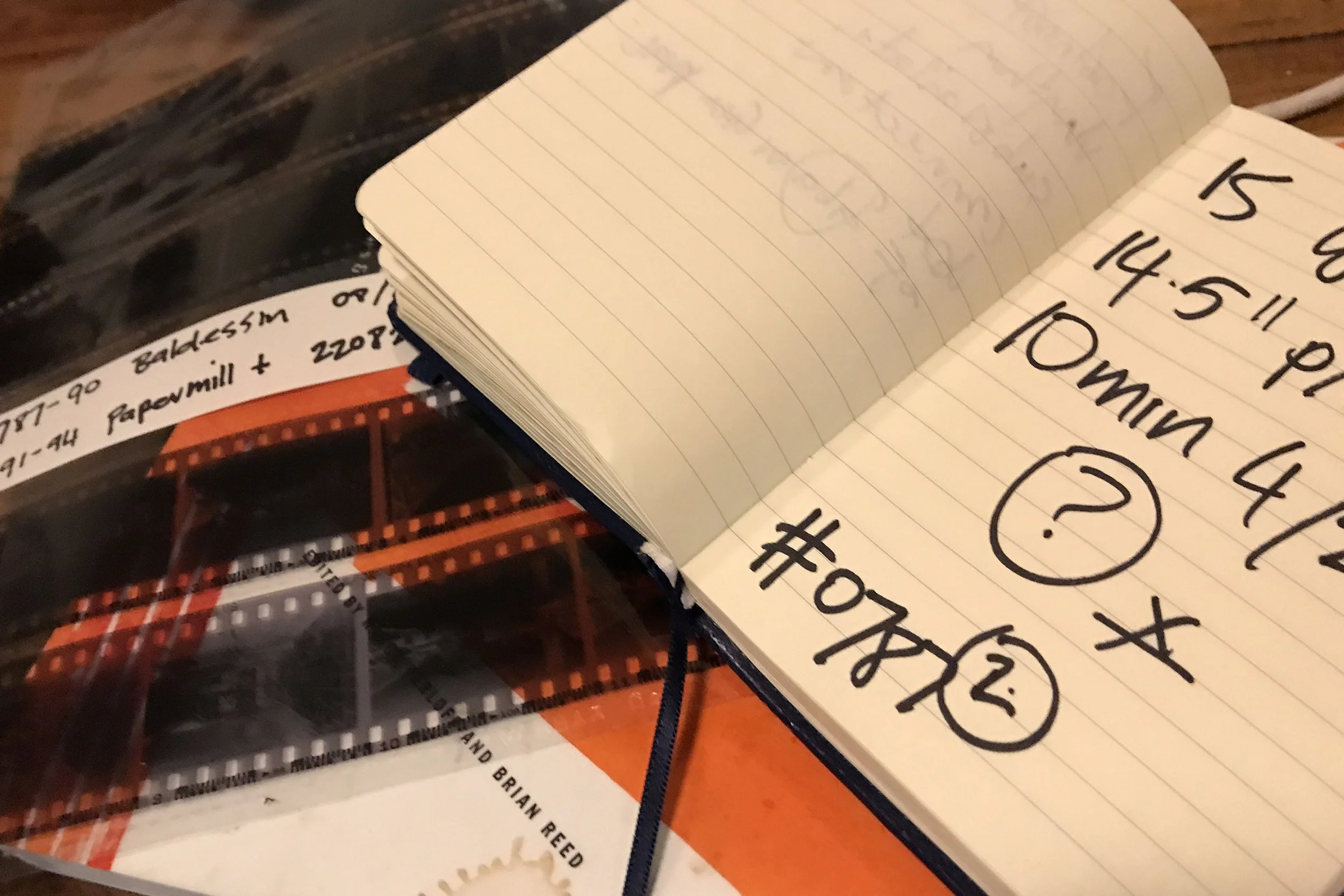
Figure 1. Respite negative and darkroom notes, 2022
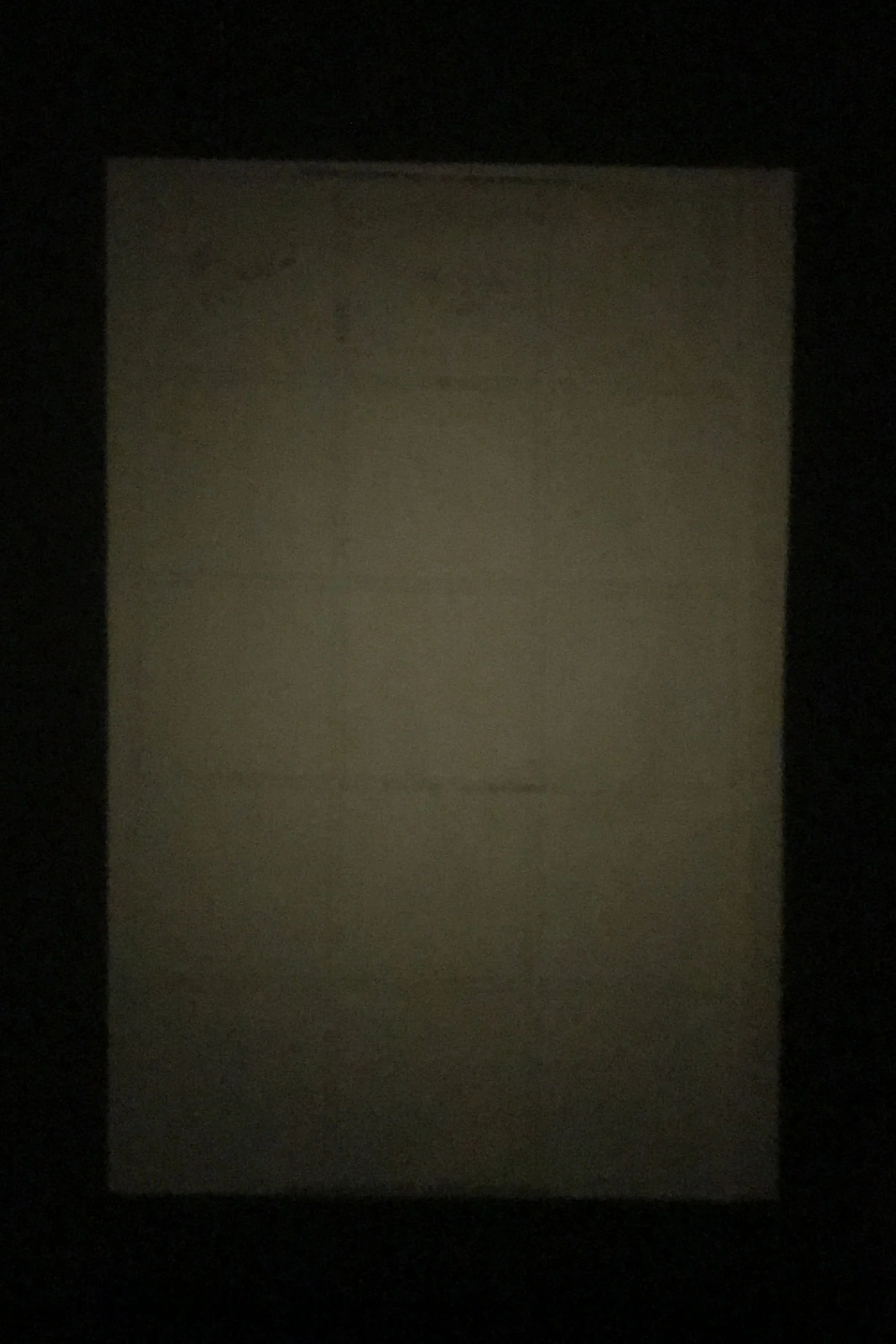
Figure 2. Testing grid and setting up exposure of negative
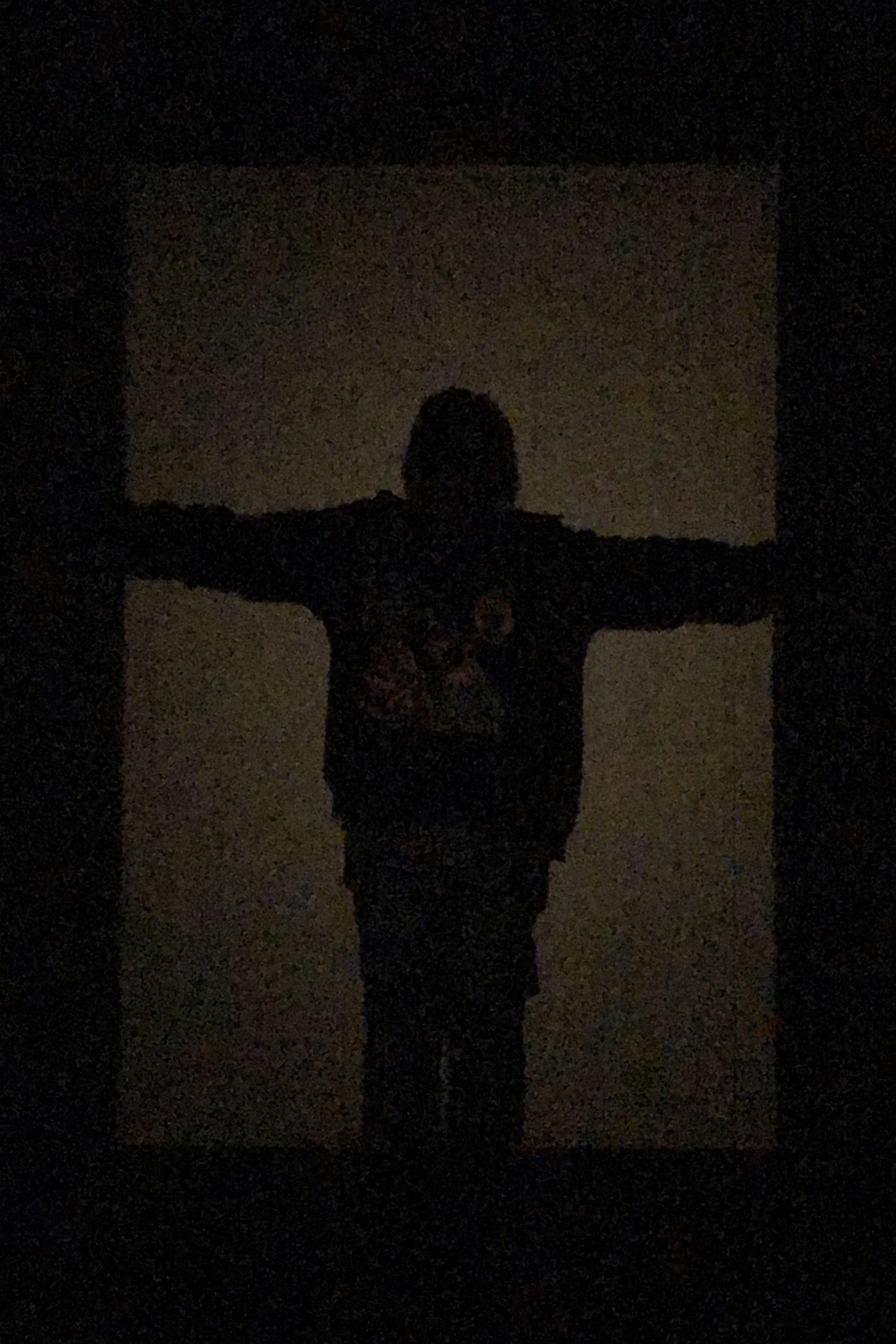
Figure 3. Standing in the grid indicates scale of artworks
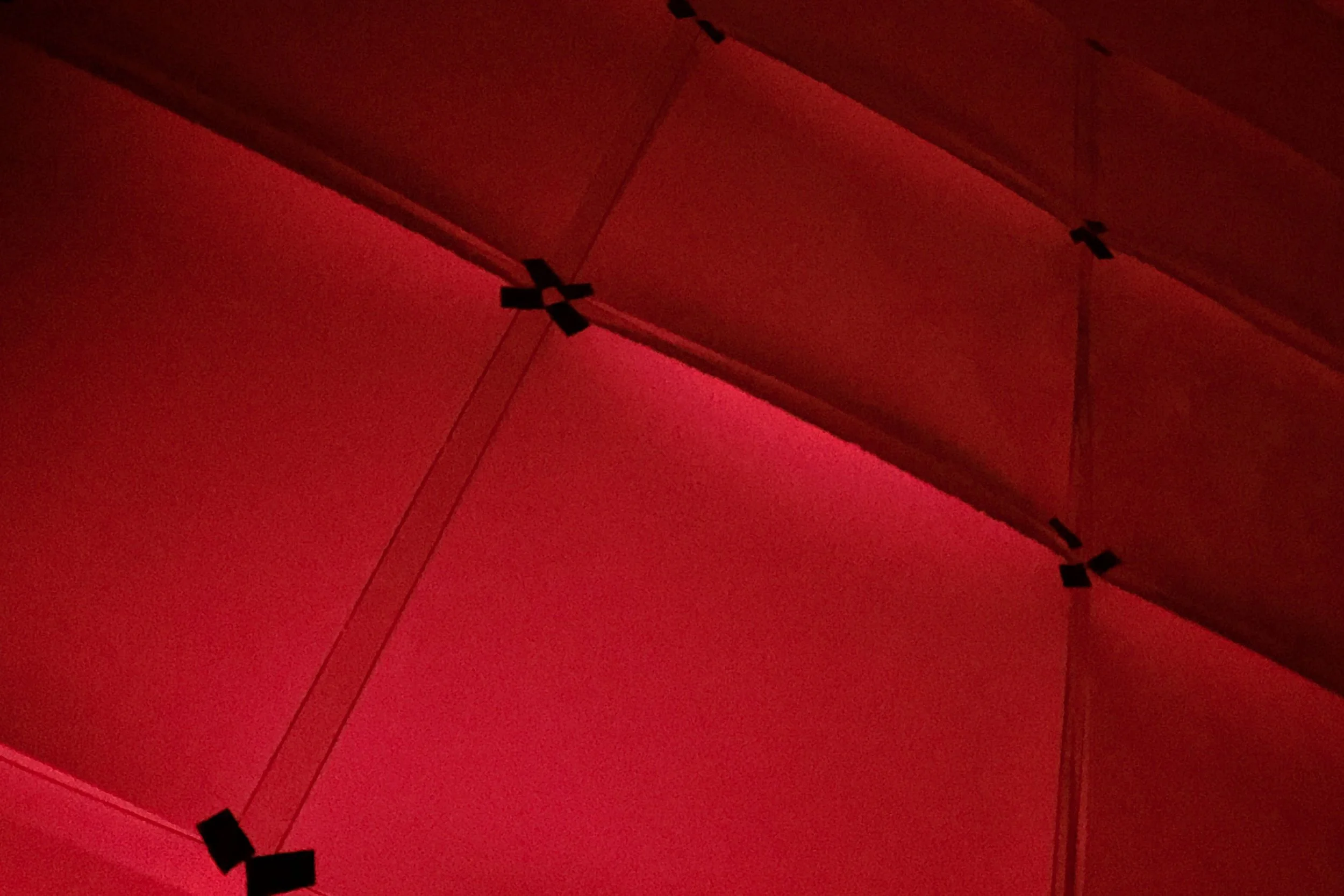
Figure 4. This photo of the gelatin silver paper grid was taken as the image was being exposed
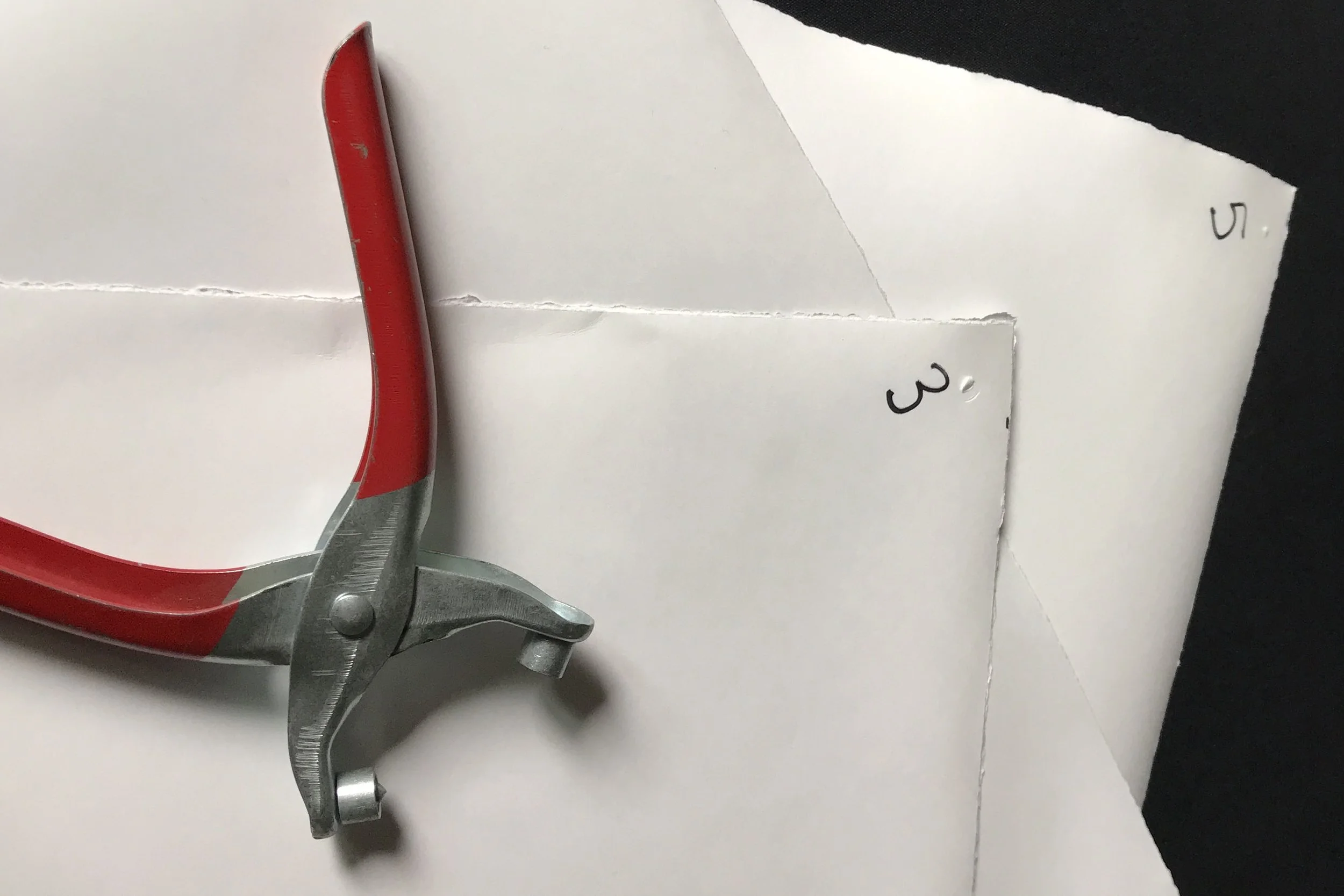
Figure 5. Marking and notching each sheet
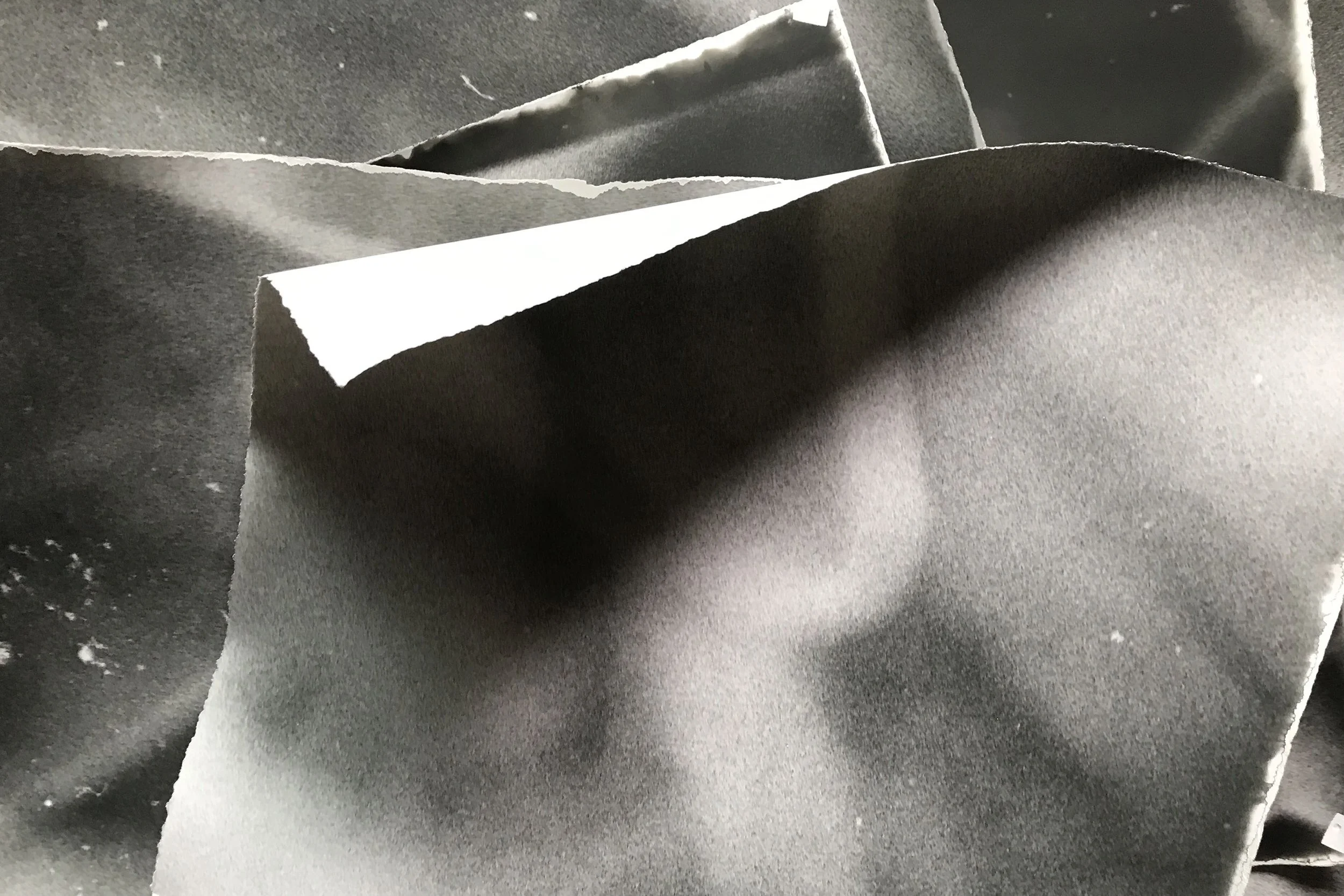
Figure 6. Paper curls
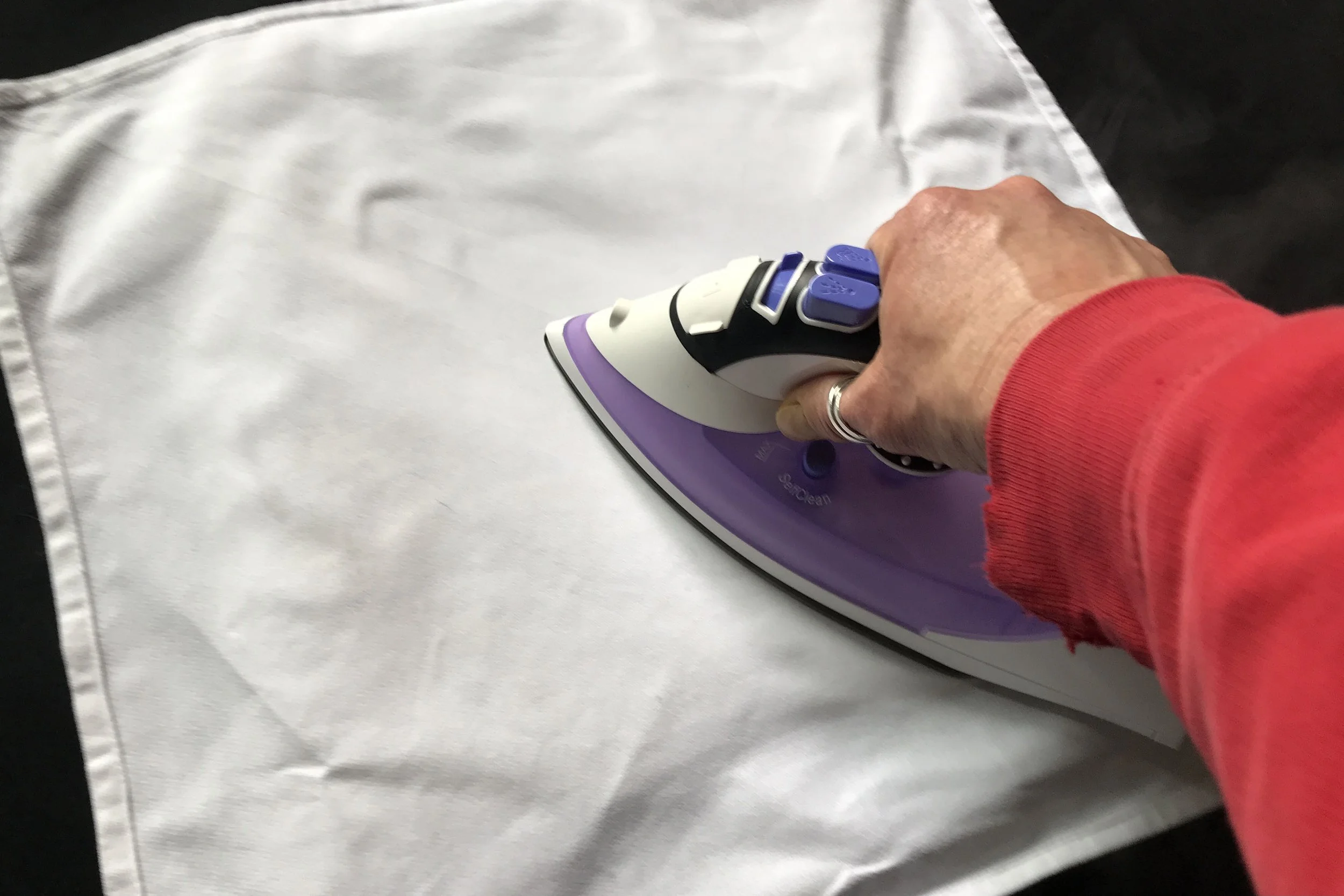
Figure 7. Ironing prints ready to install
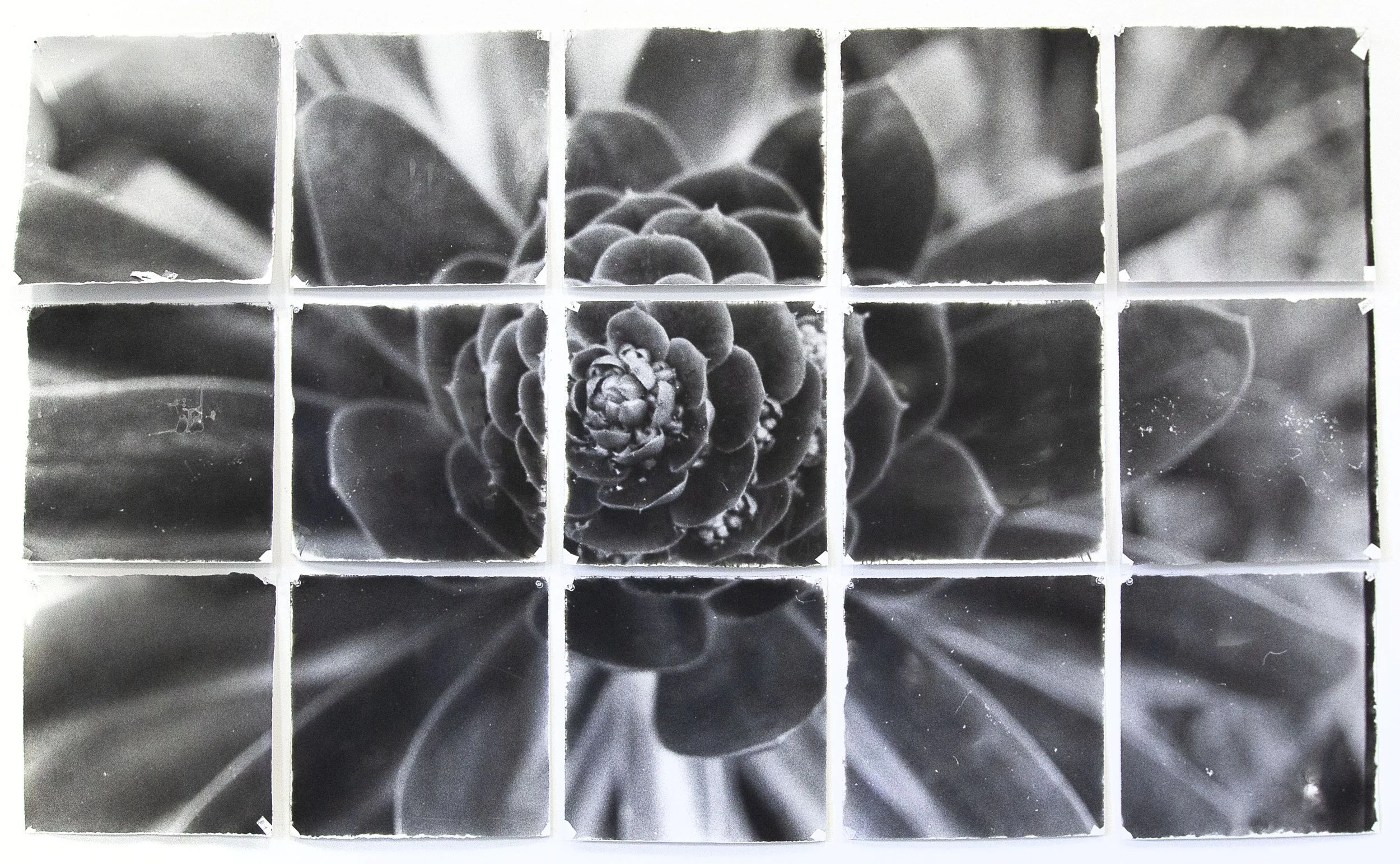
Figure 8a. Respite, gelatin silver print on hand torn paper, 2022, 1900x1200mm (approx) installation size (370x370mm approx sheet size, 2022
Figure 8b. Respite detail, 2022
Figure 8c. Respite detail, 2022
Figure 8d. Respite detail, 2022
S2 W7 group crit
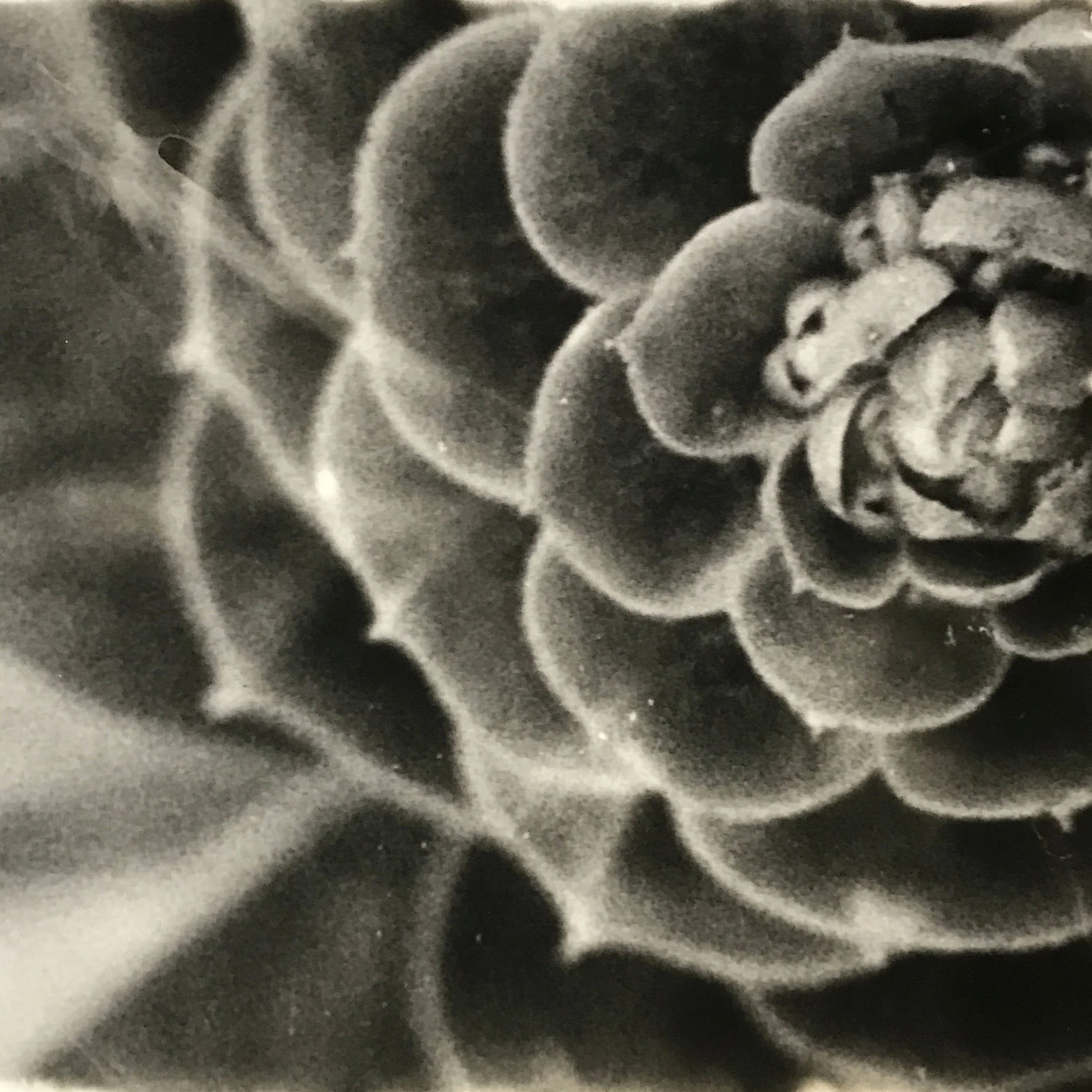
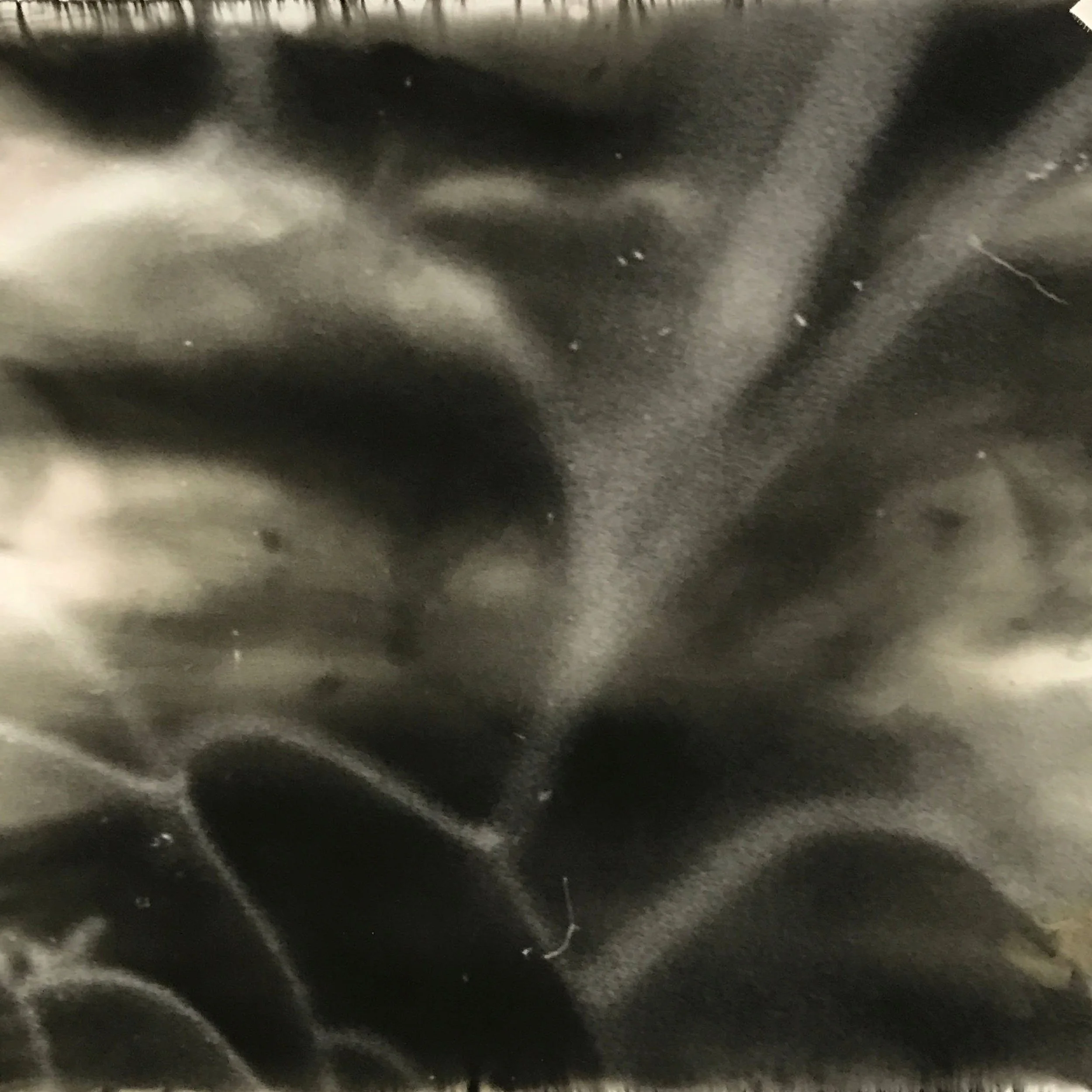
This untitled work is my initial test to create a large grid-like print. Made using traditional (or straight) photography on 35mm film combined with alternative and experimental darkroom processes. I hand tore six 330x300mm (approx) sheets from a large roll of gelatin silver (light-sensitive photographic) paper. The individual sheets were then placed in a grid on the wall of the darkroom and exposed with a single 35mm negative. Next, the sheets were taken into the darkroom where I hand-painted each individually with developer to bring out the image (rather than swishing them around in developing trays).
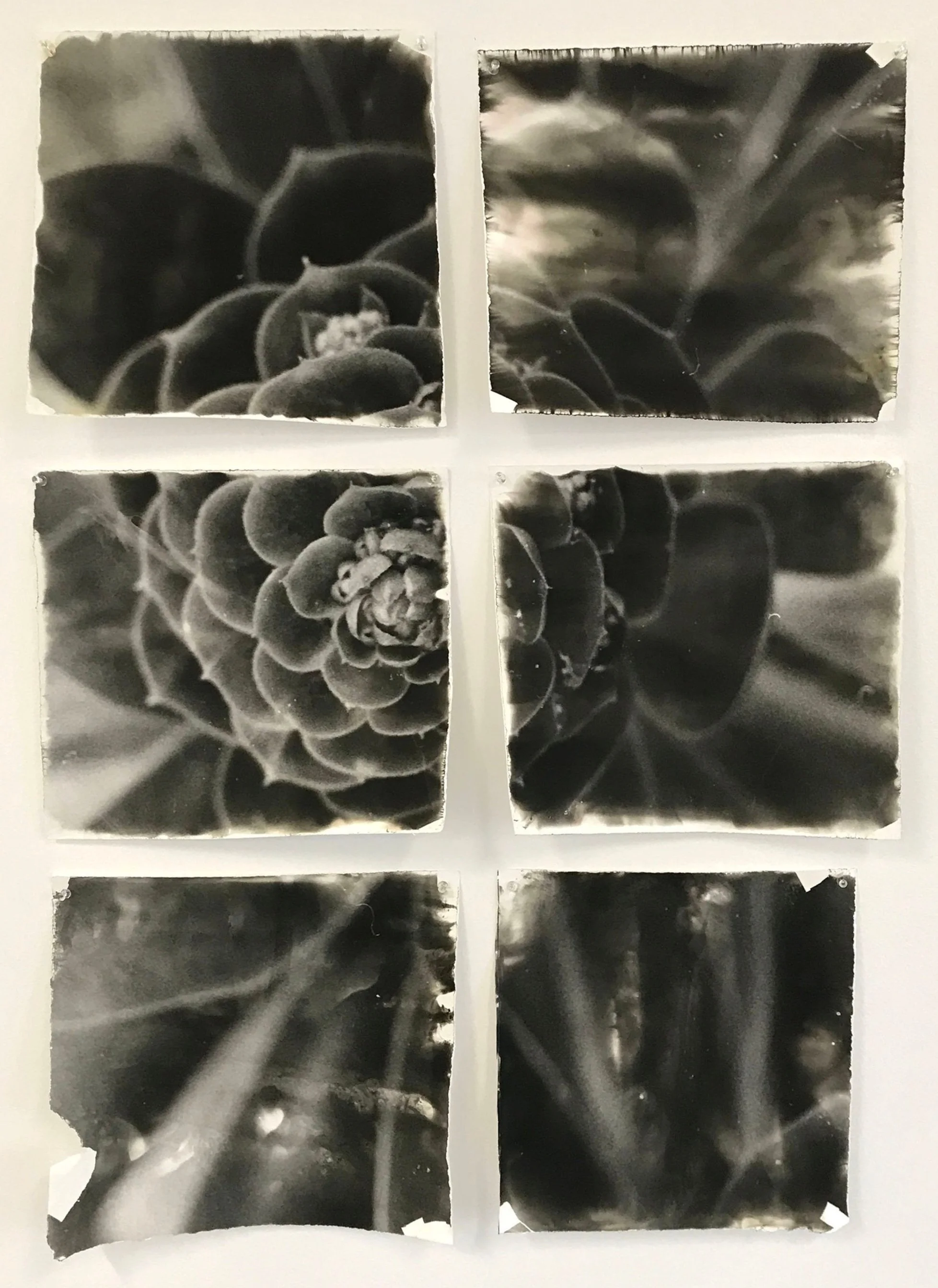
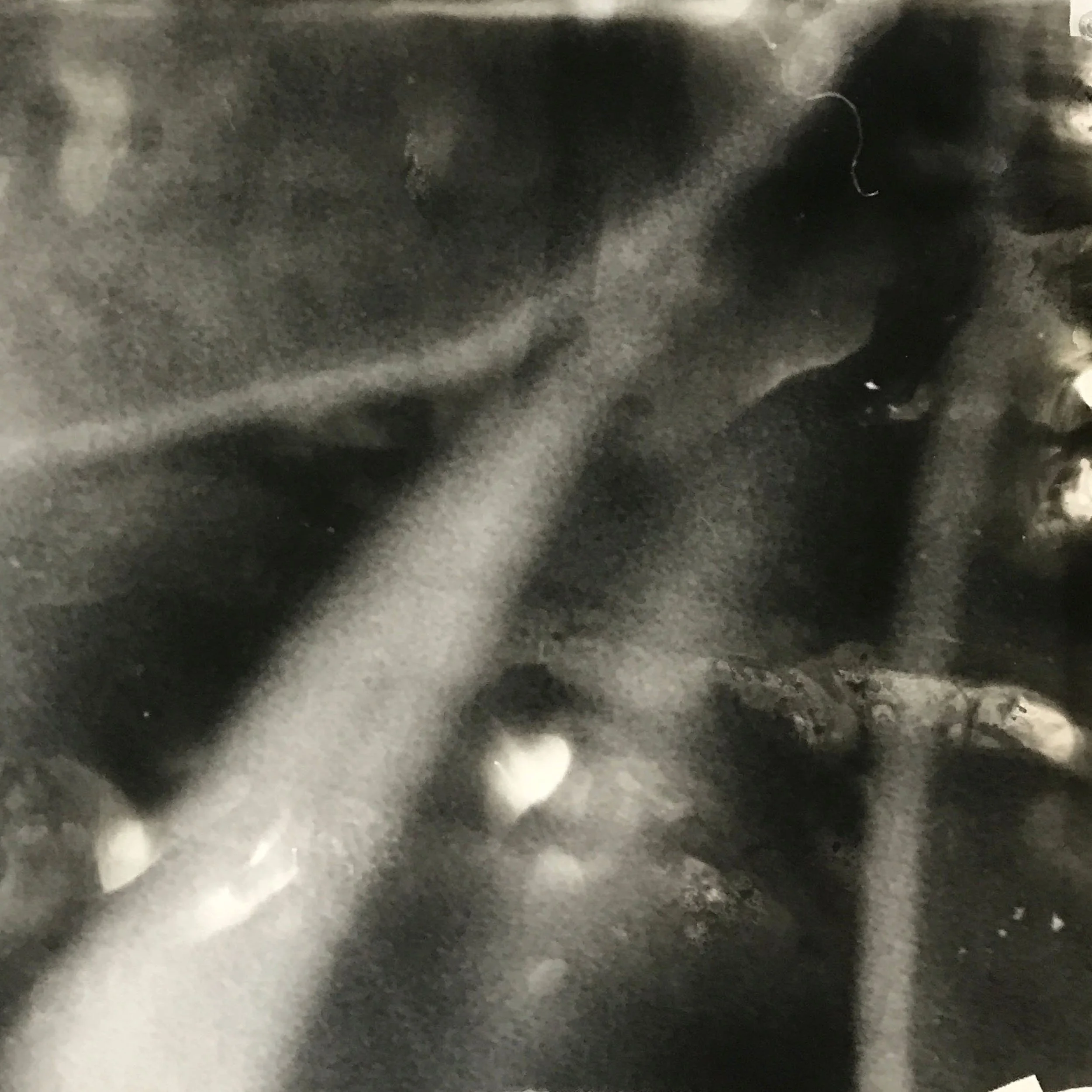
Group crit feedback
What do Pictures Want by W. J. T. Mitchell
According to W. J. T. Mitchell, we need to reckon with images not just as inert objects that convey meaning but as animated beings with desires, needs, appetites, demands, and drives of their own.
https://press.uchicago.edu/ucp/books/book/chicago/W/bo3534152.html (Links to an external site.)
Pictures with drives =? agency of pictures... see Isabelle Isabelle Graw: https://www.perimeterbooks.com/products/thinking-through-painting-reflexivity-and-agency-beyond-the-canvas (Links to an external site.)
& related Graw lecture on the value of liveliness here:https://www.youtube.com/watch?v=1JDthDEcmAs&ab_channel=thejewishmuseum (Links to an external site.)
Indexicality & its “desire for
referentiality": indexicality (Links to an external site.)
Richard Hamilton's update: https://www.tate.org.uk/art/artworks/hamilton-just-what-is-it-that-makes-todays-homes-so-different-p11358 (Links to an external site.)
(I'll try & find the catalogue where RH says that he wants to make something that isn't just a photograph)
On the proprietorial and ways of thinking about the studio this lecture by Kerry James Marshall might be of interest (specifically about 30 mins in):https://www.youtube.com/watch?v=6sv-YptD9Bc&ab_channel=CANTV (Links to an external site.)
On Daichi Saito:
Working against the contemporary urge to capture Instagram-worthy vistas and gussy them up with filters, Saito practices an old fashioned, stubbornly material form of alchemy to transmute relatively ordinary landscape footage into cinematic magic
Wave wall test
Troubleshooting and testing my ‘wave wall’ project concept and installation
Testing the art/installation concept and design prior to making final works © Zo Damage 2022
Bibliography
Damage, Zo. 2022. “Test install 1.” Zo Damage. August 22, 2022. YouTube video, 01:31. https://youtu.be/-k3rZfLEpMg.
Damage, Zo. 2022. “Test install 2.” Zo Damage. August 28, 2022. YouTube video, 00:56. https://youtu.be/NSKrerZpVF8.
Art installation
Christian Marclay
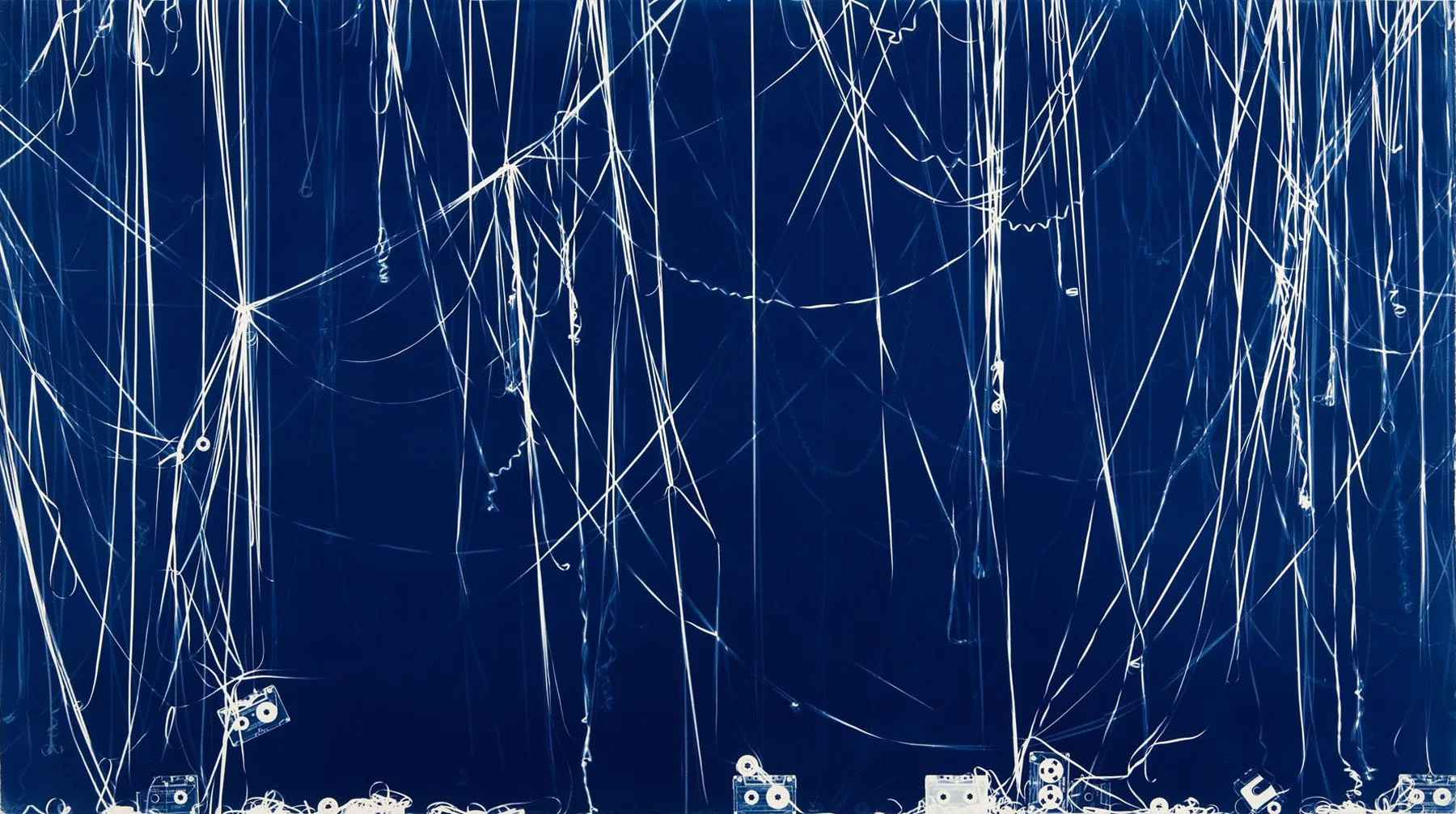
Figure 1. Christian Marclay 2008, Memento (Survival of the Fittest), unique cyanotype print on paper, 1310x2340mm
Danica Chappell
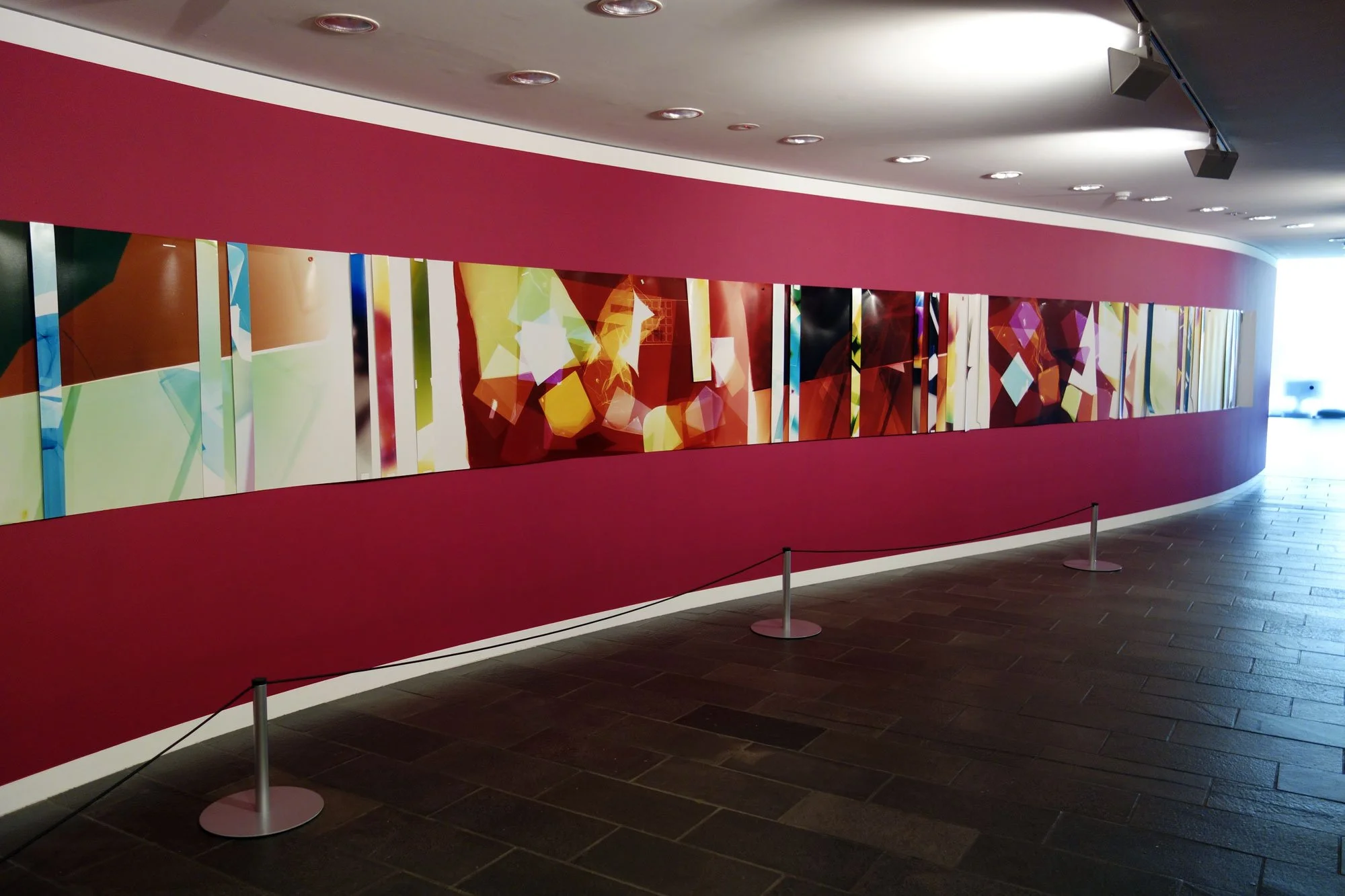
Figure 2. Danica Chappell, Light shadow (5 days + 5 hrs in 8 parts + test strips), 2012-15, Monash Gallery of Art installation view. Photo by Marcus Bunyan, 2015
Doug and Mike Starn
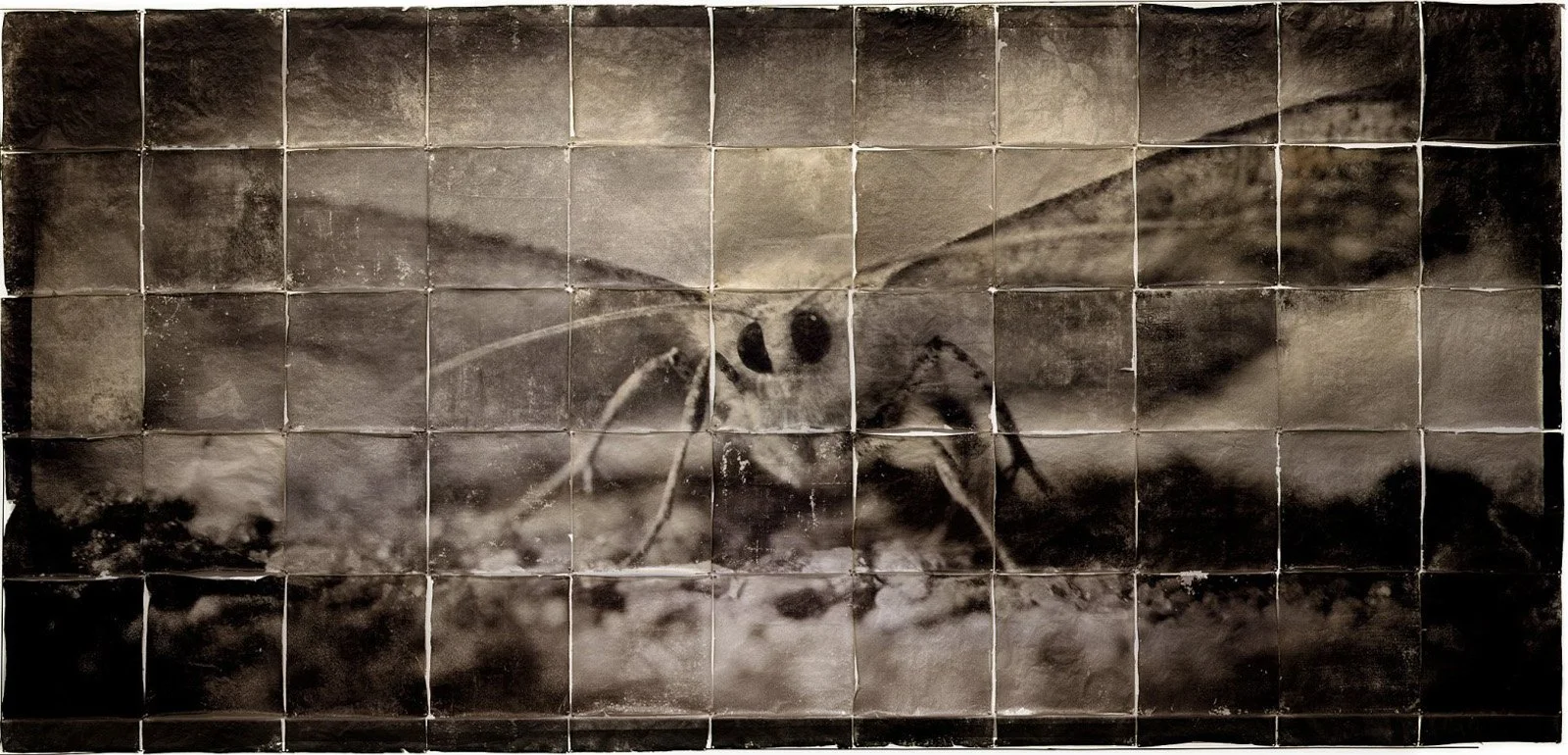
Figure 3. Doug and Mike Starn, Attracted to Light 1, 2000–2003, sulfur-toned and tea-stained silver print on Thai mulberry paper, 3048x6401mm
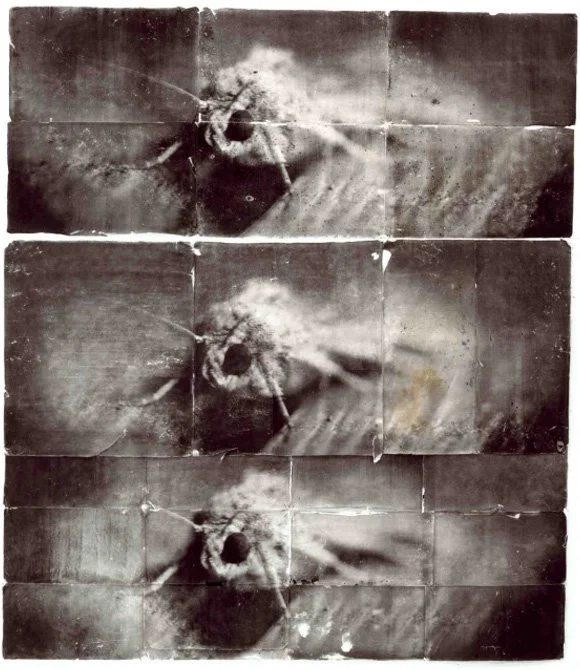
Figure 4. Doug and Mike Starn, Attracted to Light 2 (Triple), 2000, sulfur toned silver prints hand-coated on Thai mulberry paper, 1600x1600mm
Mariah Robertson
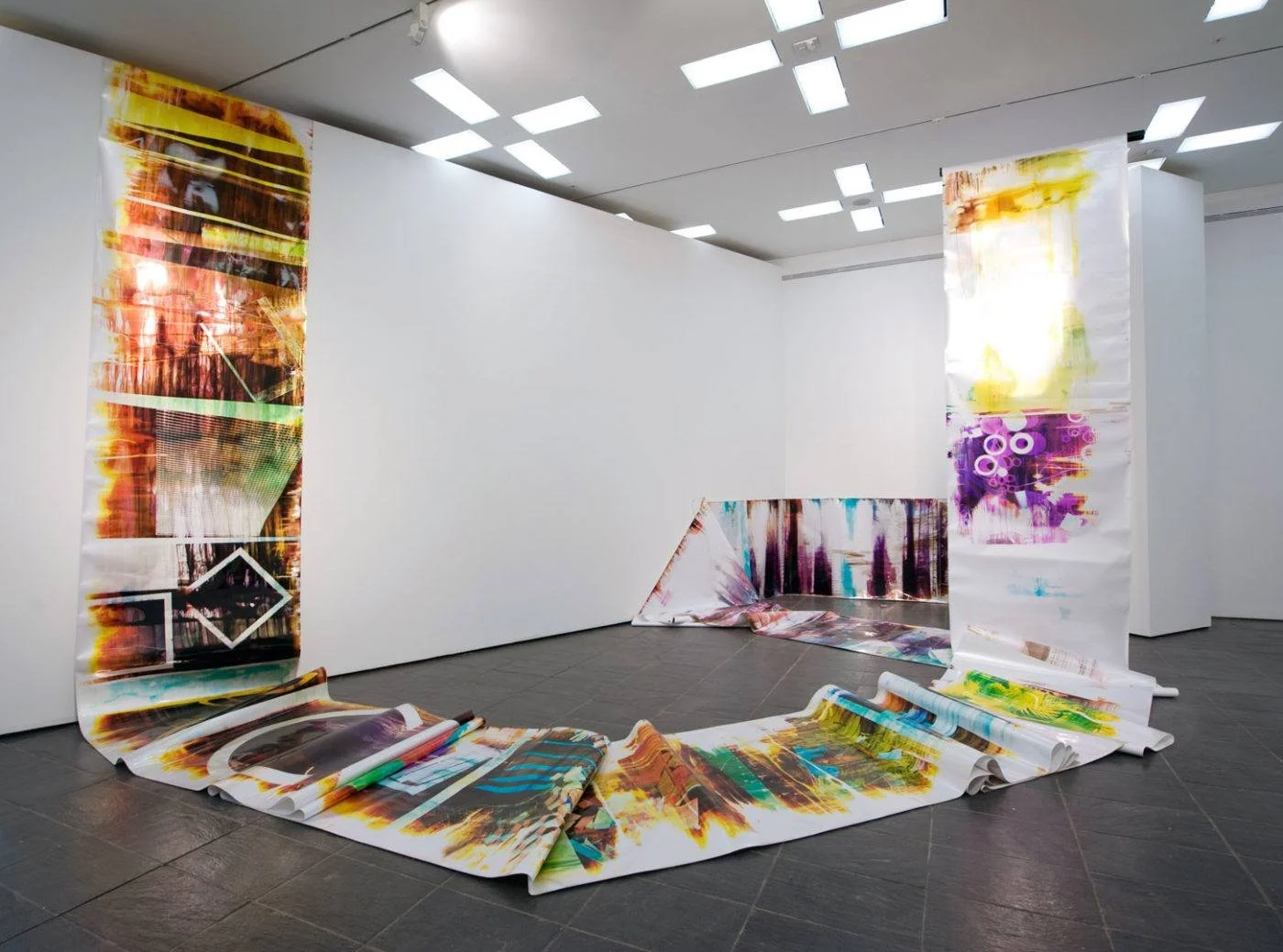
Figure 5. Mariah Robertson, 9, 2011, unique colour print on metallic paper; 49987x1270mm. Installation view: BALTIC Centre for Contemporary Art, Gateshead, England. Courtesy the artist
Sally Ayer
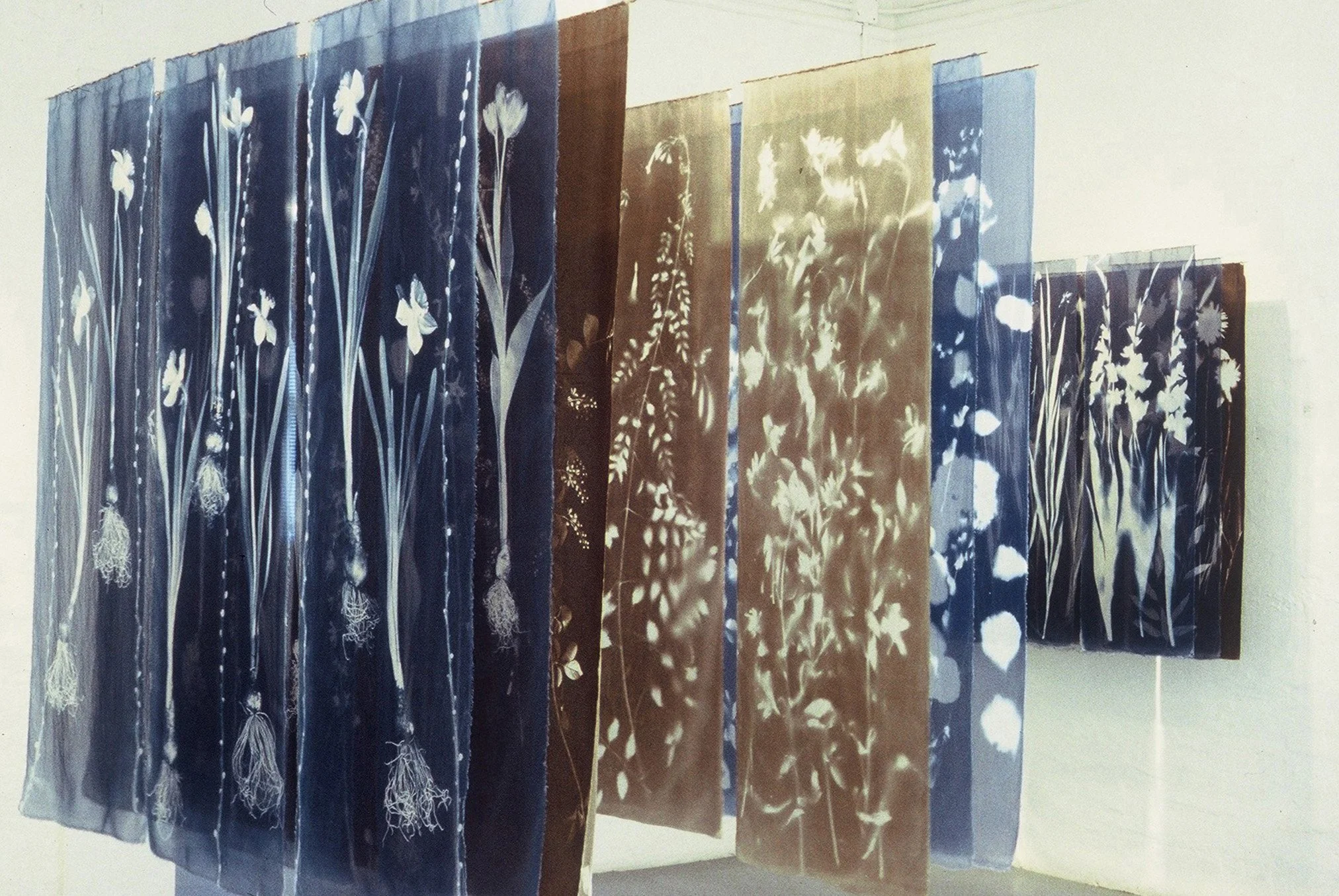
Figure 6. Sally Ayre, Shadow Gardens, 2004, cyanotype and van dyke on silk organza. Installation view at Visual Arts Centre of Clarington photograph Sally Ayre
Also considered are Destiny Deacon, Simone Douglas, Jane Eisemann, Merilyn Fairskye, Rose Farrell & George Parkin, Susan Fereday, Fiona Foley, Matthys Gerber, Fiona Hall, Graeme Hare, Bill Henson, Felicia Kan, Geoff Kleem, Rosemary Laing, Lindy Lee, Fiona Macdonald, Fiona MacDonald, Tracey Moffatt, David Noonan, Debra Phillips, Patricia Piccinini, Jacky Redgate, Julie Rrap, Kaye Schumack, Robyn Stacey, Justene Williams, Anne ZahalkaBibliography
Bibliography
Ayre, Sally. 2004. Shadow Gardens. Image. https://www.donttakepictures.com/dtp-blog/2016/3/1/installation-photography-and-the-transformation-of-the-viewer.
Chappell, Danica. 2012–15. Light shadow (5 days + 5 hrs in 8 parts + test strips). Image. https://artblart.com/tag/phenomenology-of-a-gallery-space/.
Marclay, Christian. 2008. Memento (Survival Of The Fittest). Image. https://artblart.com/tag/christian-marclay-memento-survival-of-the-fittest/.Robertson, Mariah. 2011. 9. Image. https://art21.org/gallery/mariah-robertson-artwork-survey/#6
Starn, Doug, and Mike Starn. 2000. Attracted to Light 2 (Triple). Image. https://www.mandatory.com/living/1003235-like-moth-flame-drawn-art-mike-doug-starn.
Starn, Doug and Mike Starn. 2000-2003. Attracted to Light 1. Image. https://www.lehmannmaupin.com/ch/zhan-lan/doug-mike-starn.
S2 W5 group crit
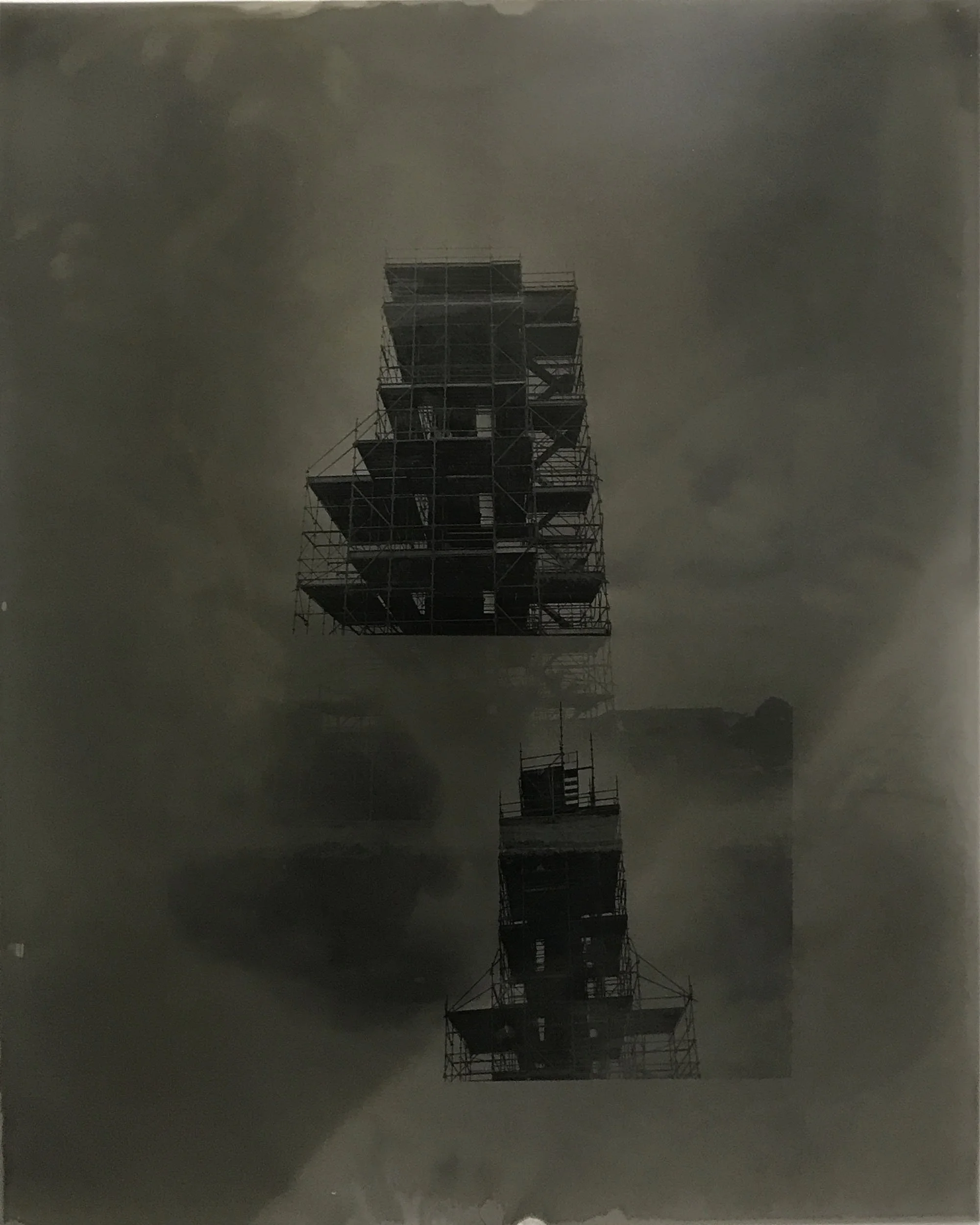
Ballroom IV
Zo Damage, 2022
Unique gelatin silver print
406x508mm
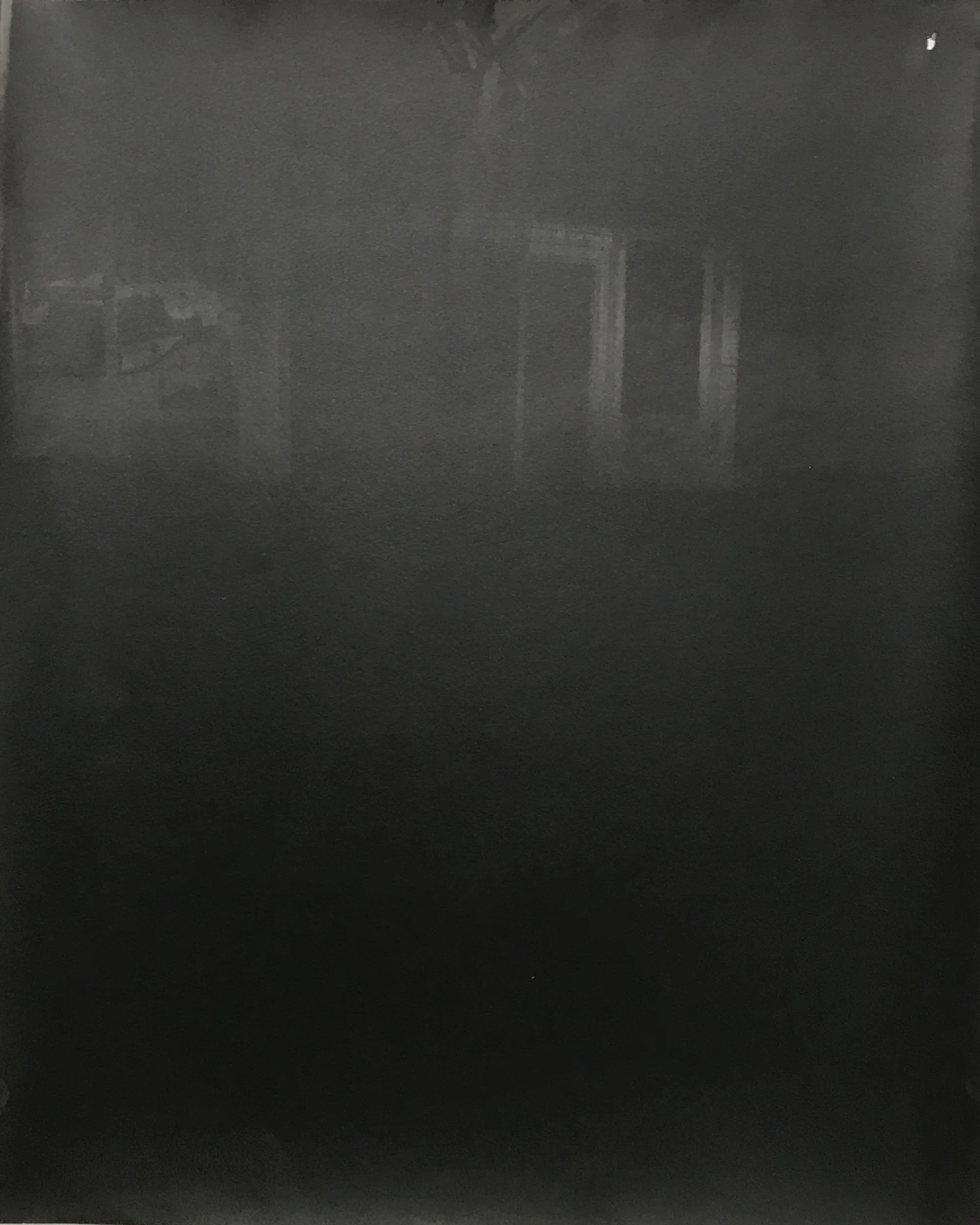
Somewhere/Enthusiasm
Zo Damage, 2022
Unique gelatin silver print
406x508mm
Gum I
Zo Damage, 2022
Unique gelatin silver print
406x508mm
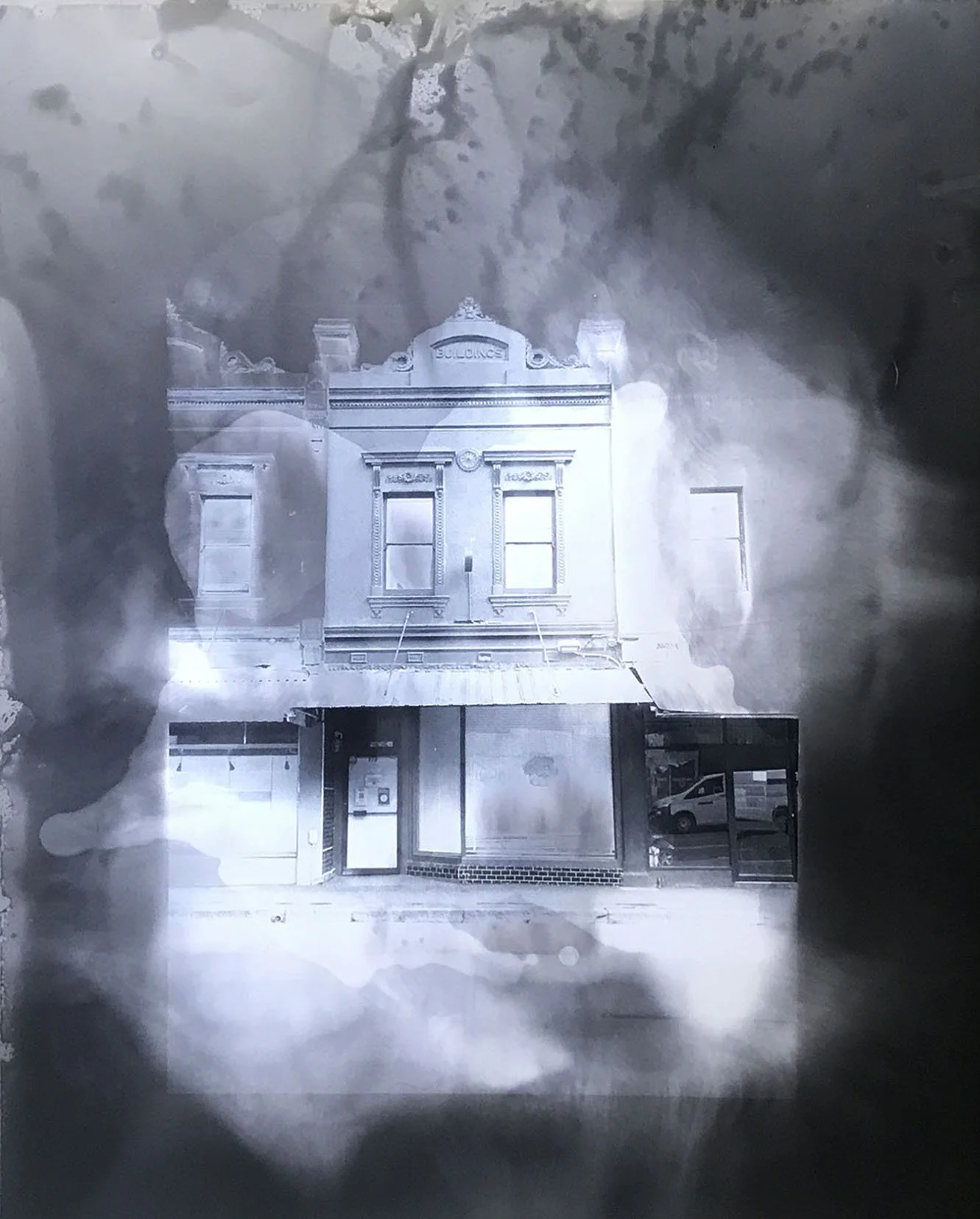
Untitled (Brunswick)
Zo Damage, 2022
Unique gelatin silver print
406x508mm
Studio-based research
Informed by academic disciplines, including brain sciences, phenomenology and ethnomethodology this studio-based research explores how unpredictable modes of analogue photography and alternative darkroom processes can be used to a) cultivate alternative means of perception and observation, b) explore creative ways of interpreting physical and psychological to the world I inhabit, and c) seek unfamiliar modes within the mediums discussed above that allow suspension of presumptions and judgments about, and expand upon, my existing practice.
Keywords
Collingwood, Ballroom, Wabi Sabi, Brain science, Evolving, Devolving, Gelatin silver, Darkroom, Alternative darkroom, MFA, Studio 2, Group crit
Group crit comments
Jodie: The material itself is becoming part of the image. It is like seeing what is behind what is going on. Letting go of the process and coercing another world.
Paula: Sense of mystery, there is more behind the images than you can see. Very surrealistic (excellent — surrealism). Unrealistic light.
Reminds me of Dirk Braeckman's photography
Brunswick – You can see other things in these images (abstraction — excellent).
Jo: Black and white photographs. Quite layered.
1) Obscured and layered by foggy marks. Quite a lot of texture and sense of materiality of the print that the layers are coming through from the photographic paper rather than the negative. Sense of chance, the process being left to chance and how the different chemicals are playing out together. Relating it to painting, it does its own thing.
2) Second image. Maybe the same image. Very atmospheric.
3) Bleeding out. The image of the building has been set and blended with the paper. Title.
4) Composition shows there is a lot of process in the image. Collagic in the way it is deconstructed and constructed. A lot of atmosphere and “matter” in the image.
Revealing a “presence”.
Steven: They are unique. Not repeated. Akin to “painting”. History, loss, dreams and process. Sense of “movement” and expanding in scale. Invitation to create new narratives.
Steph: 234 Reminiscent of a storm (excellent!). Images within images. The buildings feel “framed”. Brunswick feels the most enigmatic. Ghostly and sad. Sense of loss of history. Layering over our urban history with dirt and mud and new construction — Reflection of self. Creating new worlds by blending process and time.
Steven: The work still connects to reality through the “indexical” nature of chemical photography.
Dan: Brunswick feels imposing. 1 and 2 with the processing it feels like the images are wrapping around me and inviting me in. Experiential.
Emotions are driven by chemistry.
Objective / Subjective
Provode interpretation
Measurable / Immesurable
Isabella graph - painting makes itself
Fog
Mist
Chance
Process - letting it take over... possession
Layers
Repetition
Matter
Images within images. Mise en abyme
Ghostly... sad
Also - agency of the materials & processes + indexical images = considering Isabelle Graw's essay on the agency of painting: Graw.pdf
Painterly
A correlation: chemistry + image = chemistry + emotion/feeling/sensation
Darkroom sequences in movies: Blow Up (1966); The Omen (1976) etc
The light emanating from the subjects through veils of chemical fog
The light pours out of me - Magazine
Alternative darkroom
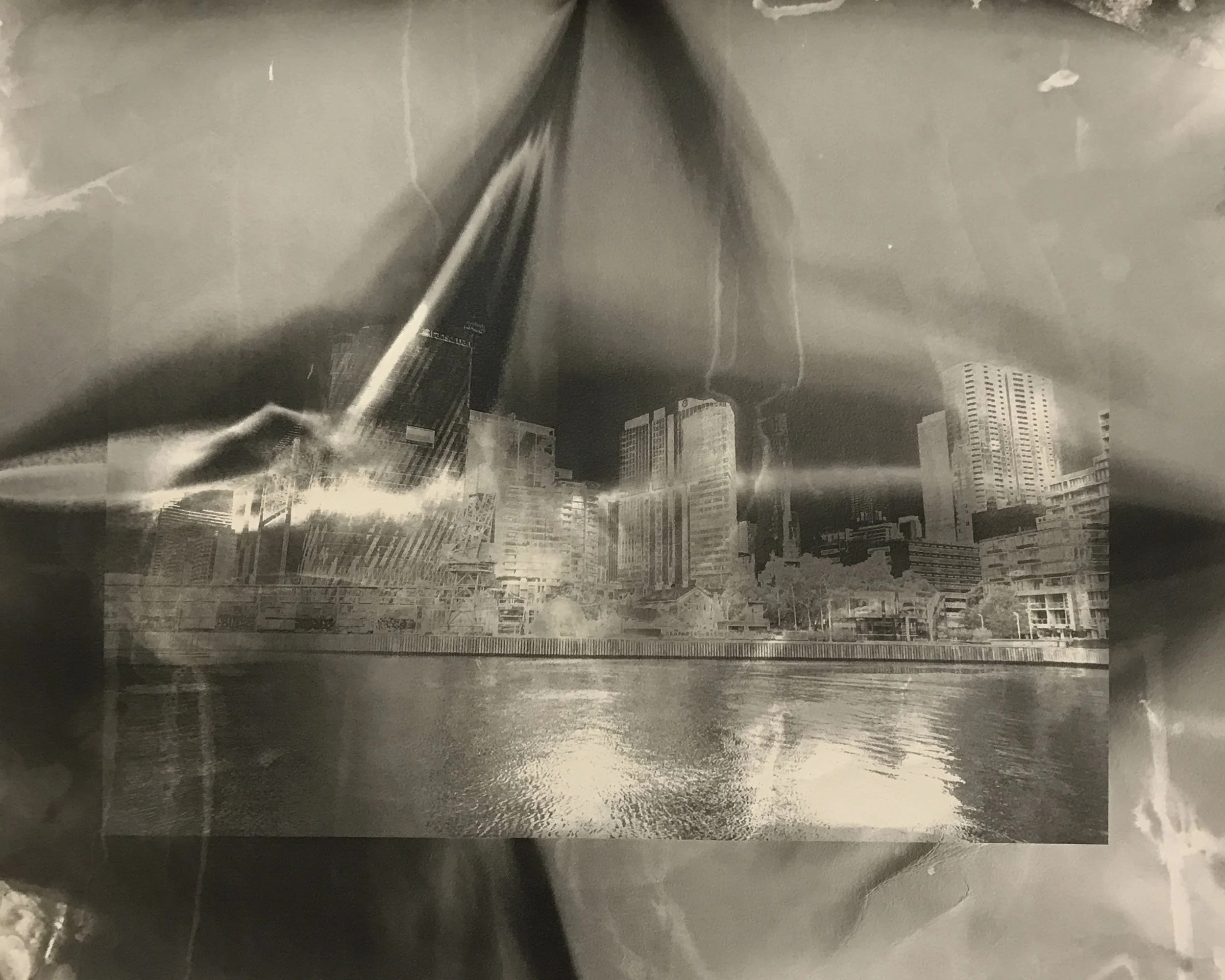
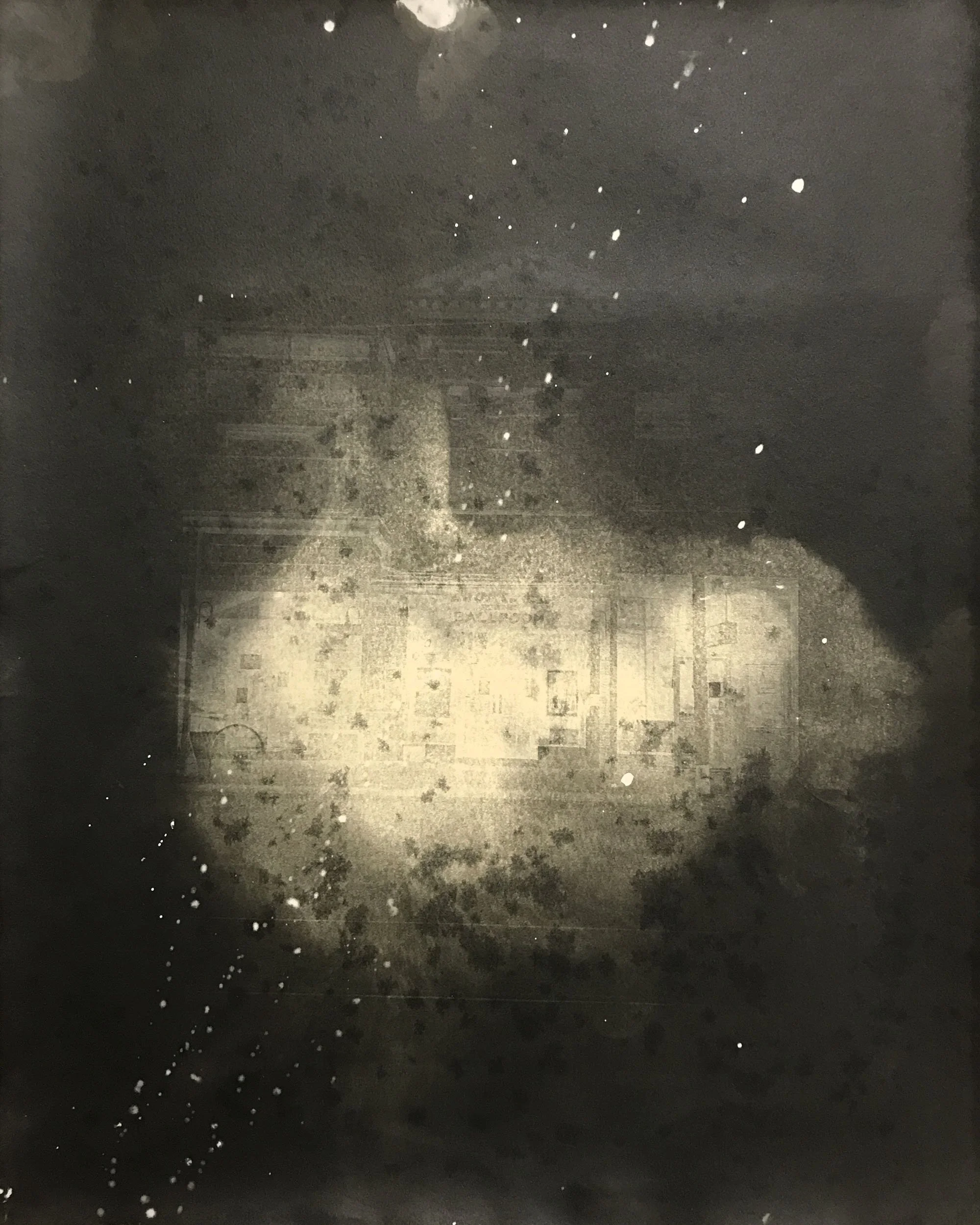
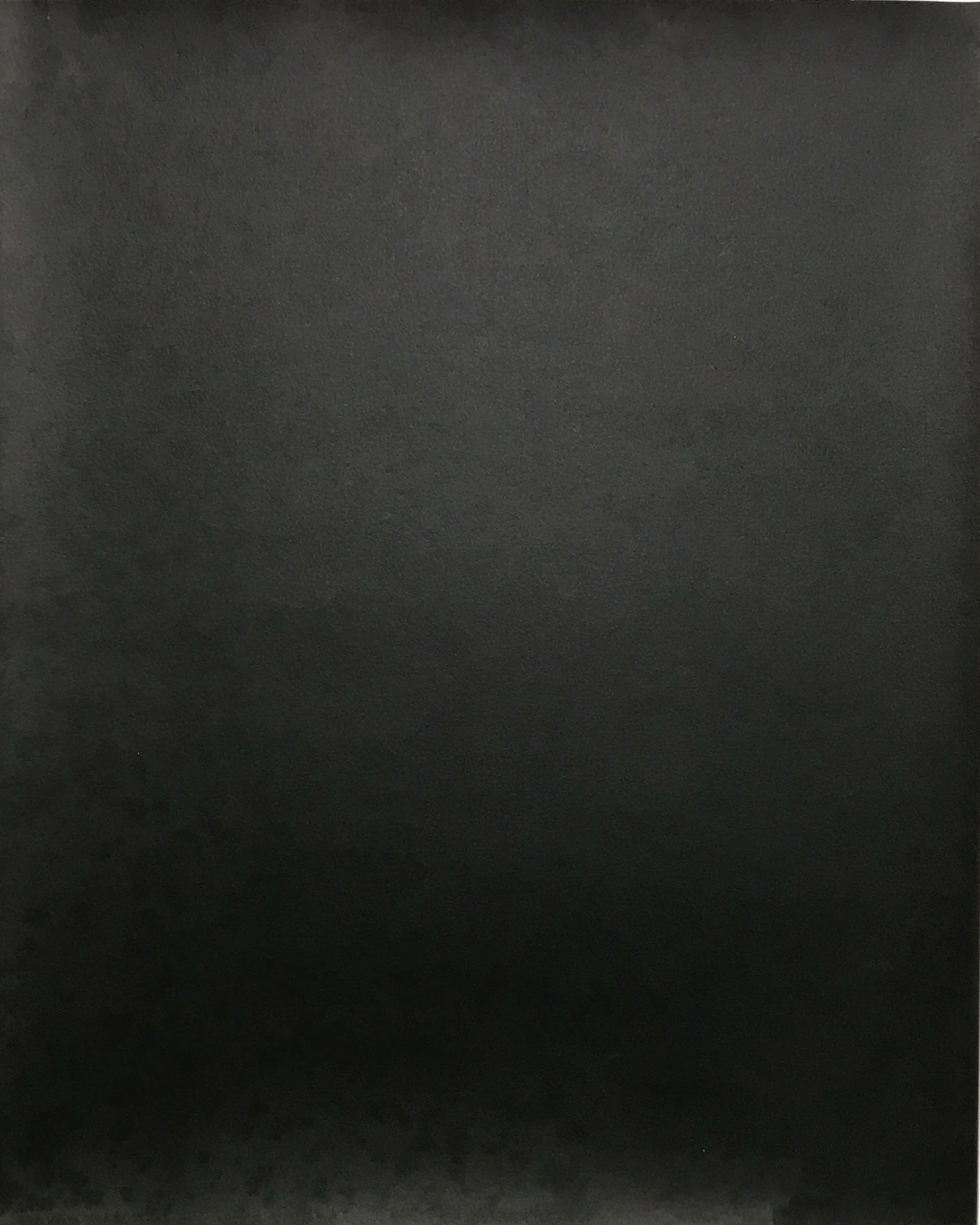
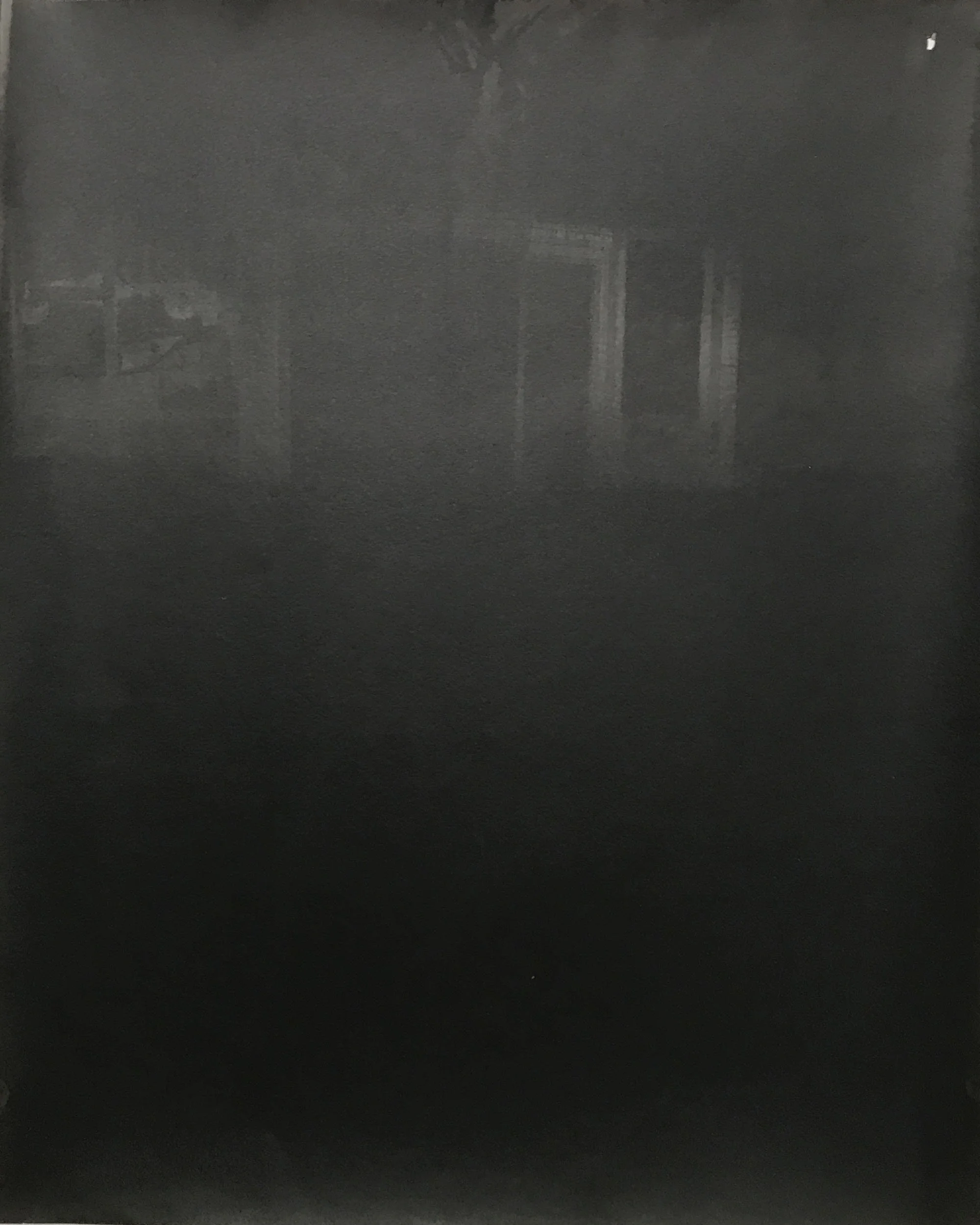
All images below are unique gelatin silver prints created as a series of experiments for MFA Studio 2. The works expand on the academic and studio-based research investigating how a generative photographic practice can foster and contribute to creative care. Moreover, the pieces are significant to my development of practice as I work on refining and deepening my exploration into experimental analogue photography.
The studio-based research is informed by academic disciplines, including brain sciences, phenomenology and ethnomethodology. The study questions how unpredictable modes of analogue photography and alternative darkroom processes can be used to cultivate alternative means of perception and observation. Second, a generative photographic practice is explored to visually iterate and interpret physical and psychological responses to lived experiences. Finally, unfamiliar modes within the mediums discussed above are further investigated to allow suspension of presumptions and judgments about, and expand upon, my existing practice.
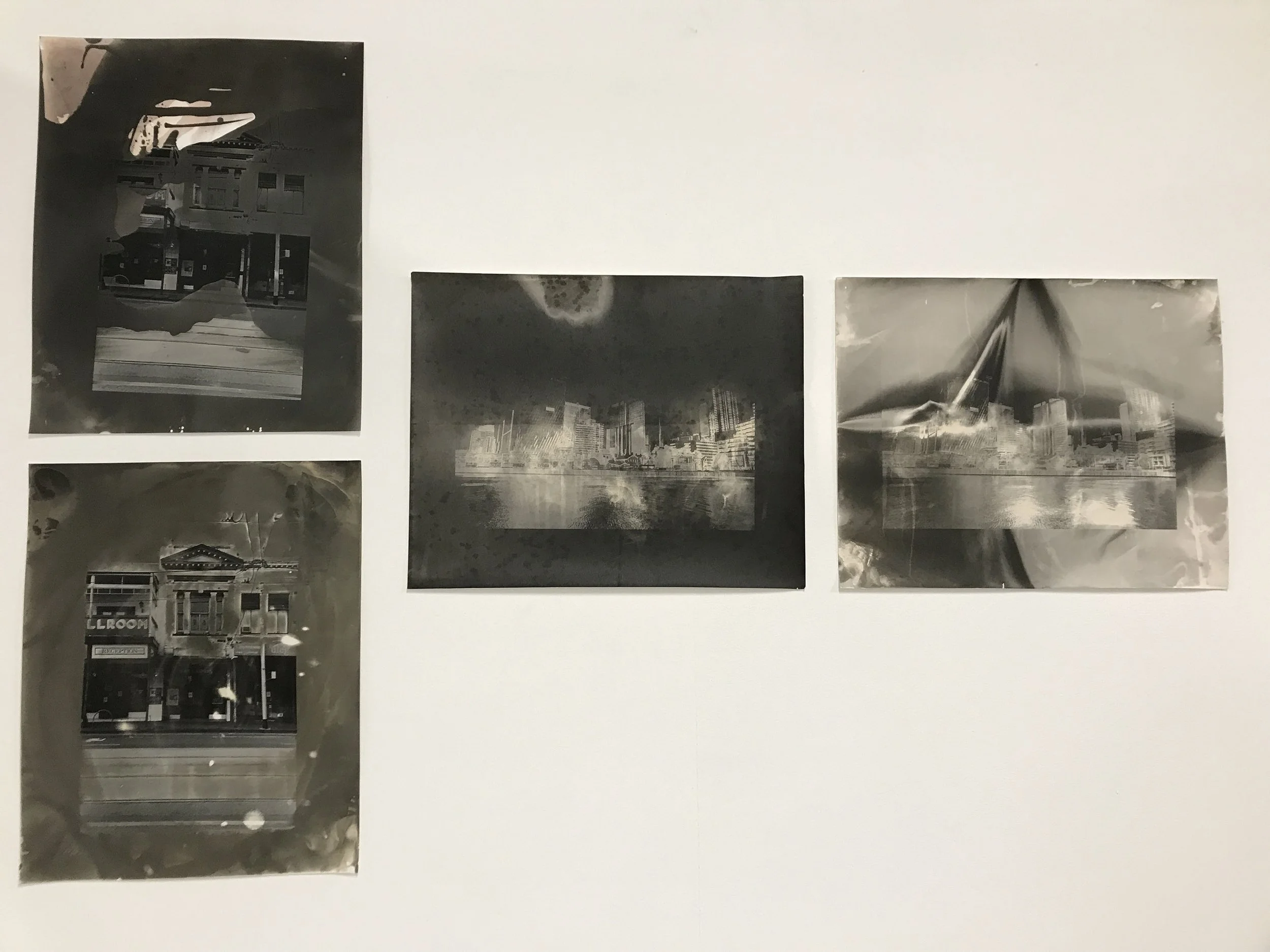
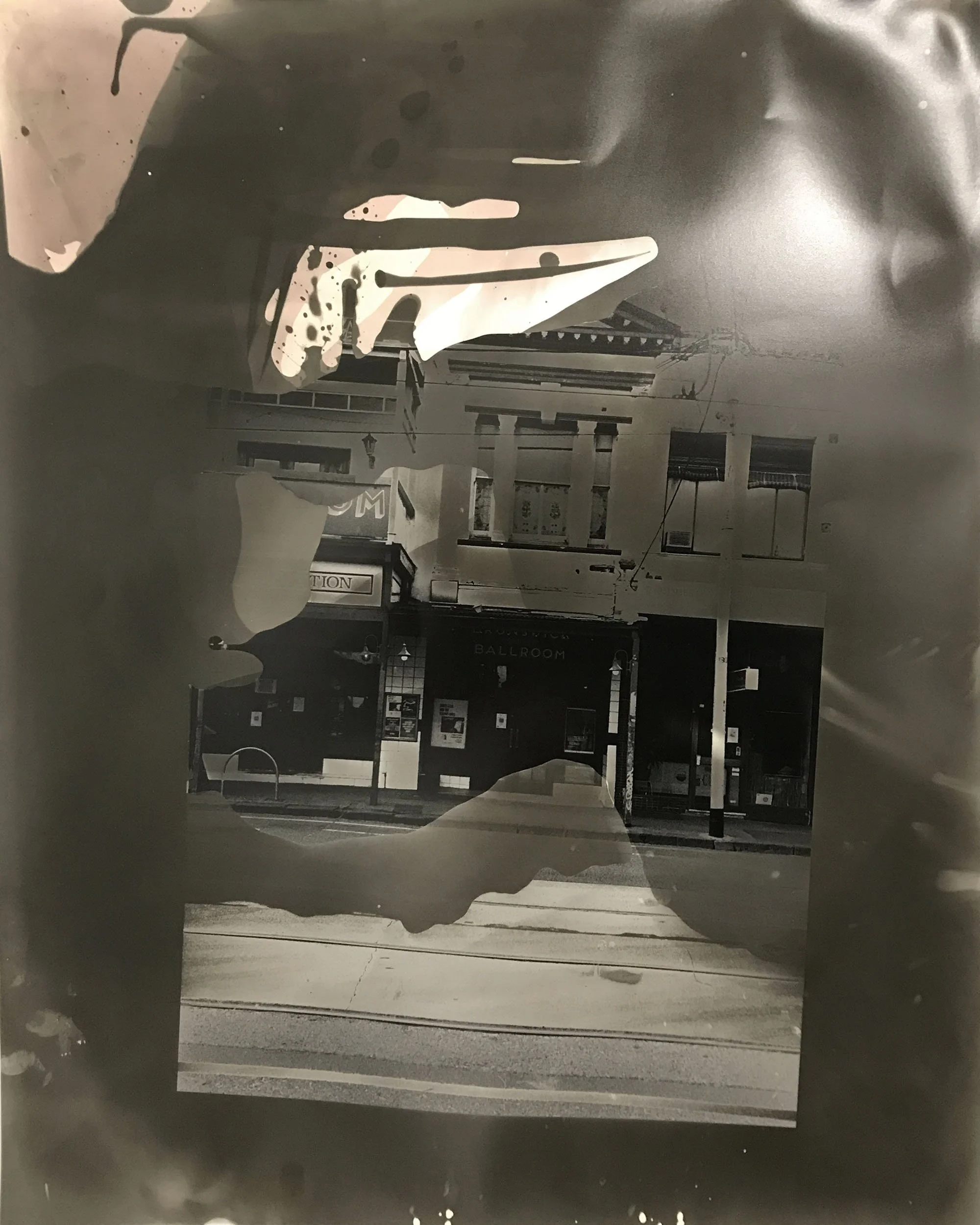
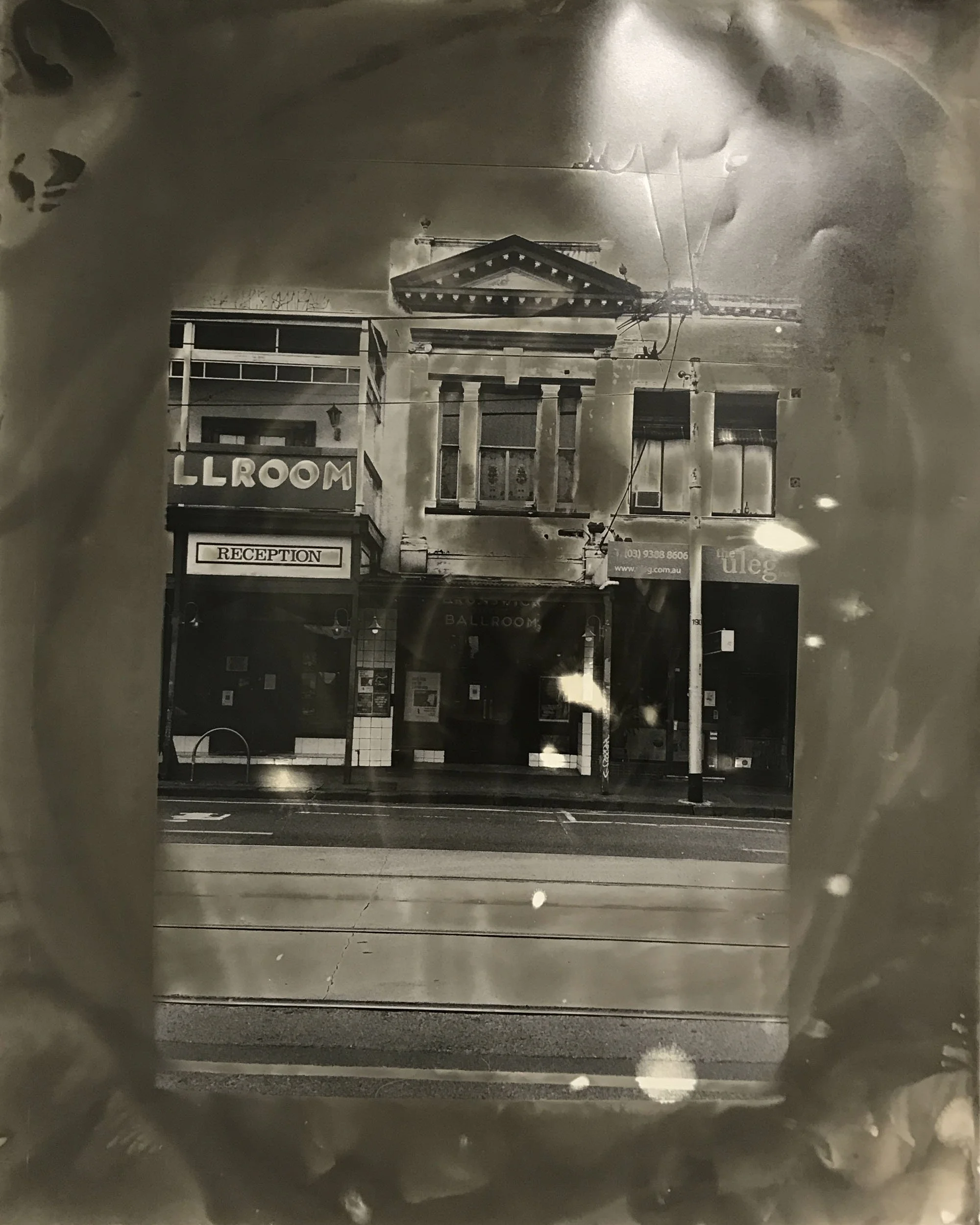
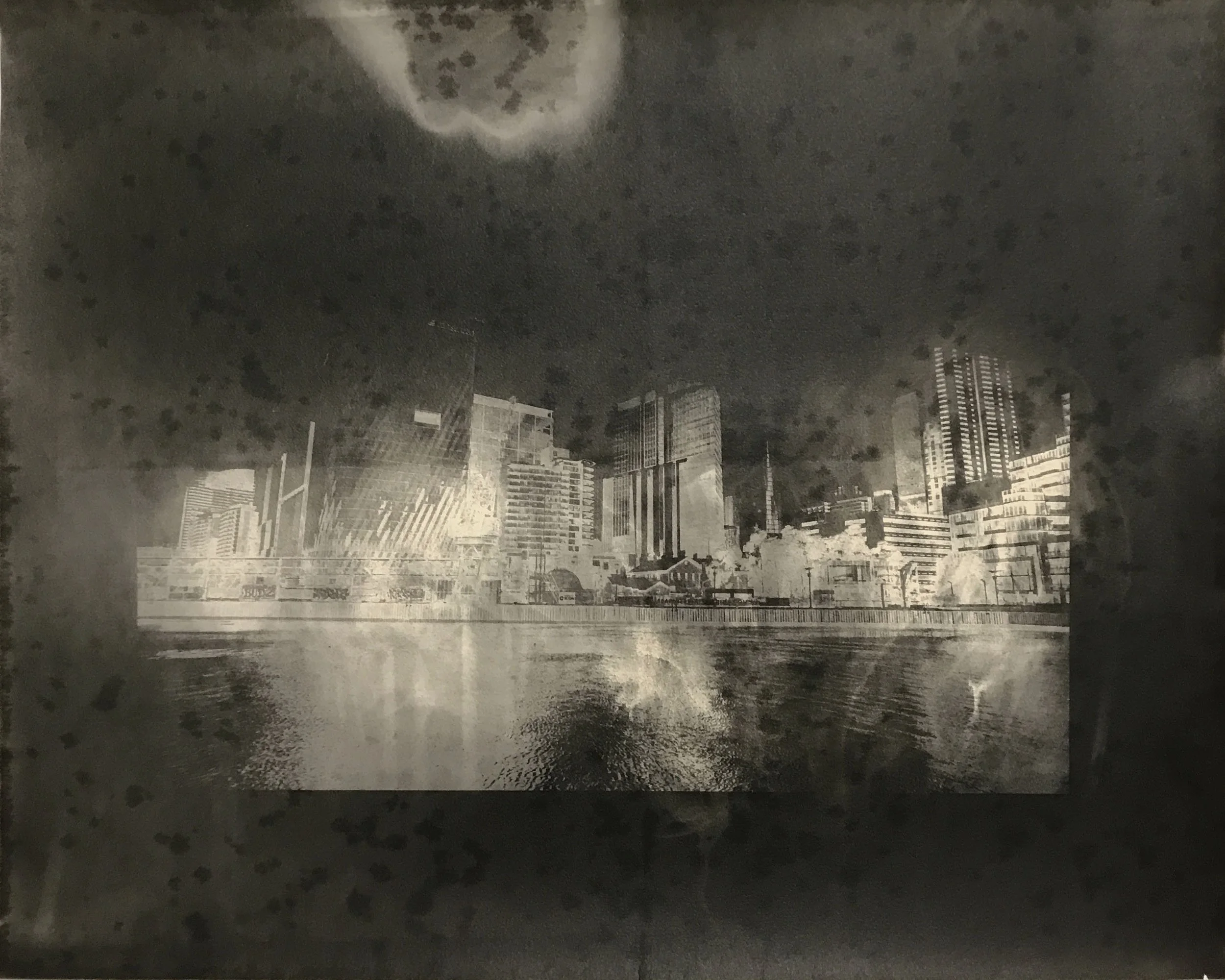
Wall installation
Wall installation concept
Create a large wall mural using alternative darkroom processing a) solarizing multiple exposures from different negatives, or b) printing a single roll of film of fractured and distorted images (including multi-exposures). The piece uses a single roll of gelatin silver paper (approximately 1200x20,000mm). Install floating off the wall in a “wave-like” display.
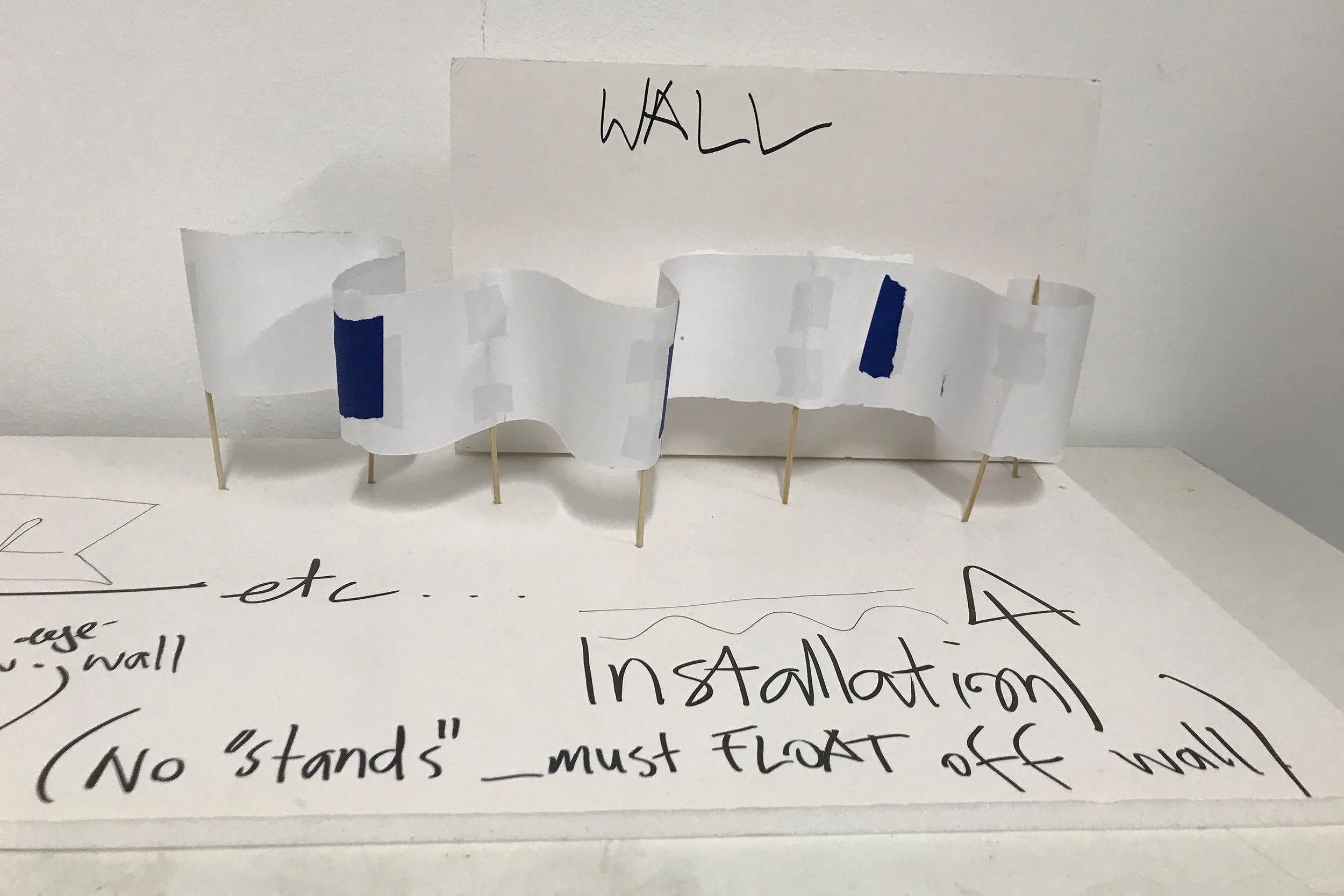
Figure 1. Installation mock-up (not to scale), 2022
Figure 2. In-camera multi-exposed negative strip, 2022.
Break the concept down:
What will I do?
How will I do it?
Why will I do it?
Why is it important to have the work floating “off” the wall?
What is the significance of the wave?
What is the academic theory that underpins this studio-based practice?
What has been the process for deciding on this installation method?
How has the project been developed prior to making it?
Keywords
Rhythm, Emotion, Perspective, Observation, Phenomenology, Ethnomethodology, Creative care, Generative photographic practice
Truth, actuality and fact
Whose truth and actuality?
What is the difference between fact, truth and the actual?
What is perfection?
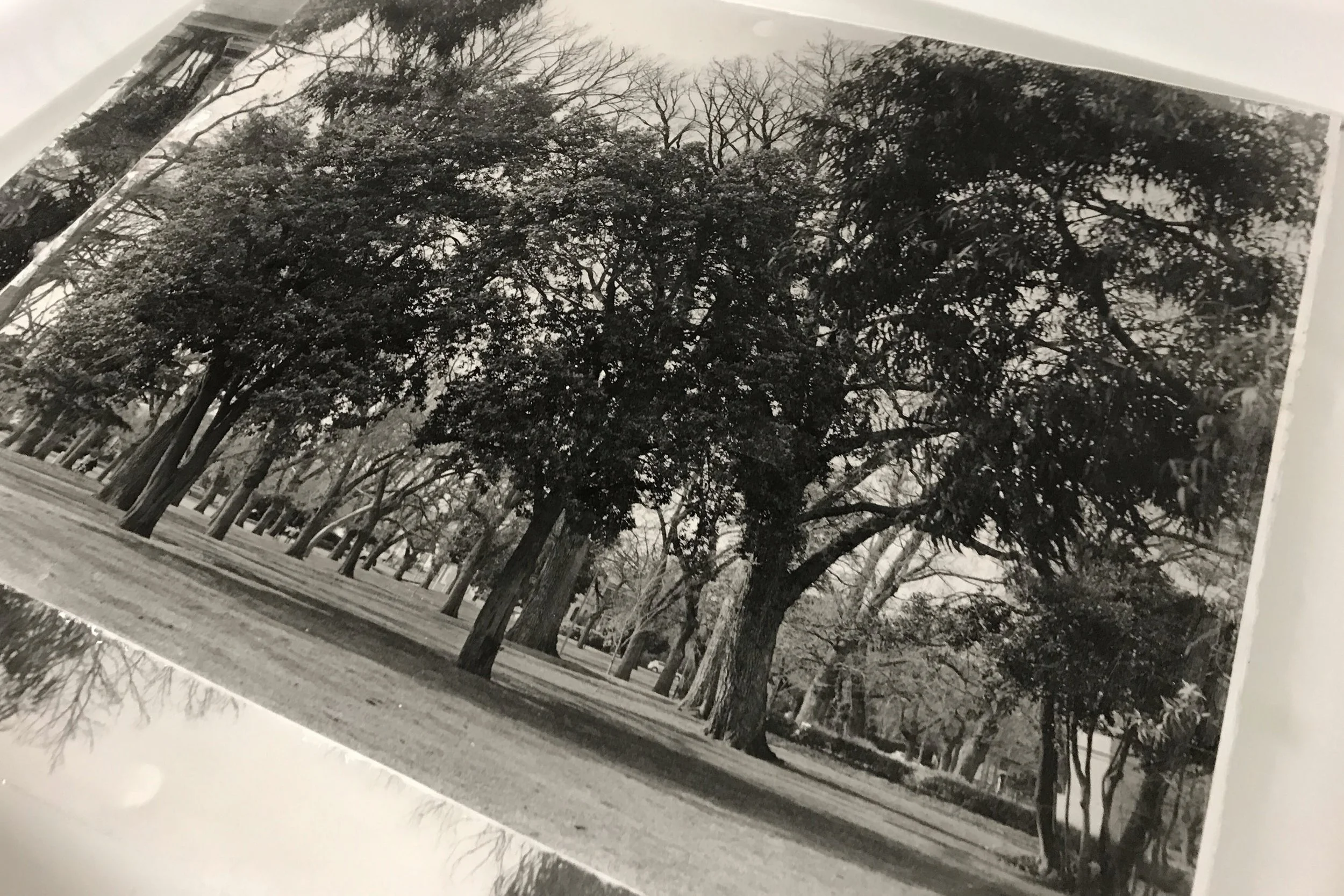
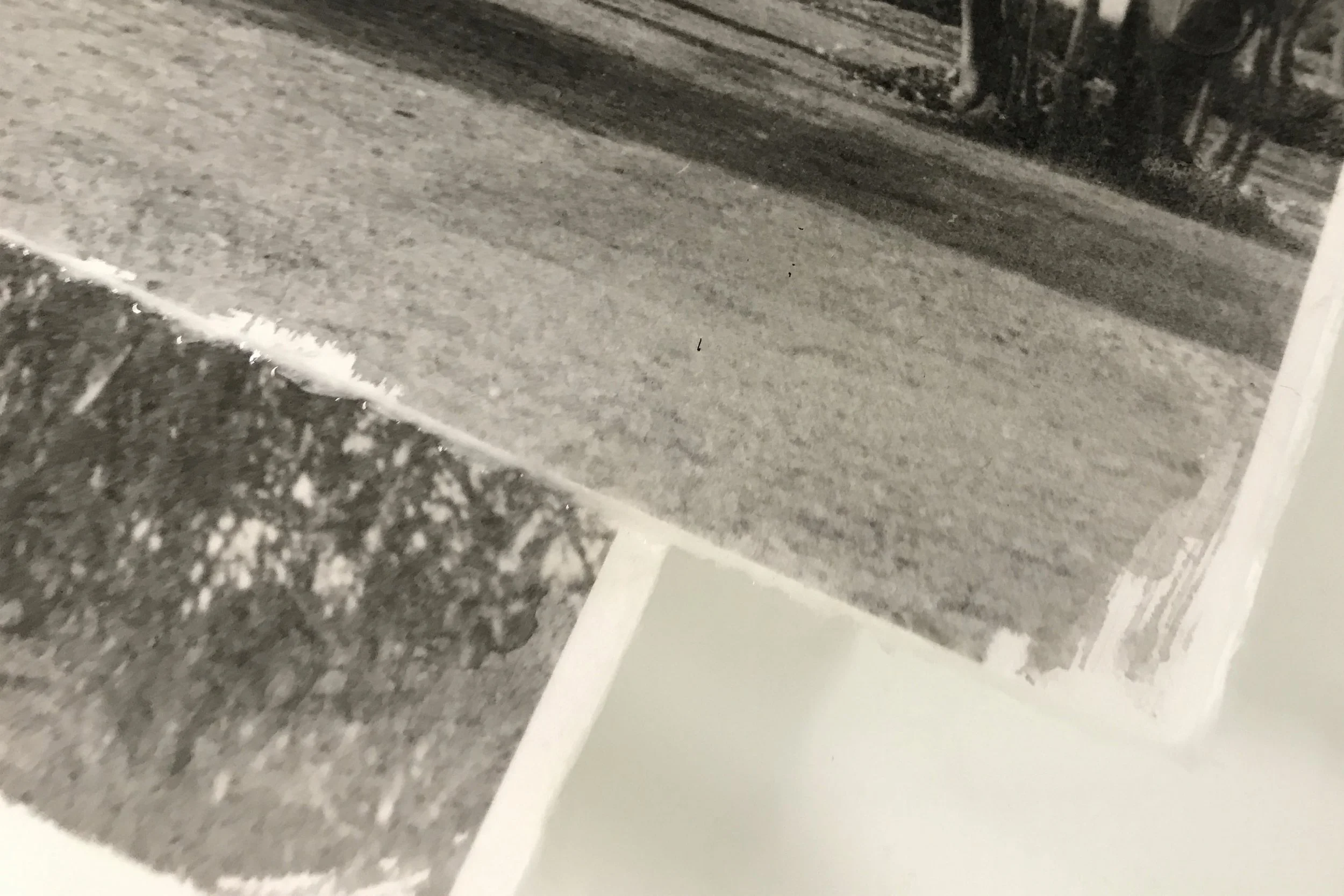
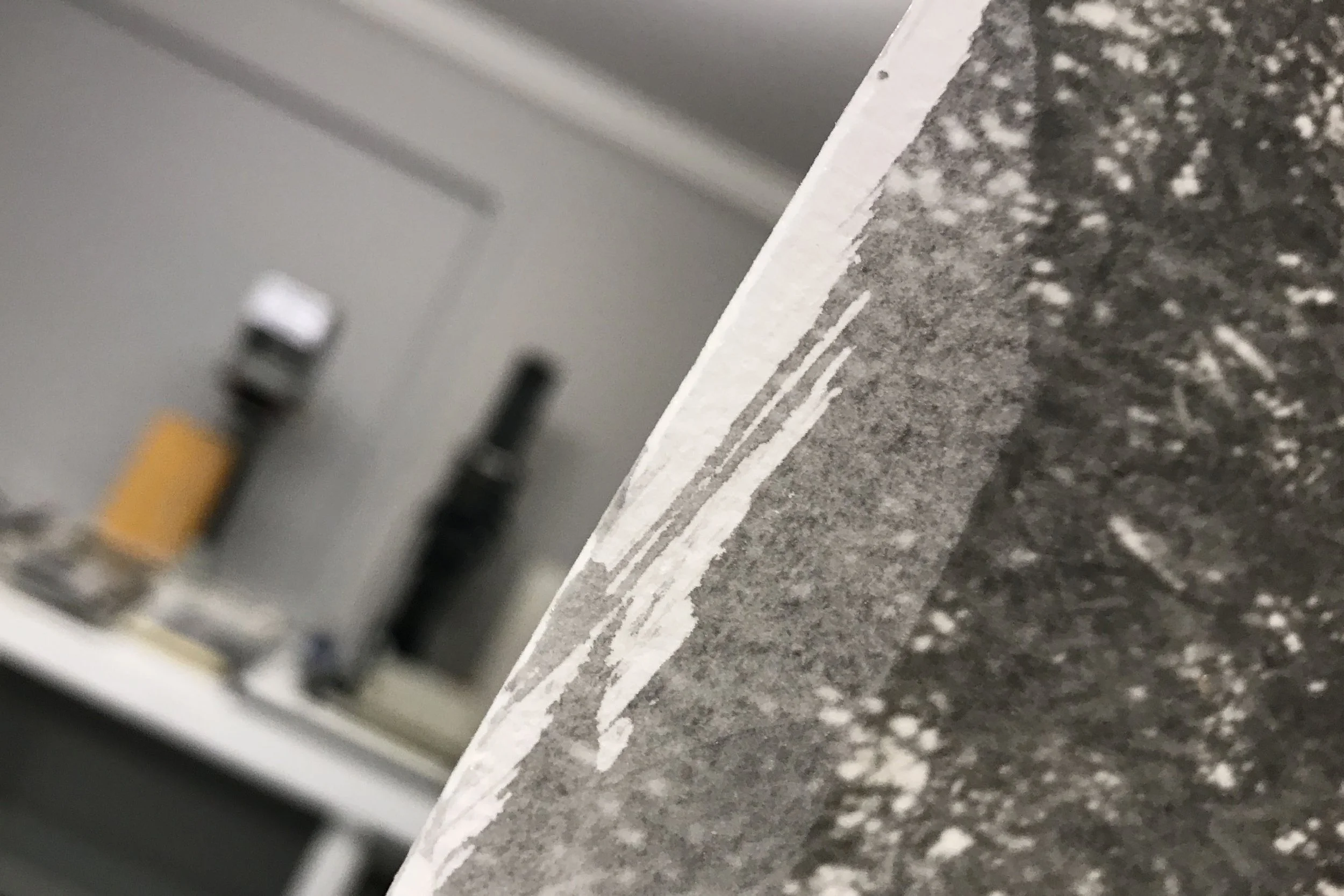
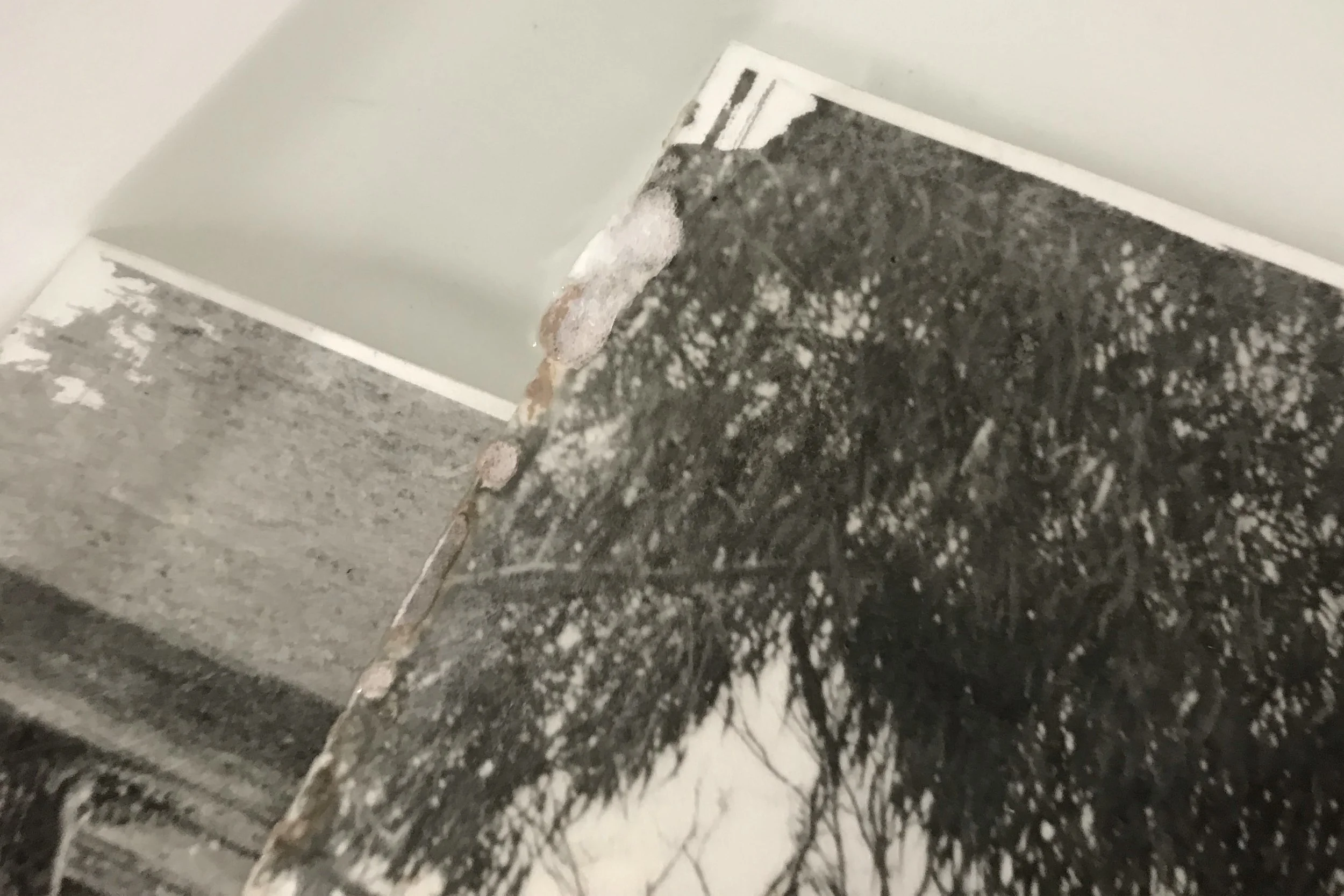
Exploring installation
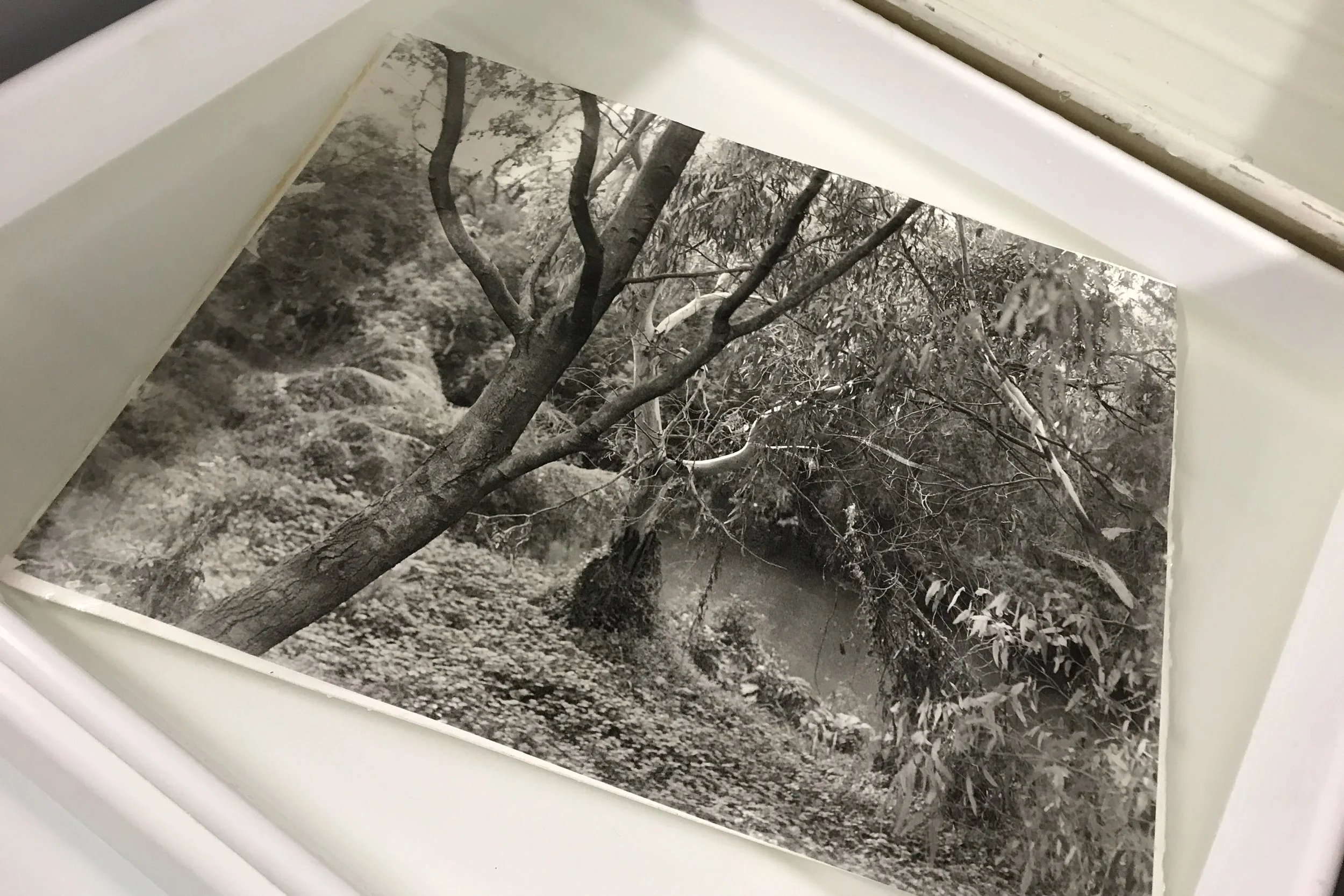
Notes and concepts: Using liquid emulsion on muslin would result in the image is visible on both sides although softer or fainter on the reverse (back). Use fabric sculpting solution to shape prints? Experiment with fabric sculpting on plain textiles. Test with the solution and with wire. Note that solution could be too expensive. Moreover, the liquid emulsion is now overpriced and only available from offshore suppliers. A possible option would be to make the liquid emulsion myself.
Tired alchemist and large format mishaps
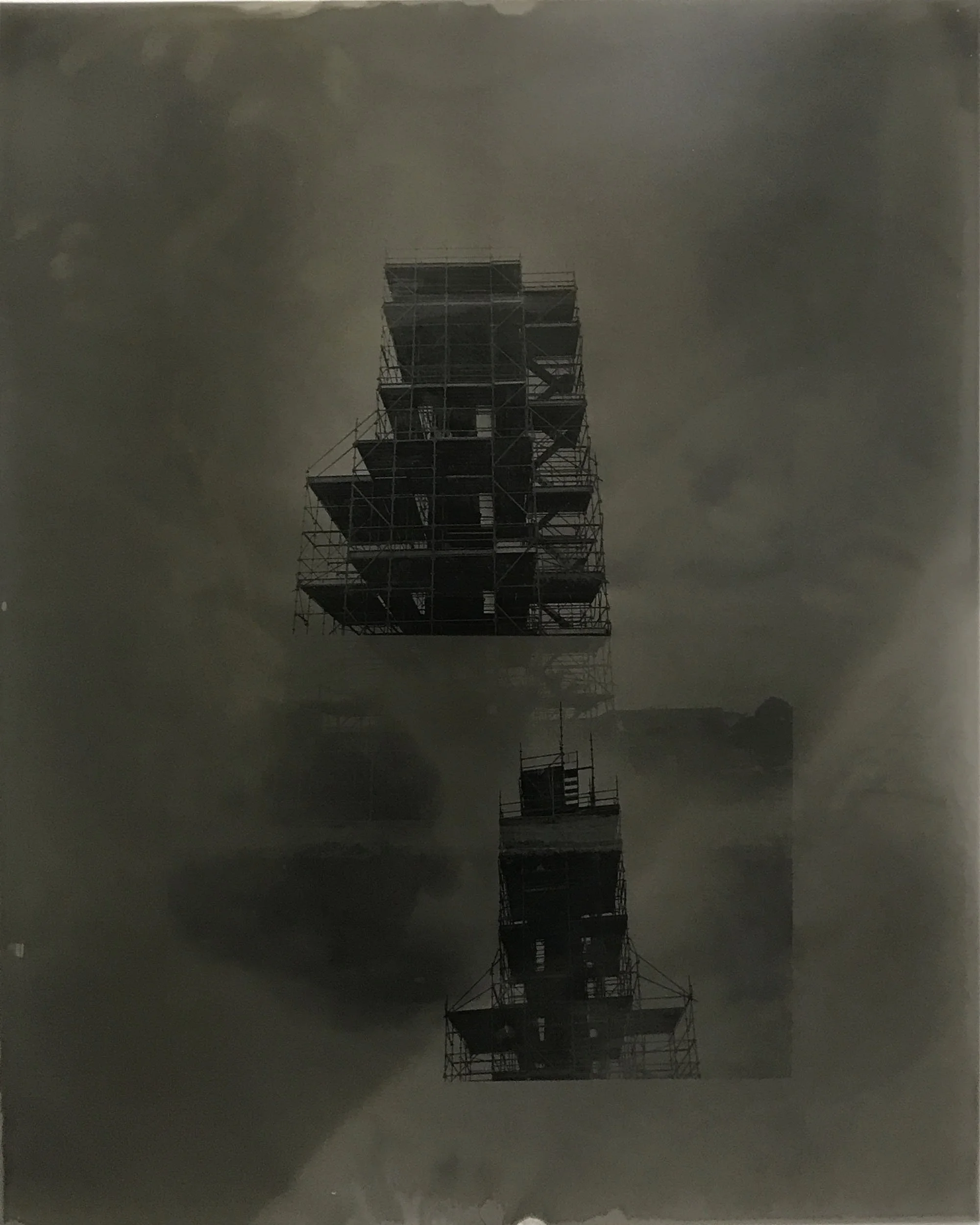
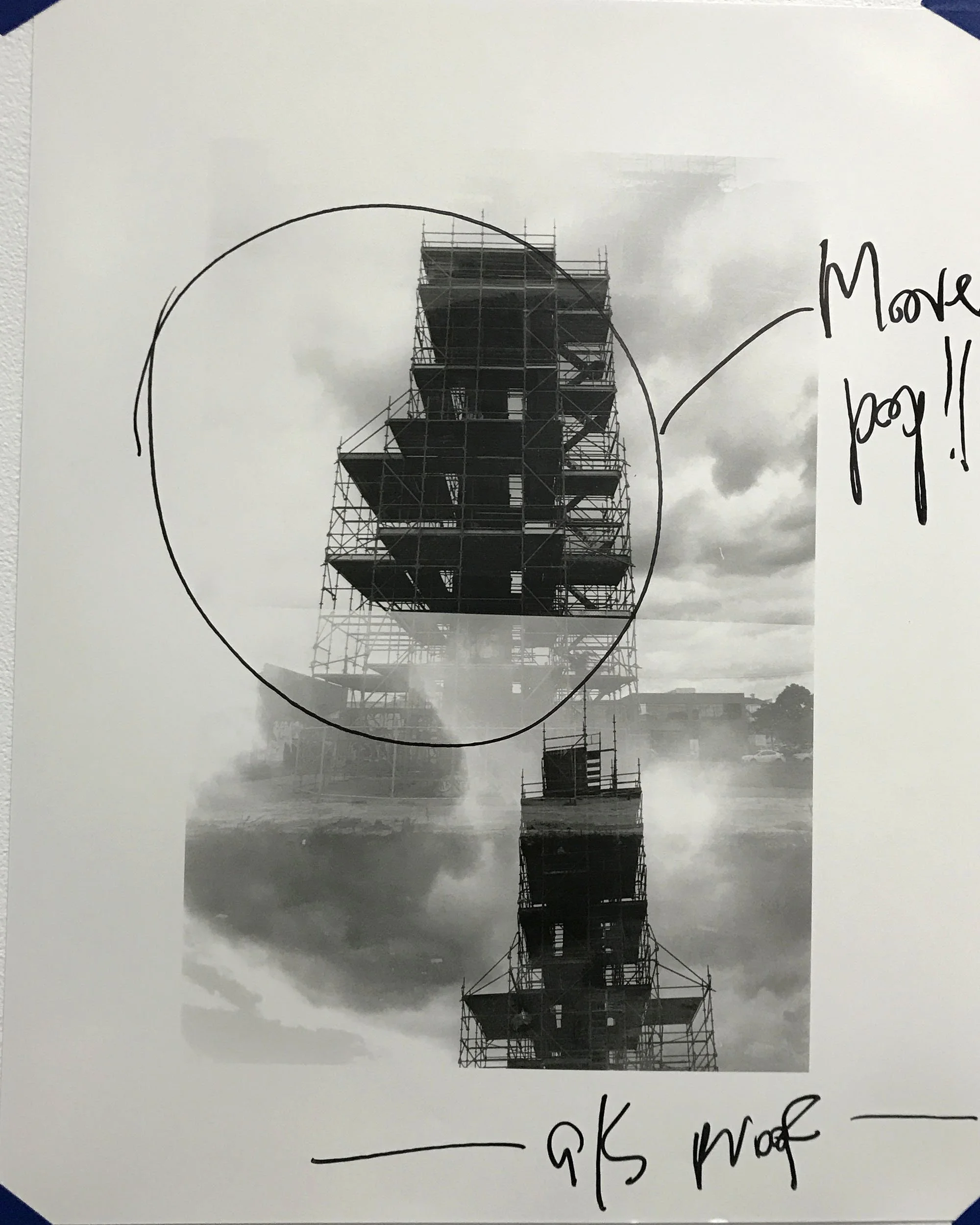
Too tired to play alchemist and lacking concentration, the lid came off the film dev tank twice during processing. Despite the massive light leaks, the exposure was excellent, which is encouraging. Rather than throw out the negatives exposed to excessive light during development, I continued with the process. The fades and streaks of light emerge, transforming a picturesque landscape photograph into a hauntingly evocative scene opening alternative modes of perception and observation.
Figure 1. Scan of original 4x5” negative accidentally exposed during the developing process, 2022
Figure 2. Scan of 4x5” original negative accidentally exposed during the developing process, 2022
Having worked in experimental film photography for six months, I need to get back to the basics of film photography to remind myself of the principle of the craft, that I am capable of making a beautiful exposure. In addition, film photography is a grounding experience where I feel calm, inspired and secure.
Figure 3. Yarra River, 2022, scan of original 4x5” negative capture with Graflex Speed Graphic (c.1940)
Figure 4. Bluestone drain, 2022, scan of original 4x5” negative capture with Graflex Speed Graphic (c.1940)
Figure 5. Fairfield paper mill, 2022, scan of original 4x5” negative capture with Graflex Speed Graphic (c.1940)
Keywords
Film photography, Serendipity, Graflex, Yarra River, Paper mill, Bluestone drain
Coercing colour
Native solarised unique gelatin silver paper three-day pinhole long exposure, captured with coffee can pinhole camera (Figure 1). The subject matter and size of the pinhole resulted in a flat image. The paper negative was treated with a diluted developer and solarised in an attempt to reveal and lift the image. The captured image disappeared while traces of time and place from the darkroom processes evolved (Figure 3).
Figure 1. Native solarised unique gelatin silver paper three day pinhole long exposure, 2022, 120x254mm
Figure 2. Notes on back of above gelatin silver print, 2022
Figure 3. Infinite void, 2022, digitally enhanced scan of solarised unique gelatin silver paper pinhole (three day) long exposure (Figure 1)
Keywords
Pinhole, Long exposure, Coercing colour
Long exposure pinhole
Like lumen prints, pinhole long exposures form directly on the gelatin silver paper (Figures 1). In fact, developing pinhole gelatin silver paper long exposures is likely to overexpose and obliterate the image. Further, as a photographer with a foundational generative practice, making the cameras, cutting the paper, composing and producing the exposures, and then developing the paper negatives is a complete and all-encompassing cycle. The pinholes are as much artwork as the images made of them. Consequently, pinhole photography epitomises the ‘evolving’ and ‘devolving’ Kintsugi and Wabi Sabi aesthetic, fostering serendipitous outcomes and ephemeral, captivating and hauntingly evocative images that question time and space while acknowledging the fragmented and displaced with newfound beauty.
Floating in D minor, 2022, digitally enhanced scan of solarised unique gelatin silver paper negative five-day pinhole exposure, original print size 140x150mm (approx)
Keywords
Long exposure, Pinhole, Solarise, Unique print, Gelatin silver, Experimental darkroom