
Camera installation
The first video is of an exhibition-style installation of cameras used and built to create projects for MFA Studio 1 , Assignment 2, the second shows experimenting with installation presentation of pinhole cameras constructed for the MFA Studio project.
Keywords
Studio 1, Camera installation, Lomography, Large format, 35mm, Pinhole, DIY pinhole
Bibliography
Damage, Zo. 2022. “Installation of cameras”. Zo Damage. June 17, 2022. YouTube video, 01:35. https://youtu.be/Coc8hPJ_ajM.
Preparing Gossard Space
Cleaning Gossard Space in preparation for installation of my mini project of displaying the cameras used, made and modified to create images for subsequent mini projects which include pinhole photography, 35mm photography, lomography, large format photography.
Keywords
Studio 1, Cleaning, Gossard, Assignment 2, Installation preparation
Bibliography
Damage, Zo. 2022. 2022. “Preparing Gossard”. Zo Damage. June 7, 2022. YouTube video, 01:35. https://youtu.be/cjecnOcVDH0.
Adams, Kandinsky and Barth on rhythm
Many artists practice, like my own, is significantly shaped or influenced by music. Ansel Adams used musical terms for these processes, characterising 'image management as 'the score' and value management as 'the performance'[1] (Latour 1998, 147). Visualisation is primary to my image making in all fields. It is inherent and, in contrast to Adams’, an intuitive process relying on instinct and “feeling”. As with Adams, Kandinsky applies musical terminology to his art practice, as evident in the ‘Composition’ series. Kandinsky writes:
“Every work of art comes into being in the same way as the cosmos by means of catastrophes, which ultimately create out of the cacophony of the various instruments that symphony we call the music of the spheres […] The very word composition called forth in me an inner vibration. Subsequently, I made it my aim in life to paint a ‘composition’” (Dabrowski 1995, 10).
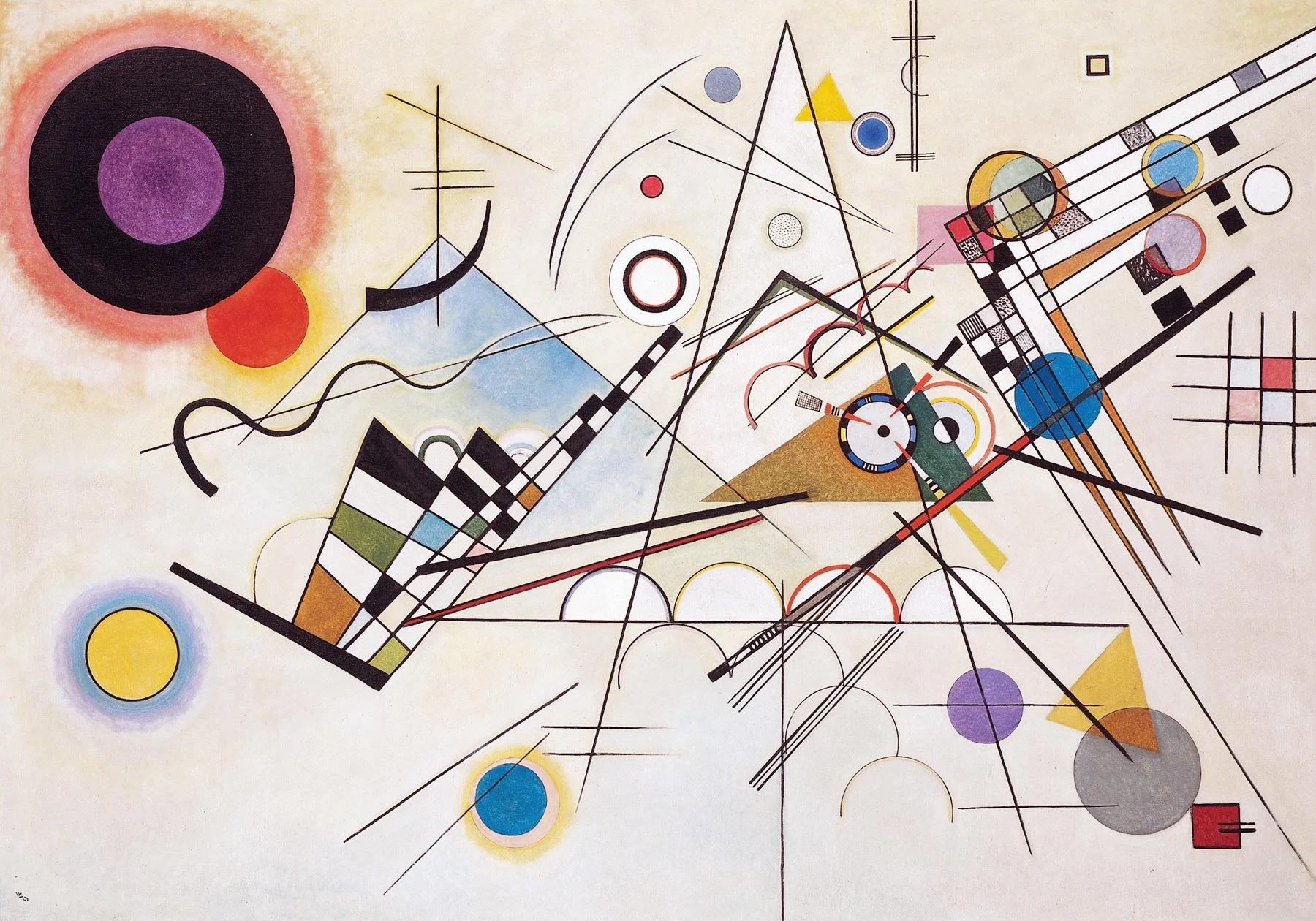
Wassily Kandinsky, Composition VIII, 1923, oil on canvas, 1400x2010mm
Similarly, contemporary photographer Uta Barth explores perception, attempting to ask questions about vision, photographing sound, non-space and in-betweens (Henkin 2015). Barth discusses how rhythm connects to and resonates through her photographic practice, from agitating developing trays to the mindful layout of a photography book (ibid). The statement also reveals the significance of an apparatus-based approach to Barth’s practice.
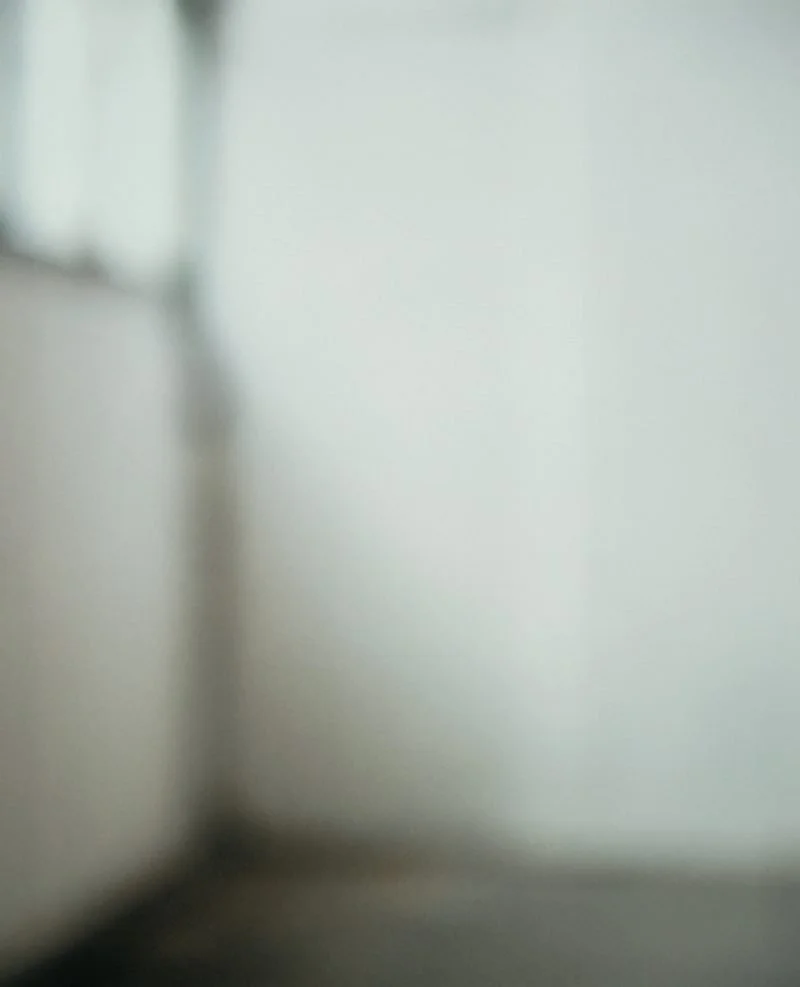
Uta Barth, Ground #30, 1994, chromogenic print on panel; 559x457mm
Ou et al. (2004, 232) assert, "[Colour] evokes various emotional feelings such as excitement, energy, and calmness. These feelings, evoked by either colours or colour combinations, are called colour emotions."
Keywords
Music, Art, Colour, Kandinsky, Adams, Barth, Zone system, Visualisation
Footnotes
Ansel Adams’ visualisation theory comprised two processes, a) 'image management' relating to 'point of view and the optical and camera-adjustment control of the image up to the moment of exposure', and b) 'value management' relating to exposure and development of the negative providing 'information for the expressive print'.
Bibliography
Barth, Uta. 1994. Ground #30. Image. https://utabarth.net/work/ground/#image-3.
Dabrowski, Magdalena. 1995. “Kandinsky Compositions: The Music of the Spheres.” MoMA 19: 10–13. http://www.jstor.org/stable/4381285.
Henkin, Lauren. 2015. "Artists On Rhythm: Uta Barth". Tilted Arc. http://www.tilted-arc.com/2015/01/27/artists-on-rhythm-uta-barth/nggallery/thumbnails.
Kandinsky, Wassily. 1923. Composition VIII. Image. https://www.wassilykandinsky.net/work-50.php.
Latour, Ira H. 1998. "Ansel Adams, The Zone System And The California School Of Fine Arts". History Of Photography 22 (2): 147-154. doi:10.1080/03087298.1998.10443870.
Ou, Li-Chen, M. Ronnier Luo, Andrée Woodcock, and Angela Wright. 2004. "A Study Of Colour Emotion And Colour Preference. Part I: Colour Emotions For Single Colours". Color Research & Application 29 (3): 232-240. doi:10.1002/col.20010.
Slideshow with soundscape
Raul Sanchez[1] and I collaborated in composing a soundscape (Damage and Sanchez 2022) comprised exclusively of recordings of my analogue photographic processes to accompany a display of images I have created for Studio 1. Sanchez made the recordings in situ, resampling and mixing the material in his studio. Contemplating Wabi Sabi' sound', I have edited the soundscape and embedded it into a slideshow of random images created for my Studio 1 projects. Titled Exposure (Damage and Sanchez 2022), the composition reflects the 'evolving' and 'devolving' Wabi Sabi aesthetic, transforming 'process' into music to further challenge the 'photographic index'[2] while exploring modes of representing and iterating 'musical emotion', perception and observational awareness of the photographer's presence and intention in the image (Berger 1972, 10).
Footnotes
Sanchez is a founding member of Melbourne rock band Magic Dirt, solo artist, sound artist and recording engineer.
“Photography is indexical insofar as the represented object is ‘imprinted’ by light and the chemical (or electronic) process on the image, creating a visual likeness that possesses a degree of accuracy and ‘truthfulness’ unattainable in purely iconic signs such as painting, drawing, or sculpture.” (Sadowski 2011)
According to Sanchez, the Kontakt is “a plugin sampler that can vary the pitch, and length etc, of the sounds to create a variety of Virtual Instruments”.
Keywords
Studio 1, Wabi Sabi, Sound, Soundscape, Slideshow, Raul Sanchez, Sound art
Bibliography
Berger, John. 1972. Ways of Seeing. Penguin Books
Damage, Zo. 2022. 2022. “Slideshow with soundscape 2”. Zo Damage. June 7, 2022. YouTube video, 02:57. https://youtu.be/3ek06V-vqWU.
Damage, Zo, and Raul Sanchez. 2022. Exposure. Online soundtrack. https://zed-oh.com/mfa-journal/exposure-soundtrack.
Sadowski, Piotr. 2011. “The Iconic Indexicality Of Photography”. John Benjamins Publishing Catalog. https://benjamins.com/catalog/ill.10.20sad.
Sanchez, Raul. 2022. Experimental music. Email.
Live music venue accountability
Considering the conduct of many owners of live music venues during the pandemic, my research extends to how and when pubs and live music venues became 'the scene' over and above the music. The topic is vast and extends to a culture that exploits artists (and subsequently patrons and fans) and funding opportunities under the veil of supporting live music creative sectors.
To illustrate, many venues receive grant funding to pay artists guarantees with no adequate mechanisms to ensure accountability on part of the grant recipients. Artists are still being stiffed, and in cases such as this, so are taxpayers, music fans and the live music creative sectors as a whole.
Keywords
Music culture, Venues, Artists, Accountability
Making pinhole cameras in isolation 2
I have struggled reading having a lack of clarity in my thought processes due to being Covid positive. Making the most of my time in isolation I finished constructing an iPhone 7 box, a gift box and Fluevog shoe box pinhole cameras to use with paper negatives. Test exposures were captured on the balcony.
Figure 1a. Scanned test exposure paper negative captured with iPhone 7 box pinhole camera, 2022
Figure 1b. Scanned iPhone 7 box pinhole camera test exposure (Figure 1) notes, 2022
Figure 1c. Digital positive of scanned test exposure paper negative captured with iPhone 7 box pinhole camera (Figure 1), 2022
Figure 2a. Scanned test exposure paper negative captured with Fluevog shoe box pinhole camera, 2022
Figure 2b. Scanned Fluevog shoe box pinhole camera test exposure notes, 2022
Figure 2c. Digital positive of scanned test exposure paper negative captured with Fluevog shoe box pinhole camera, 2022
Figure 3a. Scanned test exposure paper negative captured with gift box pinhole camera, 2022
Figure 3b. Scanned test exposure captured with gift box pinhole camera notes, 2022
Figure 3c. Digital positive of scanned test exposure paper negative captured with gift box pinhole camera, 2022
Keywords
Pinhole photography, Handcrafted cameras, Test exposures, iPhone 7 box, Gift box, Fluevog shoe box, MFA, Studio 1
Making pinhole cameras in isolation 1
Several pinhole cameras were constructed during isolation after testing positive for Covid. The pinhole cameras used for the project hold paper negatives with a slow exposure rating (ISO3–ISO6), requiring prolonged exposure times [1]. Exposures were made from the balcony as it was the only available source of natural light bright enough to capture a clean image and test the cameras for light leaks and correct pinhole size.
Testing iPhone box pinhole camera
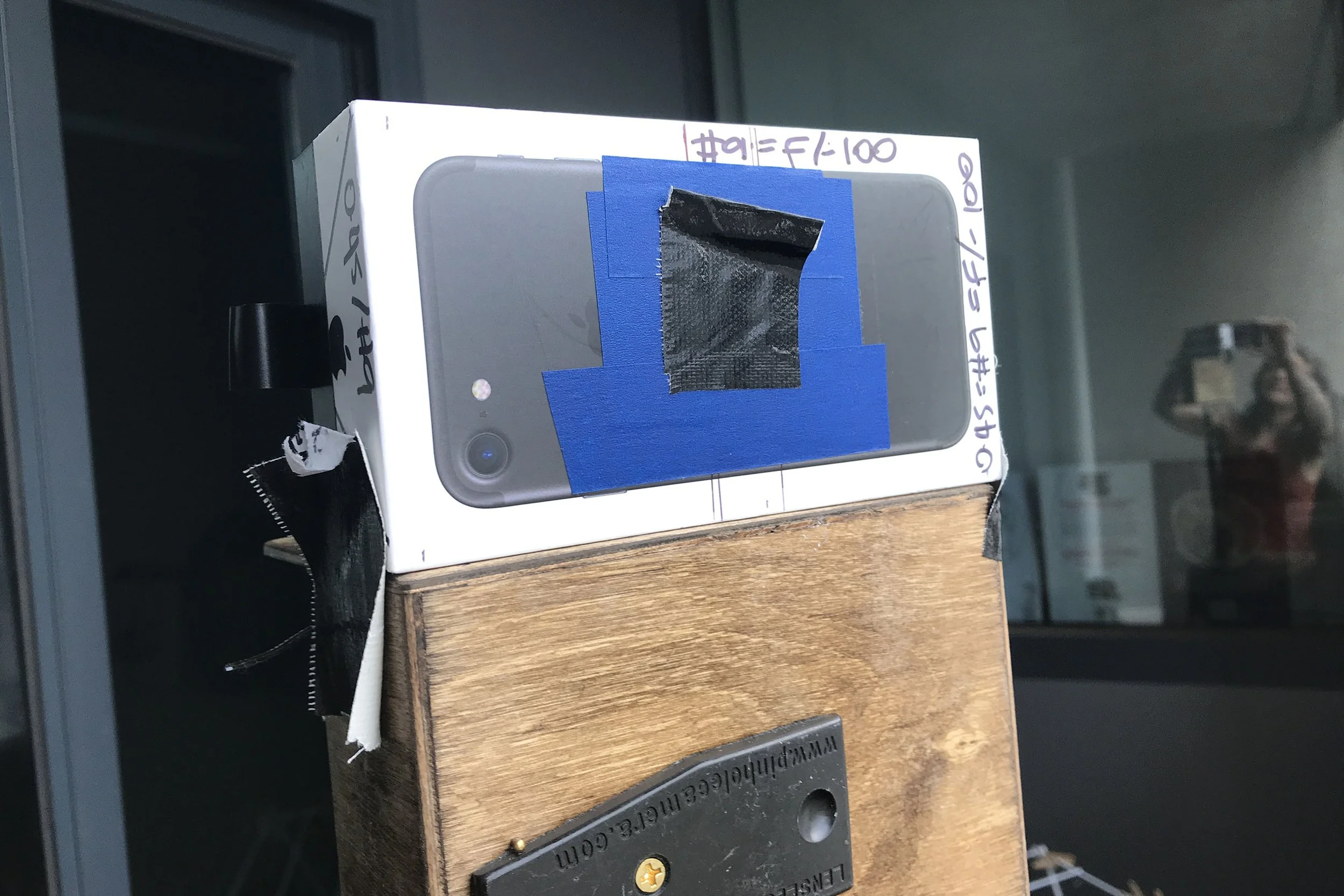
Figure 1. Capturing test exposure with handcrafted iPhone pinhole camera, 2022
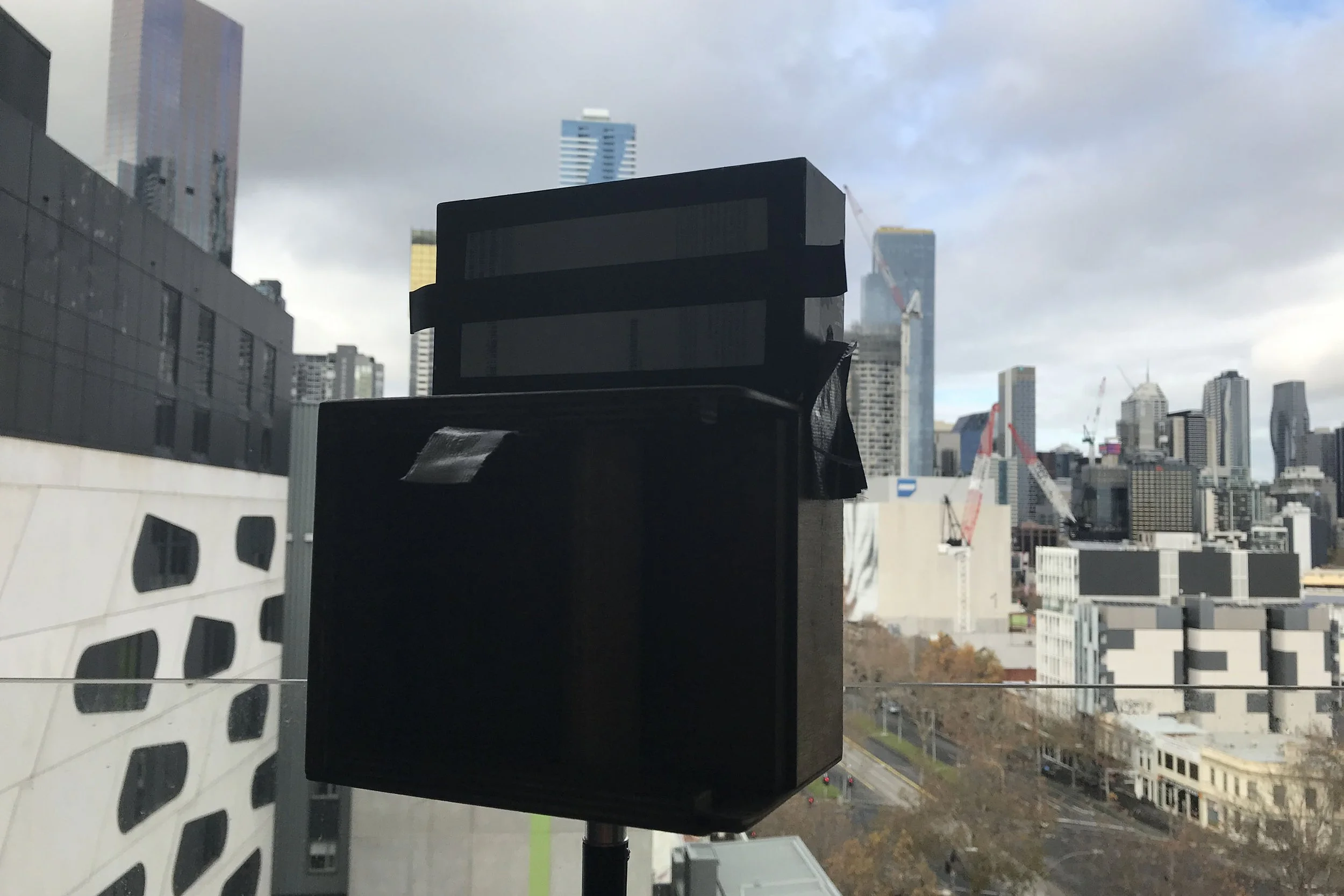
Figure 2. Capturing test exposure with handcrafted iPhone pinhole camera, 2022
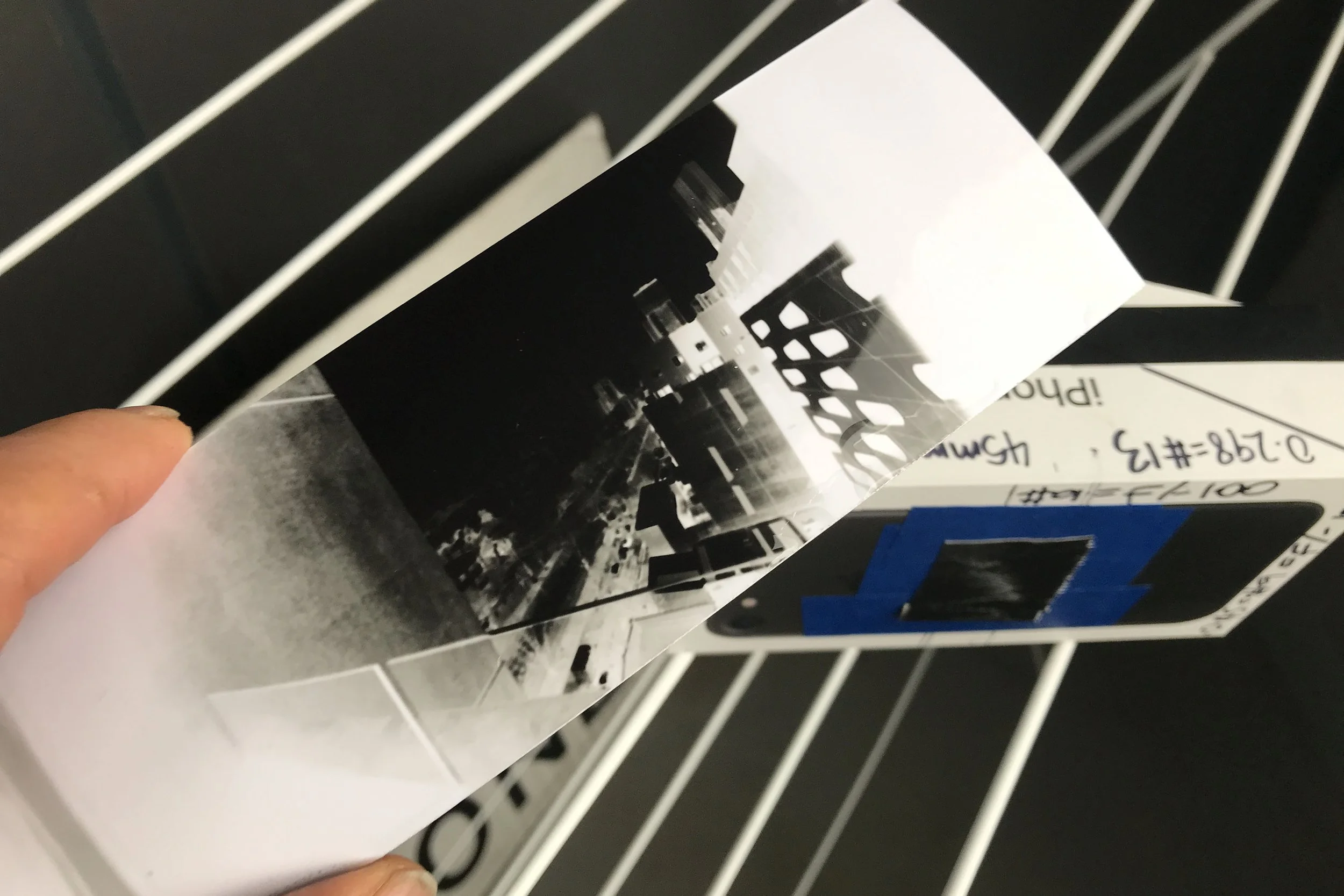
Figure 3. Paper negative test exposure captured on handcrafted iPhone pinhole camera, 2022
Shoebox pinhole camera
Completing construction of a shoebox pinhole camera in isolation.
Keywords
Studio 1, Isolation project, DIY, Pinhole
Bibliography
Damage, Zo. 2022. “Making a shoe box pinhole camera.” Zo Damage. June 7, 2022. YouTube video, 01:08. https://youtu.be/-Krpv6InQaE.
Interdisciplinary group tutorial 2
Being in isolation due to testing positive for Covid, Gabe and the tech team have generously agreed to help with printing and installing physical works to show for my group tutorial.
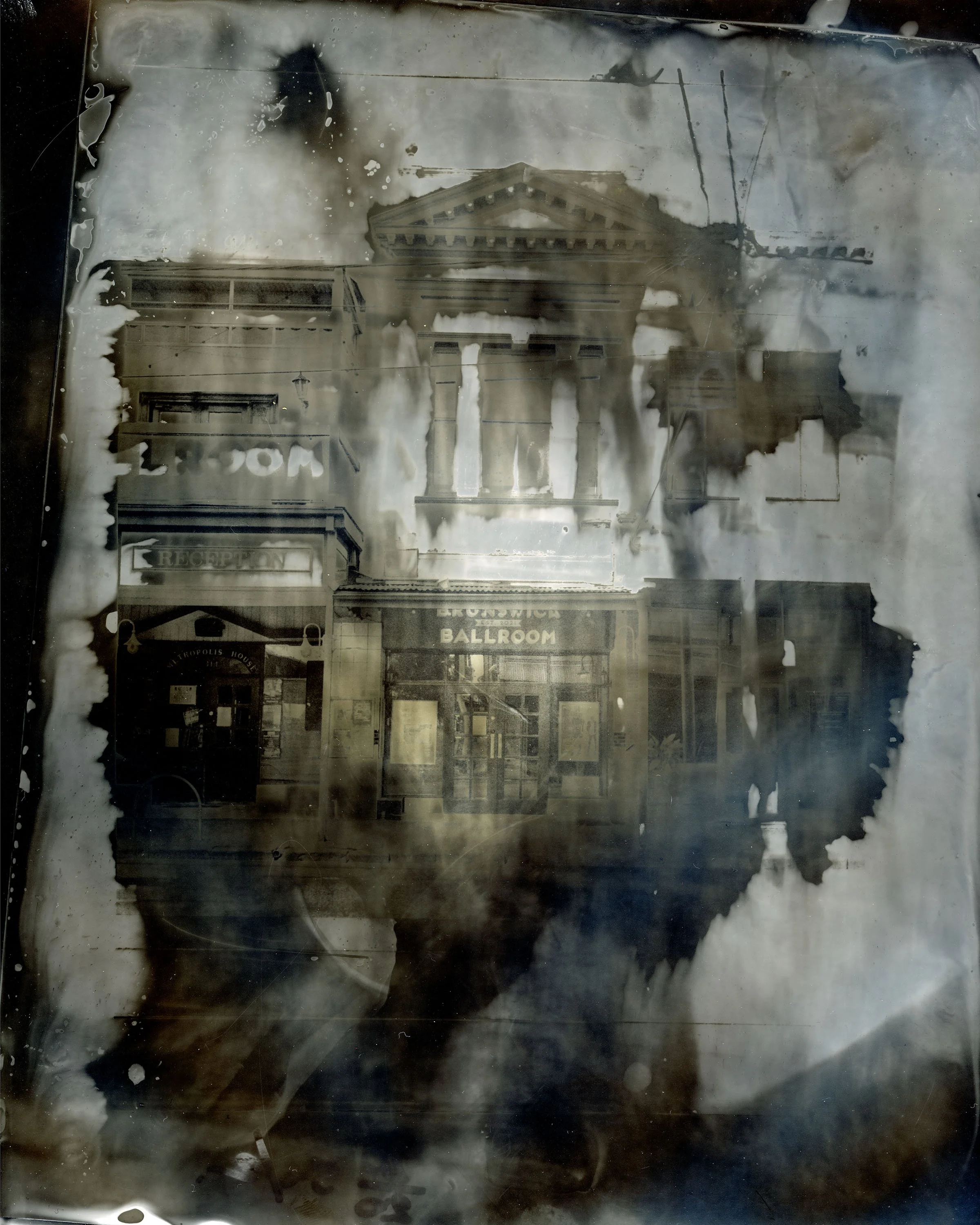
Figure 3. Across a synapse, 2022, unique gelatin silver print on paper, 8x10” (203x254mm)
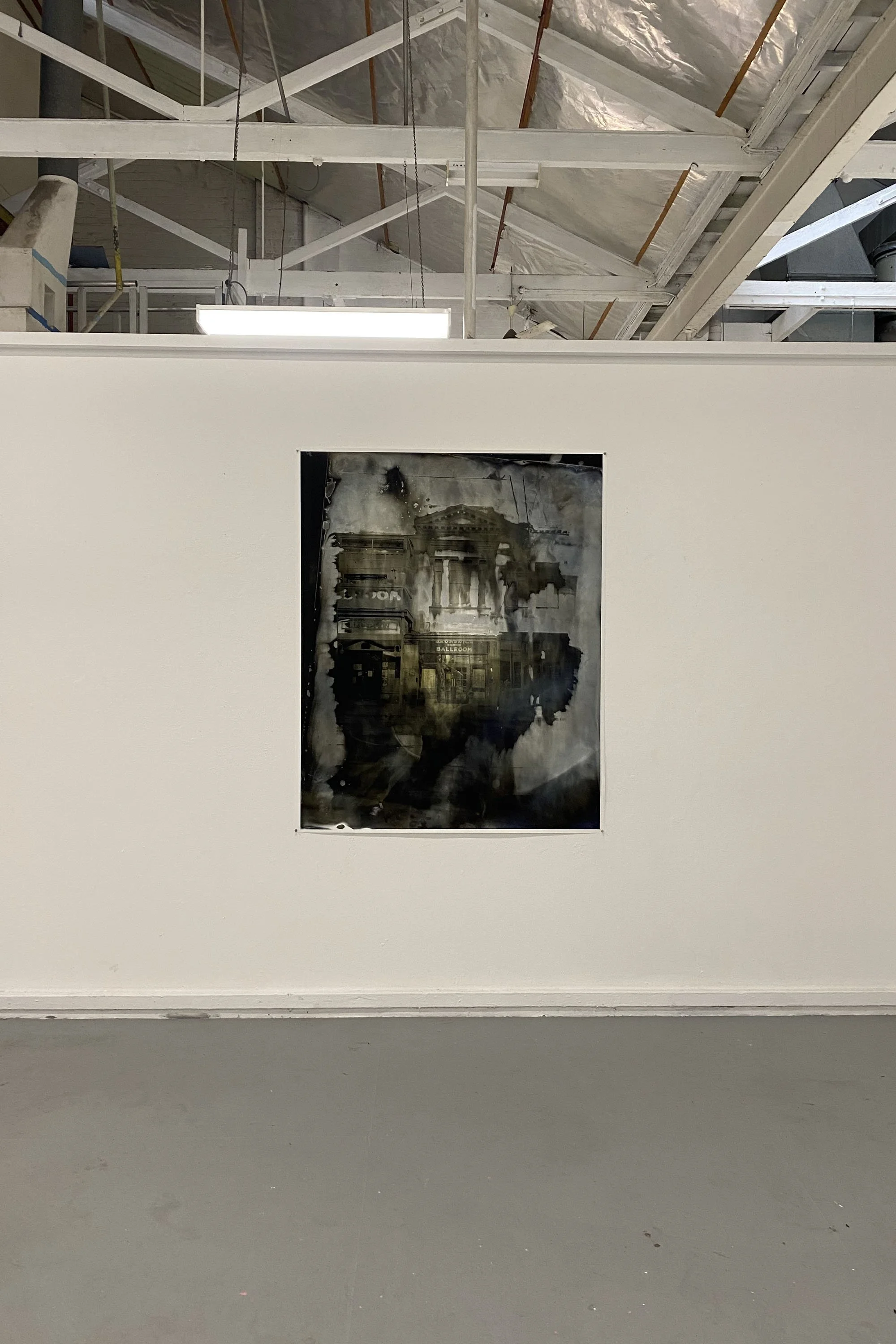
Figure 1. Across a synapse,1200x1500mm archival pigment print from scan of original 8x10” (203x254mm) unique gelatin silver print on paper, 2022 installation view. Photo by Faiza Rezai, 2022
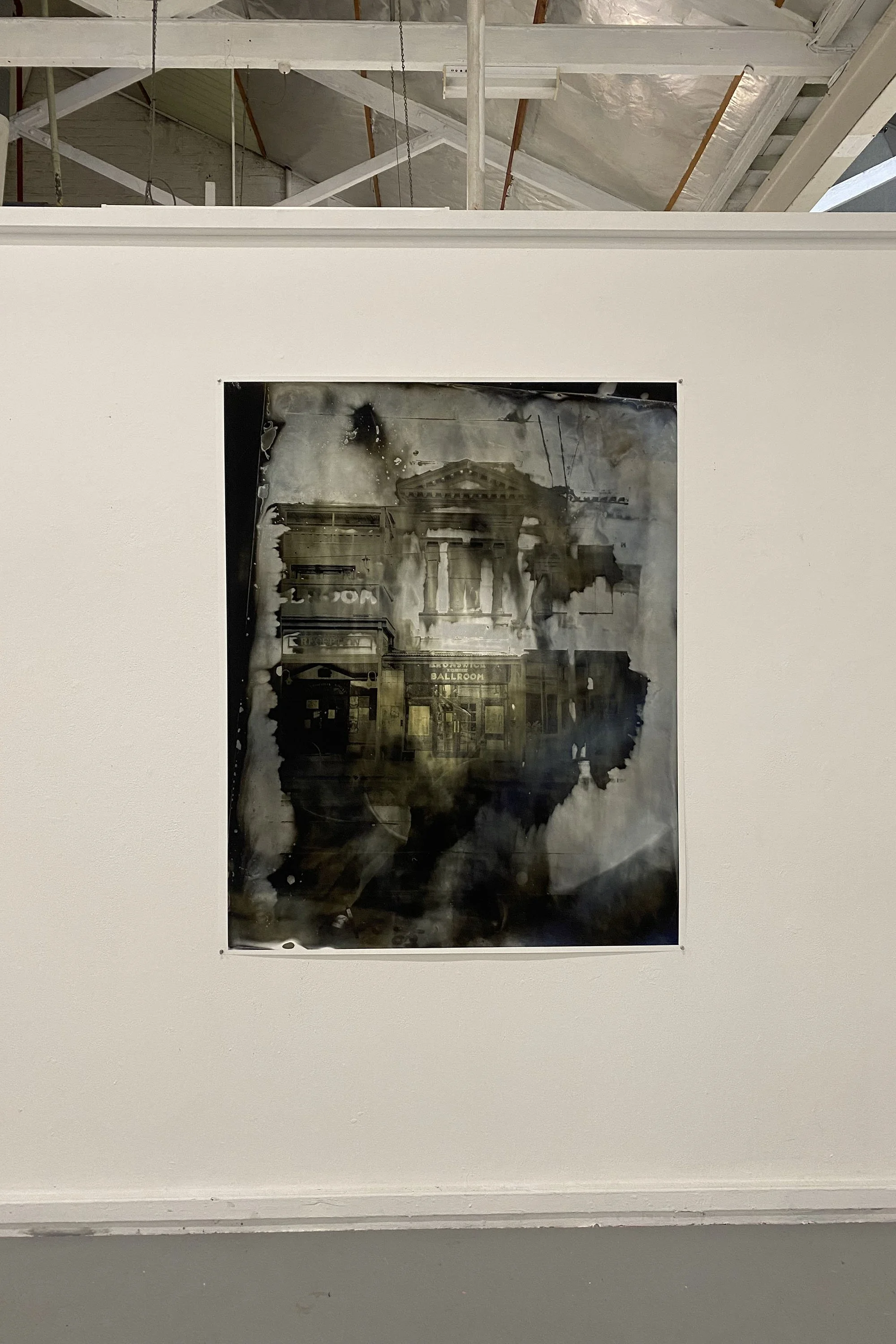
Figure 2. Across a synapse,1200x1500mm archival pigment print from scan of original 8x10” (203x254mm) unique gelatin silver print on paper, 2022 installation view. Photo by Faiza Rezai, 2022
Definitions
Synapse (noun)
“A gap between two nerve cells, across which impulses pass by diffusion of a neurotransmitter.” (Concise Oxford English Dictionary 2008, 1460)
Keywords
Surrealism, Darkroom, Solarise, Unique gelatin silver print, Wabi-Sabi, Minor chords, Melancholy, Group crit, Studio 1
Bibliography
Concise Oxford English Dictionary. 2008. 11th ed. New York: Oxford University Press.
S1 A1 reflection
Feedback
Zo, you've done more experimentation than we have actually engaged with in our 3 conversations to date. The previous work is not so relevant to this report and I vote we leave this behind, for now, we don't need to make new work in relation to those projects. I think the paint experiments are better than you think they are, and actually, I am interested in digging them out for our next discussion, as well as the work you are currently doing! I have made a comment on the frisson theory, this may or may not be relevant going forward, but the term is not so specific as your reference would have it. I think slowing down is really key at present. I can appreciate that you have already completed a Masters and that you are quite a fast thinker. But, we are not in any hurry and we have nothing to prove.
Response
It seems I have misunderstood a few things regarding previous work, which I see as a positive moving forward. More than happy to let that work go and second your vote. Some of the painting experiments have been thrown out. Some not. I'll dig out what I kept for our next meeting. I have a long way to go with embracing slowing down Dom, although I am improving. There is always something to prove to myself.
Reflection
Although there has been valuable guidance and advice, I feel that I am not only grossly misunderstood but also underestimated and deserve better than ‘commencing’ in the rubric. As stated in my interview for the MFA, I have no interest in 'exploring' new modes of making. Further, my interests are expanding on my generative art practice and continued investigation of how rhythm and energy manifest in the creative process and visual iteration of frissons. Notably, this now extends to studying how apparatus-based practice (analogue photography and experimental darkroom) can serve as a means of communication and self-expression that transgresses written and spoken language for the artist and challenge the indexicality, tropes, and traditional notions of what a photograph should be. Consequently, I am questioning how much of what was discussed in my meeting has been considered or taken on board by the university and whether I should continue my study in the MFA or reassess the program structure and move into Studio 3.
Submission
My initial experiments[1] created for the Master of Fine Art program included introducing unfamiliar elements into my practice, such as painting (Figures 1 and 2). At the time, I felt the results to be unsatisfactory failing to reflect or iterate the frissons I experience when listing to music and making and viewing art, but more my frustration in working with the medium. Printmaking artefacts (Figure 3) and abstract film photography (Figure 4) were also used to make photogravure prints on various substrates (Figures 3–5). Although the traces and movement in the artefacts and abstract photography were captivating, offering a potential representation of physical and psychological networks that receive and interpret auditory and visual stimuli, which manifest tangibly as frissons. As with the painting, I was not satisfied with the prints outcomes, representation, or overall aesthetic and have chosen not to work with these visual concepts as they feel forced and cliché. Additional experiments painting ink on tracing paper (Figures 6 and 7) and mixed media montages were made, but as with the methods outlined above, did not result in successful outcomes and have thus not been pursued.
Figure 1. Untitled 2022, mixed media on cardboard, 420x590mm
Figure 2. Untitled, 2022, acrylic on foam-core, 297x420mm
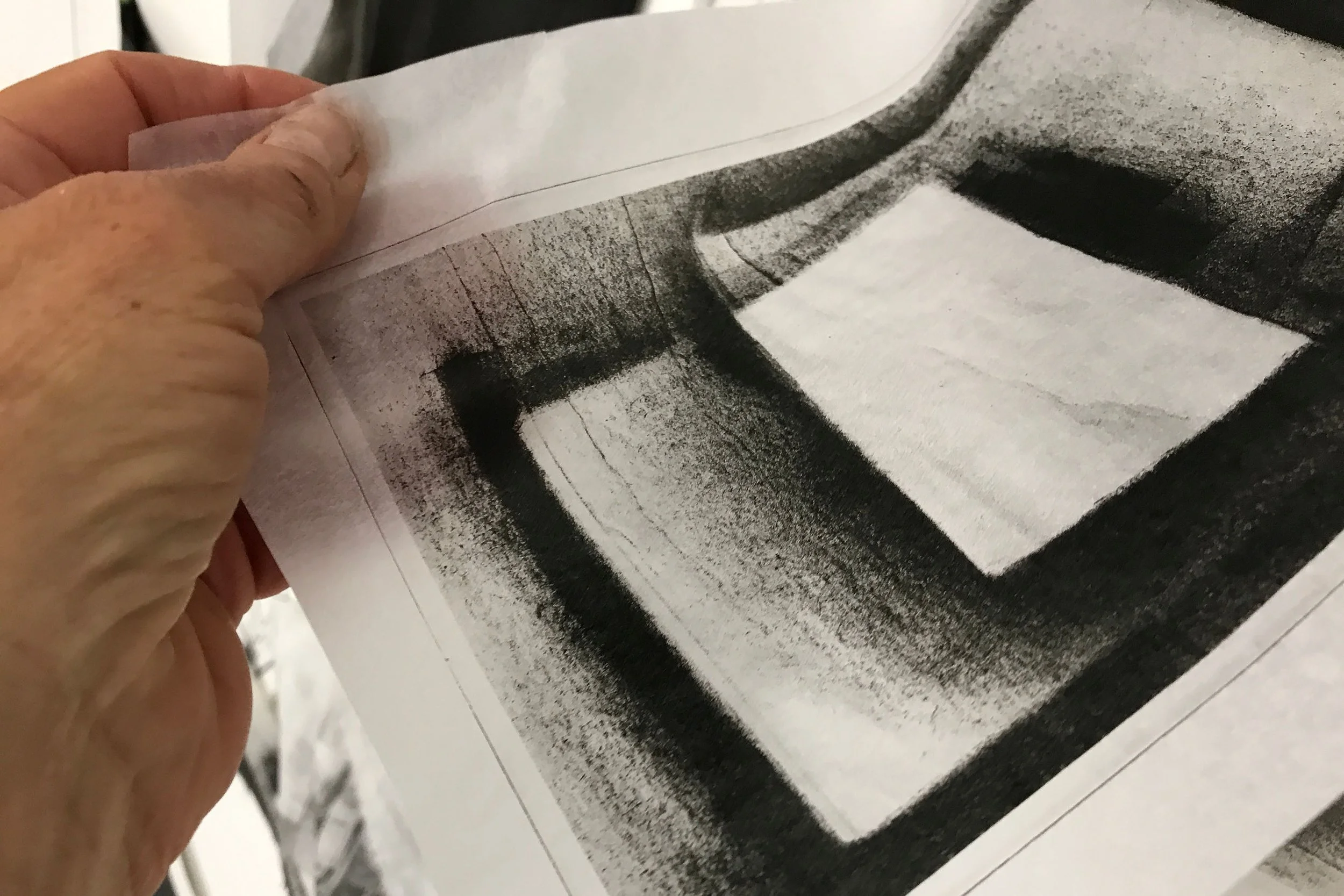
Figure 3. Untitled, 2022, photogravure on linen, plate size 148x210mm
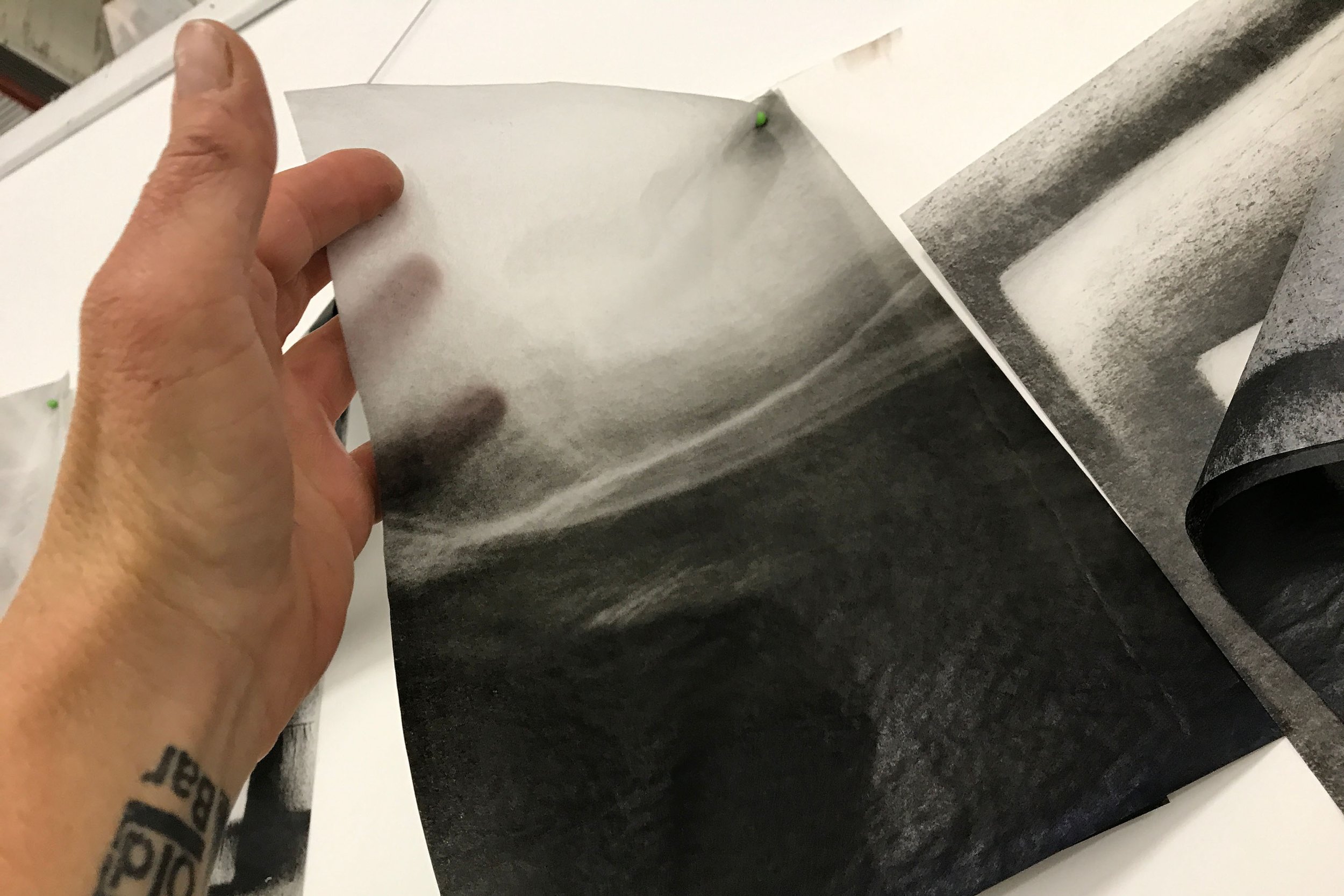
Figure 4. Untitled, 2022, photogravure on tissue paper, plate size 210x297mm
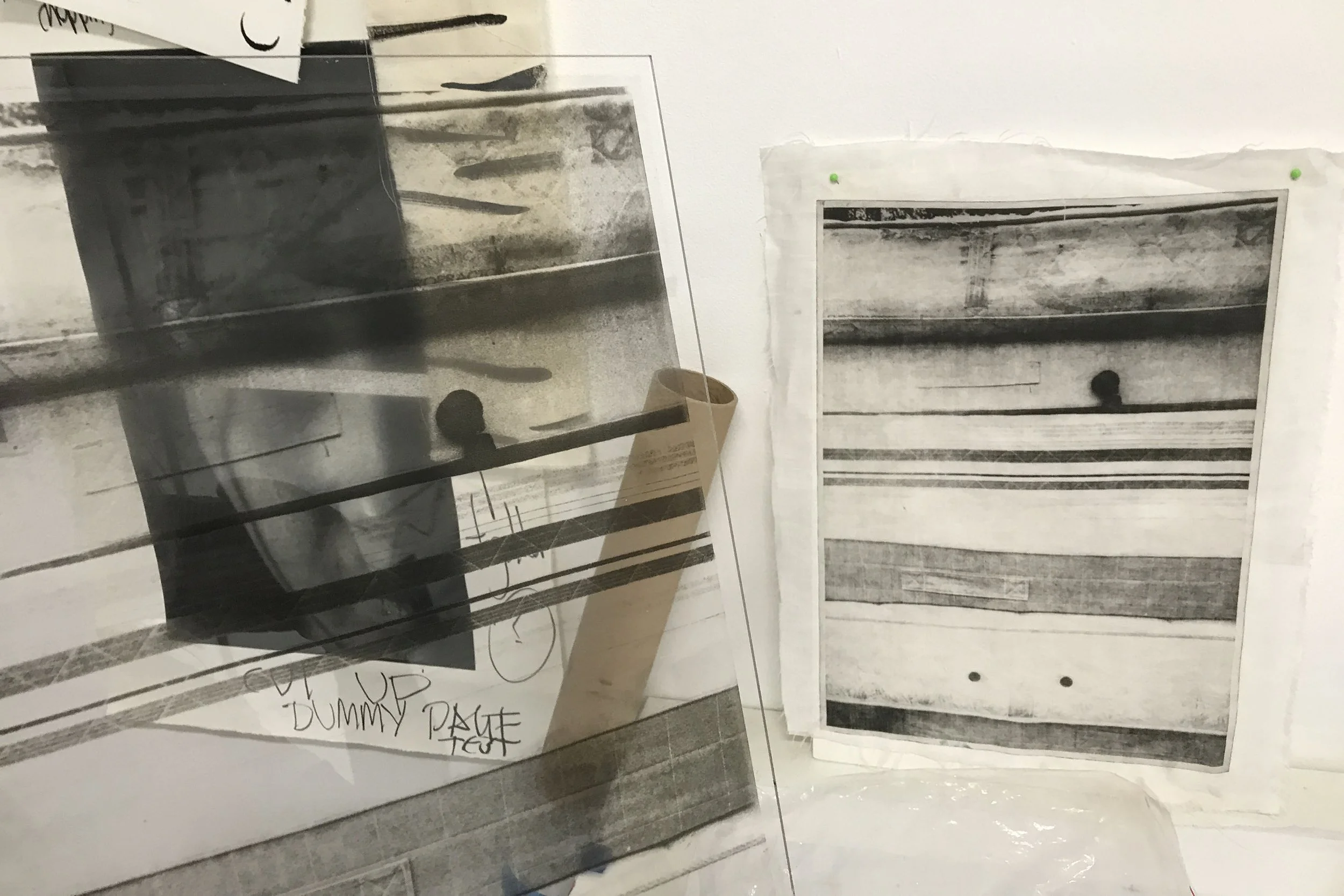
Figure 5. Untitled, 2022, photogravure on 3mm acetate, plate size 297x420mm
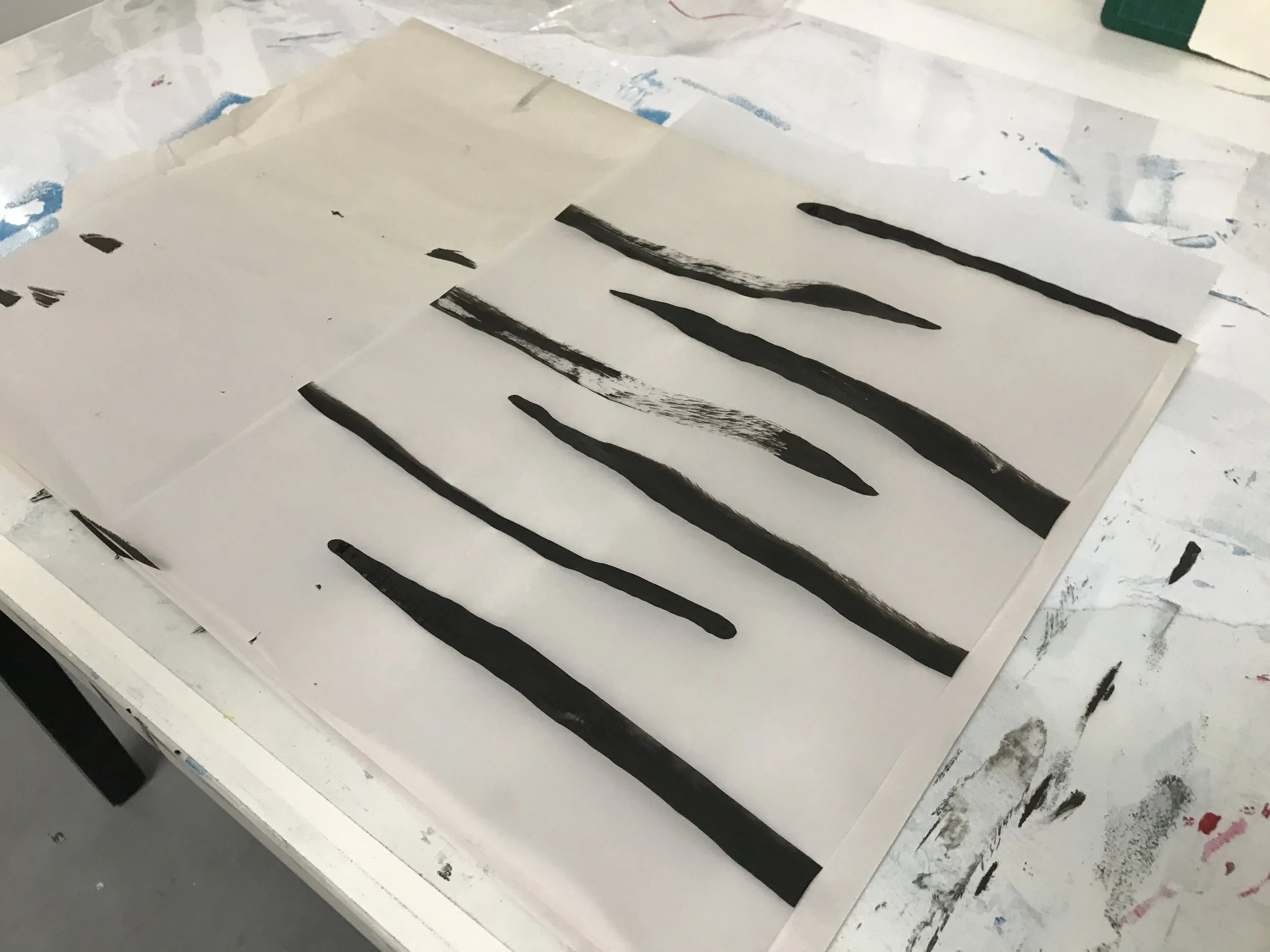
Figure 6. Untitled, 2022, Indian ink on 50gsm tracing paper inspired by basilar membrane ‘hairs’, 297x420mm
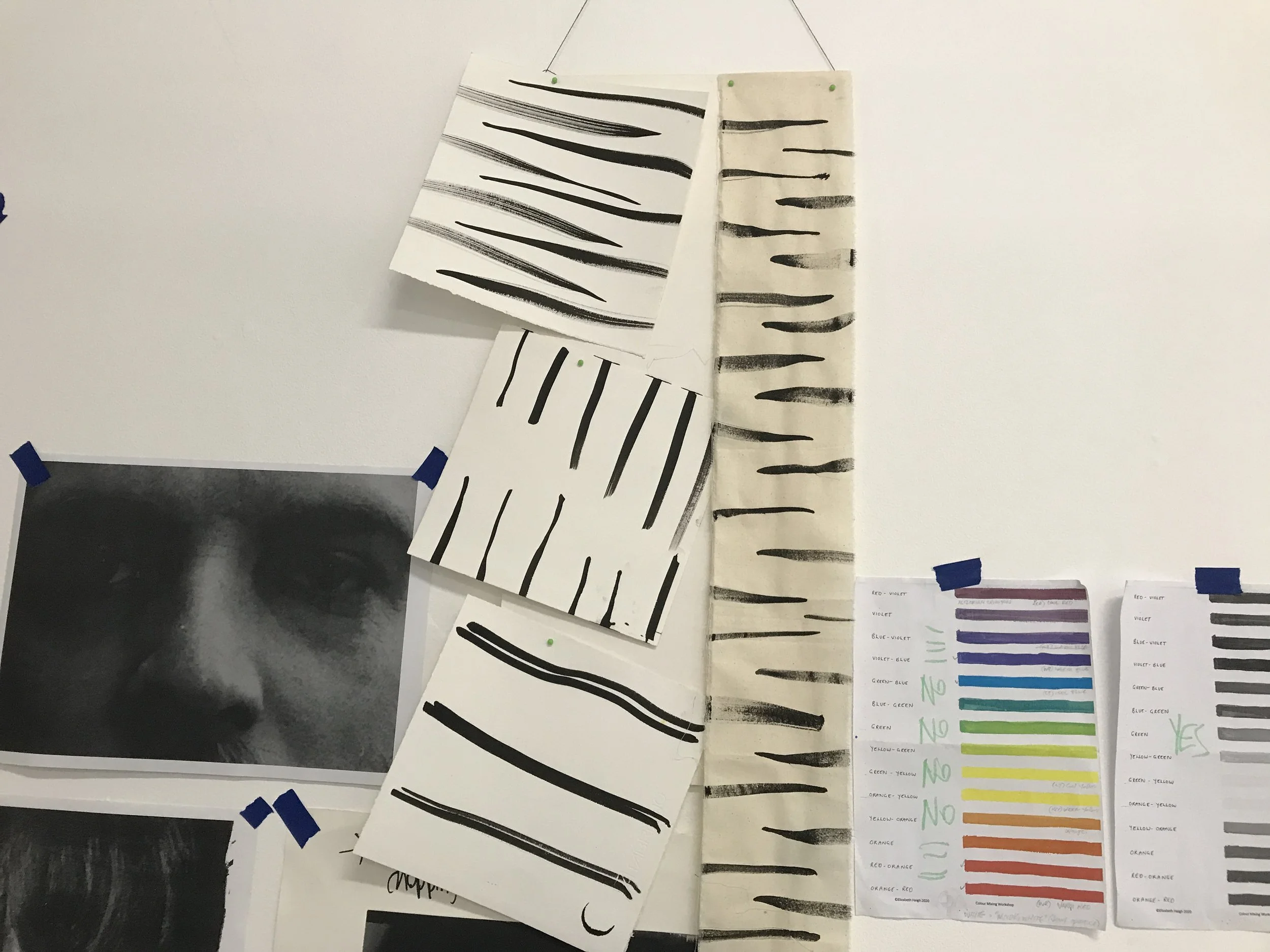
Figure 7. Experiments with Indian ink on printmaking paper (left) and calico (right) inspired by basilar membrane ‘hairs’, 2022
Despite still experimenting with the methods I will use for the project, my initial creative investigations in Studio 1 for the MFA have not produced outcomes worth pursuing. However, the process has reminded me of the adage, “Love what you make and make what you love”, leading me back to photography, where I am photographing my day-to-day life (Figure 8) while continuing to investigate studio-based research. My field of reference includes Modernist and Contemporary artists such as Laszlo Moholy-Nagy, Man Ray, Floris Neusüss, Eileen Quinlan and Mariah Robertson.
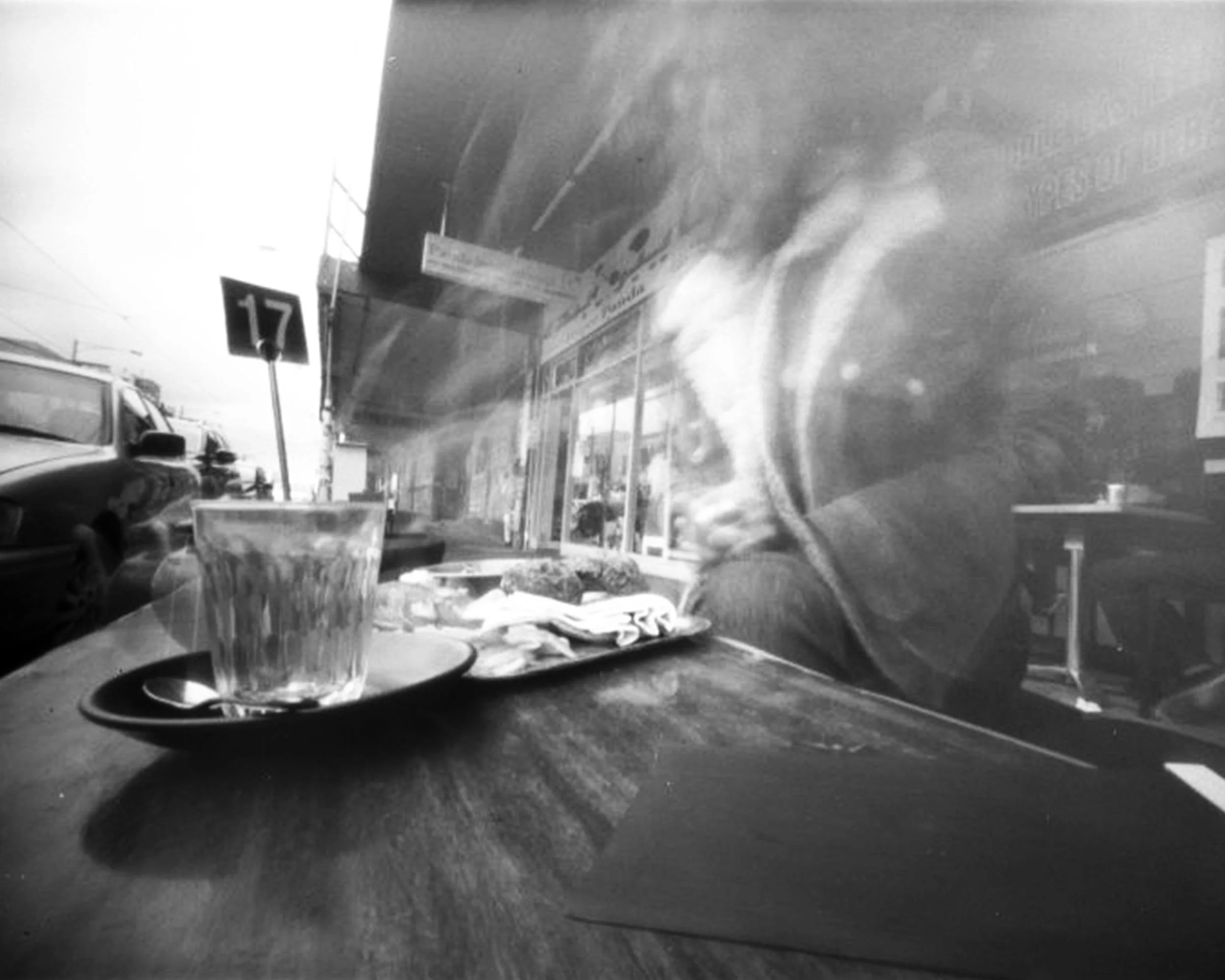
Figure 8
Pinhole photography may be interesting, while another avenue to explore is distortion. All the effects would be achieved in-camera/capture, reflecting, and iterating my own experience. The challenge and the constraints would also serve me well for keeping on an even keel without spinning into a creative hot mess.
It would be fascinating to investigate digital imaging of human responses to visual and auditory stimuli and learn from researchers currently working in the fields of neuroscience and physics.
To share that I have no idea what I am making and am at a complete creative loss is daunting and terrifying. Without a clear plan and outcome to work towards, I flounder without focus. That does not mean I need to know what I will make, but more what I am making for.
Footnotes
[1] Additional creative investigations I have undertaken in the Master of Fine Art program may be viewed online at https://zed-oh.com.
Keywords
Studio 1, Assignment, Reflection
S1 Week 5: Unique prints and lomography
Figure 1. Unique gelatin silver print on paper, 2022, 8x10” (203x254mm)
Figure 2. Unique gelatin silver print on paper, 2022, 8x10” (203x254mm)
Figure 3. Unique gelatin silver print on paper, 2022, 8x10” (203x254mm)
Lomography
Hugo Boss 4 lens 35mm lomo camera
Figure 4. Front view of Hugo Boss 35mm 4 lens lomo camera
Figure 5. Internal view of Hugo Boss 35mm 4 lens lomo camera
Figure 6. Test shot captured with Hugo Boss 4 lens 35mm camera
Figure 6. Test shot captured with Hugo Boss 4 lens 35mm camera
Calculating pinhole camera specs
Gift box
Focal length = 92mm
Optimum pinhole size = 0.43 = #10
f/ = 214
iPhone box
Focal length = 45mm
Optimum pinhole size = 0.298 = #13
f/ = 214
Ilford 5x7 box
Focal length = 75mm
Optimum pinhole size = 0.38 = #12
f/ = 197
Tin can
Focal length = 105mm
Optimum pinhole size = 0.45 = #10
f/ = 233
Fluevog shoe box (A)
Focal length = 120mm
Optimum pinhole size = 0.495mm = #9
f/ = 243
Pinhole measurements as per calculation (no rounding) with needle size to the nearest value of pinhole measurement.
Pinhole size and f/ formulas (Tatnall 2017)
Sewing needle diameter = Sewing needle number
0.25 = 15
0.30 = 13
0.36 = 12
0.45 = 10
0.53 = 9
0.61 = 8
0.69 = 7
0.76 = 6
0.86 = 5
0.94 = 4
1.02 = 3
1.09 = 2
1.17 = 1
Formula for optimum pinhole size
The square root of the (focal length x 0.00055) x 1.9 = pinhole size .mm (Tatnall 2017)
Formula for aperture size
Focal length ÷ pinhole size = aperture
S1 Week 4: Pinhole
Panorama
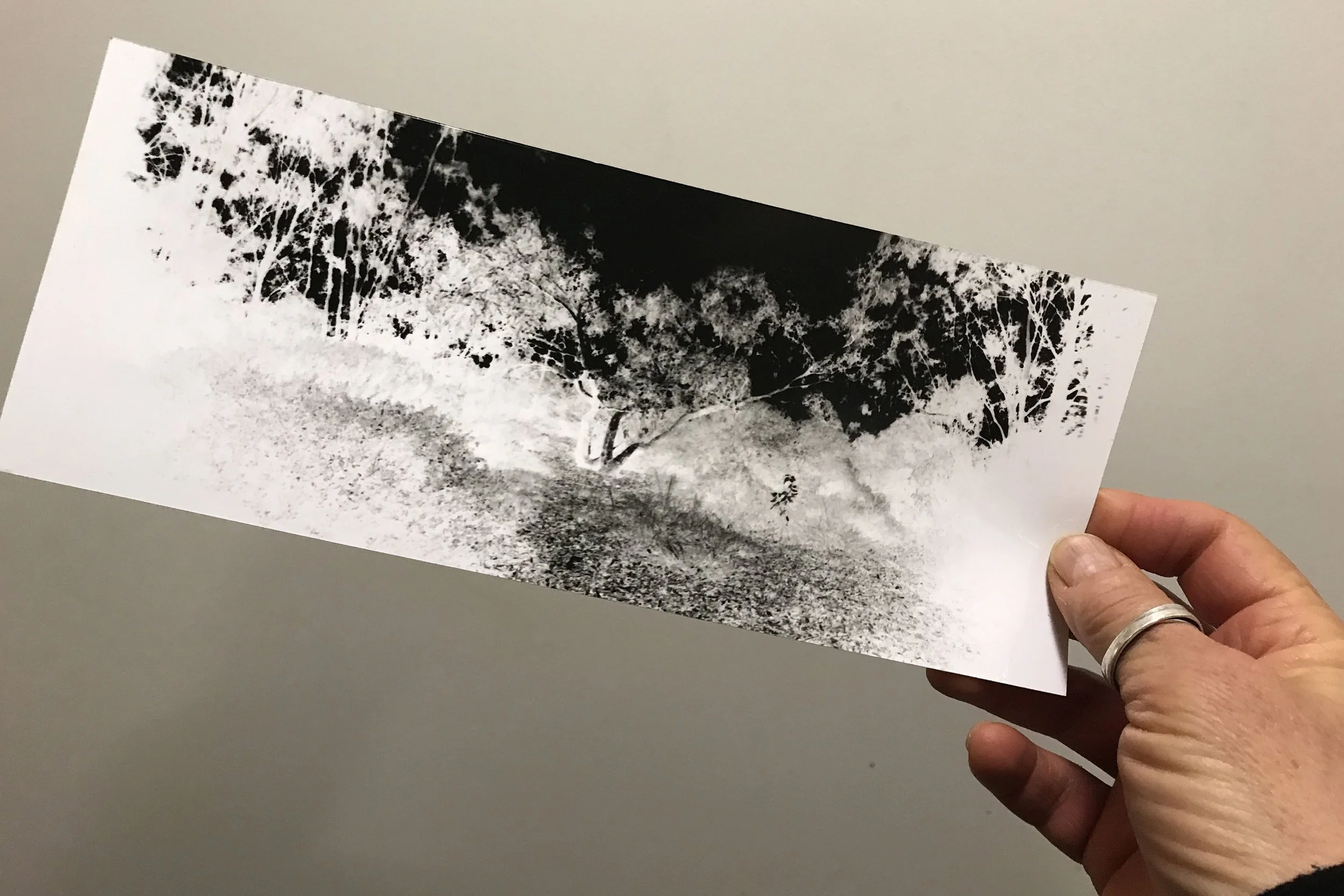
Figure 1a. Unique (panorama) gelatin silver paper negative captured on Ilford 5x7” box pinhole camera, 2022
Figure 1b. Scanned unique paper negative (Figure 1), 2022
Figure 1c. Digital positive of scanned unique paper negative (Figures 1a and 1b), 2022
Copper toning
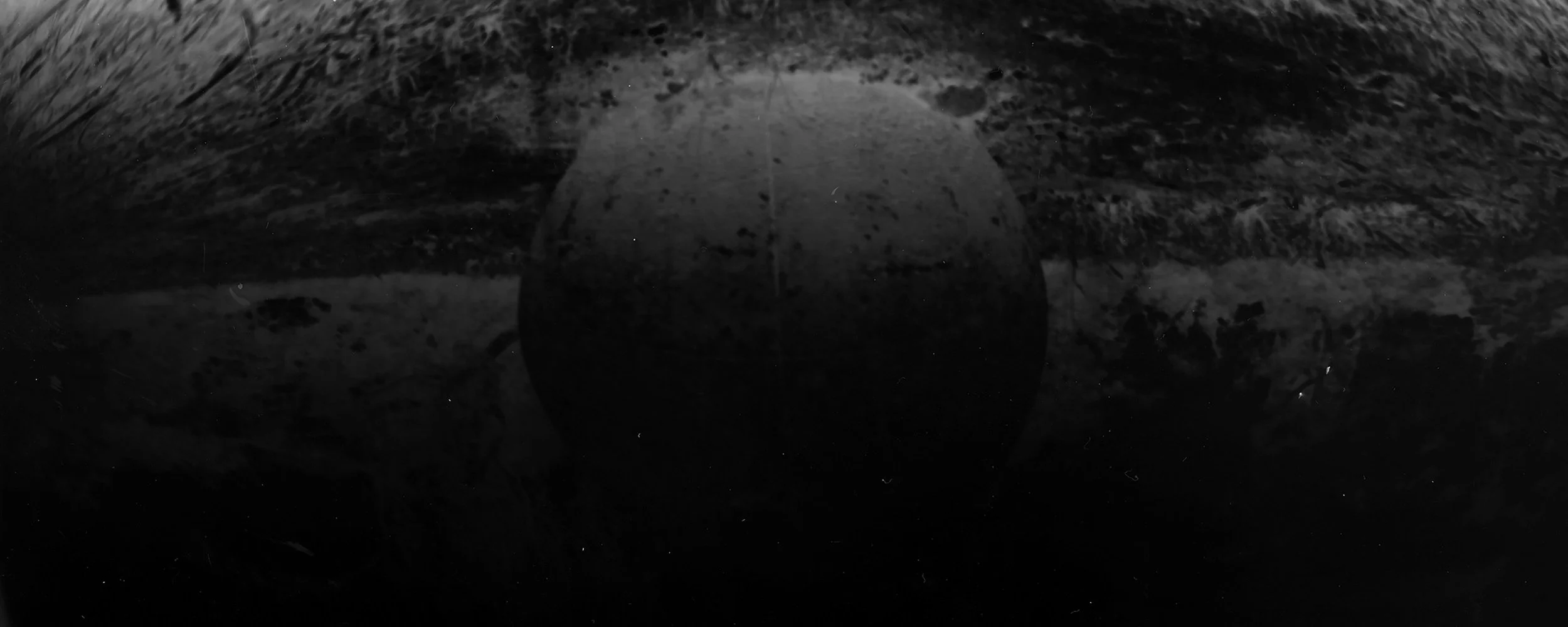
Figure 2a. Scanned unique paper negative captured on tin can pinhole camera, 2022
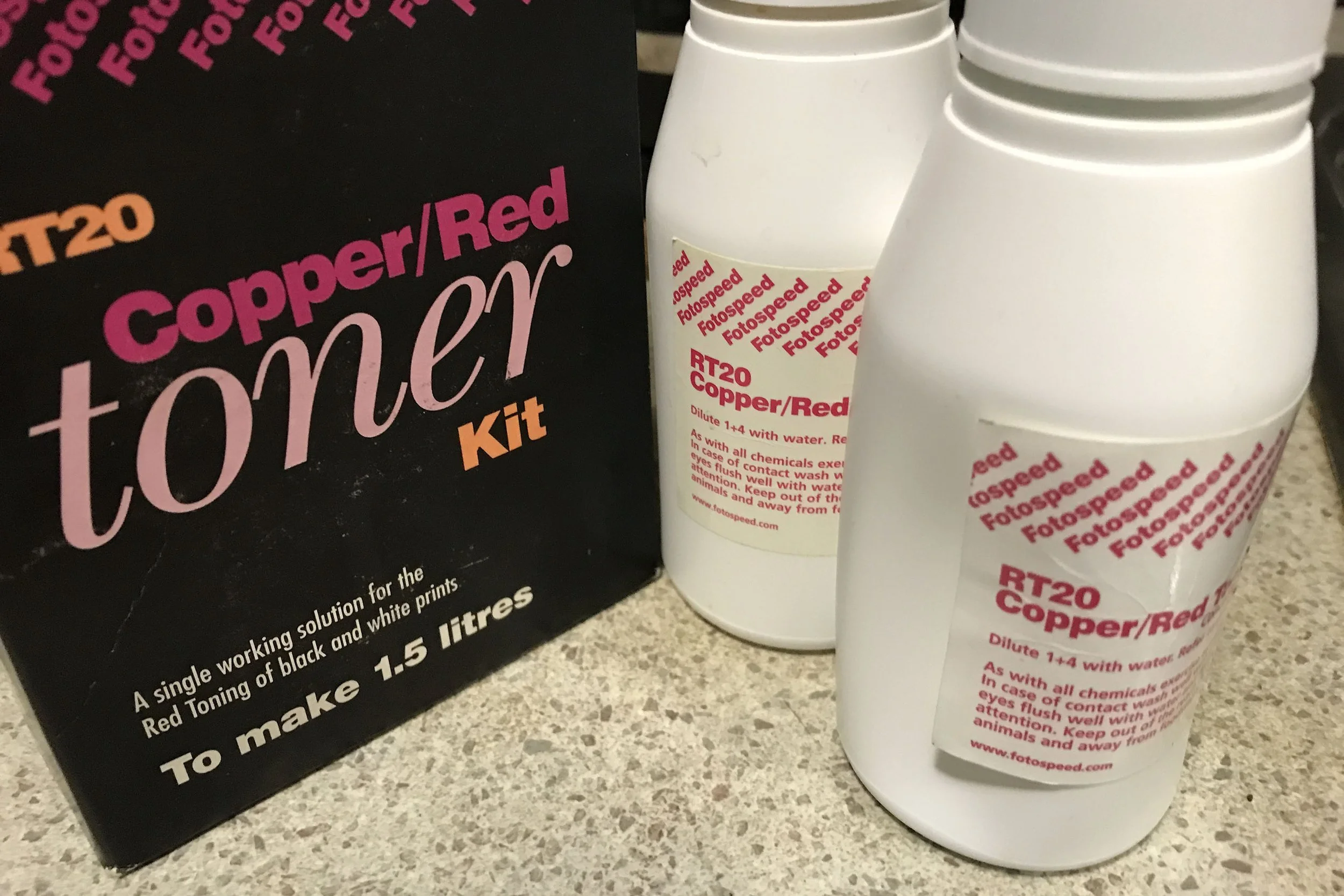
Figure 2b. Copper/Red toner kit, 2022
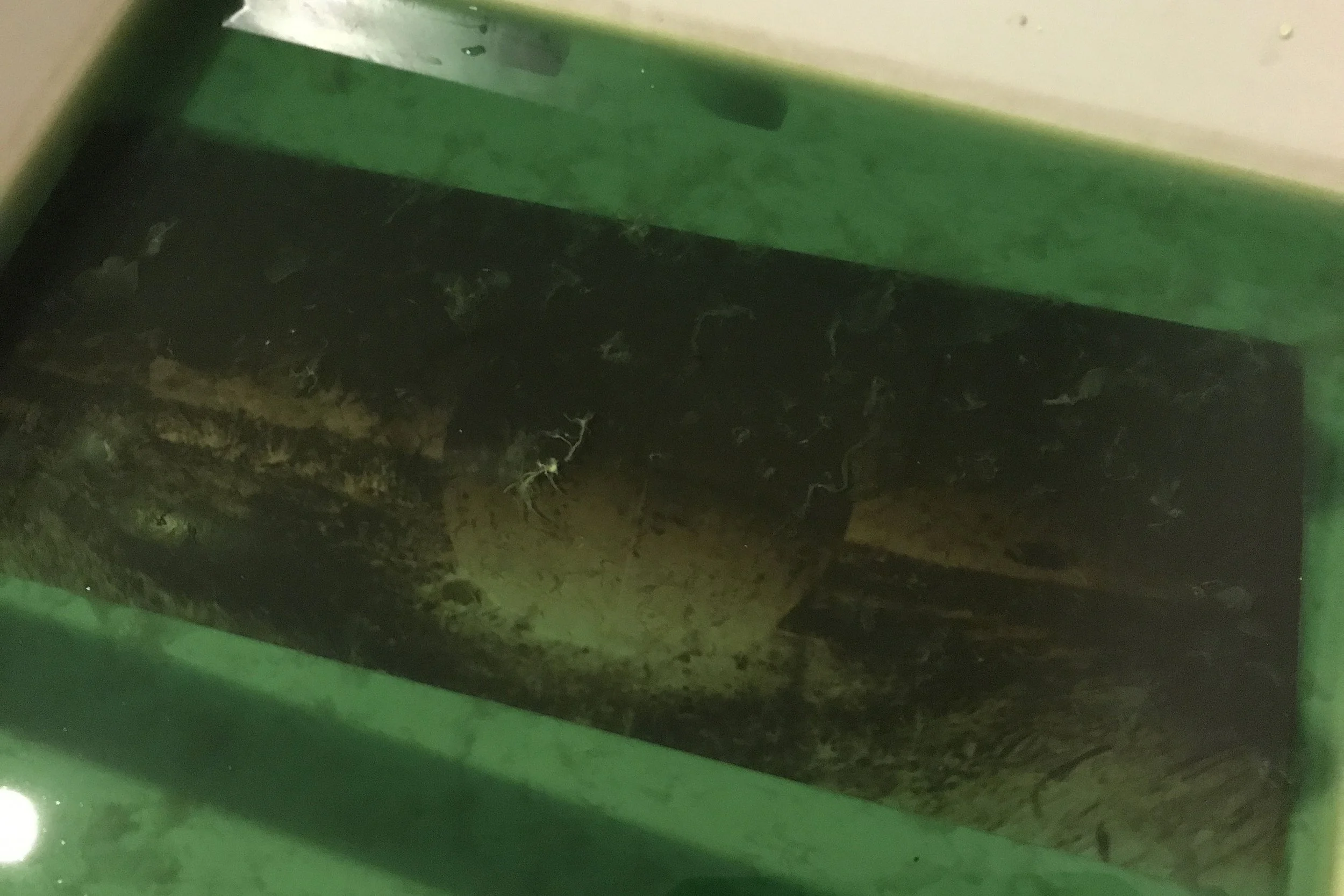
Figure 2c. Copper toning unique gelatin silver paper negative, 2022
Figure 2d. Scanned copper toned unique paper negative (Figure 4) captured on tin can pinhole camera, 2022
Figure 2e. Hand written notes on back of paper negative (Figures 2a and 2d), 2022
Solarising
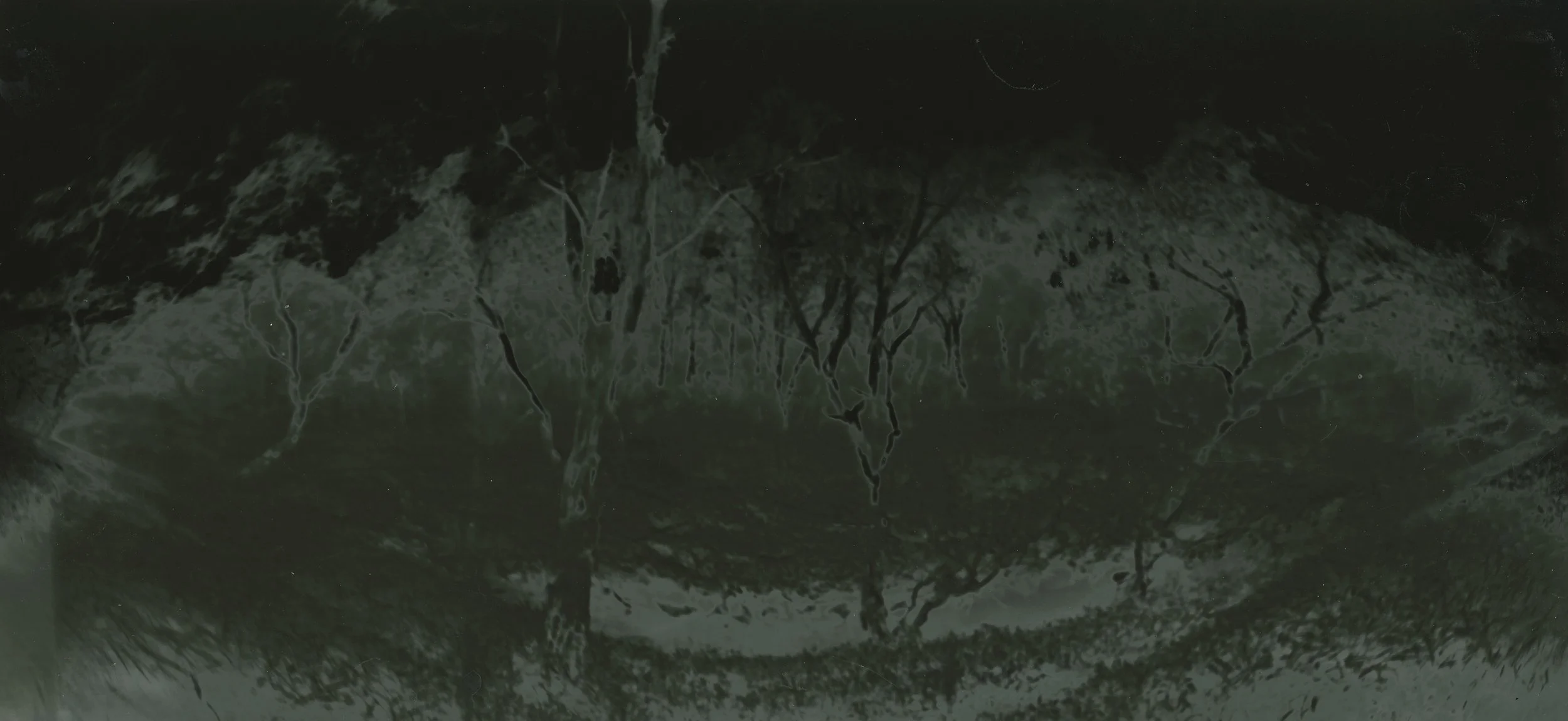
Figure 3a. Scanned solarised unique paper negative captured on tin can pinhole camera, 2022
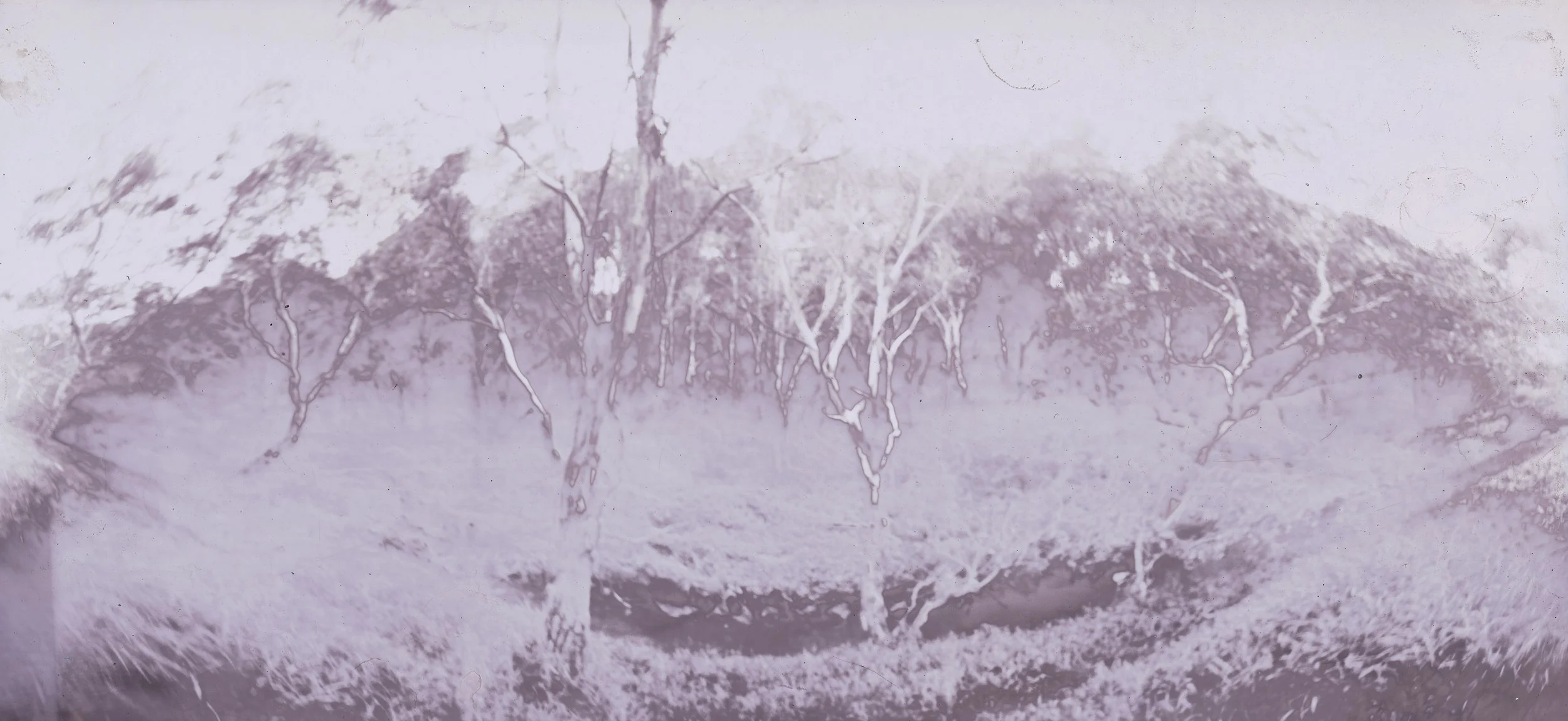
Figure 3b. Digital positive from scanned solarised unique paper negative (Figure 7), 2022
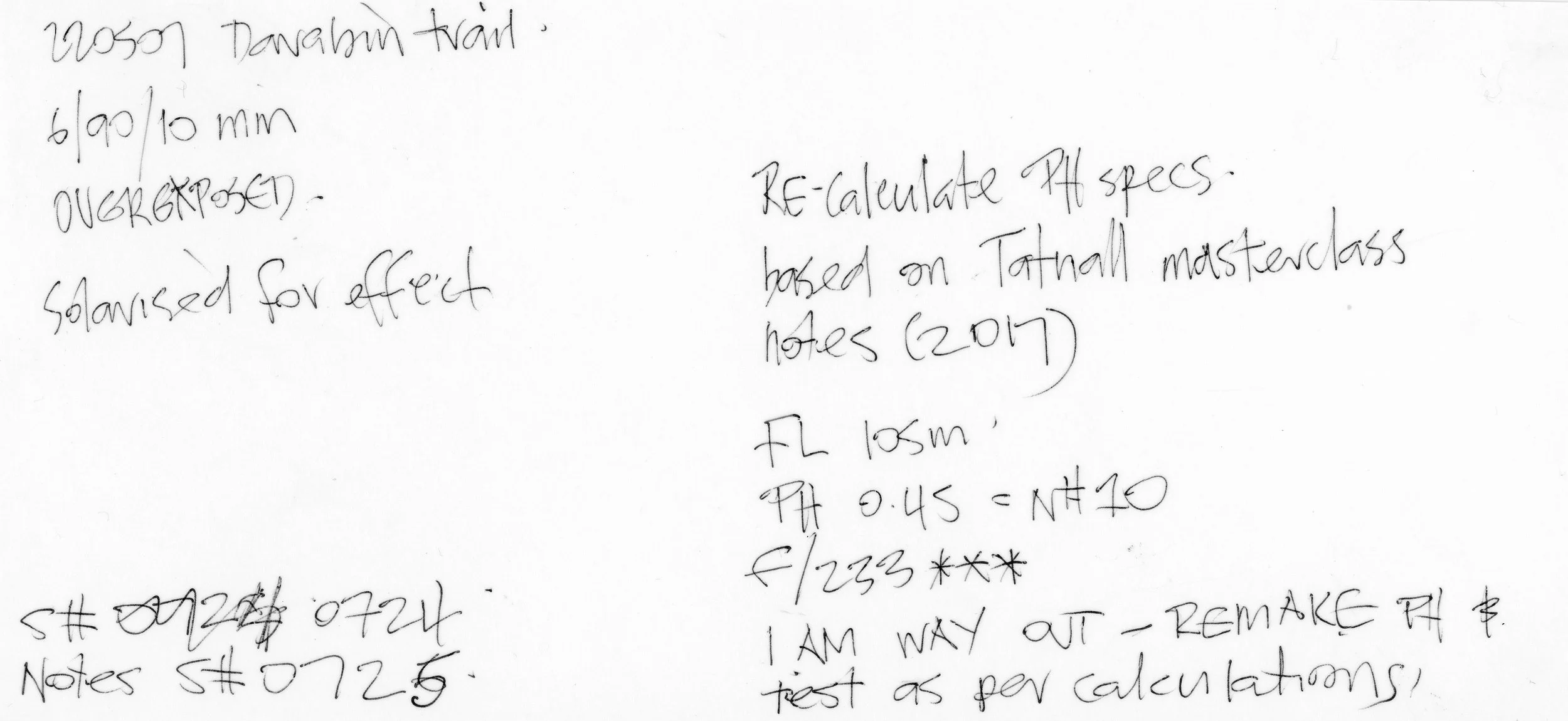
Figure 3c. Hand written notes on back of solarised paper negative (Figure 3a), 2022
Wide angle
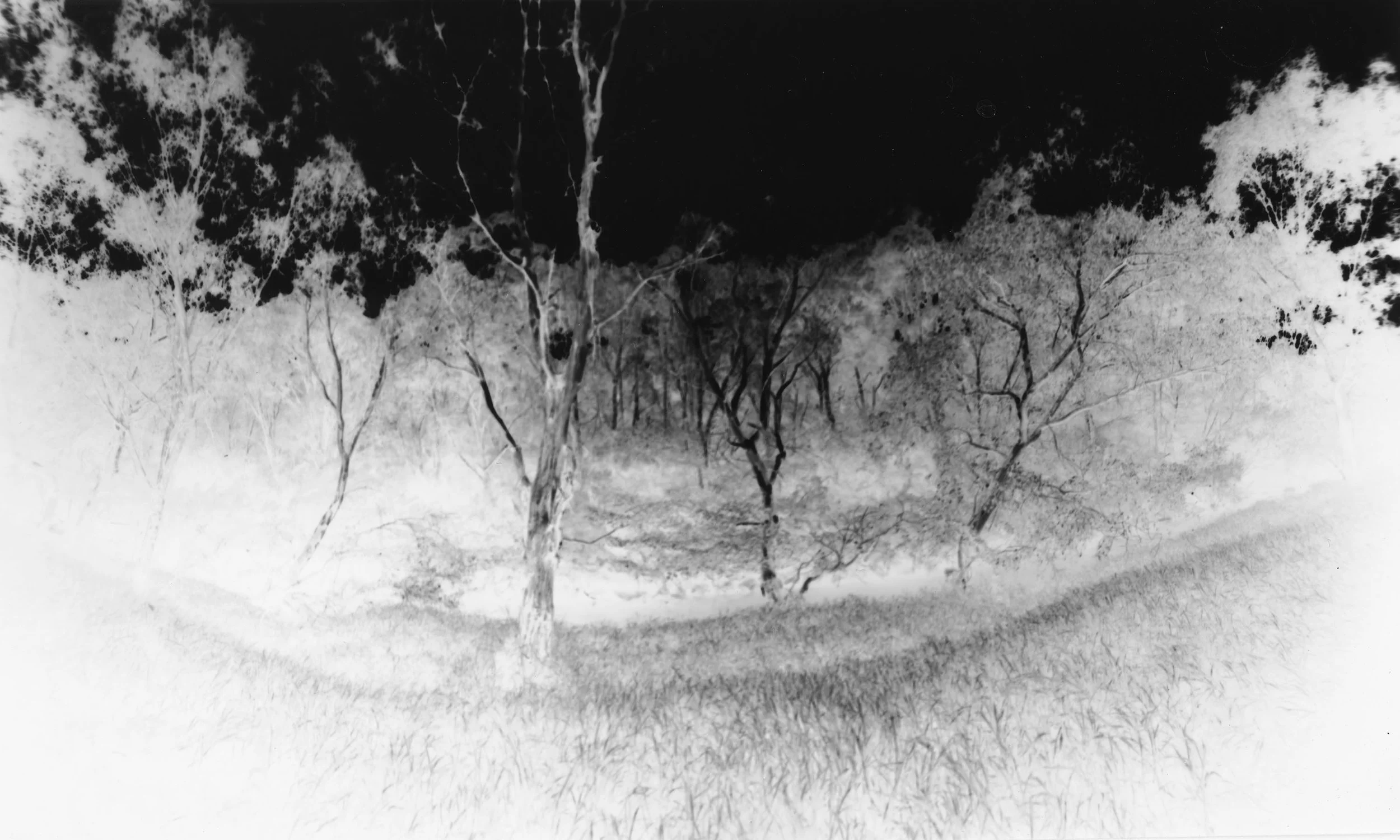
Figure 4a. Scanned unique gelatin silver paper negative, 2022
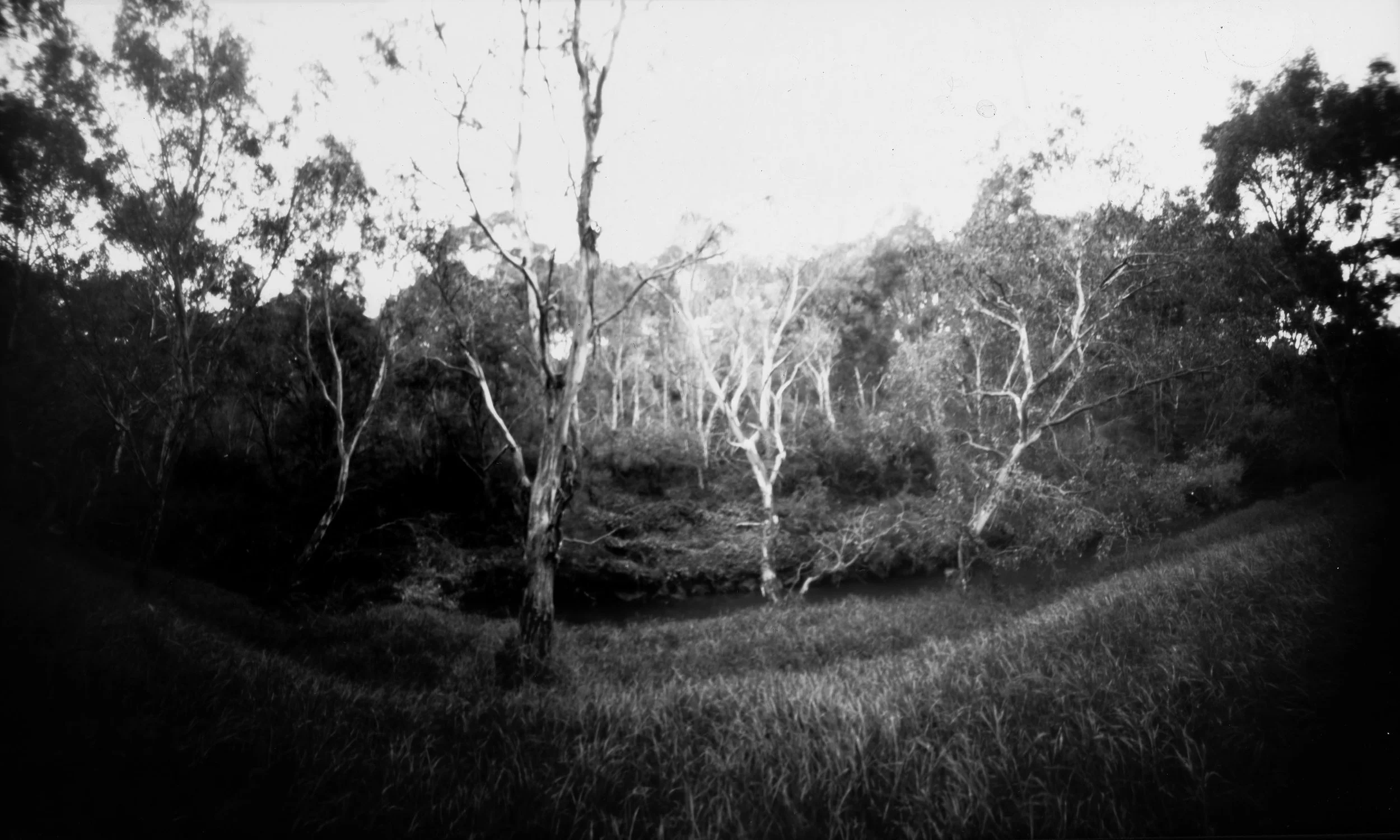
Figure 4b. Digital positive of scanned unique paper negative (Figures 4a), 2022
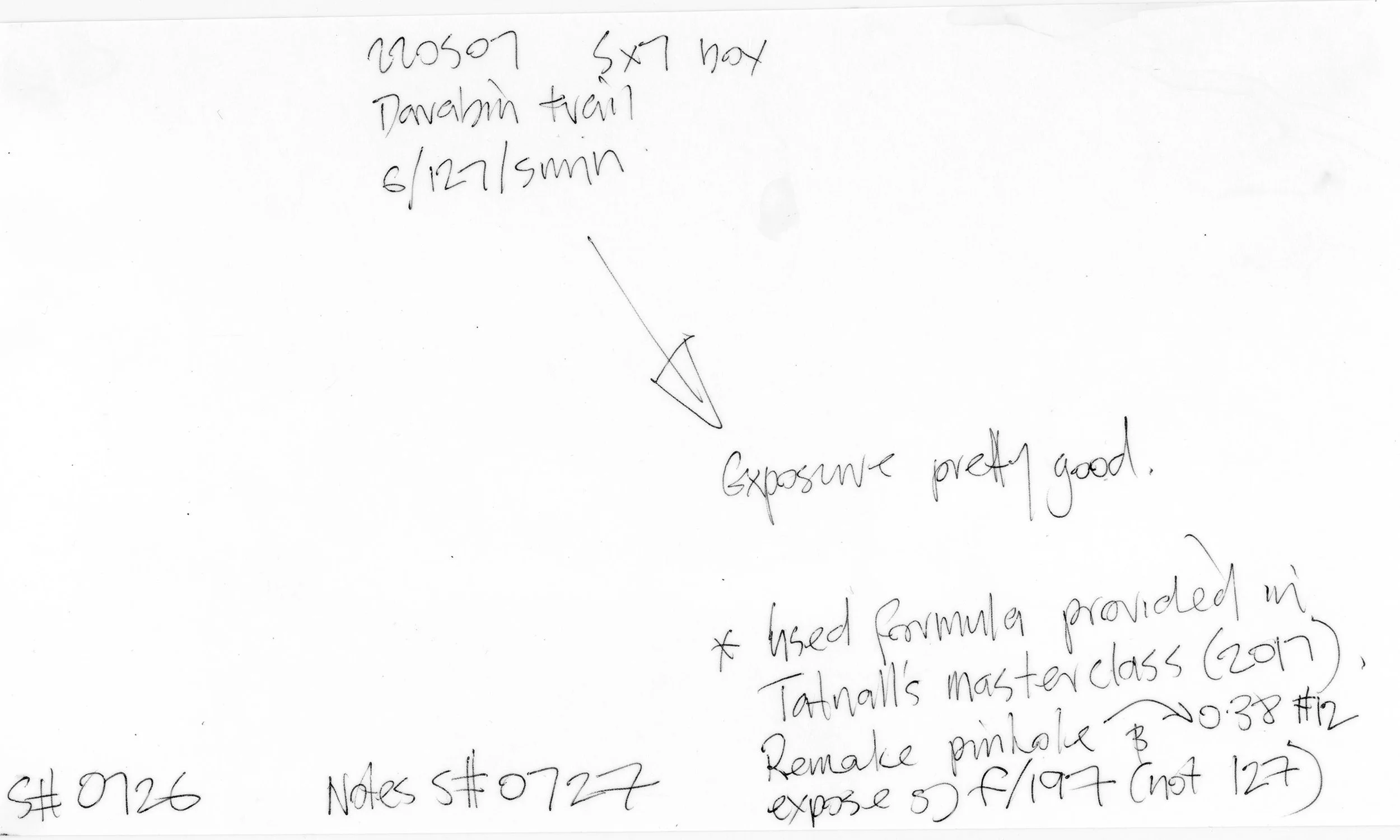
Figure 4c. Hand written notes on back of paper negative (Figure 4a), 2022
Exposure: Soundtrack
Exposure
Performed by Zo Damage
Recorded, sampled and recomposed by Raul Sanchez
2022
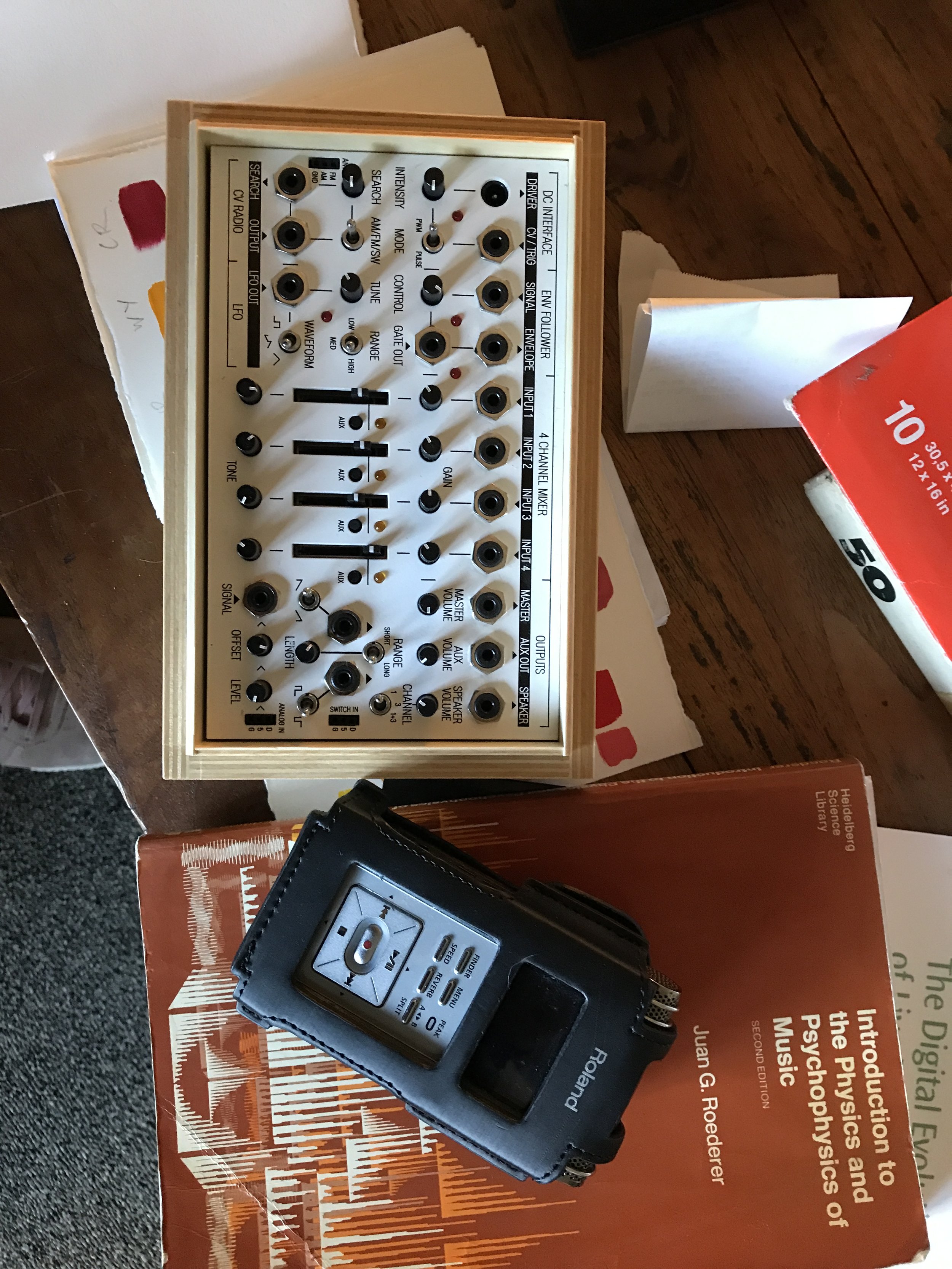
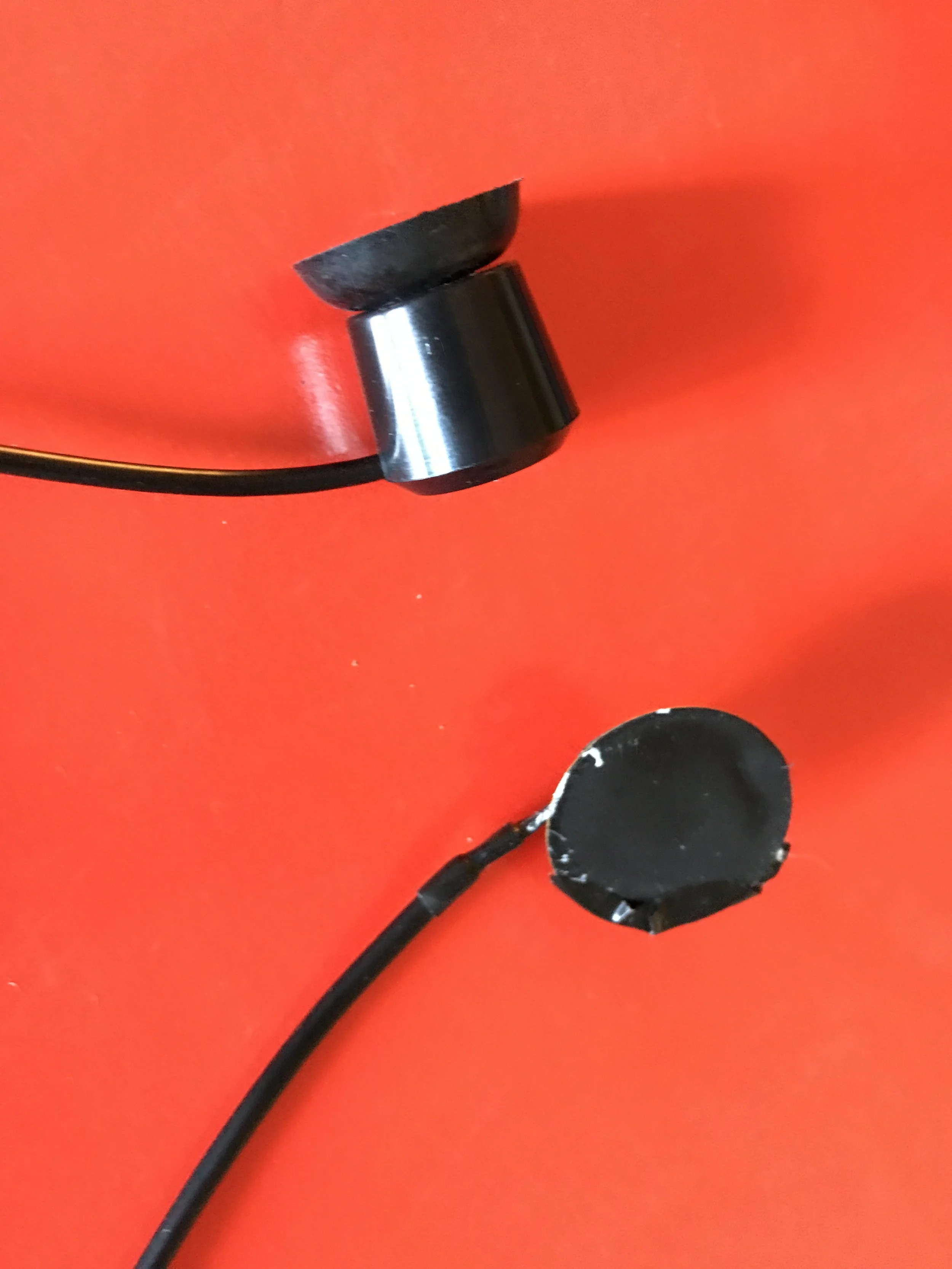
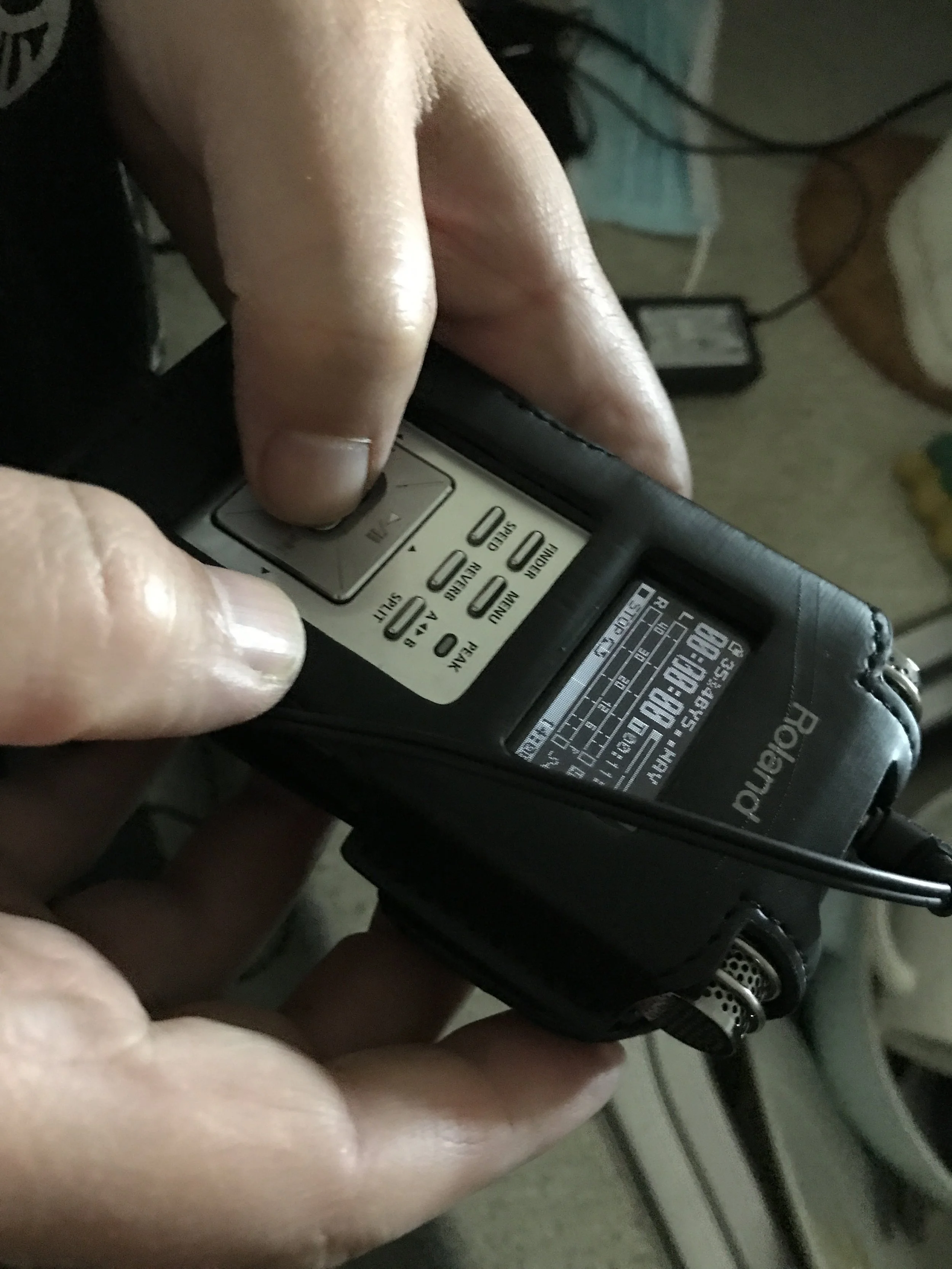
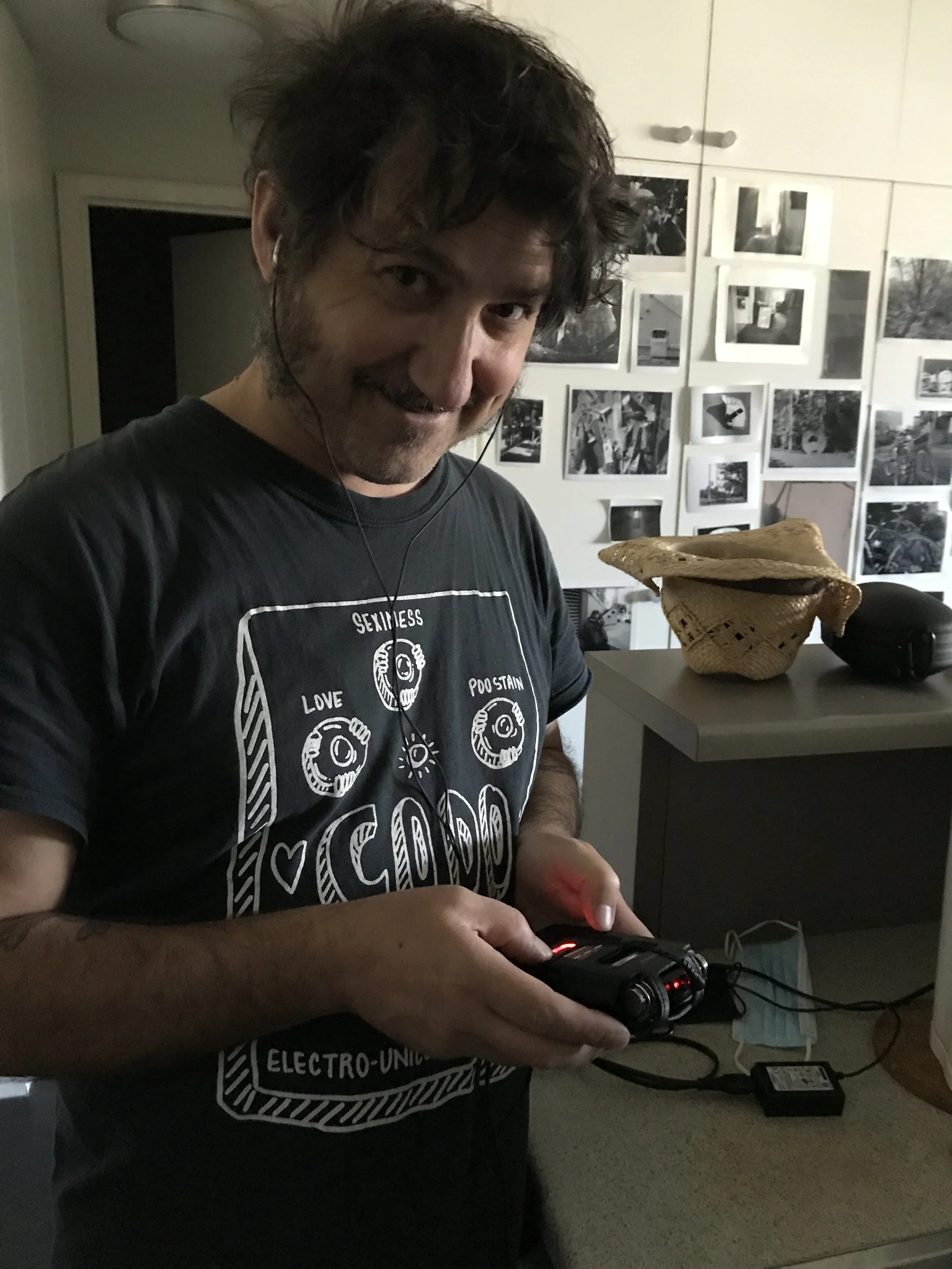
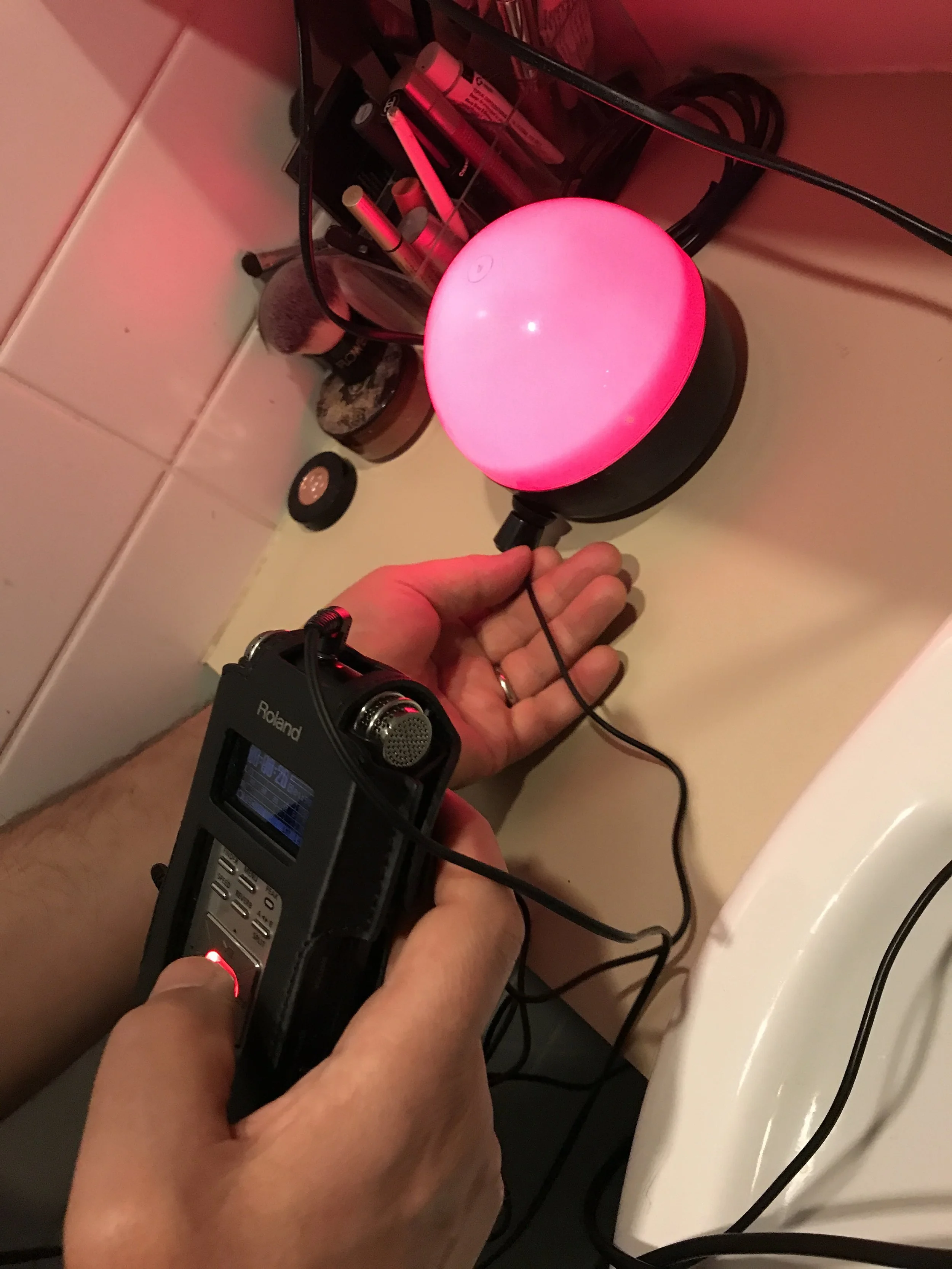
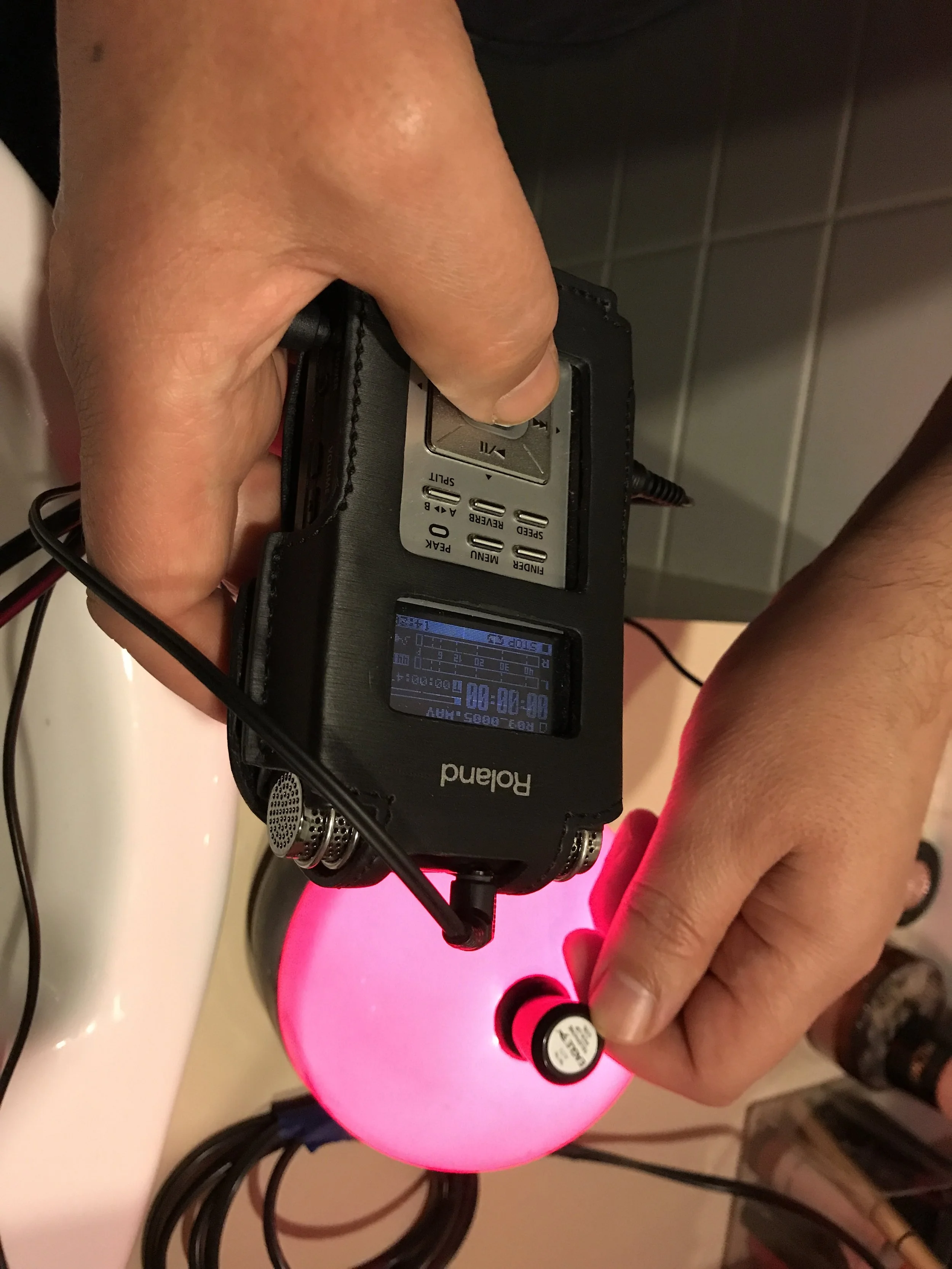
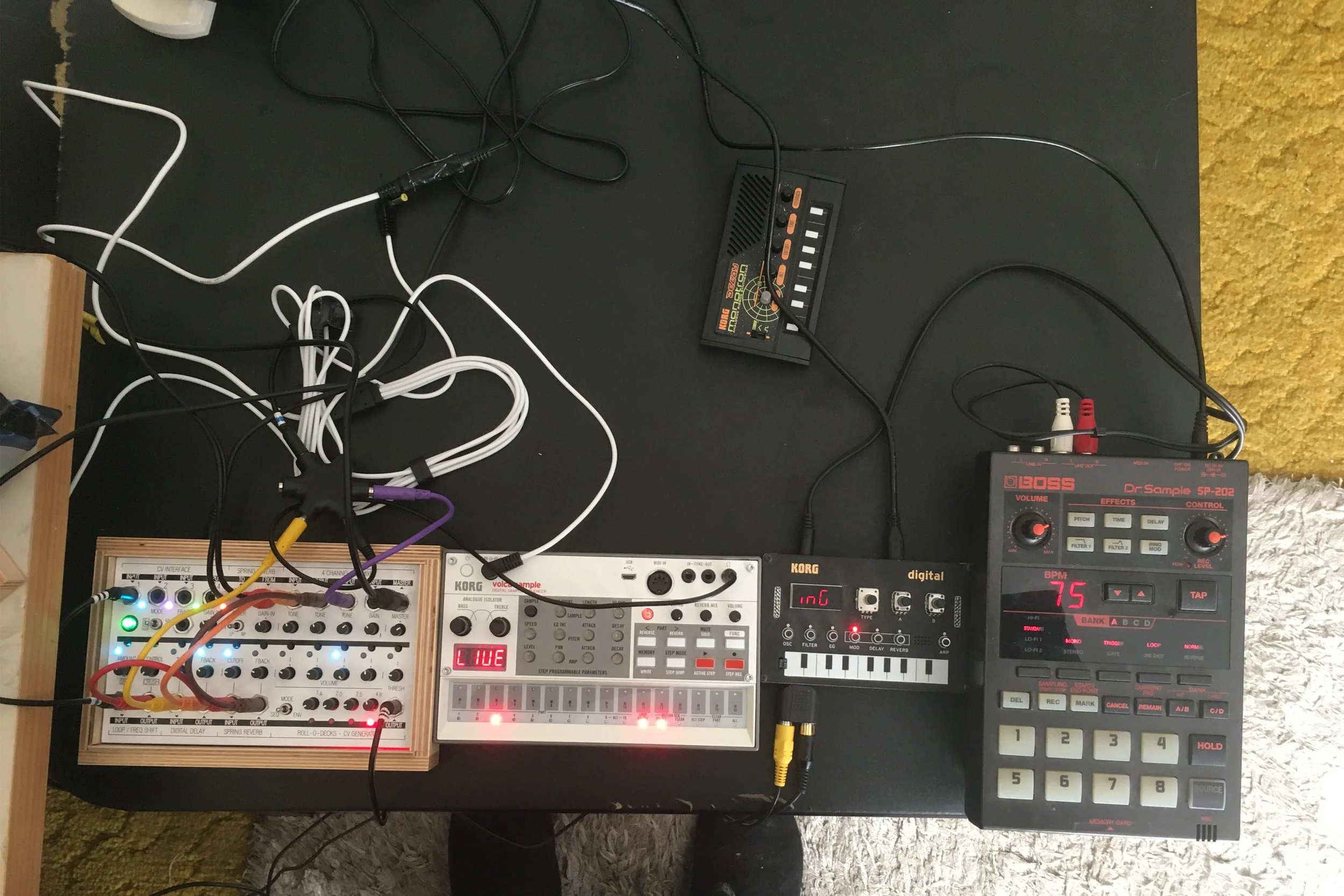
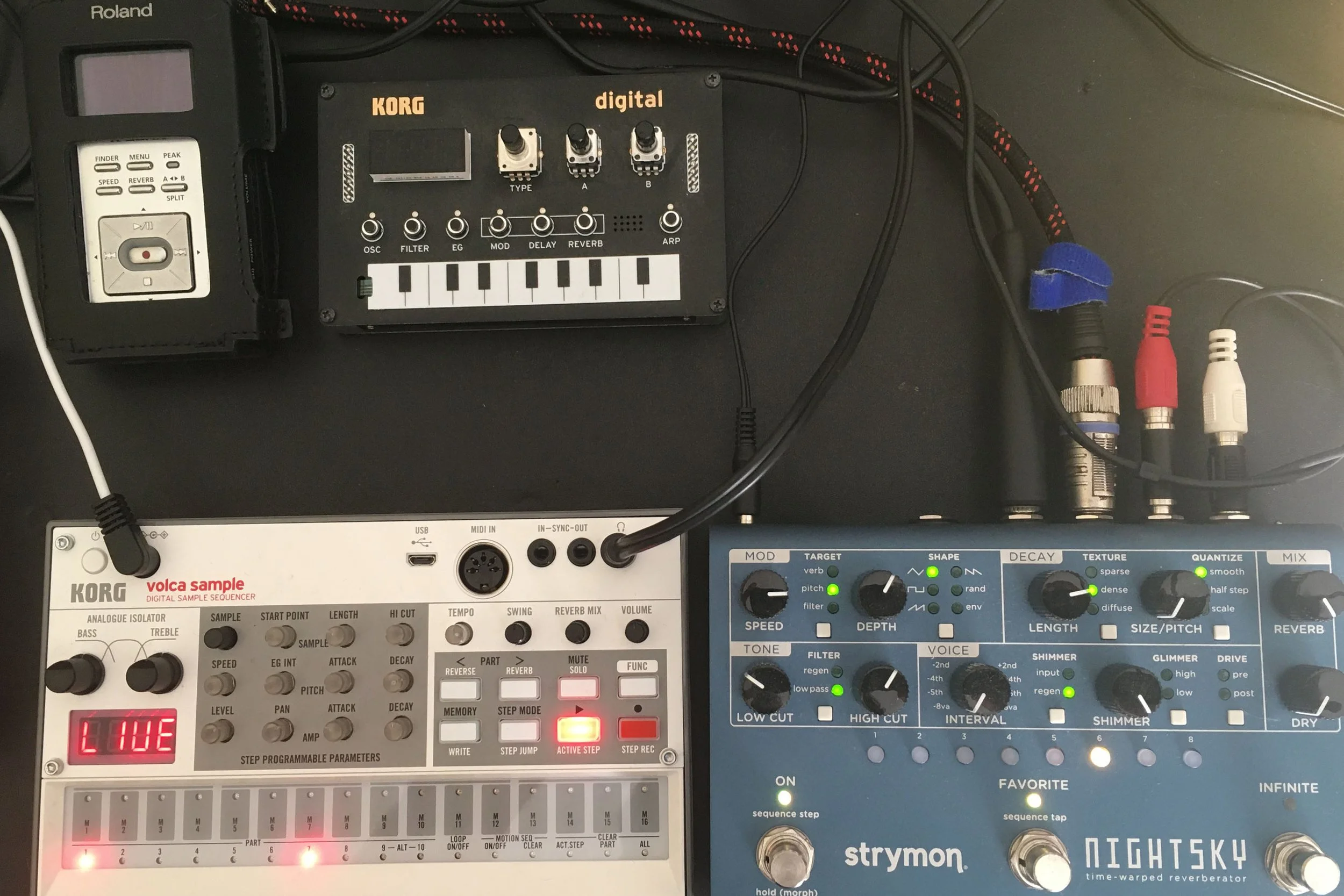
“Zo Damage was recorded using a Roland R-09HR 24Bit Recorder performing a variety of film development processes. I then dumped those recordings into Pro-tools and edited them into separate sounds or extended collections of sounds/samples. These were then dropped into Kontakt, a plugin sampler that can vary the pitch, and length etc of the sounds to create a variety of Virtual Instruments. These were then programmed using Midi to generate rhythms and musical sections. Other plugins that were used to modify and modulate the samples were Form and The Mangle, both granular synthesizers. Some samples were also taken and put into the Korg Volca Sample2, an outboard drum machine/sampler, and then the sounds were used to create beats and rhythms as well as textures by playing them through guitar effects pedals, such as the Strymon Nightsky. Other samples were also input into the Roland DrSample and again used to create textures and rhythms, using effects. The tracks were then mixed in Pro-tools, using some further plugins such as EQ, reverb and a variety of granular effects. Muting and volume were used also” (Sanchez 2022).
Bibliography
Sanchez, Raul. 2022. Experimental music. Email communication.
Diana 35mm hack, pinhole and liquid emulsion
Diana F+ 35mm hack
Medium format (120mm film) pinhole
Keywords
Studio 1, Diana, 35mm hack, Lomography, Pinhole, 120mm
Bibliography
ESMONDSIT. 2011. "Lomography - A Proper 35 Mm Film Mod For The Diana F+". Lomography. https://www.lomography.com/magazine/99621-a-proper-35-mm-film-mod-for-the-diana-f.
Group crit 1
Equanimity was shown for the first Studio 1 'Group Crit'. I felt most attempted to 'assert' knowledge (Foucault 2020, 1–153) of the photographic process rather than deconstructing and feedback to 'artworks' (although I do believe that it was given with no ill intent). This response to experimental or alternative modes of photography is commonplace. Contemporary photographer Adam Fuss discusses how the 'technical' is often raised in viewing works stating that 'technical' is irrelevant. Fuss (2011, 00:38) asserts, "We have the illusion that we're going to understand [the image] by a piece of technical information". The artist continues, stating, "I don't see it happen with painting. I don't see people say, 'Hey, did you use a number seven brush and cadmium three'?". Despite coming a long way with being objective in critiques, I grew impatient and frustrated and 'reacted' rather than 'responded', the Group Crit has provided practical prompts to further improve my people skills (which are not my strong point).
Zo Damage, Equanimity, 2022, (IRL) Archival pigment print from scan of original 35mm negative, 1100x360mm
Definition
equanimity
noun
mental or emotional stability or composure, especially under tension or strain; calmness; equilibrium. (dictionary.com)
Keywords
MFA, Studio 1, Equanimity, Group crit, Freeway, 35mm, Film photography
Bibliography
"Definition Of Equanimity". dictionary.com. Accessed April 28, 2022. https://www.dictionary.com/browse/equanimity.
Foucault, Michel. 2020. Power. 3rd ed. UK: Penguin.
Fuss, Adam. 2011. "A&A Portrait - Adam Fuss". 123marketstreet. March 30, 2011. YouTube video, 02:03. https://www.youtube.com/watch?v=QxpeNIN0iRA.
S1 Week 3: Pinhole and Diana
Medium format lomo
Figure 1.
Figure 2.
Long exposure pinhole paper negatives
Figure 3. Scan of paper negative captured with an exposure of four days using my handmade Ilford 5x7” paper box pinhole camera
Figure 4. Digitally inverted scan of paper negative captured with an exposure of four days using my handmade Ilford 5x7” paper box pinhole camera
Figure 5. Scan of paper negative captured with an exposure of four days using my handmade coffee can pinhole camera
Figure 6. Digitally inverted scan of paper negative captured with an exposure of four days using my handmade coffee can pinhole camera
Figure 7. Scan of coffee can pinhole camera solarised paper negative (three day exposure)
Figure 8. Digitally inverted scan of coffee can pinhole camera solarised paper negative (three day exposure)
4x5 pinhole paper positives
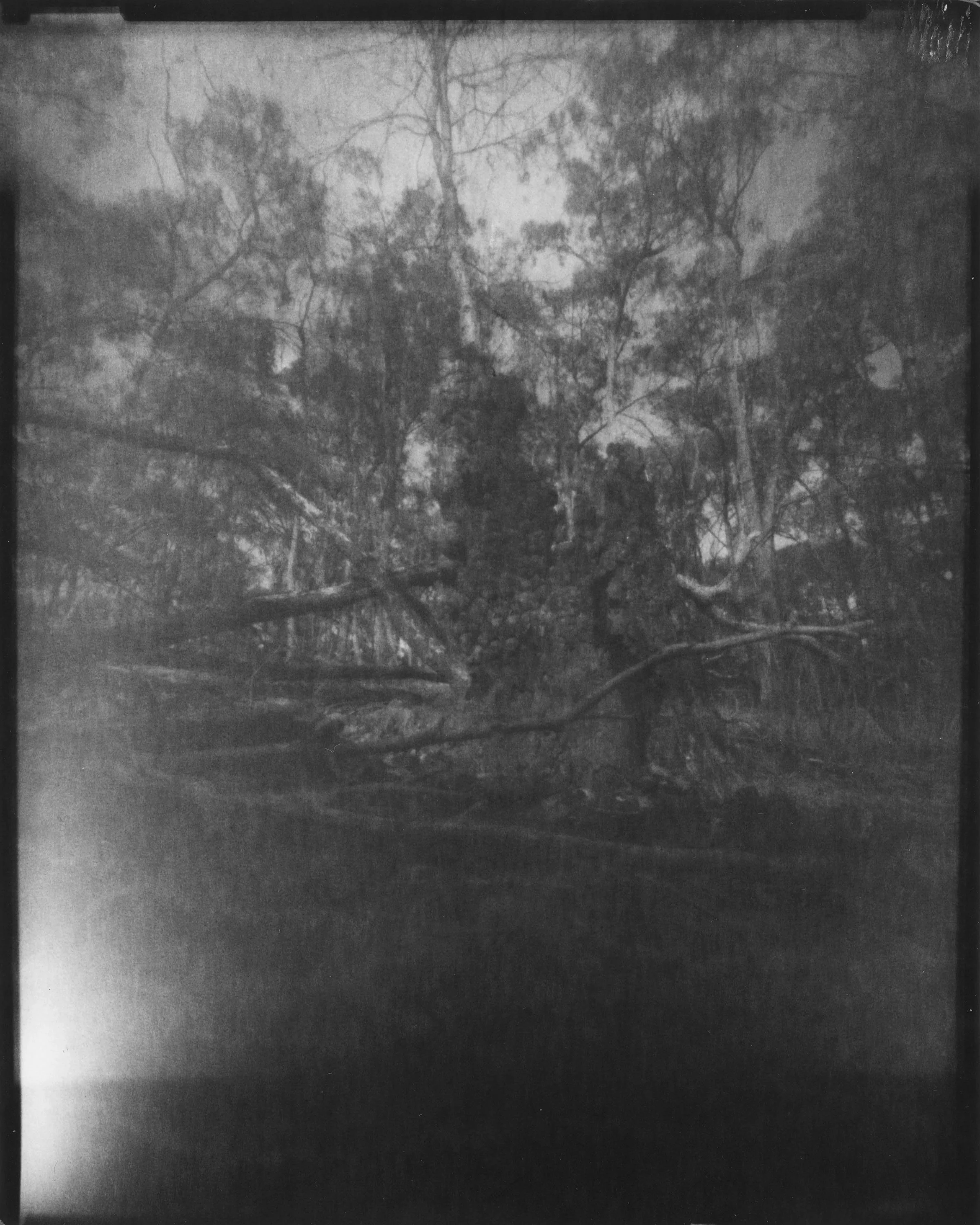
Figure 9.
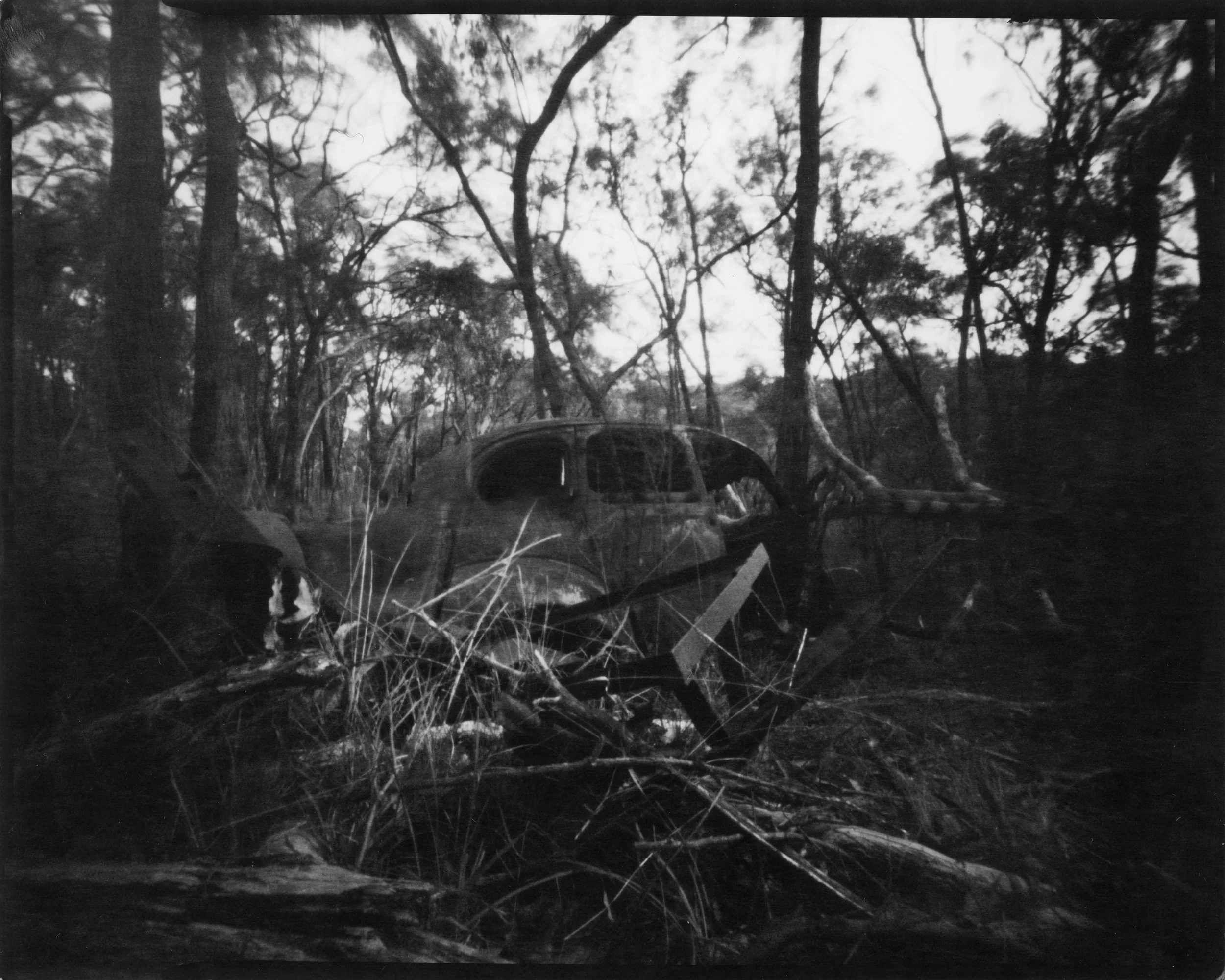
Figure 10.
Figure 11. Scan of paper negative captured with Ilford 5x7” paper box pinhole camera
Figure 12. Digitally inverted scan of paper negative captured with Ilford 5x7” paper box pinhole camera
Keywords
Studio 1, Week 3, Pinhole photography, Lomography, 120mm, 35mm, Paper negative, Solarising, Darkroom
Bibliography
PLASTICPOPSICLE. 2013. "Lomography - 6 Must-Try Tips For The Diana F+". Lomography. https://www.lomography.com/magazine/252635-6-must-try-tips-for-the-diana-f-plus.
S1 Week 2: 120mm lomo, 35mm and making cameras
Making pinhole cameras
Figure 1. Pinhole camera made from cardboard gift box
Figure 2. Pinhole camera made from Ilford 5x7” MGIV paper box
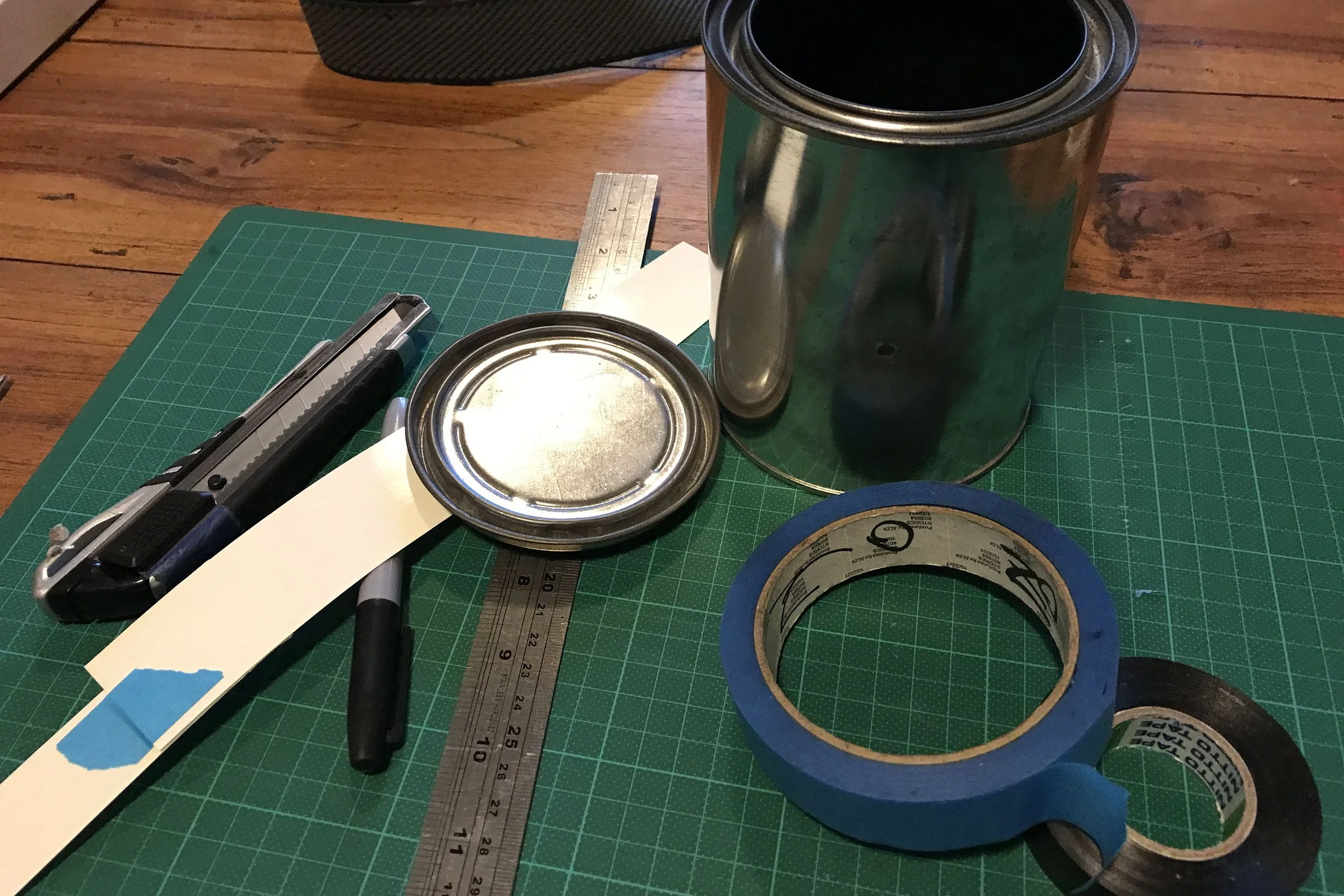
Figure 3. Pinhole camera made from coffee can
Figure 4. Scanned paper negative from test exposure captured with Ilford box pinhole camera (Figure 2)
Figure 5. Scanned paper negative from test exposure captured with Ilford box pinhole camera (Figure 2)
Figure 6. Digitally inverted scan of paper negative from test exposure captured with Ilford box pinhole camera (Figure 2)
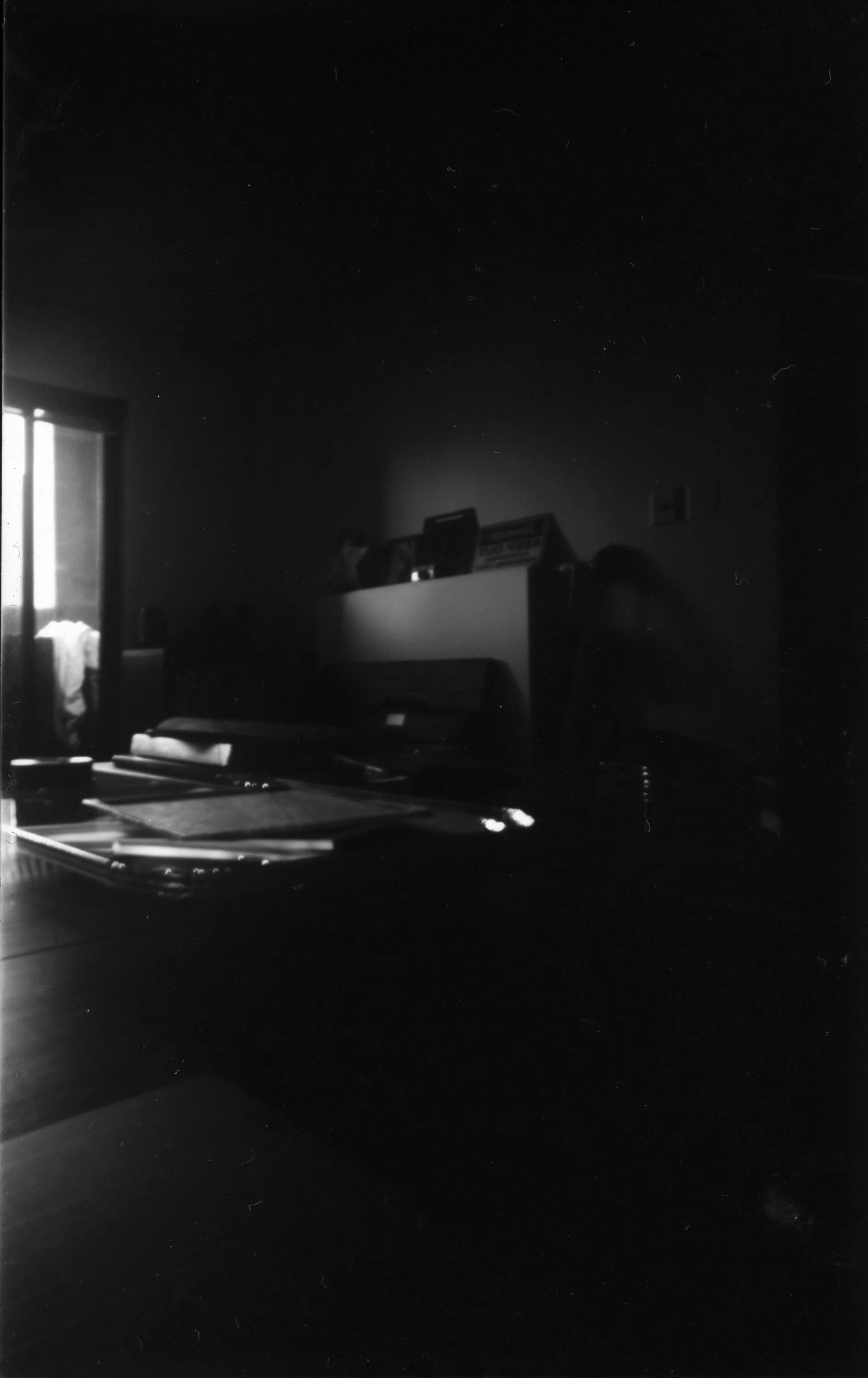
Figure 7. Digitally inverted scan of paper negative from test exposure captured with Ilford box pinhole camera (Figure 2)
4x5” pinhole paper negatives
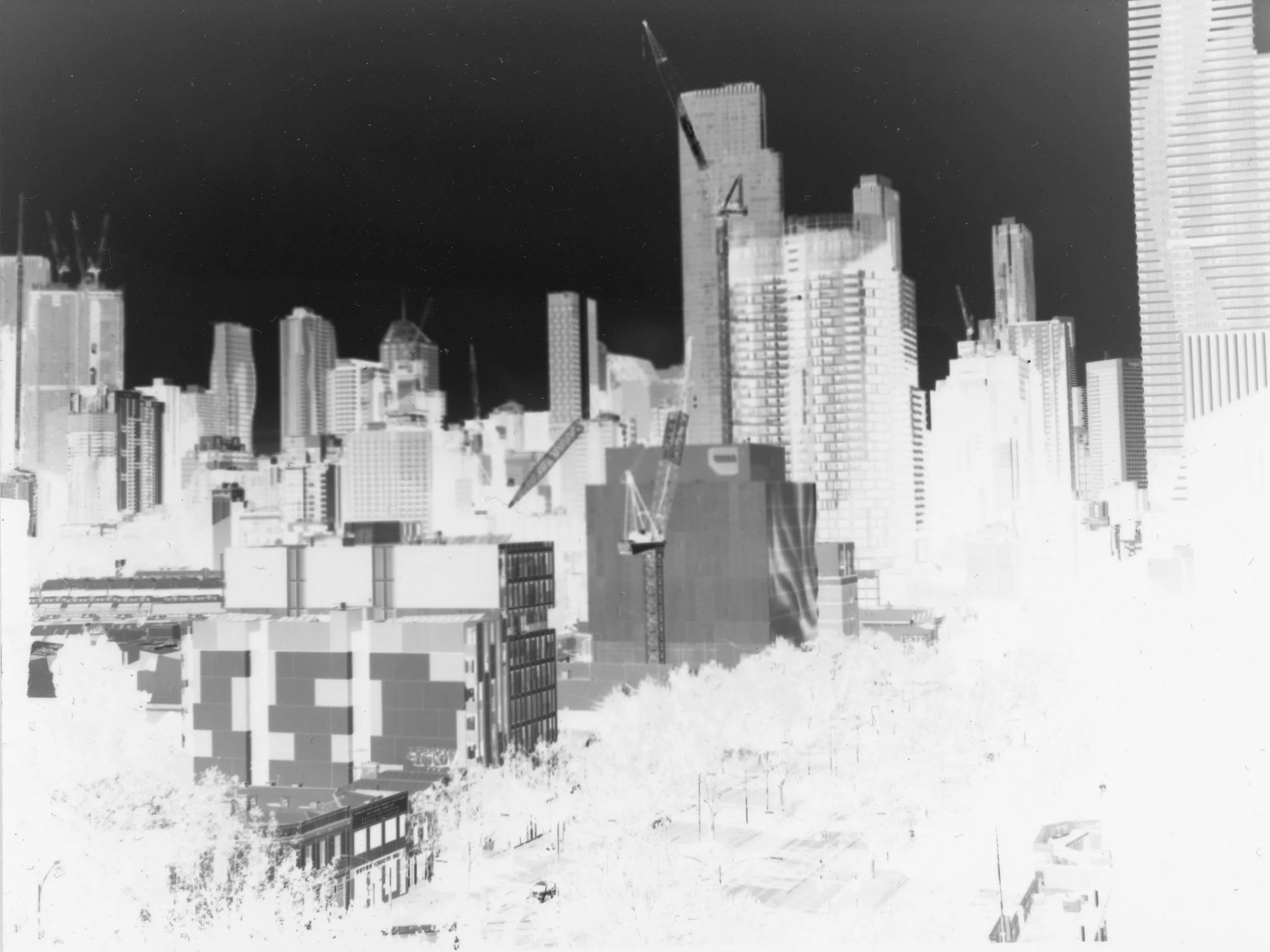
Figure 8. Scanned paper negative captured with 4x5” large format camera
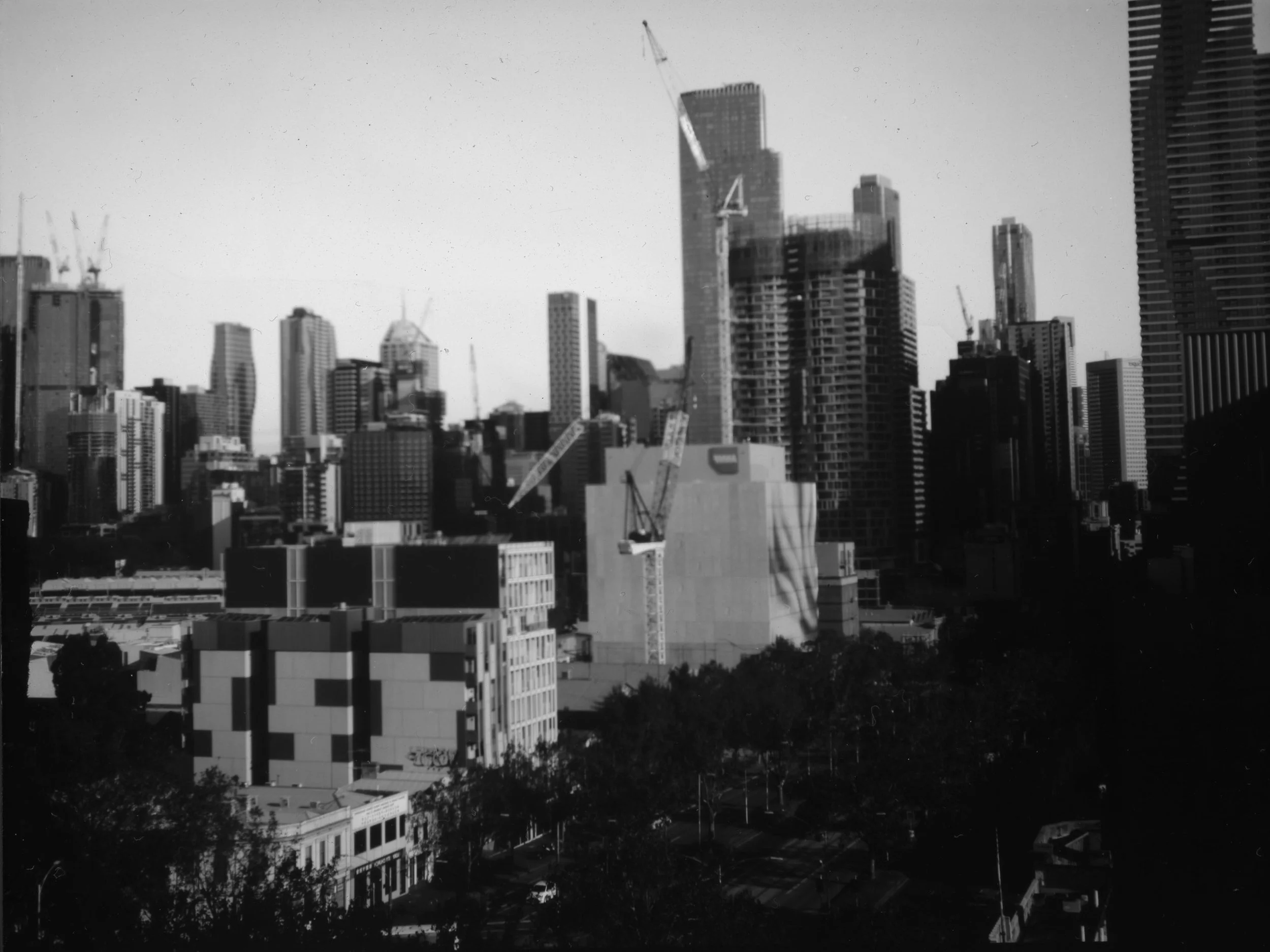
Figure 9. Digitally inverted scan of paper negative captured with 4x5” large format camera
35mm photography
To alleviate the frustration of developing my practice in pinhole photography and with the Diana F+, I shot a roll of 35mm film with the EOS3 riding home from work along the Merri Creek Trail through Thomastown and the Upfield Shared Path through Coburg and Brunswick. Frankly, I needed a reminder that I do know how to use a film camera and take a photograph and get loose myself in developing 35mm negatives.
Figure 10. Sharp left, 2022, scan of original 35mm negative
Figure 11. Mohawk Merri, 2022, scan of original 35mm negative
Figure 12. Pearville, 2022, scan of original 35mm negative
Figure 13. Charred, 2022, scan of original 35mm negative
Figure 14. Hard right … harsh reality, 2022, scan of original 35mm negative
Figure 15. All aboard, 2022, scan of original 35mm negative
Keywords
Studio 1, Week 2, 35mm, Pinhole cameras, Paper negatives, Experimental photography
Making pinhole cameras
I am preparing several boxes in various sizes to make my first pinhole cameras, including purchased gift boxes and recycled darkroom paper boxes. Given that pinhole photography is one of the oldest pre-digital forms of the craft and will also use iPhone and Beats packaging. Sealing the units to prevent light leaks will be most challenging.
The juxtaposition of old tech using new tech is amusing and questions the longevity of methods. Although today’s technology allows for multiple backup systems, this has not always been the case. Notably, many of my backup drives and DVDs from the late 1990s to 2000s have corrupted, with the files now irretrievable. Double backups have proven futile over this period, while my negatives are perfectly intact.
Gift boxes and iPhone box pinhole camera preparation
Figure 1. Applying undercoat of gesso to box interiors before painting black to aid light proofing of pinhole cameras
Figure 2. Once the gesso is dry, the box interiors are painted black for additional light proofing
Figure 3. Once the gesso is dry, the box interiors are painted black for additional light proofing
Figure 4. Second and final coat of black paint to aid light proofing of boxes for pinhole cameras
Photo paper box pinhole camera preparation
A photo paper box is lightproof and makes good pinhole cameras, particularly for exposing on paper (making paper negatives). I am experimenting with making a housing to keep the paper stable in the box during exposure (Figures 5–7).
Figure 5. Making paper negative housing prototype for pinhole camera
Figure 6. Making paper negative housing prototype for pinhole camera
Figure 7. Paper negative housing prototype for pinhole camera (I have no idea if this will work)
Panorama
I am also exploring making a wide-angle pinhole camera (Figure 8), prompted by researching how to make a panorama pinhole for 35mm and 120mm film. A wine box could work well with its solid construction. Although the depth and width of the box ‘should’ be adequate, it could be adjusted by cutting down or extending the sides.
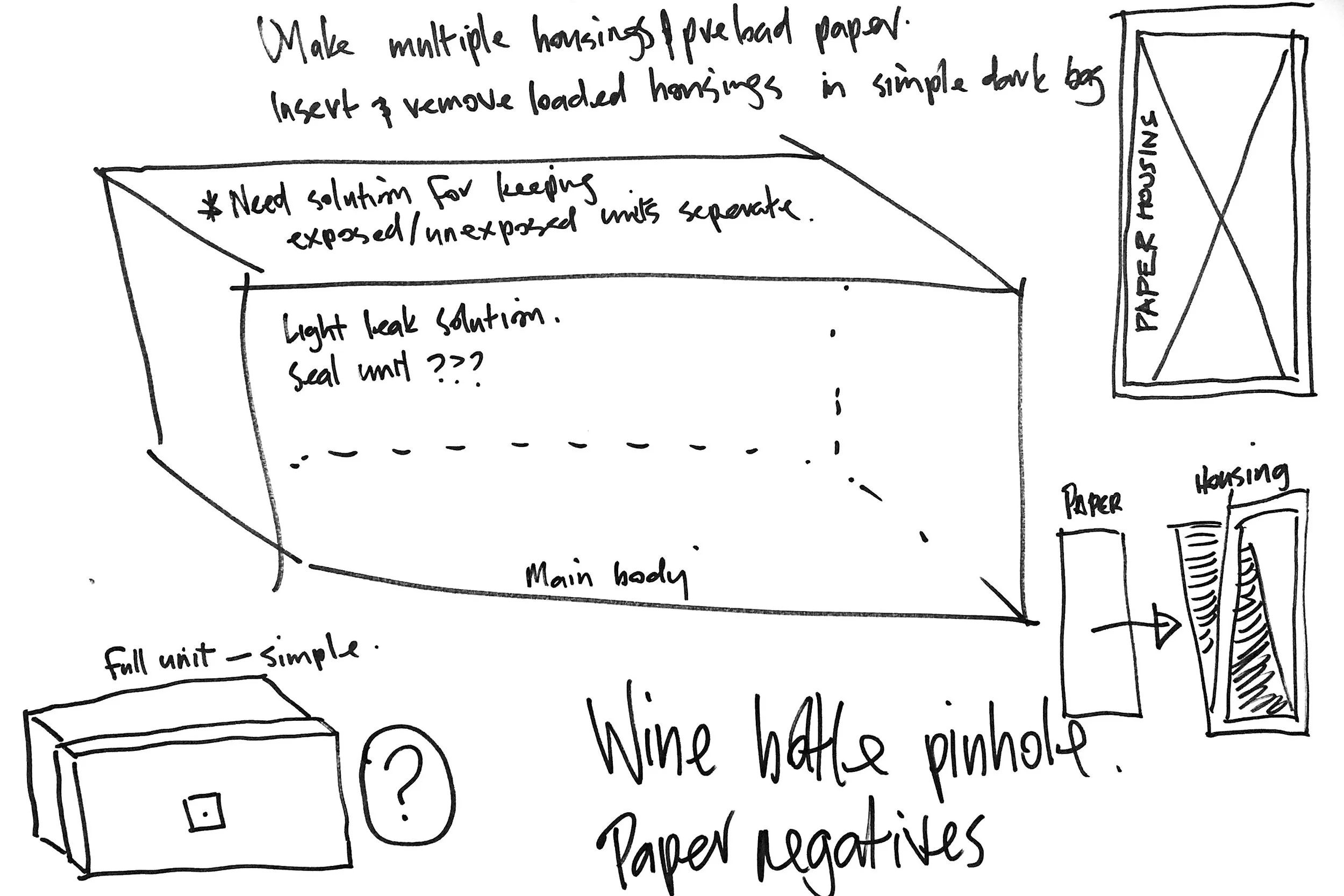
Figure 8. Design rough for panorama pinhole camera using wine box
Reflection on selecting resolved work
My task is to produce one resolved work per week over the remaining weeks of the semester. Although only two weeks in, there are several interesting points to note. First, selecting a single image as 'resolved' is more challenging than anticipated. This is partly due to my spending at least a decade working on a series where the artworks are created or curated for a predetermined (or planned) outcome. The task of making one resolved work per week fosters a different way of thinking about how I make and curate my art.
'Letting go' when working on a series is simple, considering one is developing a narrative that underpins an overarching topic. Although only two weeks into the task, I can see how breaking this mindset down is a valuable creative and personal learning curve while taking 'letting go' to new heights.
Time to choose.
S1 Week 1: Diana and AE1
Figure 1a. Untitled (Docklands – full sequence), 2022, scan of 120mm negative — Photographed 15 April 2022, Week 01
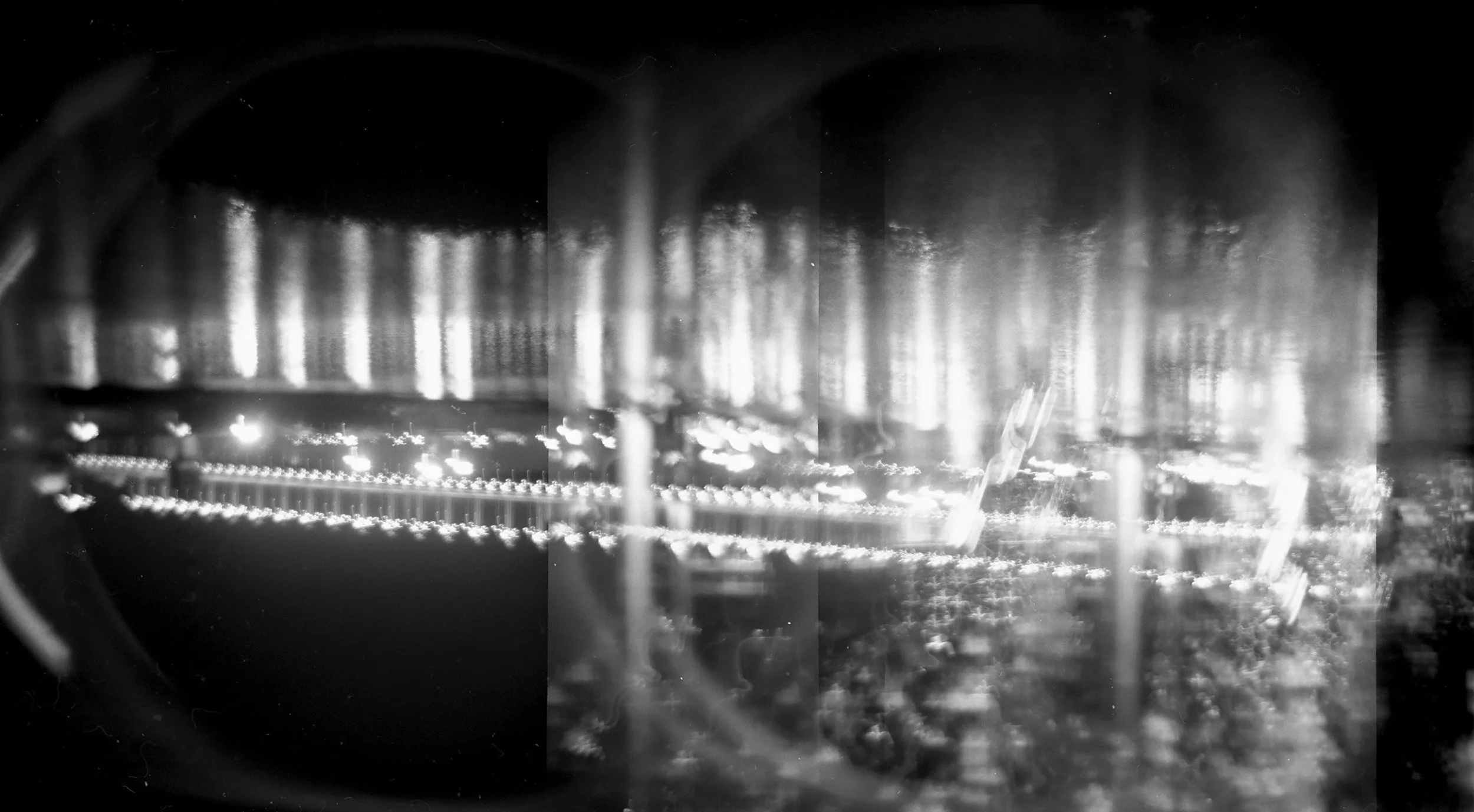
Figure 1b. Untitled (Docklands – partial sequence 1), 2022, scan of 120mm negative — Photographed 15 April 2022, Week 01
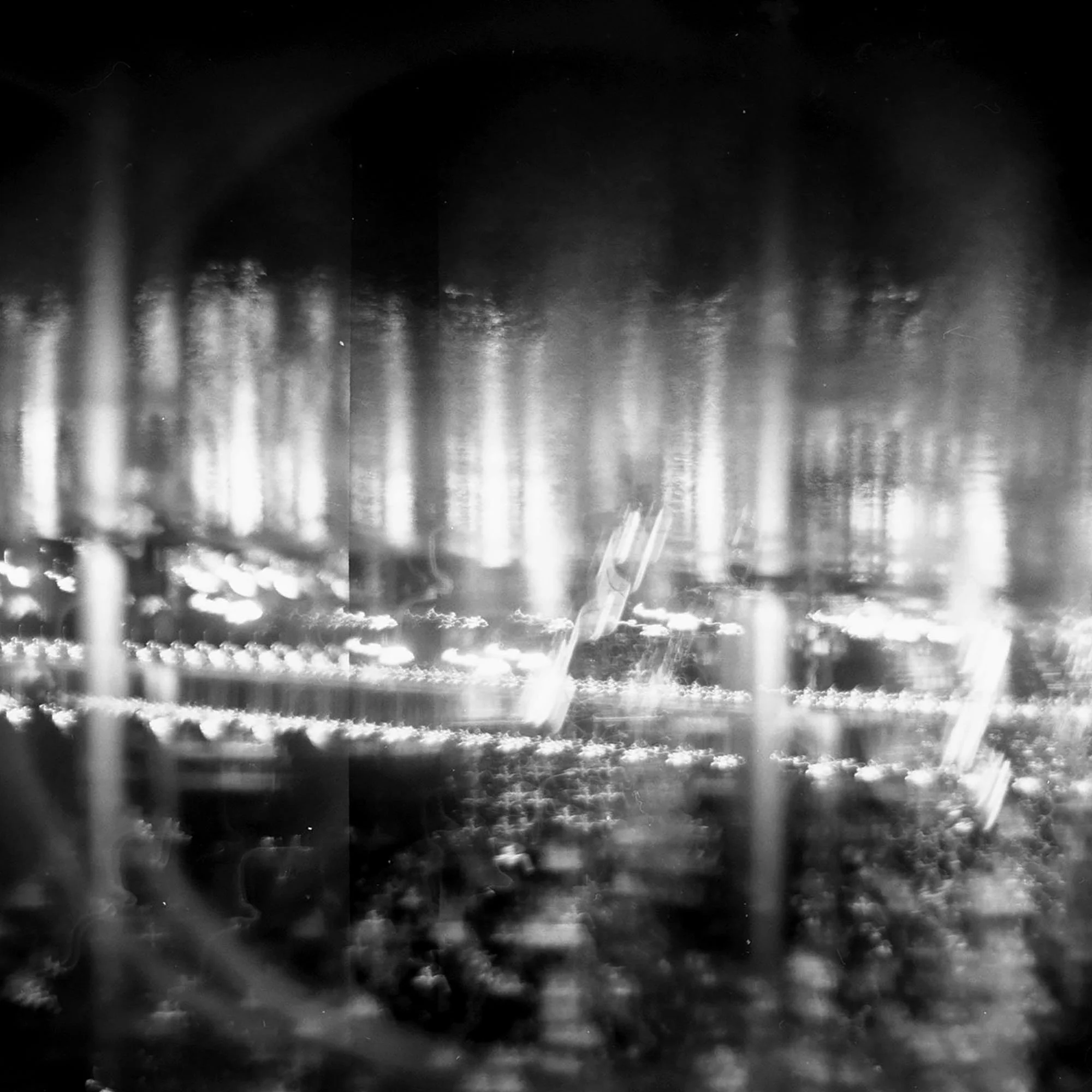
Figure 1c. Untitled (Docklands – partial sequence 2), 2022, scan of 120mm negative — Photographed 15 April 2022, Week 01
Figure 2. Untitled (Docklands), 2022, scan of 120mm negative — Photographed 15 April 2022, Week 01
Figure 3. Untitled (Arts House), 2022, scan of 120mm negative — Photographed 15 April 2022, Week 01
Figure 4. Untitled (Arts House), 2022, scan of 35mm negative — Photographed 17 April 2022, Week 01
Figure 5. Untitled (CBD), 2022, scan of 35mm negative — Photographed 17 April 2022, Week 01
Figure 6. Untitled (CBD), 2022, scan of 35mm negative — Photographed 17 April 2022, Week 01
Figure 7. Untitled (CBD), 2022, scan of 35mm negative — Photographed 17 April 2022, Week 01
Keywords
Homework, Week 01, Lomography