
The latter half of my practice-led research for Studio 3 began with developing a new project titled Possibilities. A work in progress, the concept for the project is situated at the juncture where alternative modes of image capture meet radical darkroom processes to investigate the potentiality of “chaos and instability”, whereby chaos provides the system with an inevitable state of unknowing from which unexpected activity patterns can be developed (Schuldberg 2011, 188).[1]
In contrast to past work, including Across a synapse (Figure 1), Respite (Figure 2) and Spheres (Figure 3), Possibilities combines alternative analogue photography – using in-camera multi-exposed captures (Figure 4) – with radical experimental darkroom processes to create a unique gelatin silver polyptych wall mural comprising nine 700x1270mm vertical panels from the one negative, which, when installed, would measure approximately 7 metres (Figure 8).
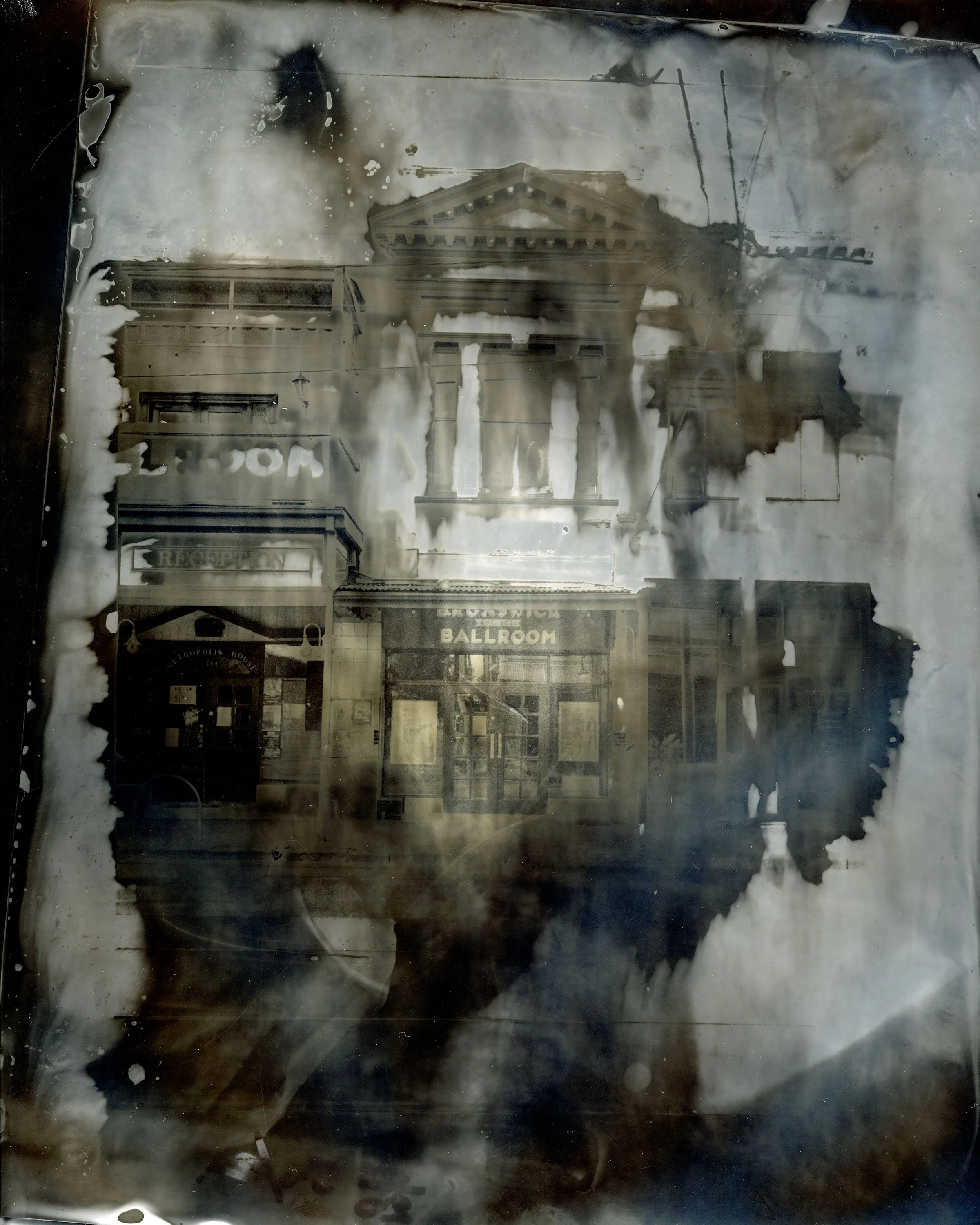
Figure 1. Across a synapse, 2022, digitally enhanced scan of unique 203x254mm (8x10”) solarised gelatin silver print
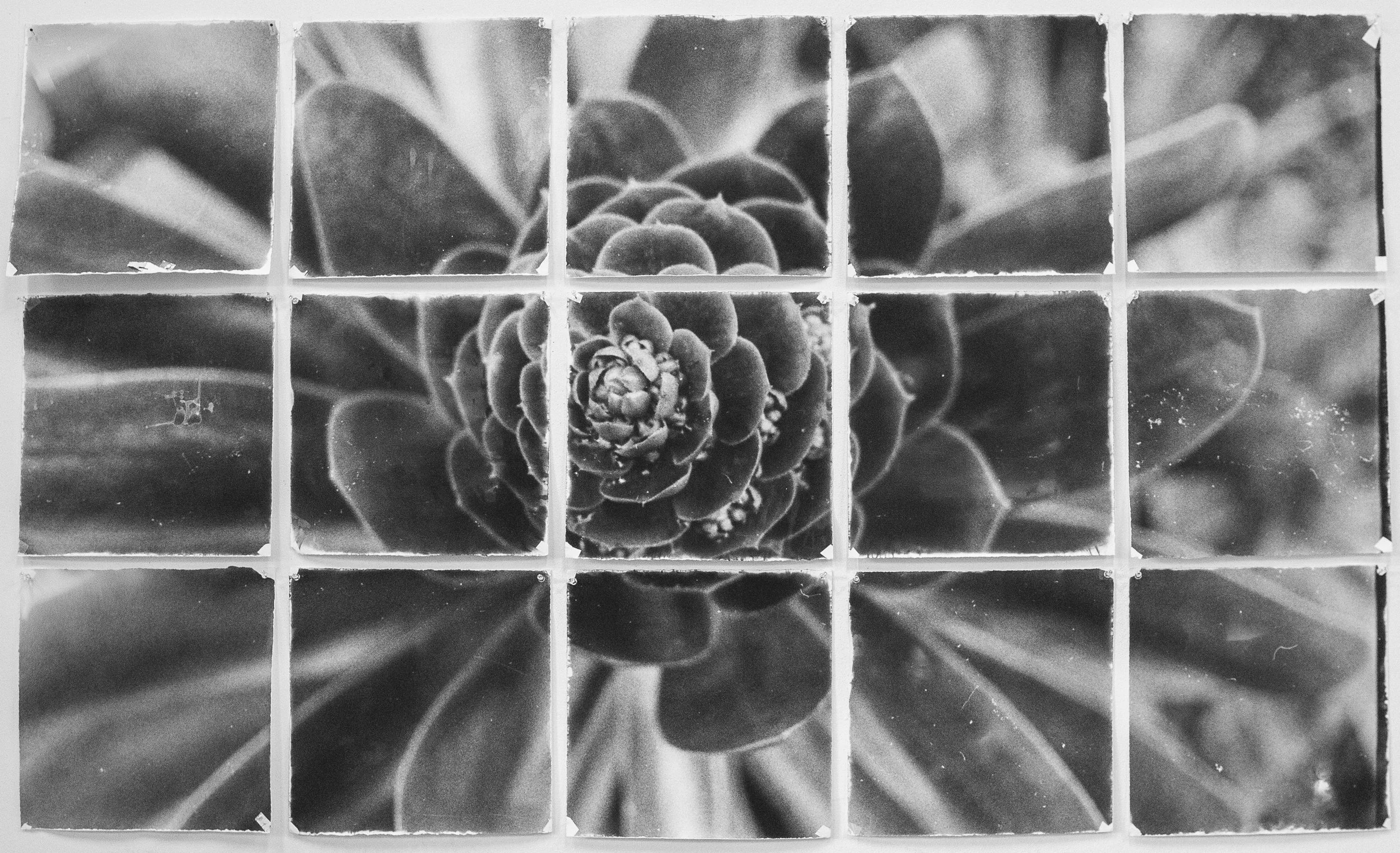
Figure 2. Respite, 2022, 1900x1200mm (approx) unique polyptych print comprising a single 35mm exposure over fifteen 370x370mm hand-torn sheets of gelatin silver paper, hand brushed to develop. Installation view, Level 3, Building 49, RMIT University Melbourne, 2023
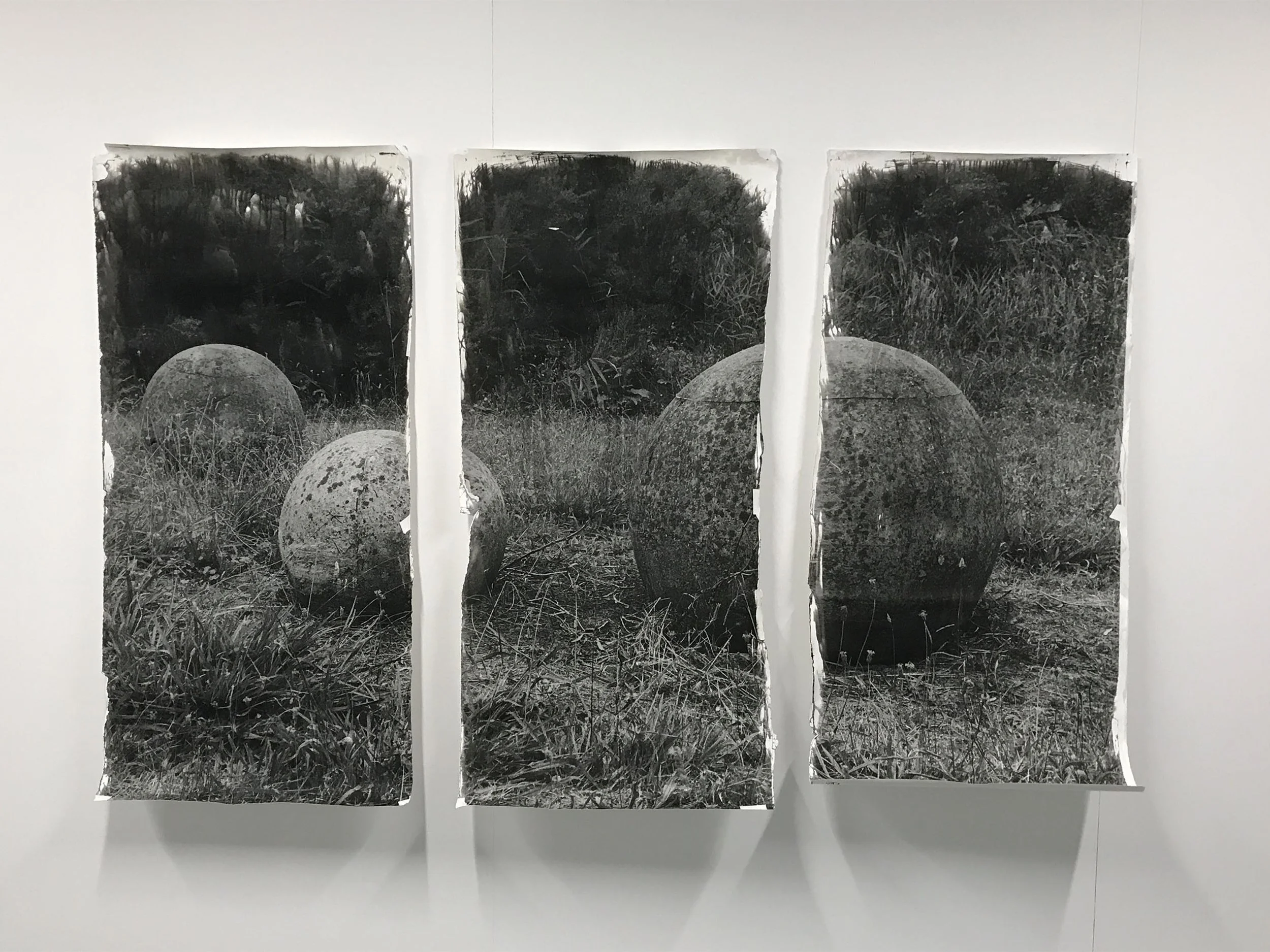
Figure 3. Spheres, 2023, unique print comprising single 35mm exposure over three hand-torn sheets of gelatin silver paper (650mmx1.27 metres approx sheet size), hand brushed to develop, 2.1x1.27 metres installed (approx). Installation view, Level 2, Building 39, RMIT University Melbourne, 2023
Figure 4. Possibilities, 2022, scan of 35mm in-camera multi-exposed negative (continous capture spanning 3.5 frames)
Recent studies have found that “Several characteristics of chaos are seen in the creative process and product”. The author continues, stating, “Artistic work is very sensitive to stimuli and speaks of the role of the ‘inconsequential’ in art, the unpredictable but not random influences” (Schuldberg 2011, 188). These theories contextualise several practice-led systems I have developed to explore and prompt novel and compelling ways to produce aesthetically informed works of art to extend my visual language (Bryant 1986, 102).
Notably, experimental photography, as with abstract painting seen in the work of greats such as Picasso, requires “proficiency in the conventional execution of techniques and strategies – such as composition, exposure settings and the inherent qualities of base materials, including film and substrates – is essential before understanding how to exploit and debase the rules of the medium that reflect intent and purpose to achieve successful results in the final works of art” (Damage 2022, 32).
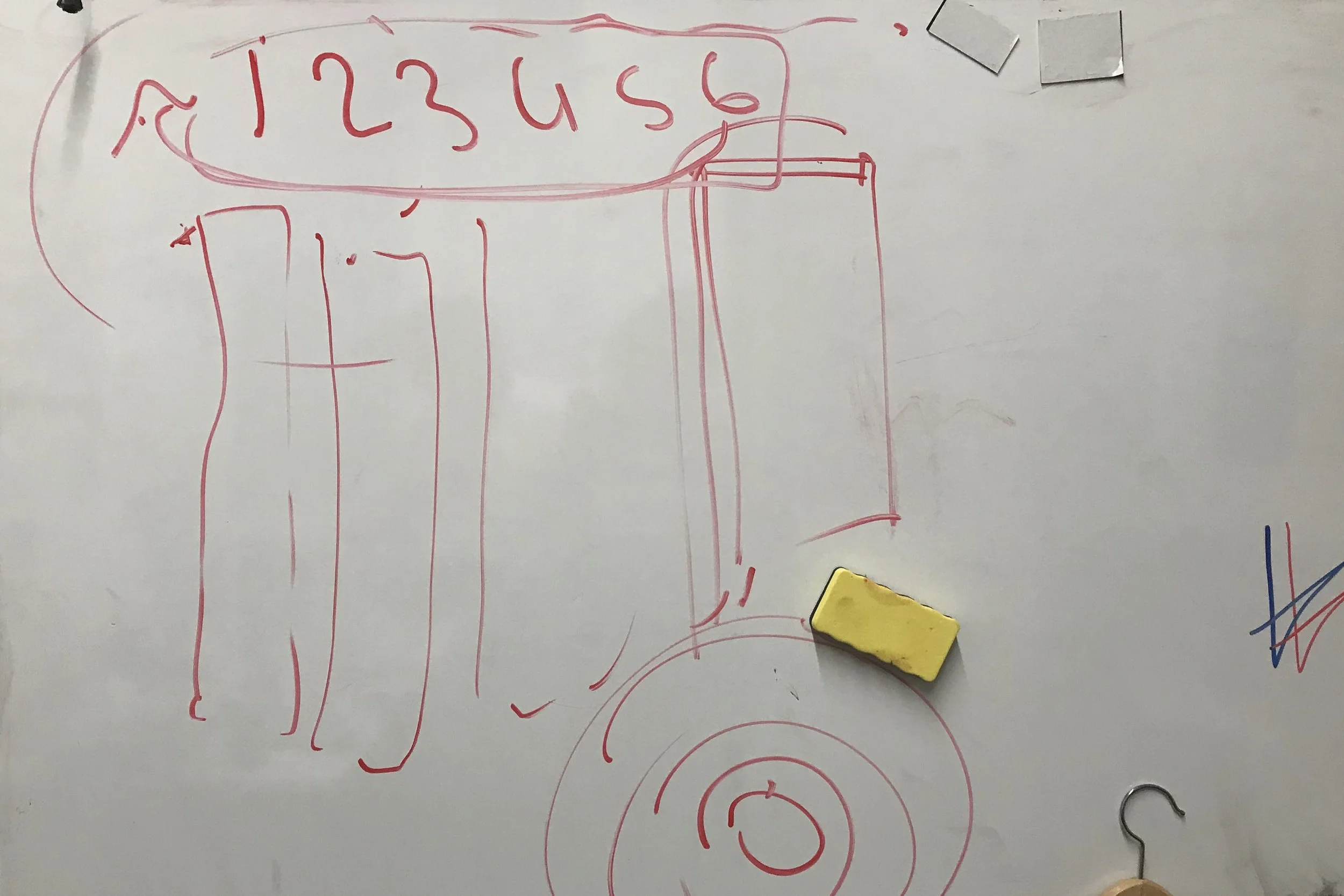
Figure 5. Drawing concepts for oversized polyptych wall mural during supervisor meeting, 2023. Getting ideas out of my head and onto paper is an important part of my creative process
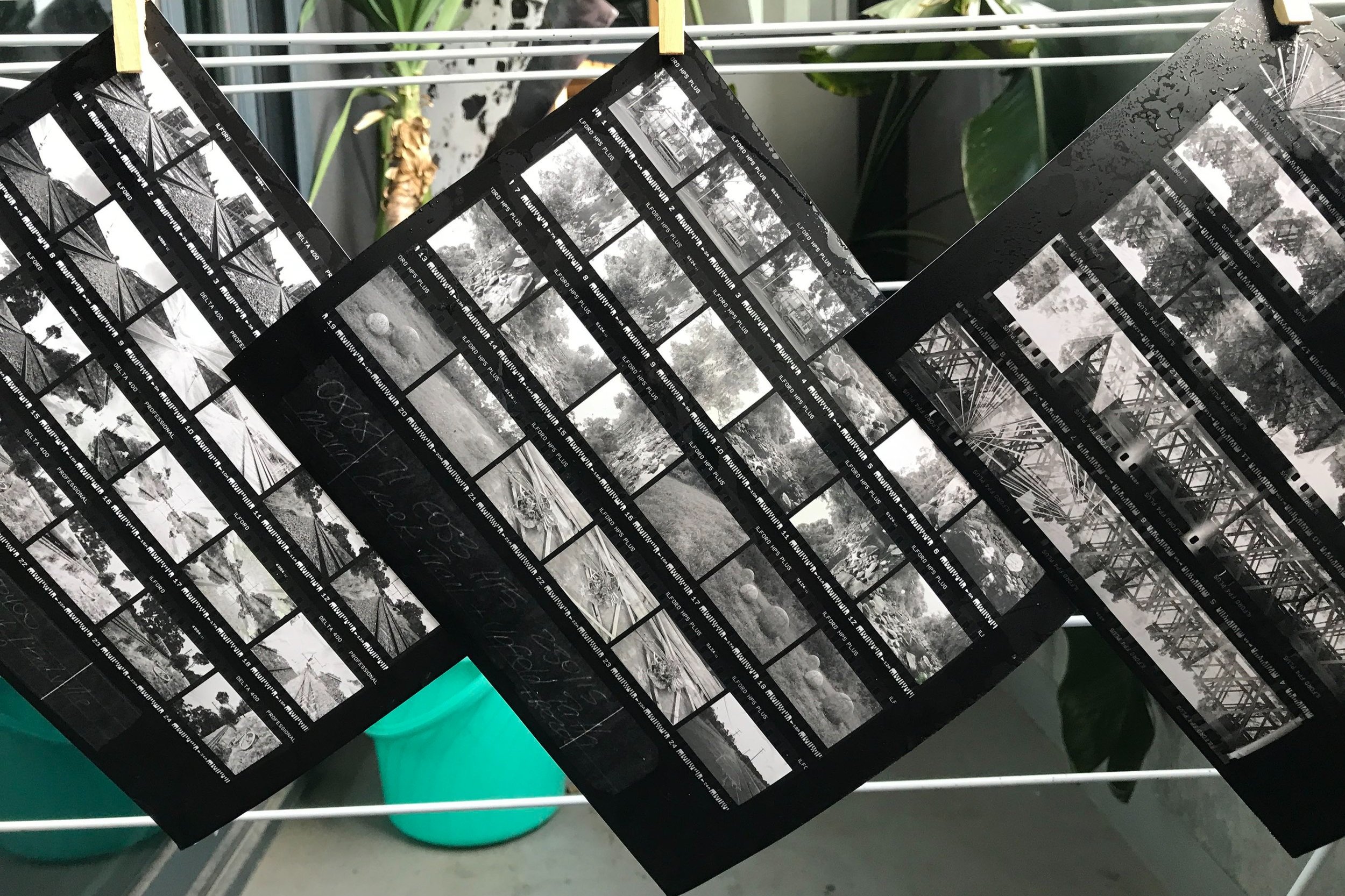
Figure. 6. Contact sheets of negatives are made to check the integrity of the captures in the first stage of shortlisting the images I will work with to create the oversized polyptych wall mural, 2023
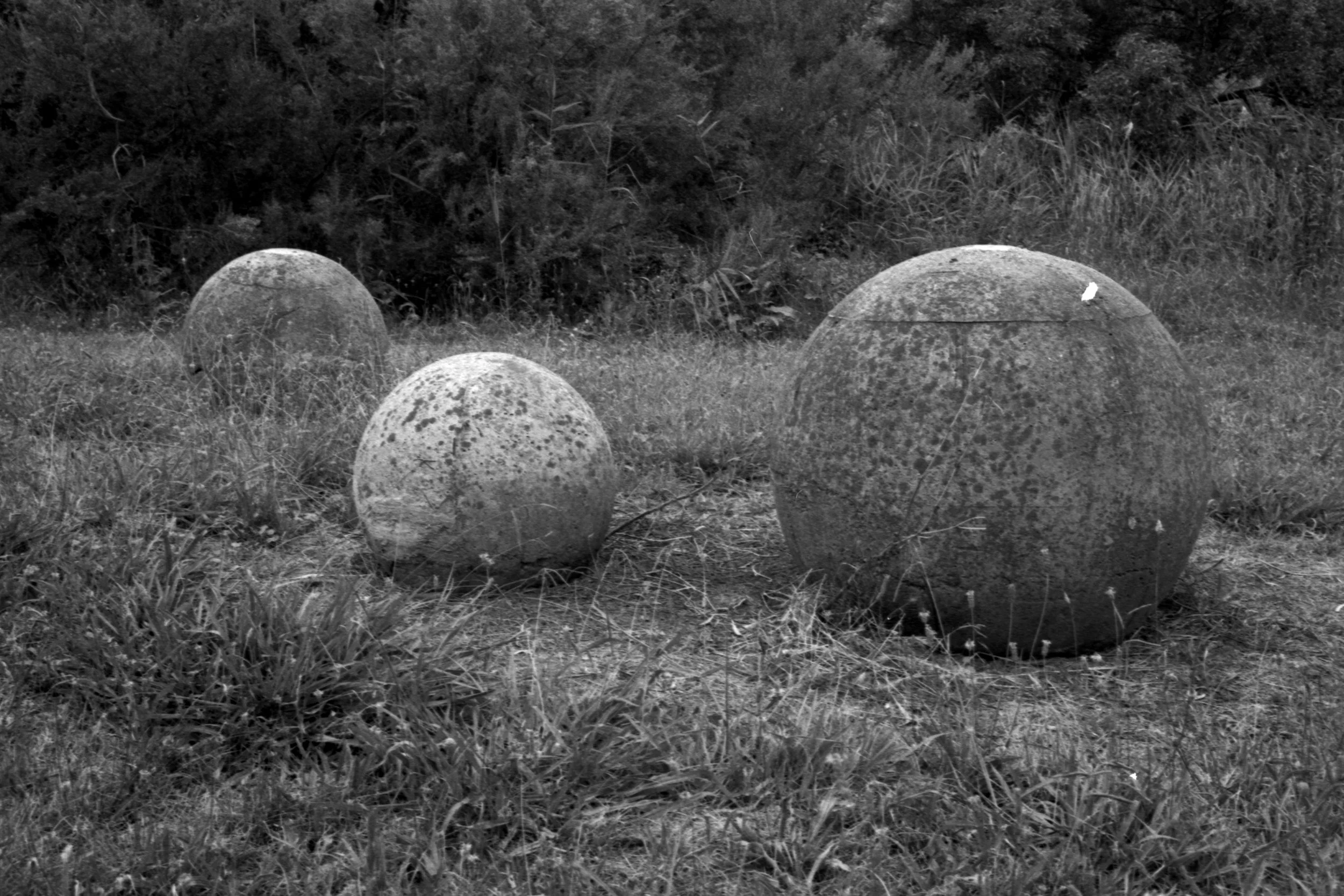
Figure 7. Untitled (Spheres), 2023, scan of 35mm negative used to create my unique gelatin silver print, Spheres
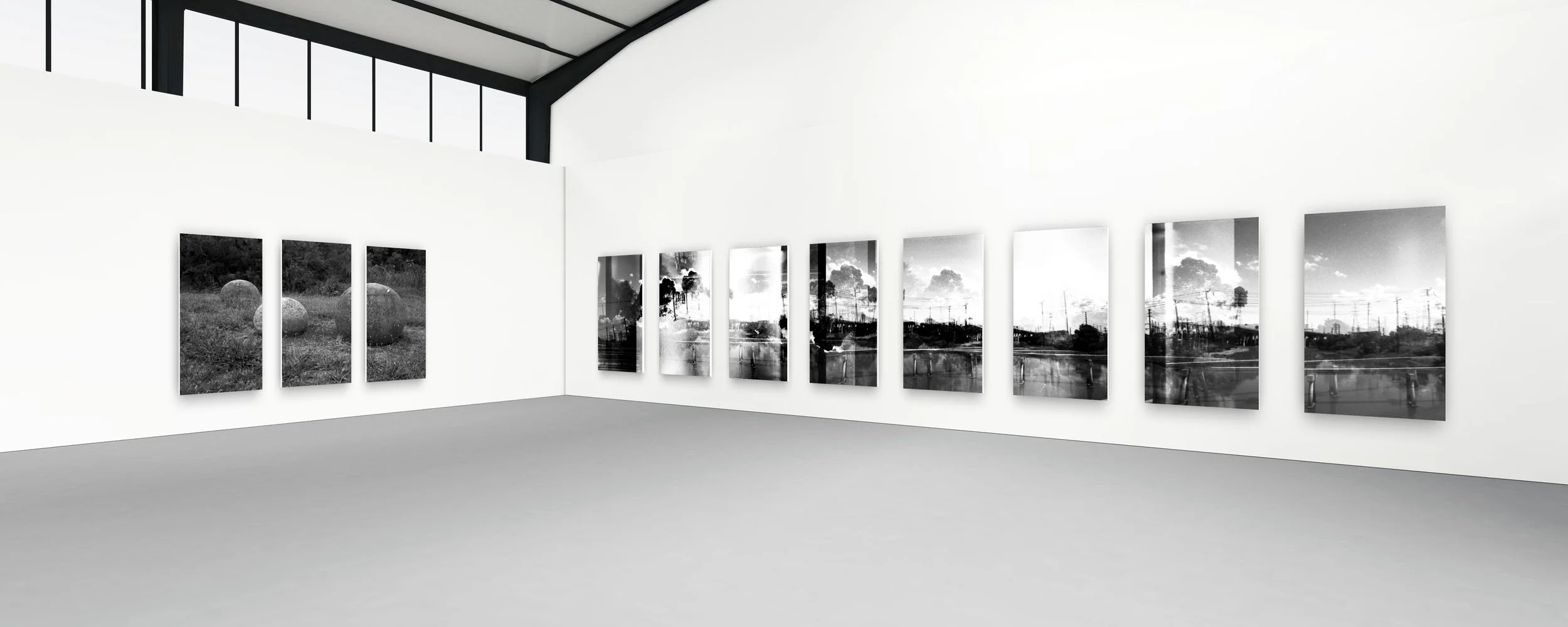
Figure 8. Virtual installation rough of Untitled spheres (Figure 3) and Possibilities (Figure 4) help troubleshoot what works and what does not, thus helping in shortlisting the selection of images I have chosen to work with, 2023
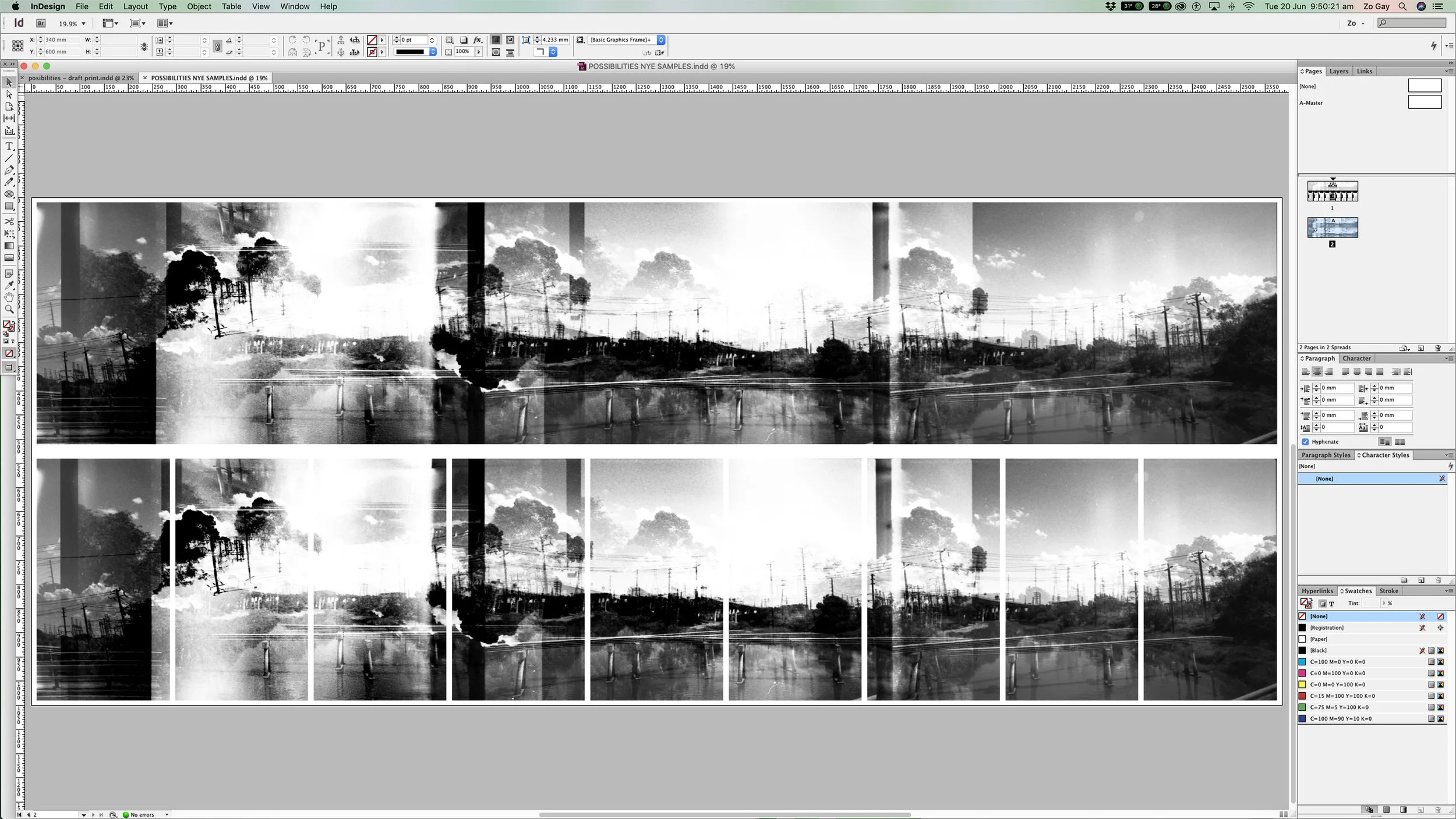
Figure 9. InDesign rough used to generate initial scaled laser print prototypes for Possibilities wave wall (Figure 11) and polyptych wall mural (Figure 12) concepts, 2023
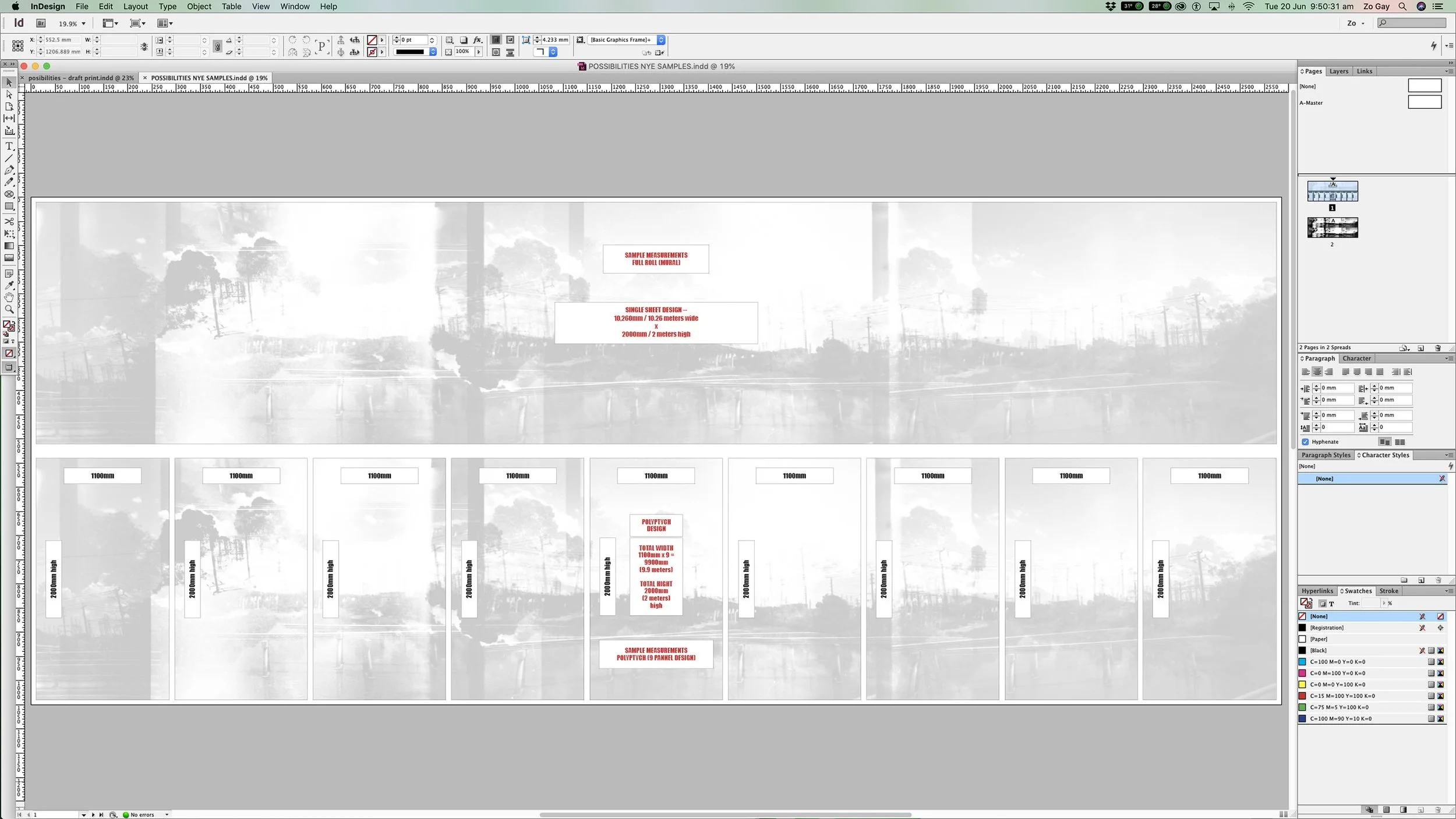
Figure 10. Notated InDesign rough used to generate initial scaled laser print prototypes for Possibilities wave wall (Figure 11) and polyptych wall mural (Figure 12) concepts, 2023
Figure 11. Initial scaled laser print prototype for Possibilities wave wall concept, 2023
Figure 1012 Initial scaled laser print prototype for Possibilities polyptych wall mural concept, 2023
Darkroom tests
Figure 13. Possibilities, 350x140mm gelatin silver proof, detail print of approx 2/3 of negative with 120 second exposure, 2023
Figure 14. Possibilities, 350x140mm gelatin silver proof, detail print of approx 2/3 of negative with a 60 second exposure, 2023. To expose the negative at its intended size (1.2 metres on the narrow edge), the enlarger must be approximately 4 metres from the substrate, weakening the light source, increasing the exposure times ten
Figure 15. Possibilities, 350x140mm gelatin silver proof, detail print of approx 2/3 of negative with 120 second exposure, 2023. Anticipated issues arising from excessive exposure include fogging, where the exposed print becomes murky like fog. As such, the darkroom processes must be reassessed to cultivate more desirable outcomes
Mural print tests
Footnotes
[1] According to Schuldberg (2011, 188), “The creative process must avoid stasis, stagnation, and premature closure, capture by fixed-point or limit-cycle attractors, and the strictures of an imperious environment. The author continues, stating that “Chaotic systems may demonstrate healthy flexibility, adaptability, readiness for change, resistance to environmental entrapment, autonomy, and openness to new information” (ibid).
Bibliography
Bryant, Eric. 1986. “Photoworks: When Pictures Vanish.” Library Journal 121 (10): 102. https://www-proquest-com.ezproxy.lib.rmit.edu.au/docview/196788978/citation/37E6B5F915B5444APQ/1?accountid=13552.
Damage, Zo. 2022. “Master of Fine Art, Studio 2, Combined methodology report with folio of artworks”. PDF.
Schuldberg, D. 2011. “Chaos Theory And Creativity”. Encyclopedia of Creativity, 183-191.doi:10.1016/b978-0-12-375038-9.00037-6.