
Minissale (2021, 138) draws on neuroscience to “develop a new interpretational framework for artworks that make rhythm and matter explicit”, further applying emergence theory – per James D Herbert’s Brushstroke and Emergence (2015) – to analyse art by painters, including (but not limited to) Simon Ingram (Figure 1), Jean Dubuffet (Figure 2), Georges Braque (Figure 3) and Paul Cézanne (Figure 4).
According to Minissale, “the concept of emergence is to suggest that an entirely new phenomenon with novel features can arise from the interactions between components or processes which themselves possess none of these novel features” (ibid). The author states that “Neural activity and the movements of the artist’s hand, refined or stylised through learned routines and practice, produce brushstrokes that are rhythmically worked up into a greater whole, forming the image […] What comes together is the recognisable style of an artist” (ibid, 139).
To illuminate, Minissale (ibid, 199) claims Ingram’s titling of Automata Painting No. 3 (Figure 1) refers to “cellular automata, modelling squares in a grid that produces a certain patterning based on some kind of simple rule, for example, whether or not certain numbers of neighbouring cells are occupied”. Ingram offers “a glimpse of matter as both simple, in its principle of physical extension, and complexifying through time […] the complexity of which transfers and adapts cellular automata to art-making” (ibid, 200).
Figure 1. Simon Ingram, Automata Painting No. 3, 2004, acrylic on canvas, 900x900mm
Of Dubuffet, Minissale observes, “the striations, pockmarks and erosion in these works, the marks of deep time without an author, can also be read as delicate and rhythmic traces of the artist’s fingering and pressing of inanimate matter” (ibid, 182).
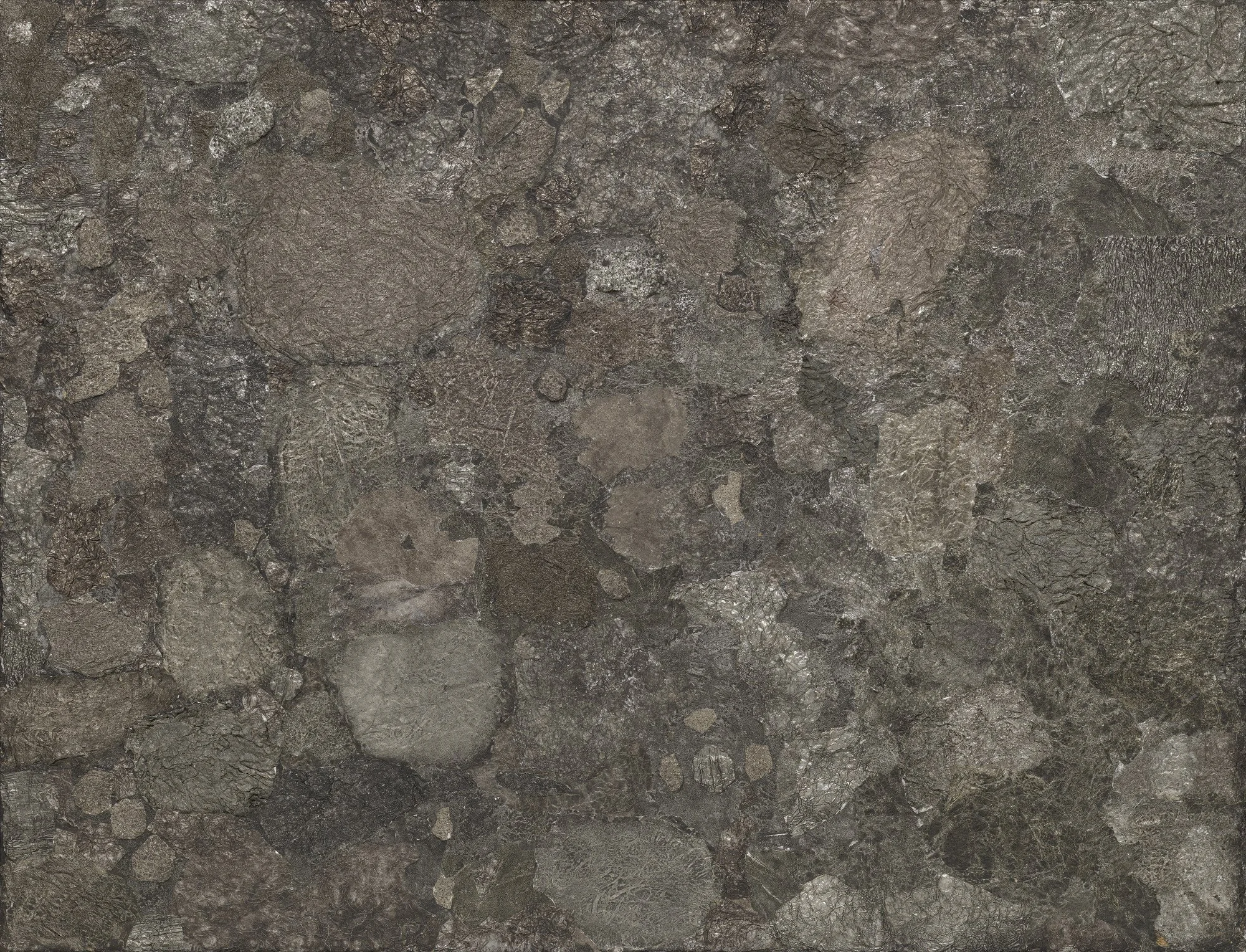
Figure 2. Jean Dubuffet, Soul of the Underground, 1959, oil on aluminum foil on board, 1496x1950mm
In Braque, Minissale (2021, 146-147) observes different facets of “cube-like form repeated in space appears pass through phases from past to present to future […] This serves to stimulate a broader metastability where the sense of order and stability is thrown into disarray. The painting appears to anticipate the viewer’s shifts of position while moving itself, and no matter how often this ‘trick’ is viewed, again and again it erodes stability delightfully”.
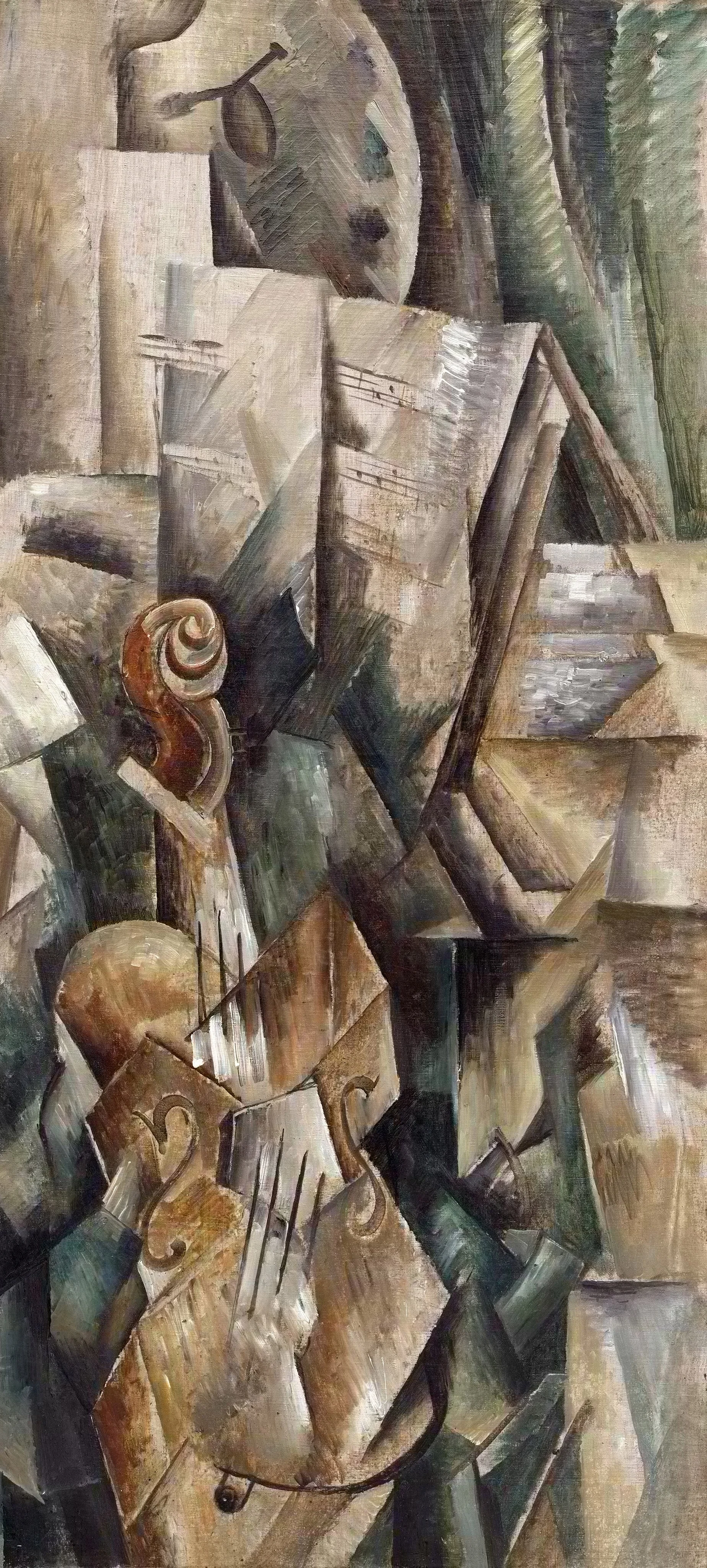
Figure 3. Georges Braque, Violin and Palette (Violon et palette, Dans l’atelier), 1909, oil on canvas, 917x428mm
Likewise, the author asserts that Cézanne’s distribution of brushstrokes creates “a dense metastability”, whereby a “whole view can be maintained in the working memory and can degrade when the brushstrokes are viewed individually to provide a shimmering effect where finegrained details and larger shapes are in tension with each other” (ibid 2021, 141).
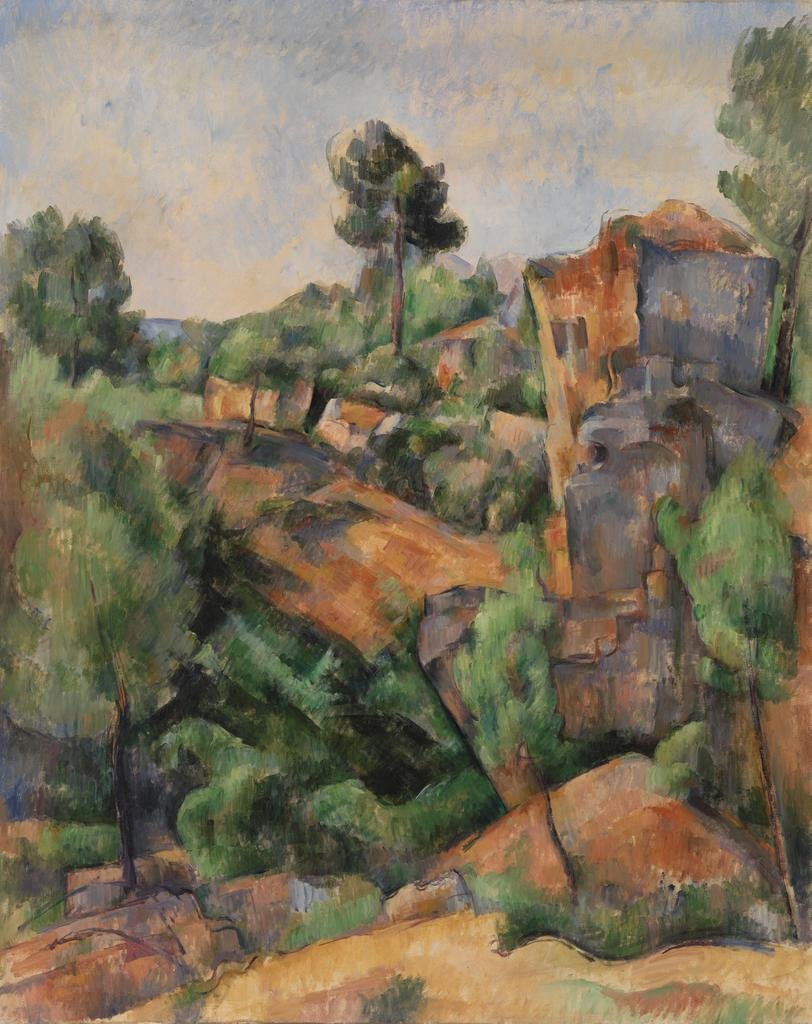
Figure 4: Paul Cézanne, Bibémus Quarry (Carrière de Bibémus), c.1895, oil on canvas, 920×730 mm
Prompted by the theories outlined above, my research further aims to challenge traditional ideals and common tropes of photography (a) applying notions of the indexicality of the painterly gesture – whereby “painting can be regarded as a trace of an activity, that it evokes […] the subjectivity of painting […] and suggests agency” (Graw 2016, 79), and (b) contesting that the “indexicality of painting differs from that of other art forms insofar as it brings its author into play and can therefore be perceived as a manifestation of the artist” (ibid, 2).
While Minissale contextualises cognitive aesthetics in response to making and consuming art through the medium of painting, the author does not consider trace activity, subjectivity or agency in terms of photography.
Graw (ibid, 81) acknowledges photographers such as Wolfgang Tillmans, who relentlessly demonstrate how the medium "can take up the representative and narrative strategies of painting". Despite this, the author asserts that the resultant material surfaces merely “emulate the surface of abstract painting” and that the indexical signs of photography, such as scratched negatives (Figure 6) and deliberate gestalts in exposures (Figure 7) “can be read as manifestations of the author”.[1] Therefore, this suggests “a physical connection to the one who made it [whereby] the picture on canvas offers a condensed store of labour and time in a manner that photography cannot” (ibid, 11).
In contrast, Merleau-Ponty declares that “no sharp difference can be made between the physical work of art and the aesthetic object, even though works of art can exist in multiple copies … and can be lost or destroyed” (Merleau-Ponty (1996, 32).
“no sharp difference can be made between the physical work of art and the aesthetic object, even though works of art can exist in multiple copies … and can be lost or destroyed” (Merleau-Ponty (1996, 32).
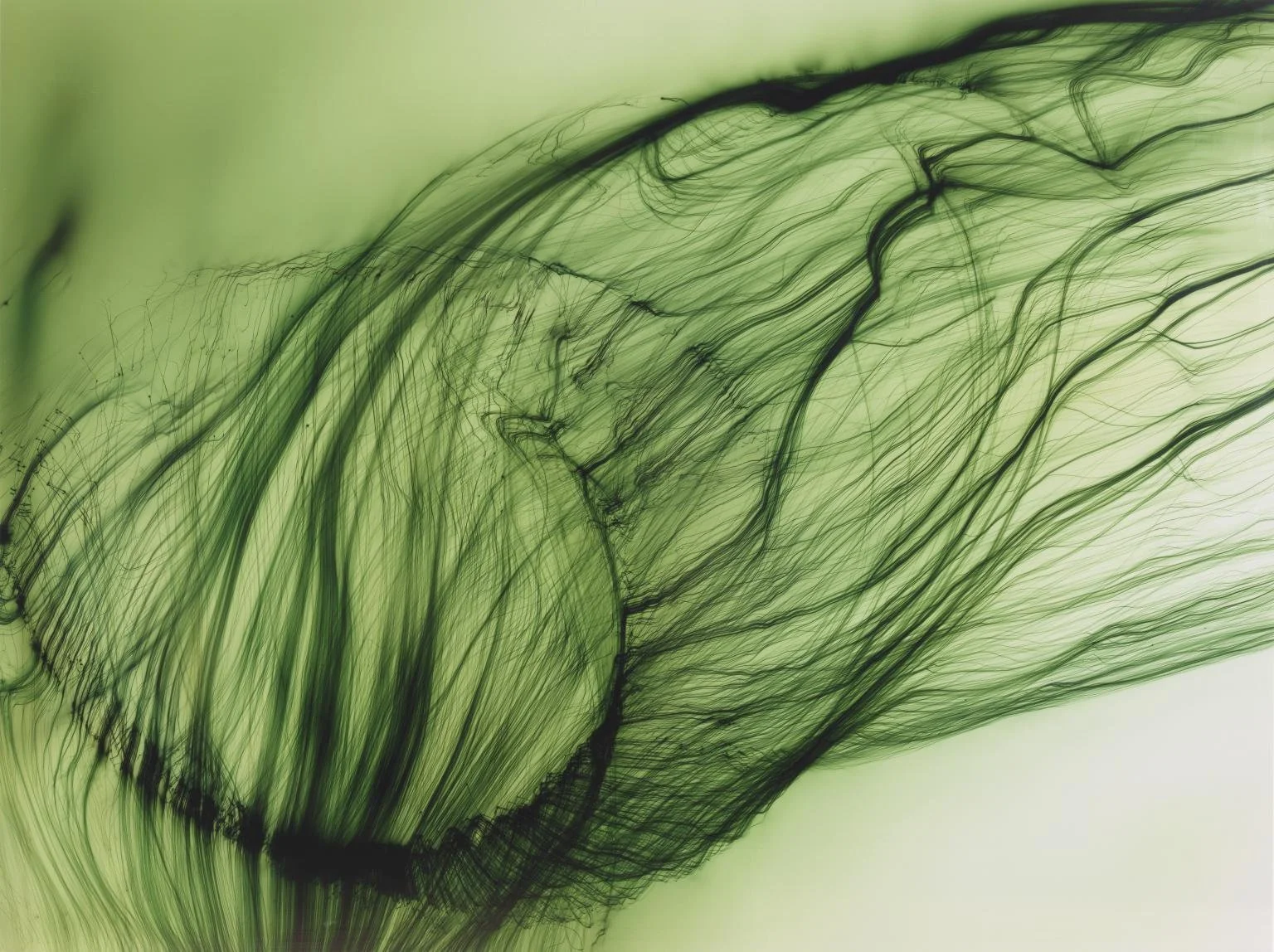
Figure 5. Wolfgang Tillmans, Freischwimmer 16, 2003, c-type print on paper, 2395×1797mm
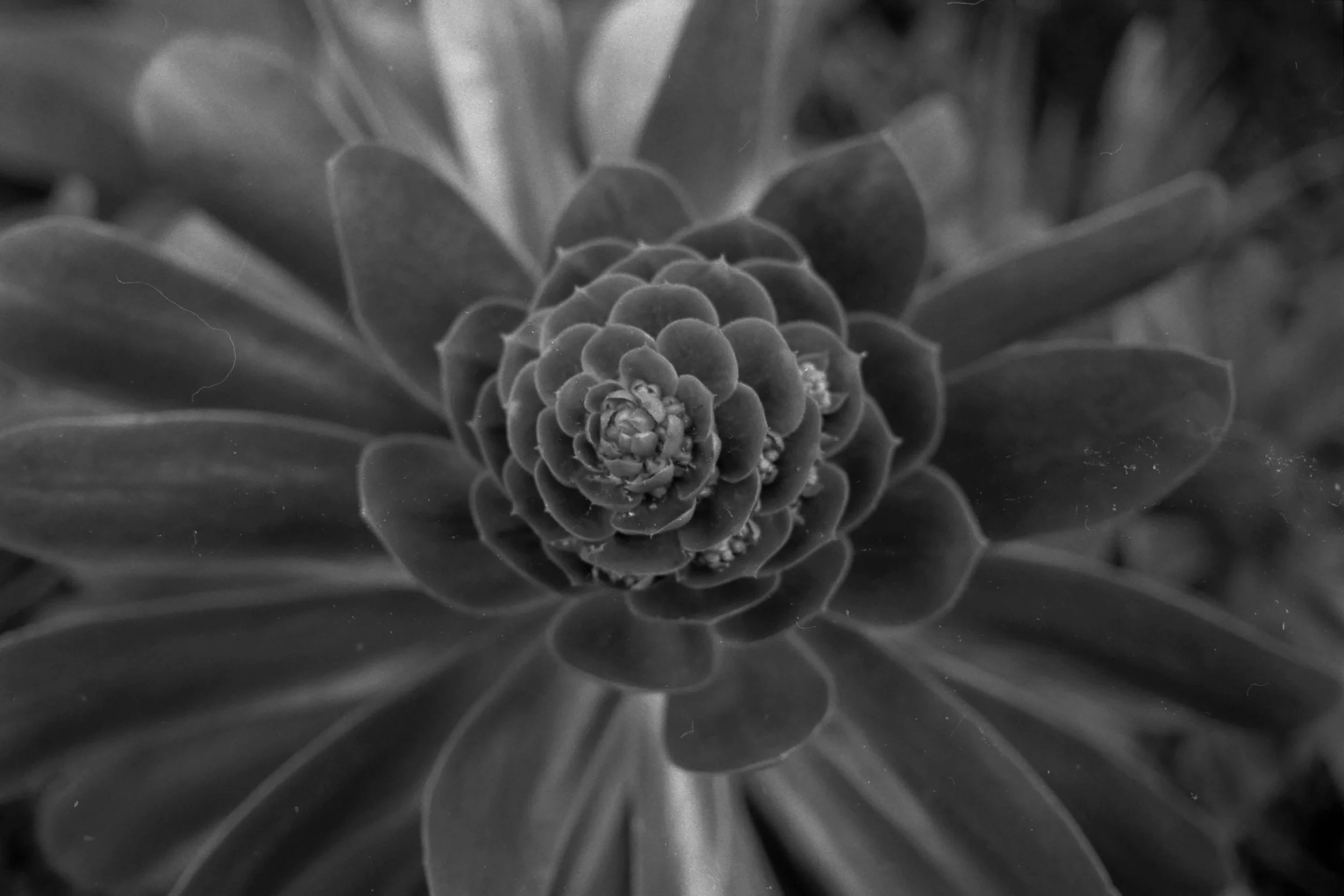
Figure 6. Zo Damage, Untitled succulent. 2022, scan of 35mm negative
Reflecting on the theoretical assumptions of Graw and Minissale as outlined above, my research aims to develop a hypothesis that indicates indexicality – in terms of the painterly gesture as opposed to the photographic index – also applies to process-based modes of photographic practice “insofar as it brings its author into play and can therefore be perceived as a manifestation of the artist” (Graw 2016, 2).
To better inform my theoretical study and practice-led research in generative analogue modes of the medium, I am reading The Merleau-Ponty Aesthetics Reader: Philosophy and Painting (Smith 1996). My aim is to apply Merleau-Ponty’s theories to generative analogue photographic practices. This considers the real-time and unrepeatable occurrence of phenomenological interplays between artist, materials, and methods manifest in part or entirely as the artwork.
In contrast to Graw – who speaks to the photographic image – my study considers “engagement with the photographic object”, where each element influences the other and may be independently or simultaneously altered, built upon, reduced and manipulated to achieve unique outcomes that reflect indexical painterly gestures (Lager Vestberg 2008, 49). This further questions the potential of process-based modes of the medium to deny the medium "of its innate power to record visible reality" (Chao 2017, 302) and subvert common ideals of what defines photography and the photographic image (Persinger 2014, 13).
I propose that Graw fails to recognise that – in the case of Tillmans and artists such as myself, Sigmar Polke, Eileen Quinlan and Mariah Robertson – the artwork, as with painting, is a real-time, unrepeatable manifestation and layering texture, tone and form through the manipulation of light-space time tensions.[2]
To illuminate and in reference to my own practice, I will briefly outline four analogue photographic processes that relate to and refute the theories proposed by Graw.
First, alternative modes of lens-based capture where traditional darkroom techniques are applied in their creative outcomes.
Second, conventional modes of lens-based photography that are realised using experimental darkroom techniques.
Third, cameraless and conventional modes of the medium that use experimental darkroom techniques in the making of the finished artwork.
Also considered are installations that bring “the author into play as a manifestation of the artist” (Graw 2016, 11) while “cultivating interactions between observer, artworks and space [that] can interpret and synthesise individual real-time experiences” (Damage 2021, 9).
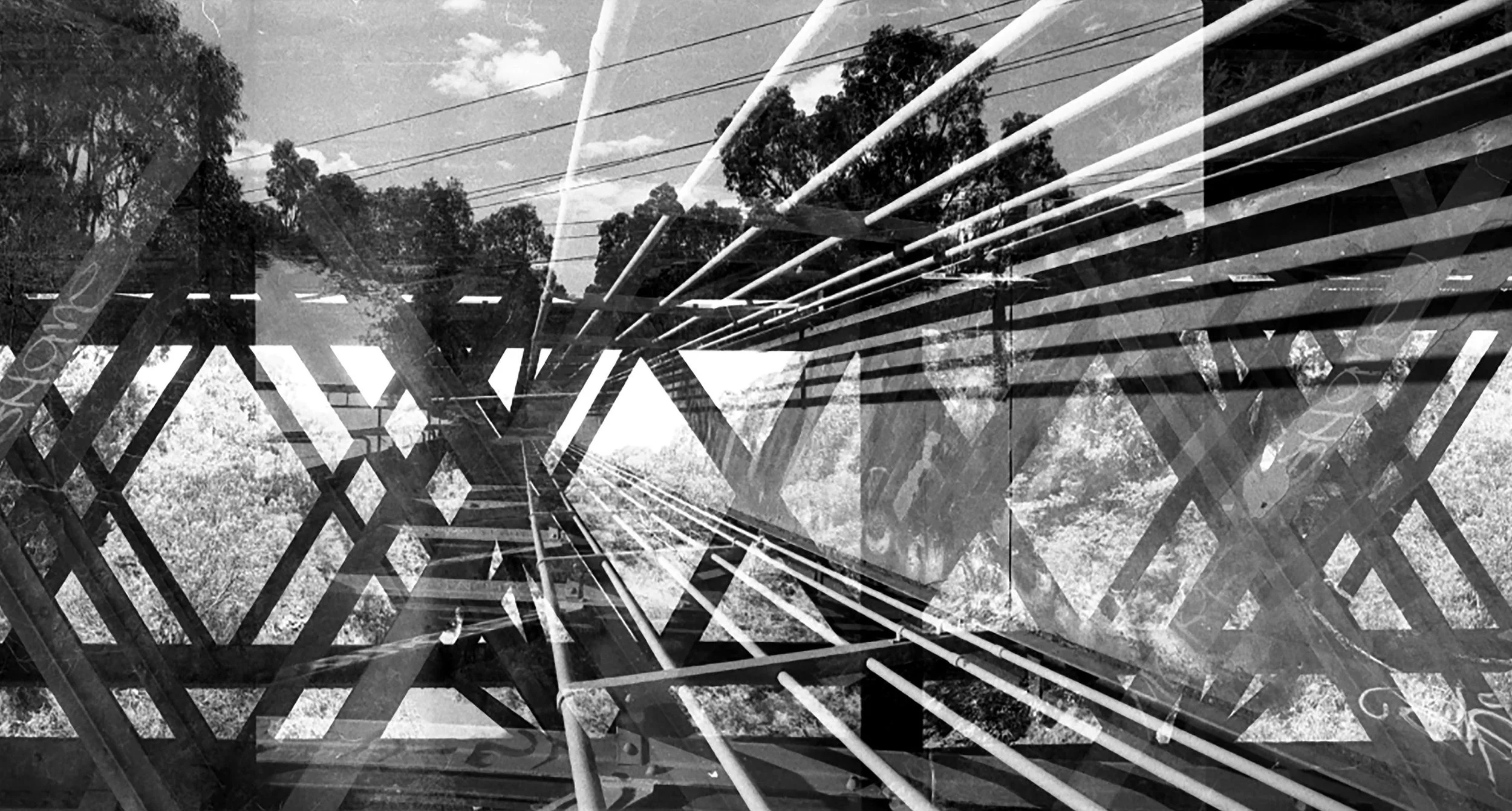
Figure 7. Zo Damage, Bridging gaps with Asimov, 2022, scan of 35mm in-camera multi-exposure negative
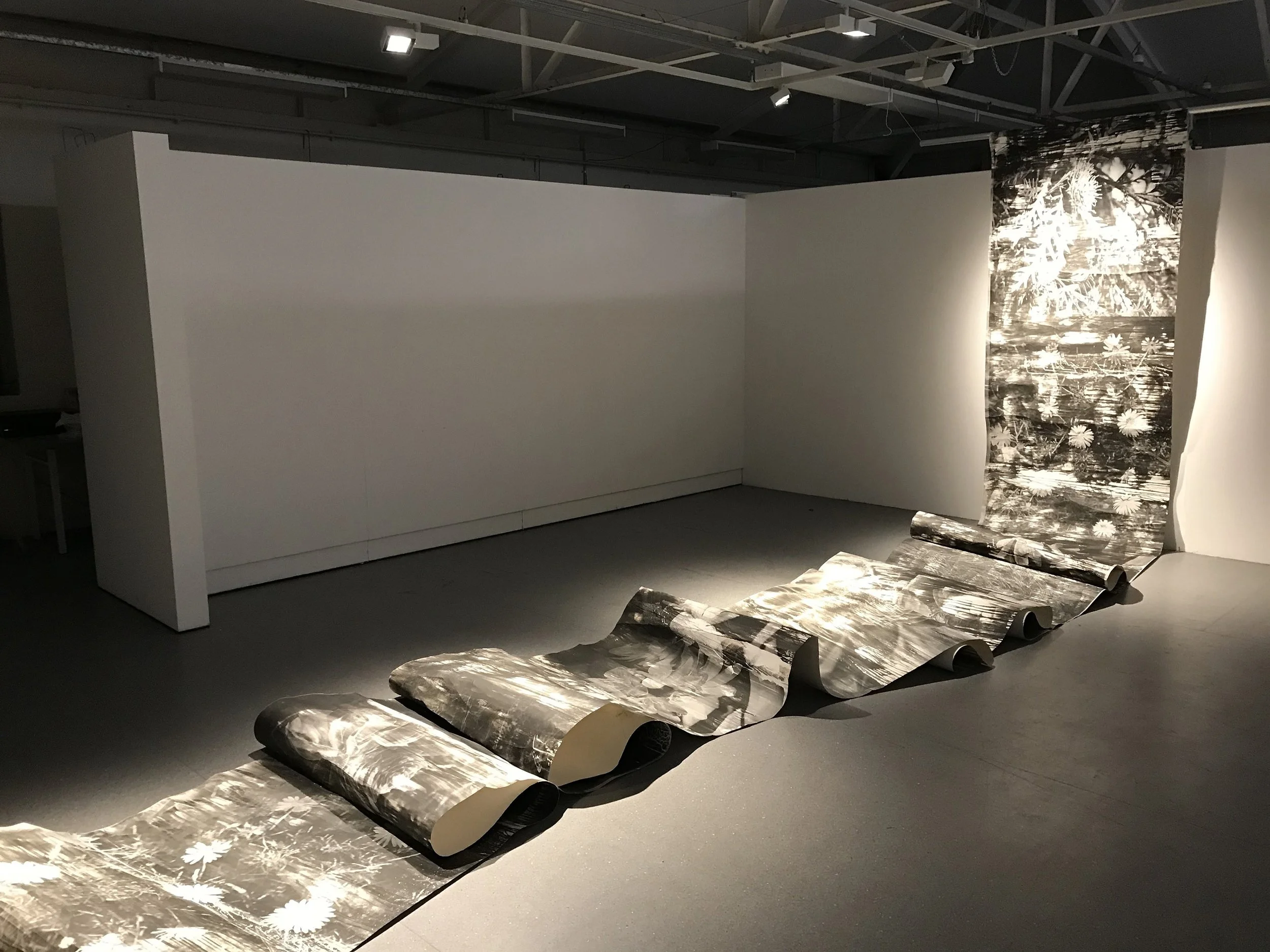
Figure 8. Zo Damage, Trust, 2022, installation view Building 50, RMIT University, Melbourne, 2023
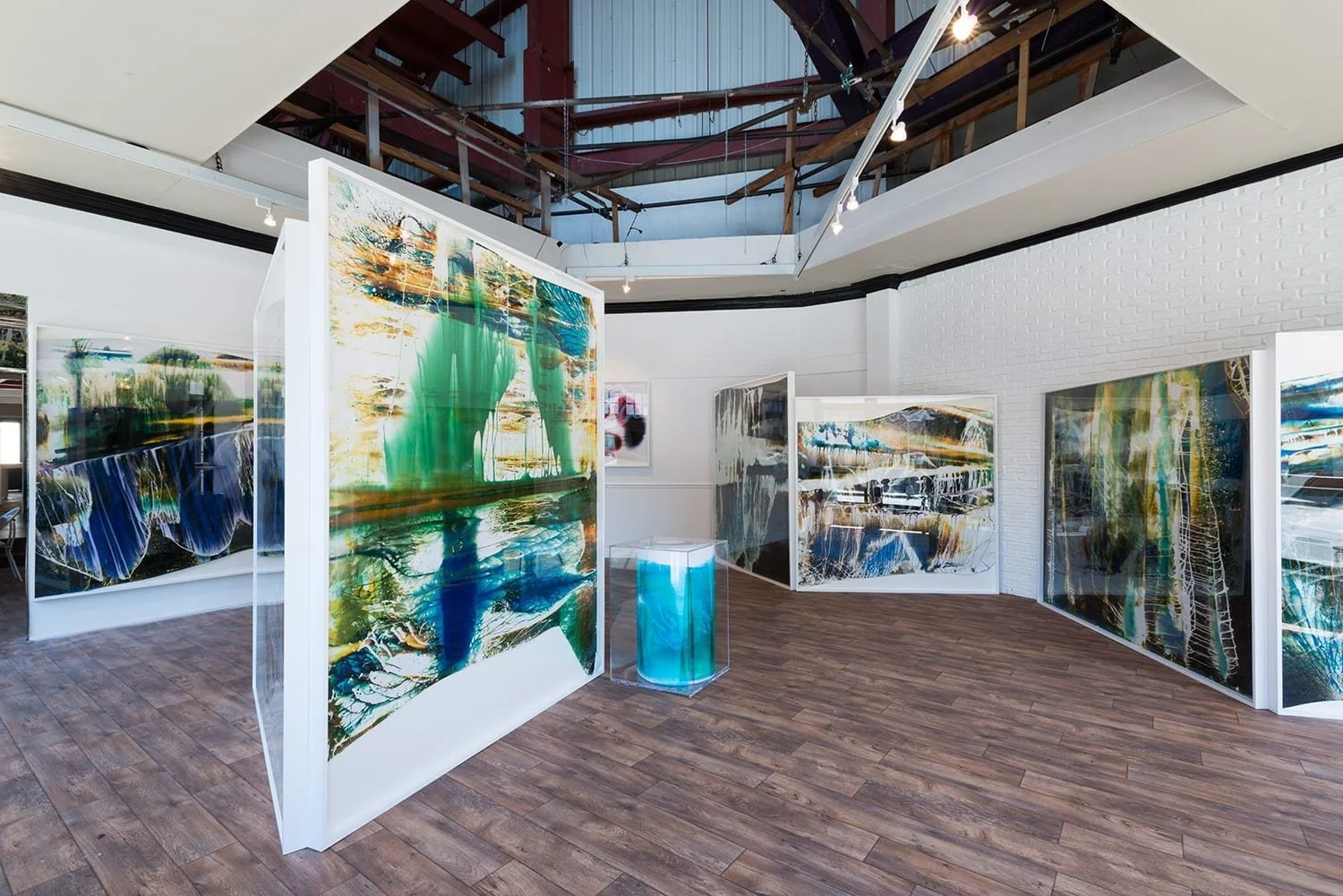
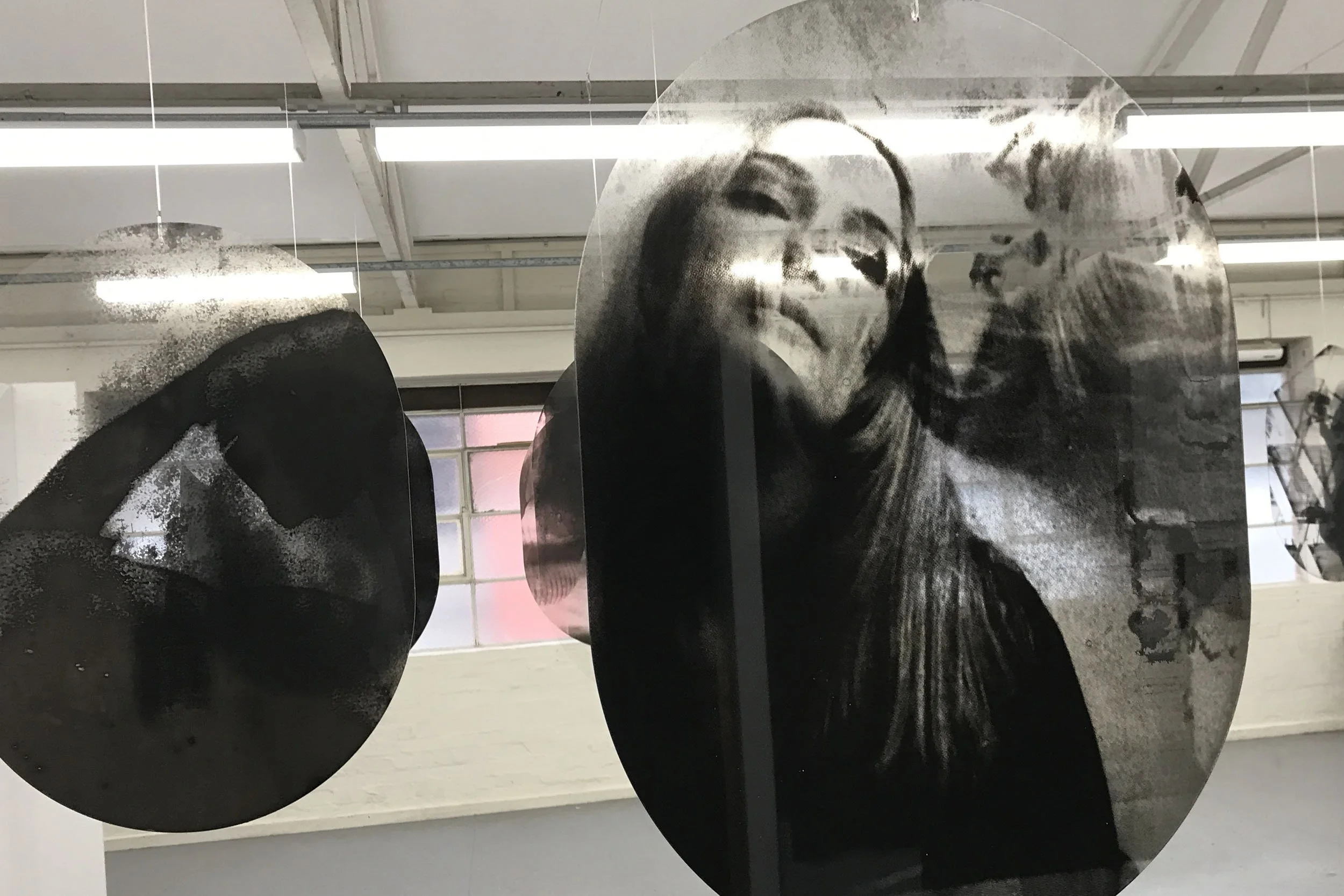
Figure 10. Zo Damage, Frisson installation view Building 50, RMIT University, Melbourne, 2021
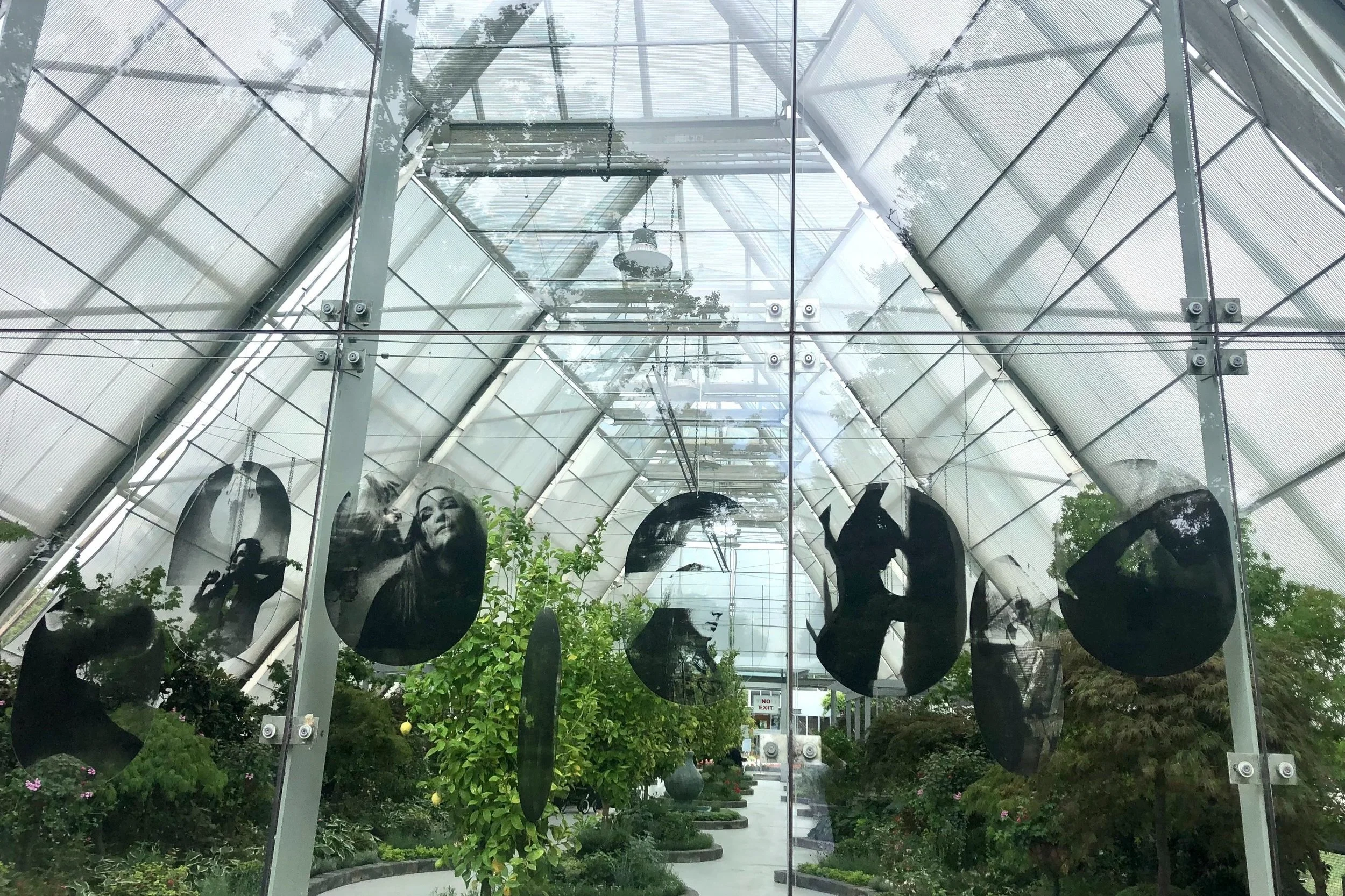
Figure 11. Zo Damage, Essence – reiteration of works from Frisson (Damage 2021) – Ballarat Conservatory, Ballarat Botanical Gardens for the Ballarat International Foto Bienalle, 2021. Photo courtesy Steven Boxshall, 2021.
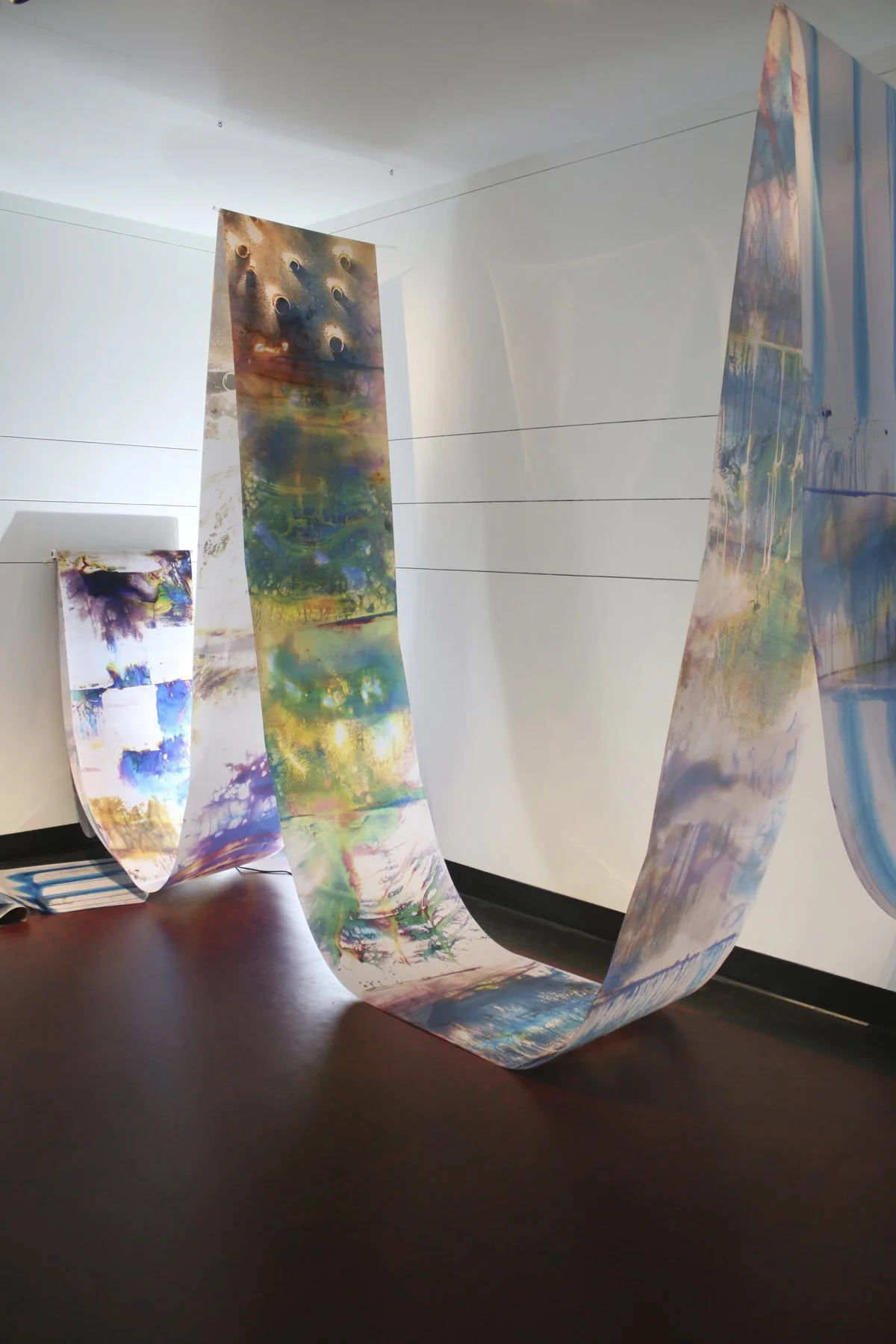
Figure 12. Mariah Robertson, 209, 2019, unique c-print, Ilfotrans, 760x 36940mm
Footnotes
[1] Gestalt in visual art occurs when the brain strives to make sense of impartial or ‘fragmented’ image (Behrens 1998, 301).
[2] Per Laszlo Moholy-Nagy, Bauhausbucher 8: Painting Photography Film, 1925.
Bibliography
Moholy-Nagy, Laszlo. 1925. Bauhausbucher 8: Painting Photography Film. Zurich: Lars Müller Publishers, 2019.
Tillmans, Wolfgang. 2003. Freischwimmer 16. Image. https://www.tate.org.uk/art/artworks/tillmans-freischwimmer-16-p20284