
Chris Gunn
Chris Gunn
USA
Practice: Photography
Gunn is very interesting. None of Gunn’s past work (including music industry based works) features on his website as he feels that he and his imaging making is now in a different place and that although he is connected to his past, he also is not. This is reassuring in my current creative space as I find myself severed from my past work. Gunn produces exceptional images with his application of light, composition, and ability to convey scale and space.
When asked about the rights and licensing of his images Gunn explains that the images are public domain. On further prompting, the “technician” continues that the images can be used by anyone and are also not the property of NASA.

Untitled (Self portrait), Chris Gunn 2014
Relevance to practice
Gunn’s attitude to past work and letting it go is an interesting perspective, much like my own.
Keywords
Chris Gunn, NASA, Astronomy, Telescope, Observatory, Documentary photography, Space station, Technology
References
B&H Photography Podcast 2020, Space Odyssey - Photographing the James Webb Space Telescope with Chris Gunn, podcast, B&H Photo Video, viewed 26 April 2020, <https://open.spotify.com/episode/2x21mYQLU4sOiyrpZdlDj4>
Gunn, C 2014, Self-portrait, photograph, viewed 26 April 2020, <https://www.flickr.com/photos/nasawebbtelescope/46741910804>
Garner, RM & Jarrell EM 2012, Chris Gunn – A Disciplined Creativity, NASA, viewed 26 April 2020, <https://www.nasa.gov/centers/goddard/about/people/gunn-og.html>
Hito Steyerl
Hito Steyerl: Being invisible can be deadly (Steyerl 2013) shows how 'not being seen' has both oppressive and liberating possibilities. Inspired by Monty Python, Steyerl balances critique and humour. Steyerl appears in the video, making herself visible to the viewer, in contrast to the invisibility of the artist, their presence traditionally only seen through their work. (Tate 2016)
Keywords
Studio 1, Hito Steyerl, Didactic, Film, Digital art
Bibliography
Steyerl, Hito. 2013. "Hito Steyerl, How Not To Be Seen: A Fucking Didactic Educational .MOV File, 2013." Artforum. Video, 15:52. https://www.artforum.com/video/hito-steyerl-how-not-to-be-seen-a-fucking-didactic-educational-mov-file-2013-51651.
Steyerl, Hito. 2013. "Hito Steyerl – 'Being Invisible Can Be Deadly' | Tateshots". Tate. May 13, 2016. YouTube video, 05:20. https://youtu.be/kKAKgrZZ_ww.
László Moholy-Nagy
László Moholy-Nagy
Hungary
1895–1946
Practice: Painting; Photography; Sculpture; Film
Movement/Style: Dada, Constructivism, Expressionism, Bauhaus style, Modern art
The complexity, depth and structure of Moholy-Nagy’s work are deceiving. ‘Photogram’ by László Moholy-Nagy (1926) has had a significant impact on me and how I look at photography. Although simple at first glance, the layers, exposure and the opacity of the objects are complex and highly technical.
László Moholy-Nagy, a teacher of the Bauhaus (Staatliches Bauhaus), authored Bauhausbücher 8: Painting Photography Film (1925). As represented by the title, the first half of the book finds Moholy-Nagy discussing various styles of art with a focus on painting, photography and film and theory. Curated by Moholy-Nagy, the second half of Bauhausbücher 8: Painting Photography Film presents a collection of works – ranging from sheet music to photograms – by artists of the Bauhaus.
In the introduction, author Moholy-Nagy states that “This book is in defence of photography, which many people still think of as an inferior mechanical operation of recording.” The books are as magnificent to look at as it is to read. Typography is as much as a graphic element as a means of communication. One hundred years down the track, Moholy-Nagy was a profound thinker and creative. His art and writing continue to be a powerful influence on contemporary artists, particularly in the field of photography.
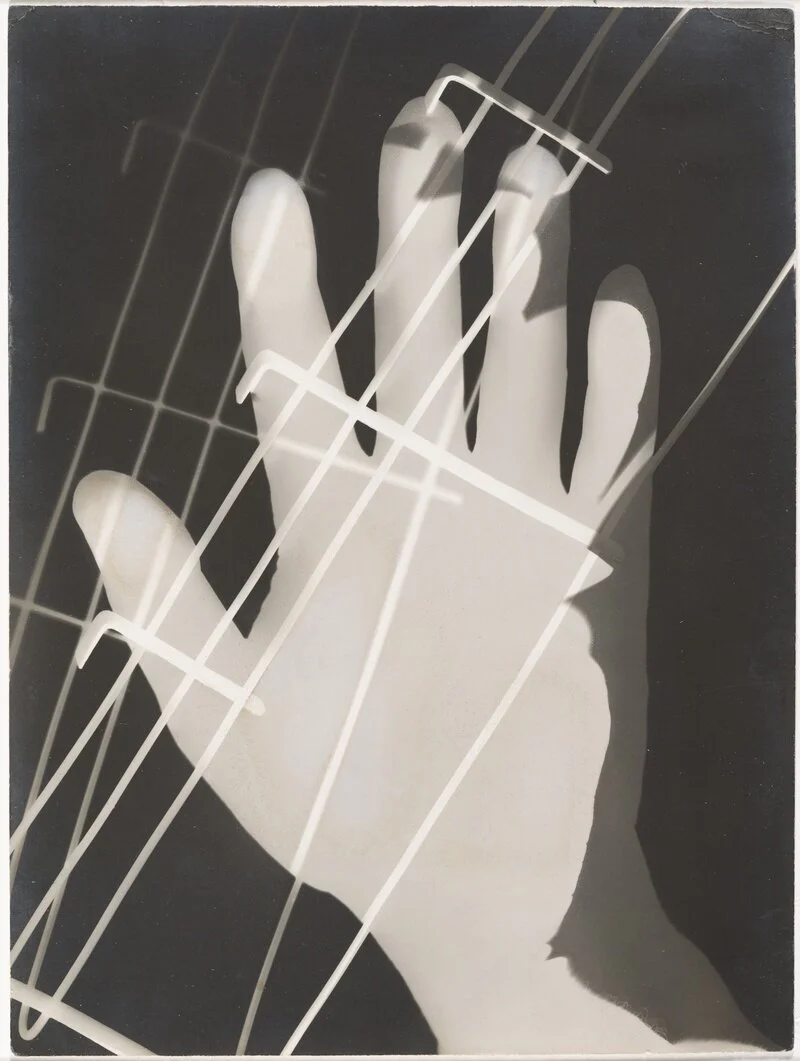
Laszlo Moholy-Nagy, Photogram, 1926
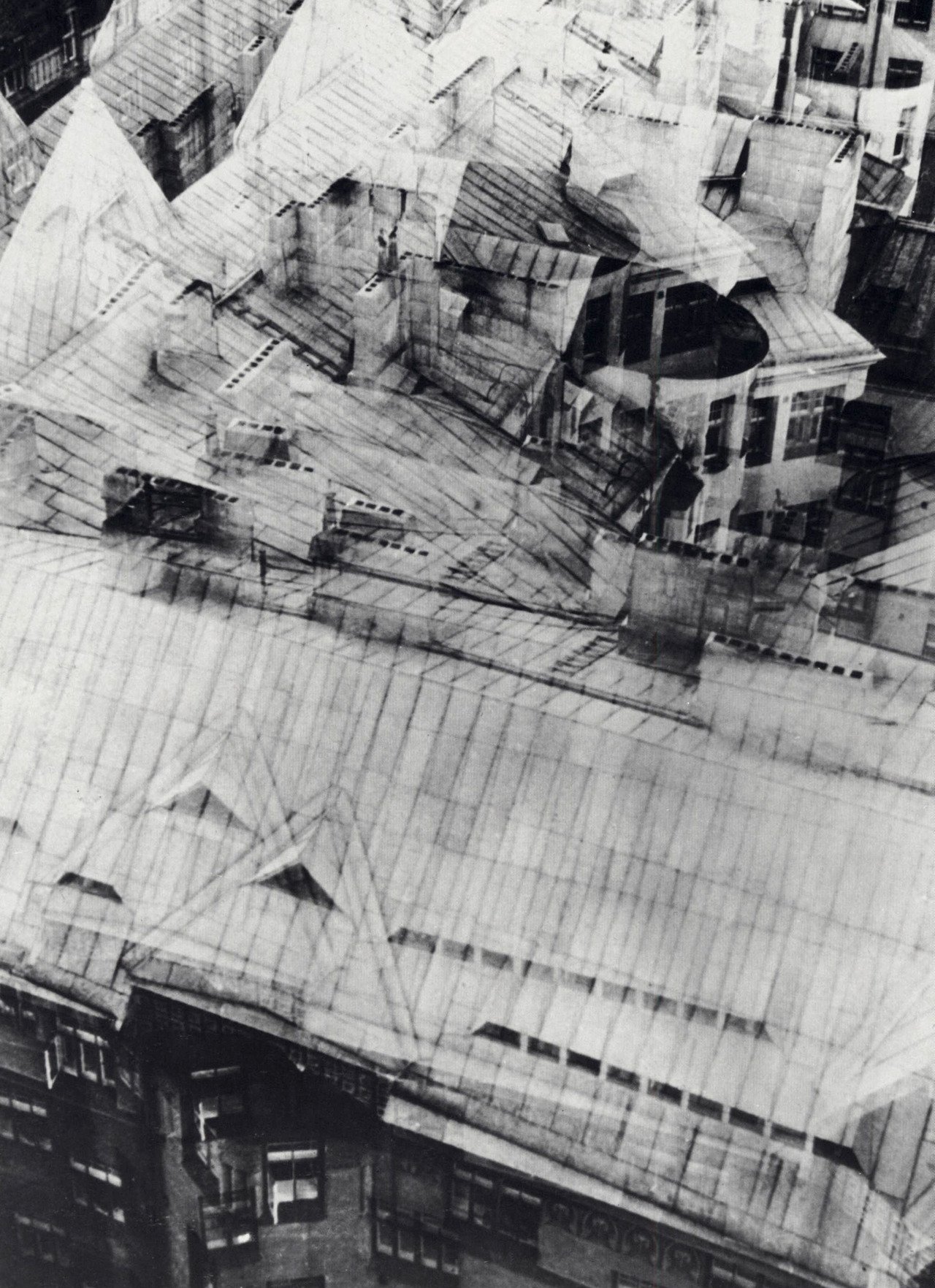
László Moholy-Nagy, Helskini, 1930, gelatin silver print, 394×292mm
Keywords
Dada, Modernism, Photogram, Experimental, Art, Community of practice
References
Laszlo Moholy-Nagy. 1926. Photogram. Image. https://moholy-nagy.org/.
Laszlo Moholy-Nagy. 1930. Helsinki. Image. https://www.sfmoma.org/artwork/98.243/.
Tate n.d. “Laszlo Moholy-Nagy”. TATE. Accessed March 11, 2020. https://www.tate.org.uk/art/artists/laszlo-moholy-nagy-1649.
Roman Ciéslewicz
Roman Ciéslewicz (1930–1996) is a lesser-known Polish artist who worked across collage, photography, and painting. As a graphic designer, he is recognised for his poster art, constructivist style, and connections to the Bauhaus movement. His approach to deconstructing and reconstructing photographs challenges the conventional practices within the medium. I find inspiration in both his artistic viewpoint and creative outputs.
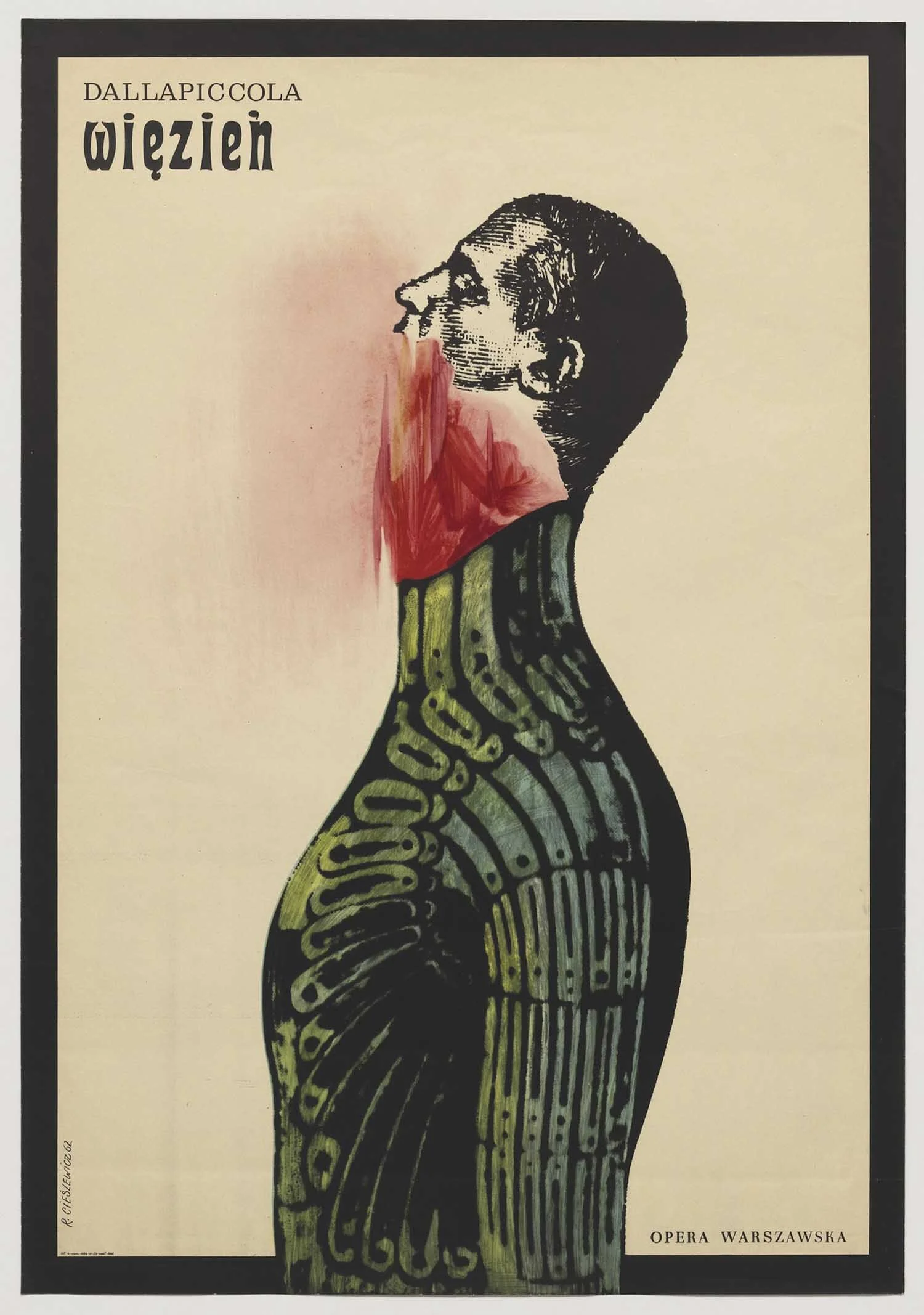
Roman Cieślewicz, Wiezien, 1944
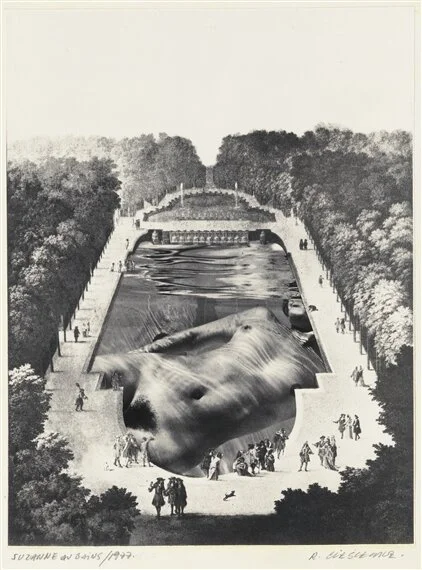
Roman Ciéslewicz, PORTRAIT-ROBOT DE LA POÉSIE, 1978
“I use all manner of techniques: photography, painting and watercolour, but not drawing. I have a constant source of inspiration: circular forms. I’ve often used the offset screen … to focus on a detail of a photographic enlargement. The flexibility and round form of the screen dots make it possible to bring out each gesture of the subject. Also, because I couldn’t afford silk-screen printing equipment, I used felt pens to fill out the areas between the screens. I effectively made the screen dots by hand. A lack of equipment and the need to visualise my ideas immediately resulted in a repetitive reproduction of mechanical techniques. I find the many imperfections of the hand-made version very pleasing”.
— Roman Ciéslewicz, 1993 (Eye Magazine n.d.)
Keywords
Photography, Graphic art, Poster art, Bauhaus, Surrealism, Painting, Watercolour, Inspiration, Circular forms, Offset screen, Photographic enlargement, Flexibility, Screen dots make, Gesture, Silk-screen, Equipment, Visualise, Ideas, Repetition, Reproduction, Mechanical, Imperfection, Hand-made
Bibliography
Ciéslewicz, Roman. ‘Reputations: Roman Ciéslewicz’. Interview by MargotRouard-Snowman. Eye Magazine, 1993. http://www.eyemagazine.com/feature/article/reputations-roman-cieslewicz.
Ciéslewicz, Roman. 1944. Wiezien (The Prisoner). Image. https://www.moma.org/collection/works/122665.
Cieslewicz, Roman. 1978. PORTRAIT-ROBOT DE LA POÉSIE. Image. https://www.mutualart.com/Artwork/PORTRAIT-ROBOT-DE-LA-POESIE/A80FDEBDFB492859.
Lee Miller
Lee Miller
USA
1907–1977
Practice: Model; War correspondent; Photography
Movement/Style: Surrealism, Photojournalism, Documentary
Lee Miller was an American artist who refused to be defined by her gender, beauty or age. Miller was a high-end fashion model, muse to several of the great Surrealists, a photographer, actor and one of the only female war correspondents to be credentialed during WWII, with Miller’s reportage and images, including a powerfully emotive series of photographs from the WWII death camps, published in American Vogue.
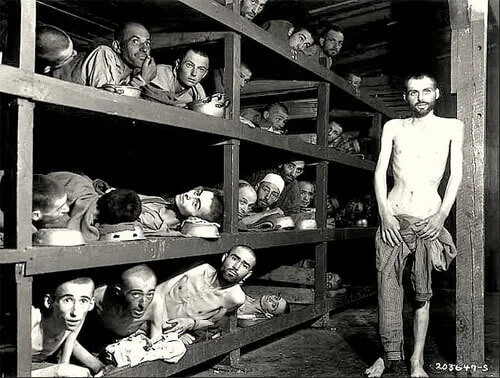
Lee Miller, Inmates of the German KZ Buchenwald, 1945
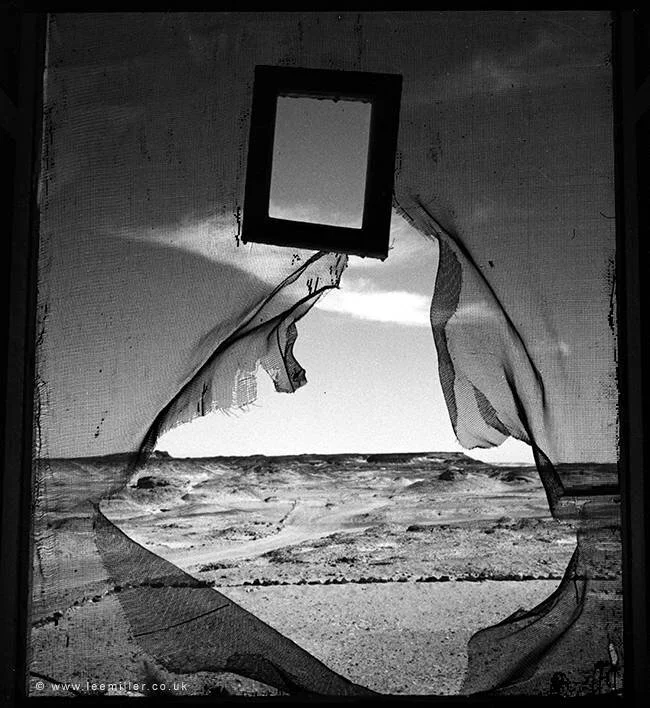
Lee Miller, Portrait of Space, 1937
Keywords
American, Artist, Gender, Beauty, Age, Artistic practice, Model, Muse, Surrealism, Photographer, Actor, War correspondents, World War II, Independent, Bohemian, Society, Traditional, Gender roles, Innovative, Landscapes, Strange, Pre-war Paris, Film, Picasso, Man Ray, Lee Miller Archive
Bibliography
Miller, L 1945, Inmates of the German KZ Buchenwald, photograph, viewed 4 April 2020, <https://www.all-about-photo.com/photographers/photographer/482/elizabeth-lee-miller>
Miller, L 1937, Portrait of Space, photograph, viewed 22 March 2020, <https://www.theartstory.org/artist/miller-lee/artworks/>
NSU Art Museum 2015, The Indestructible Lee Miller, viewed 4 April 2020, <https://nsuartmuseum.org/exhibition/the-indestructible-lee-miller/>
The Art Story n.d., Lee Miller, viewed 18 March 2020, <https://www.theartstory.org/artist/miller-lee/>
Alexander Rodchenko
Alexander Rodchenko
Russia
1891–1956
Practice: Photography; Painting; Graphic design; Sculpture
Movement/Style: Modern art, Constructivism; DADA
Rodchenko’s diversity in style and mediums is captivating. The book Design: Rodchenko (Milner, J 2009) delivers a comprehensive account of Rodchenko’s career, the introduction, although short, providing a concise timeline of Rodchenko’s childhood and connections to the theatre, as a painter, through to political and sociological occurrence that saw Rodchenko’s evolution from painter through to designer and one of the most influential creatives of the Constructivist movement. Milner touches on Rodchenko’s connections with Futurism (and the differences between the Russian and Italian factions), the artist’s ideals based in disassociation in art, minimalism, contrast and colour, along with several constraints that led Rodchenko to these styles and social connections. Sadly, the book does not present any of Rodchenko’s photography. The book is an excellent resource for general information about Rodchenko and valuable resource for further research.
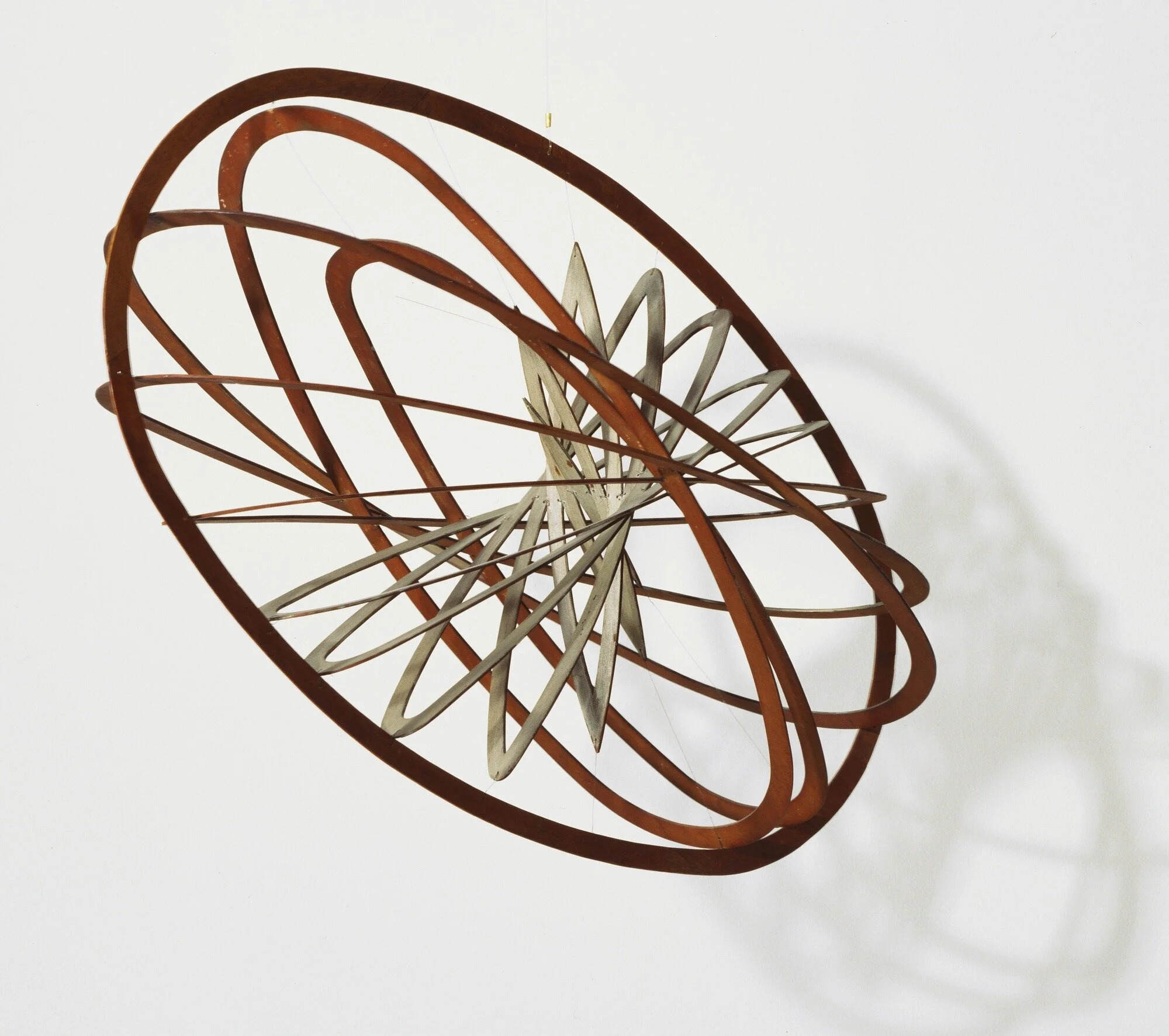
Alexander Rodchenko, Spatial Construction no. 12, 1928
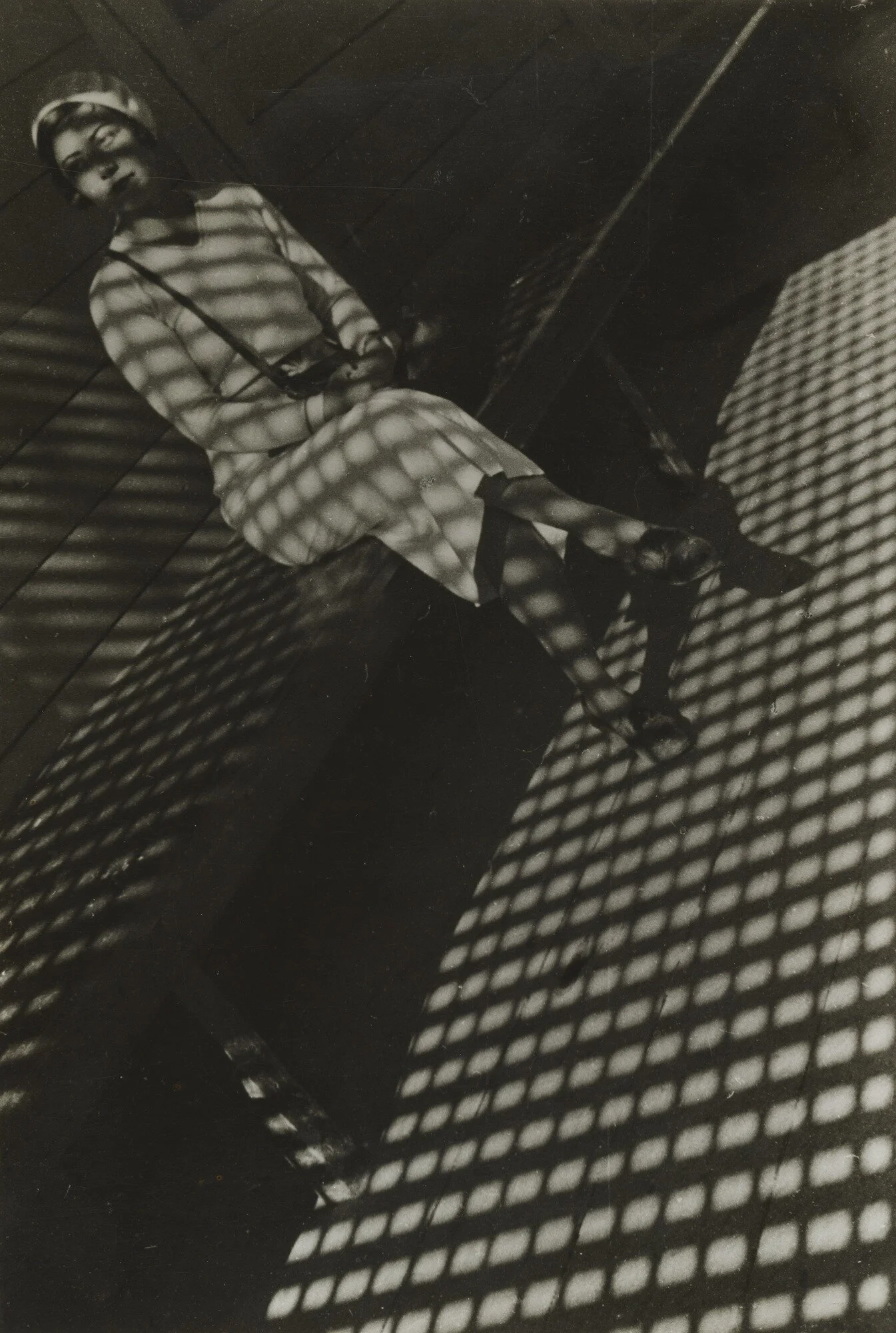
Alexander Rodchenko, Girl with a Leica, 1932–33
Notes
Rodchenko's subject matter and approach to photography are fascinating. Girl with a Leica (Rodchenko 1932–33) is an excellent example of how strongly Rodchenko's graphic design background influenced his photography. Rodchenko is one of the great Modernists for a reason.
Keywords
Russia, WW1, Anti-art, Graphic design, Collage, Photography, Politics, Socioeconomics, Poster art, Influence, Constructivism, Dada, Propaganda, Communism, Revolutionary, Theatre designer, Printer, Painter, Sculptor, Photographer, Art theory, Education, Constructivists' Manifesto, Realist Manifesto, Machine-made, Materials , Illustration, Commercial design, Photomontage, Flexible, Trademark, Techniques
Bibliography
Milner, J 2009, Design: Rodchenko, Antique Collectors Club, Woodbridge, Suffolk
MoMA n.d., Alexander Rodchenko, viewed 14 March 2020, <https://www.moma.org/artists/4975#works>
Rodchenko, A 1920, Spatial Construction no. 12, photograph, viewed 14 March 2020, <https://www.moma.org/collection/works/81043>
Rodchenko, A 1932–33, Girl with a Leica, photograph, viewed 14 March 2020, <https://www.moma.org/collection/works/83882>
The Art Story n.d., Constructivism, viewed 14 March 2020, <https://www.theartstory.org/movement/constructivism/>