
Wolfgang Tillmans
First published 18 April 2020
Last updated 6 June 2023
Wolfgang Tillmans’ Frieschwimmer series was created using dry, cameraless analogue photographic processes. The artist used his hands to manipulate light to create the patterns on the paper during development. The colour was introduced into the images by way of Tillmans’ use of a colour head enlarger and C-type paper. Many art critics regard Tillmans’ work to be situated between observational and abstract photography, creating new narratives while offering a significant contribution to the overarching field of contemporary photography.
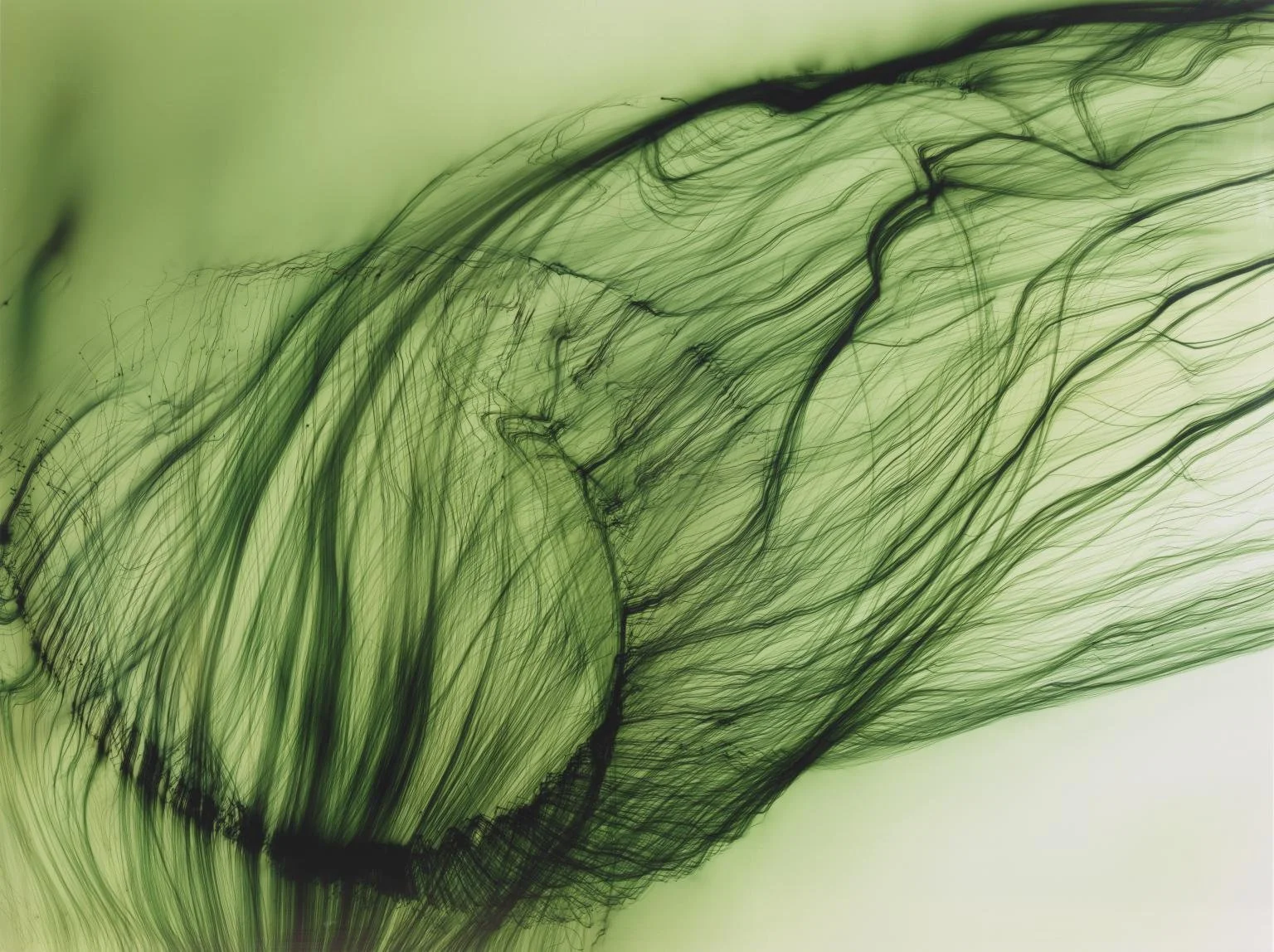
Wolfgang Tillmans, Freischwimmer 16, 2003, c-type print on paper, 2395×1797mm
Relevance to practice
Alternative printing, Abstraction, Darkroom, Analogue, Experimentation, Technical, Paradoxical
Keywords
21st century, Art, Photography, Technology, Digital, Perspective, Arrangement, Exploration, Contemporary
References
Artspace Editors. 2016. “8 New Classics of 21st-Century Photography You Need to Know Now.” Artspace. 2016. https://www.artspace.com/magazine/art_101/book_report/phaidon-photography-21st-century-list-53466.
Tillmans, Wolfgang. 2003. Freischwimmer 16. Image. https://www.tate.org.uk/art/artworks/tillmans-freischwimmer-16-p20284.
Uta Barth
First published 15 August 2020
Uta Barth
Germany
1958–
Practice: Photography
Movement/Style: Contemporary
Uta Barth is best known for her alternative use of light, colour and focus, producing abstraction and distortion, resulting in an elusive and ethereal discourse of her images and subject matter. Barth considers her work never directly addresses the literal subject matter of the photograph but attempts to ask questions about vision itself, photographing sound, non-space and in-betweens. In her presentation for The Modern Art Museum of Fort Worth (2011), Uta Barth discusses her work over the past 20 years. Barth shares her influences and inspirations as she questions the interpretation of visual perception. Describing her work as visceral, Barth continues, explaining the application of psychological theories, including phenomenology, to her practice.
“The discussion of these photographs, or anything that lacks focus for that matter, as being ‘painterly’ or ‘pictorialist’, drives me crazy. It assumes that a photograph would secretly–or overtly–aspire to the attributes of painting in order to justify itself as an artwork” (Higgins 2013).
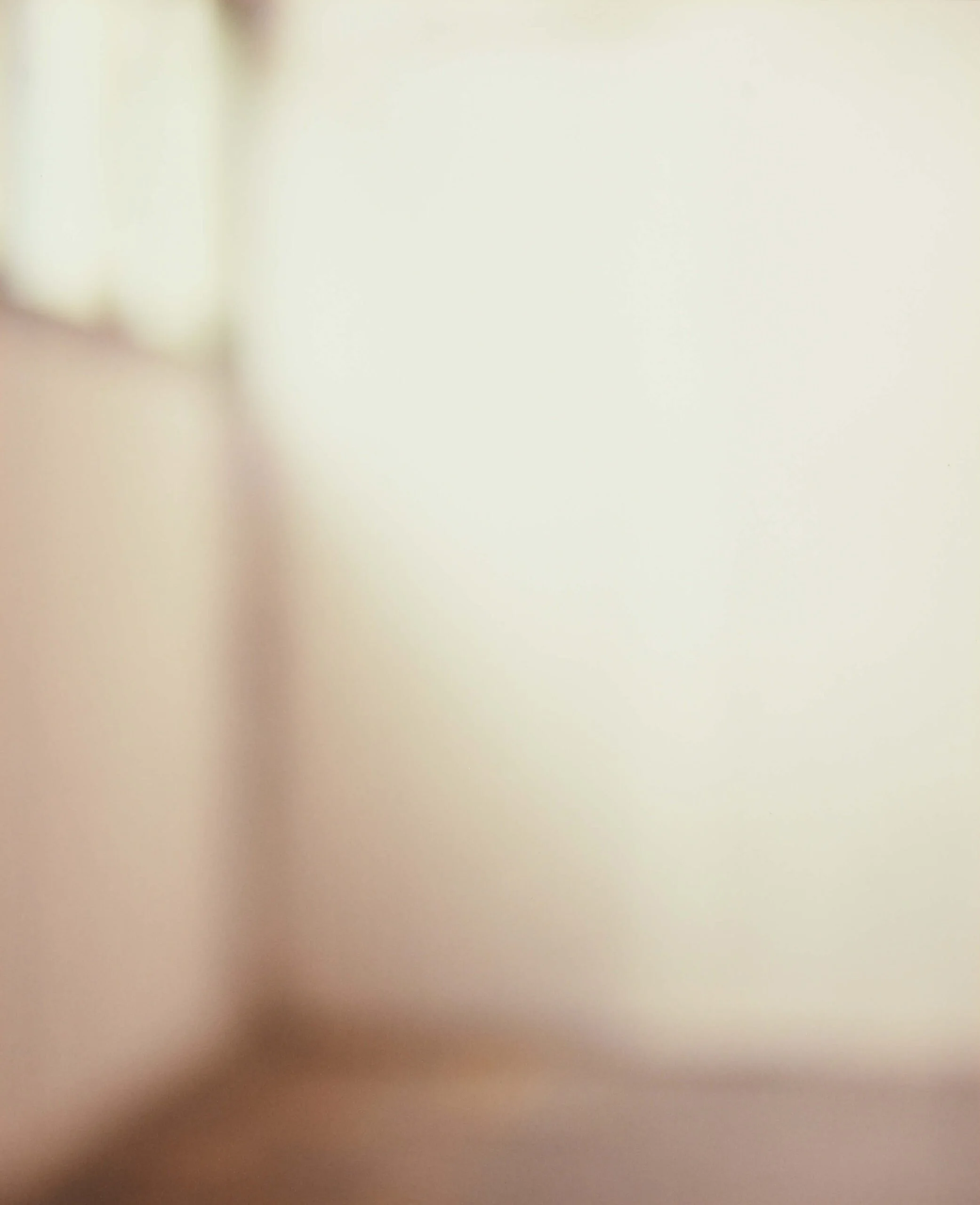
Uta Barth, Ground #56, 1995
Bibliography
Barth, Uta. 1994. Ground #30. Image. https://utabarth.net/work/ground/#image-3.
Barth, Uta. 2011. "Uta Barth 2.8.11". Podcast. Modern Art Museum Of Fort Worth. https://soundcloud.com/themodernpodcast/uta-barth-2811.
Barth, Uta. 2012. "Conceptual Photographer Uta Barth: 2012 MacArthur Fellow | MacArthur Foundation". macfound. October 2, 2012. YouTube video, 03:10. https://youtu.be/xxYcpPDq5iQ.
Sigmar Polke
First published 14 April 2020
Similarly, lens-based German artist Sigmar Polke (Figure 9) applies radical techniques, such as creating in-camera multi-exposures and omitting, bypassing and reversing steps in the darkroom to subvert traditional ideals of the medium.[1] The artist documents his life and surroundings, “altering the aesthetic heredity of his mediums by debasing the integrity of each, cultivating crossovers of material and meaning” (Halbreich 2016, 69). Like myself, Polke is as self-taught photographer, considers “the darkroom as an arena for exploration” and displays a recklessness for “the conventions of photography [which] often resulted in scratched negatives, under- and overexposures, and prints that further obscured details to create visually disorienting compositions” (The J. Paul Getty Museum 2007).
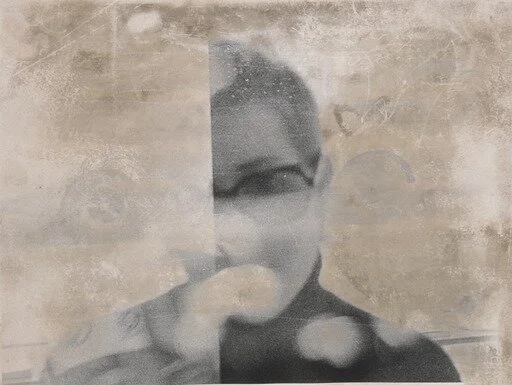
Sigmar Polke, Untitled (Mariette Althaus), c. 1973, unique gelatin silver print, 180x240mm
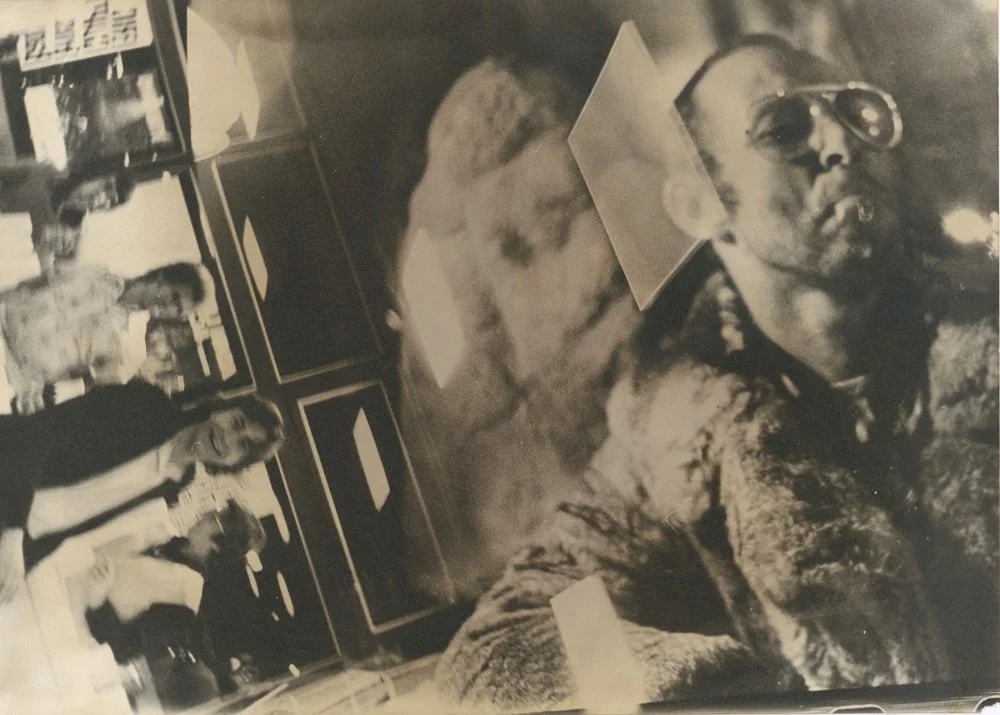
Sigmar Polke, Untitled (Sigmar Polke), c. 1975, photograph on AGFA C90 paper, 210x296mm
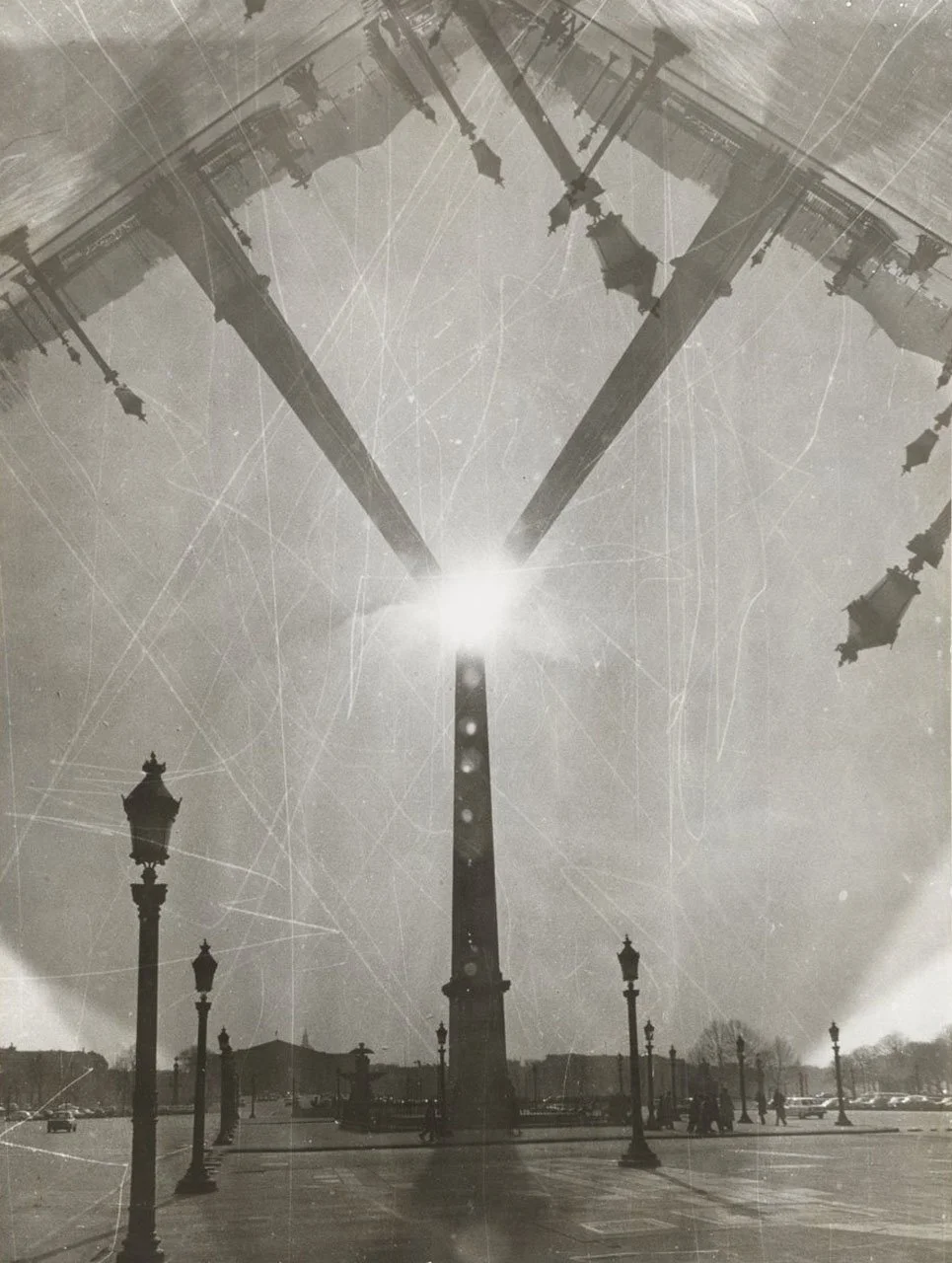
Sigmar Polke, Untitled (Obelisk, Paris), c. 1970. Courtesy Kicken Berlin, Berlin & Sies + Höke, Düsseldorf
Footnotes
An in-camera multi-exposure is when the film is rewound in the camera and repeatedly exposed, resulting in montage-like images embedded directly into the negative.
Keywords
Sigmar Polke, Painting, Photography, Capitalist realism, Abstract, Art, Community of practice, Expressionism, Contemporary, Alternative, Film, Darkroom, Courage, Pushing boundaries
References
Polke, Sigmar. c. 1975. Untitled (Obelisk, Paris). Image. https://news.artnet.com/market/sigmar-polke-at-paris-photo-11451237.
Polke, Sigmar. c. 1973, Untitled (Mariette Althaus). Image. https://www.moma.org/collection/works/149078.
Polke, Sigmar. c. 1975. Untitled (Sigmar Polke). Image. https://www.maxhetzler.com/zh/exhibitions/sigmar-polke-zeitreise-photographs-1966-1986collection-georg-polke-2020/works/#img27.
Rowell, Margit, Michael Semff, and Bice Curiger. 1999. Sigmar Polke WORKS on PAPER 1963-1974. New York: Museum Of Modern Art. PDF. https://www.moma.org/documents/moma_catalogue_187_300100396.pdf.
Squires, Carol and George Baker 2013. What Is a Photograph?. New York: International Center for Photography and DelMonico Books.
Thistlewood, David. 1996. Sigmar Polke: Back to Postmodernity. Liverpool: Liverpool University Press And Tate Gallery Liverpool.
Williams, Gregory. 2016. "Gregory H. Williams. Review of 'Alibis: Sigmar Polke, 1963–2010' by Kathy Halbreich". caa.reviews. http://www.caareviews.org/reviews/2337#.Yq2CS-xBzUI.
Halbreich, Kathy, Mark Godfrey, Lanka Tattersall, and Magnus Schaefer. 2014. Alibis: Sigmar Polke 1963–2010. London: Tate Publishing.
Stan Brakhage
Stan Brakhage was an American filmmaker who utilised the “plactics” and “material” of film incorporating these elements of the medium in both method and methodology. (Sheddon 1998)
Anticipation of Night (Brakhage 1958) is considered a significant shift for Brakhage as he begins applying new approaches to his filmmaking, including filming techniques and angles, the methods intended to eliminate the mediator to carry the emotions whereby the person behind the camera becomes the protagonist. (Shedden 1998)
Mothlight, Stan Brakhage 2063
Relevance of practice
Brakhage believes that by removing sound, it becomes more possible to ‘see’. This aligns directly with colour theory, whereby colour implies a pre-determined emotional state. Thus, I propose that restricting colour offers a heightened interpretative viewing experience.
Bibliography
Brakhage, Stan. 1963. Mothlight. Teddy LARUE, November 26, 2012. YouTube Video. https://youtu.be/S5P5vkegmvU.
Sheddon, Jim, director. 1998. Brakhage. Films We Like, 2018. Video. https://rmit.kanopy.com/video/brakhage.
Smigel, Eric. "Metaphors on Vision: James Tenney and Stan Brakhage, 1951-1964." American Music 30, no. 1 (2012): 61-100. muse.jhu.edu/article/488557.
Naroa Perez
Naroa Perez is a London based photographer. Specialising in furniture and interior design photography their fine-art practice is situated in alternative film photography, working with large and medium formats. In 2014 Perez, moved from Spain to London to study for a BA in London College of Communication, immersing themselves in colour and liquid emulsion darkroom techniques. Perez graduated in 2017 and has exhibited work in several galleries throughout London and UK.
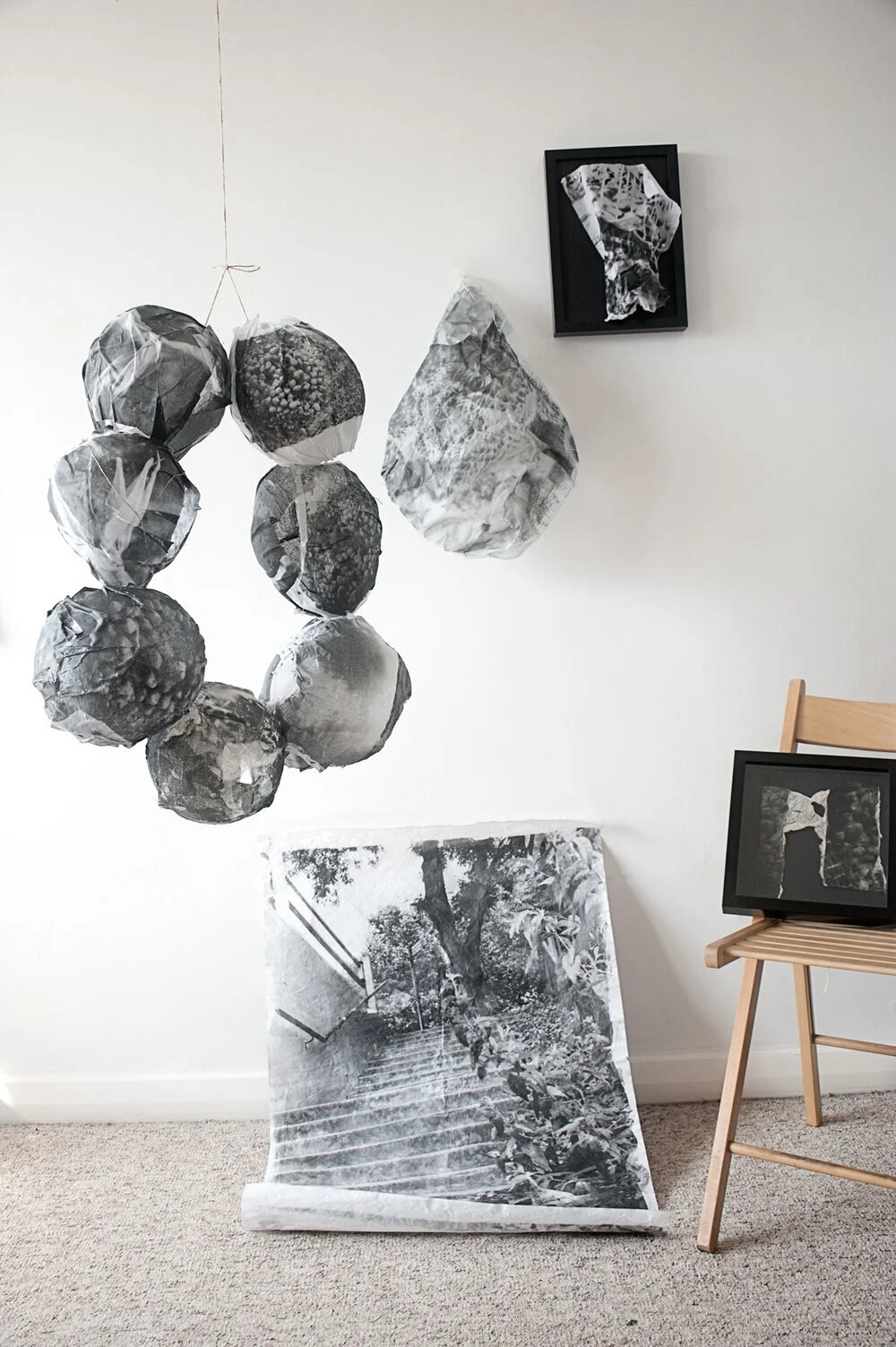
Figure 1: Trail of Touch installation (Perez 2017)
Lens Culture features an article on the Perez “Trail of Touch” project, an artistic and photographic exploration of the haptic through the alternative darkroom process of liquid emulsion printing. The technique allows them to print images on different materials to create tactile photographic sculptures. The concept creates a tension between sight and touch.
Perez explains, "The sense of touch is a silent language of mutual support. Touch is capable of creating networks of emotional solidarity that unite and comfort. To feel alive and connected to other human beings we need touch. It is essential for our survival. That's why we always seek contact, and that's what I call tactile nostalgia. During childhood, touch is essential to feel security and calm."
The artist continues, outlining how touch is directly linked to the human immune system, stating that, "Our skin develops the defence system of our entire body. It warns us of danger. And it generates and transfers all the responses to an attack. The skin is our watchdog."
Perez also highlights the darkroom's relevance, where the sense of touch is essential when working under safelight conditions.
The Merriam-Webster Dictionary definition of haptic (adjective) is “relating to or based on the sense of touch, characterized by a predilection for the sense of touch.”
Keywords
Naroa Perez, Alternative photography, Darkroom, Liquid emulsion, Fabric, Haptic
Bibliography
Arts Thread. "Naroa Perez – Profile". Accessed April 1, 2021. https://www.artsthread.com/profile/naroaperez/.
Lens Culture. 2017. "Naroa Perez – Trail Of Touch". https://www.lensculture.com/projects/702007-trail-of-touch.
Merriam-Webster Dictionary. "Haptic". Accessed April 1, 2021. https://www.merriam-webster.com/dictionary/haptic.
Perez, Naroa. NAROA Photo. Accessed April 1, 2021. https://naroaphoto.com/.
Clyde Butcher
Butcher is best known for his black and white, large format landscapes of the Florida everglades and country surrounds. An environmentalist, the veteran photographer, raises awareness through his photographs of the natural environment which he loves.
In an interview with Steven Crandell (2014), Butcher talks about his relationship with the environment and how both nature and photography restored his soul after a drunk driver killed his teenage son. Butcher explains, "Wilderness, to me, is a spiritual necessity. The mysterious spiritual experience of being close to natural restored my soul. My experience reinforced my dedication to use the art of photography as an inspiration for others to work together to save nature's places of spiritual sanctuary for future generations."
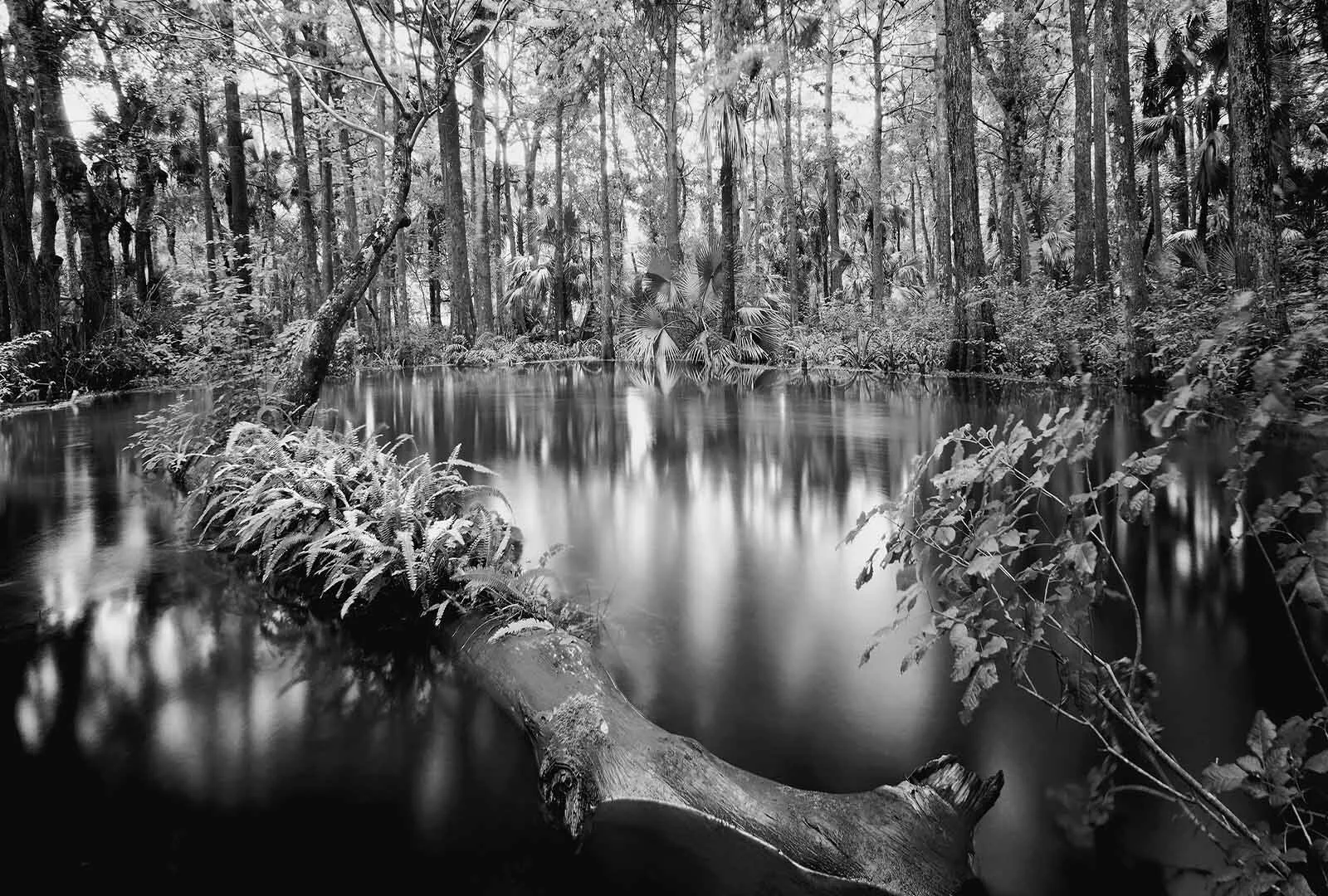
Clyde Butcher, LOXAHATCHEE RIVER 1, 1991
Relevance to practice
Film photography, Large format, Black and white, Colour is overrated, Composition, Courage, Commitment
Keywords
Clyde Butcher, Drive, Vision, Self-promotion, Salvador Dali, Black and white, Large format, Landscape, Florida, Photography, Colour, B&H
References
Butcher, C 1991, LOXAHATCHEE RIVER 1, photograph, viewed 20 June 2020, <https://clydebutcher.com/s/photographs/florida-collection/state-parks/jonathan-dickinson-state-park/loxahatchee-river-1-south-east-fl/>
Crandell, S 2011, ‘Extreme Exposure: Everglades — Clyde Butcher's Wilderness Intuition’, Huffington Post, viewed 8 August 2020, <https://www.huffpost.com/entry/clyde-butcher_b_810107>
B&H Photography Podcast 2020, Clyde Butcher - Photographing the Everglades and Selling Clocks, podcast, B&H Photo Video, viewed 20 June 2020, <https://soundcloud.com/bh-photography-podcast/clyde-butcher-photographing-the-everglades-and-selling-clocks>
Frank Hurley
Frank Hurley
Australia
1885–1962
Practice: Photographer
Movement/Styles: Documentary, War
A powerful documentary of the beauty of the Antarctic landscape, wildlife and living conditions, Hurley’s best known Antarctic images are from the 1914-1916 expedition led by Shackleton. Despite the expedition members efforts, The ship Endurance became trapped in the ice. The Endurance eventually being crushed by the ice despite the expedition members efforts to free the ship, leaving the crew stranded camping on the pack ice and Elephant Island for 11 months before being rescued.
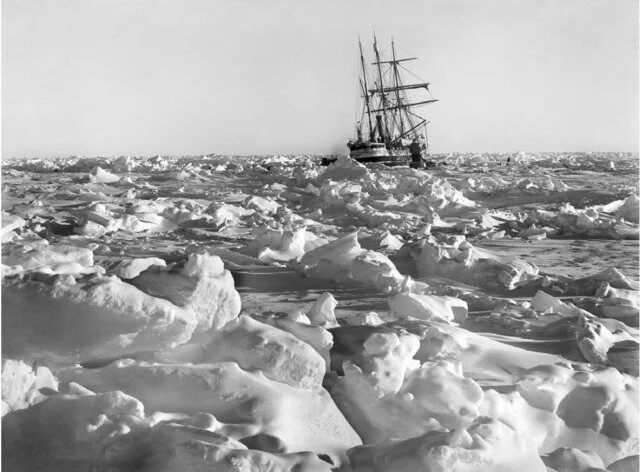
Frank Hurley, Endurance in the ice, 1914–17
Hurley pioneered composite imagery, most notably in his photographic documentation of WW1. Hurley found himself having to justify this practice, as many believed that the composites were not actual photographs. In his article 'War photography', published in The Australasian photo-review in 1919, Hurley explains that, "None but those who have endeavoured can realise the insurmountable difficulties of portraying a modern battle by the camera. To include the event on a single negative, I have tried and tried, but the results are hopeless."
Hurley continues, justifying his application of composite imaging where, "[…] if negatives are taken of all the separate incidents in the action and combined, some idea may then be gained of what a modern battle looks like."
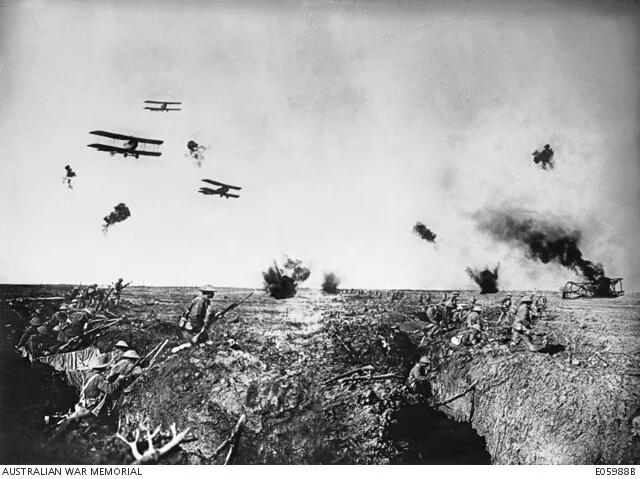
Over The Top (Glass plate composite), Frank Hurley 1918
Relevance to practice
There is no direct relevance to practice. Hurley's vision and approach to storytelling are fantastic. His courage and dedication to documenting Antarctica and war, particularly in his use, and defence of his WW1 photo composites is admirable. It is essential to acknowledge that photographers from the modernist period (including documentary photographers such as Hurley) shaped the medium. Their work continues to resonate through photographic practice in the digital age. Hurley's composites are a powerful example, dating back to the early 1900s.
Keywords
Frank Hurley, Glass plate, Composite, WW1, Antarctica, The Endurance, Shackleton, War photography
References
Groom, L 2004, Frank Hurley's Antarctic photographs, National Library of Australia, viewed 6 August 2020, <https://www.nla.gov.au/pictures/frank-hurley-antartic-photographs>
Hurley, F 1914–17, Endurance in the ice, photograph, viewed 6 August 2020, <https://www.artsy.net/artwork/frank-hurley-endurance-in-the-ice>
Hurley, F 1918, Over The Top, photograph, viewed 6 August 2020, <https://www.awm.gov.au/articles/encyclopedia/official_photo>
Hurley, F 1919, 'War Photography', Australian photo-review, vol. 26, no. 2, p. 164–5, <https://nla.gov.au/nla.obj-427900504/view?sectionId=nla.obj-474303506&partId=nla.obj-462852813#page/n35/mode/1up>
State Library New South Wales n.d., Frank Hurley's World War I photography: Truth and photography, viewed 6 August 2020, <https://www.sl.nsw.gov.au/stories/frank-hurleys-world-war-i-photography/truth-and-photography>
France Scully Osterman
France Scully Osterman
USA
Practice: Photographer
Movement/Style: Vintage processes, Portraits
I discovered the work of France Scully Osterman watching ‘A&A Portrait 2011’ series on YouTube and was taken by the photographer’s excitement toward her work practices, eye for beauty and composition and enthusiasm. In the video, Osterman takes the viewer through the collodion process, from preparing plates through to hanging finished works. It was interesting seeing the process and approach to the work from the photographer’s perspective and I was greatly inspired in the way Osterman presented the finished pieces. So much so that I have experimented with splitting/creating polyptych displays of my own images for my Invent, define, destruct series. Although Osterman’s style is very different from my own, there are cross overs in practice in her vision, enthusiasm, application of vintage technology and methodology. Osterman’s eyes smile when she talks about photography and her work. There is a lot to be said about that in itself.
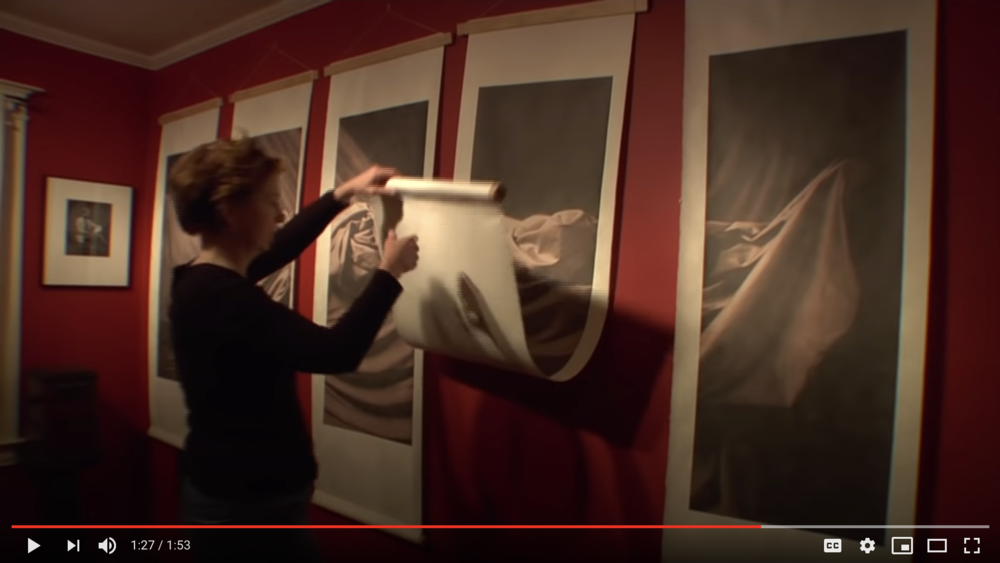
A&A Portraits (2011) France Scully Osterman (screenshot)
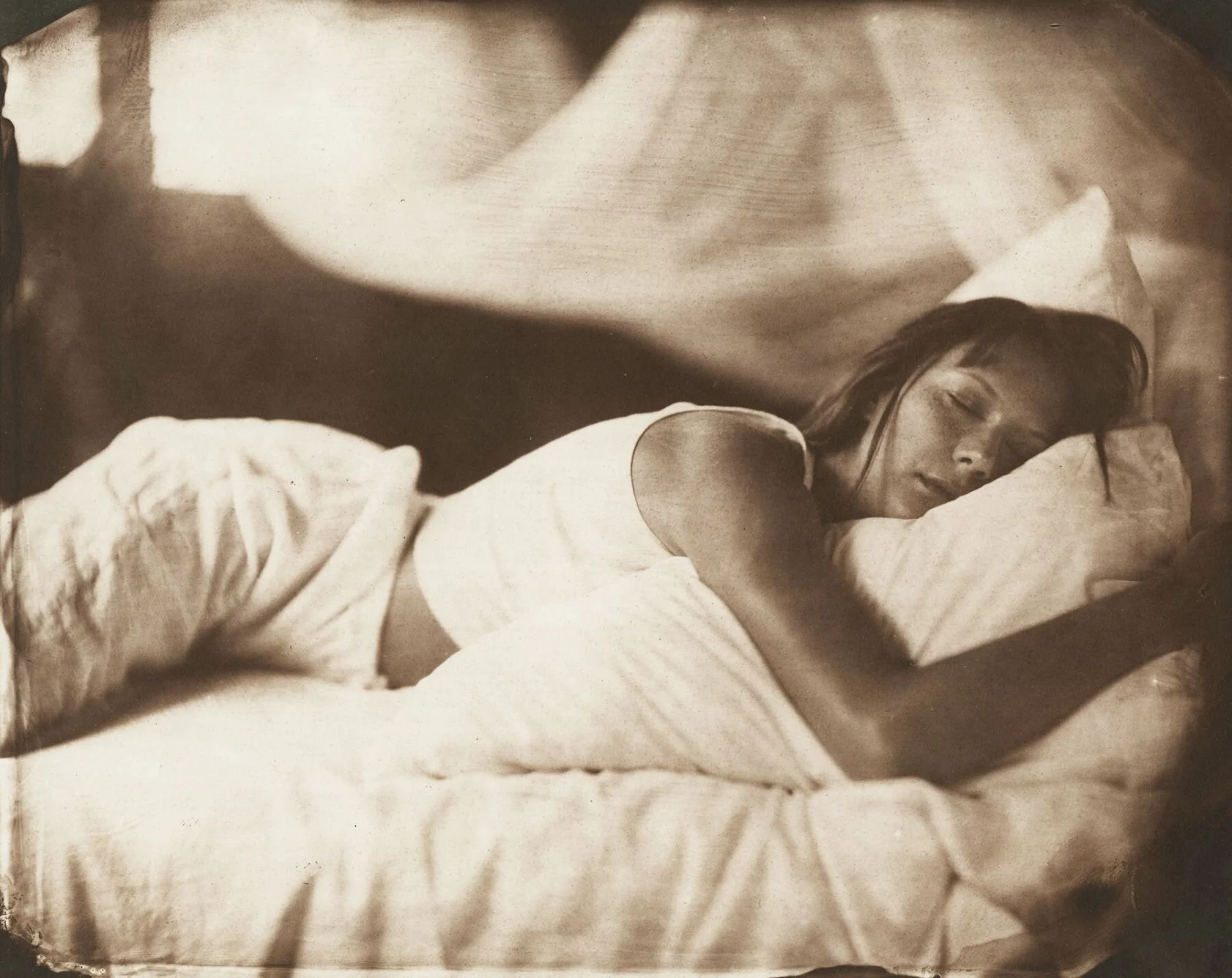
France Scully Osterman, Daydream , 2001
Relevance to practice
Alternative printing, Large format, Analogue, Composition, Design
Keywords
France Scully Osterman, Wet plate, Collodion, Large format photography, Community of practice
References
123marketstreet 2011, A&A Portrait – France Scully Osterman, online video, YouTube, viewed 3 May 2020, <https://www.youtube.com/watch?v=qfcfVVsz4xc&feature=youtu.be>
Scully Osterman, F 2001, Daydream, photograph, viewed 13 May 2020, <http://www.howardgreenberg.com/artists/france-scully-osterman>
Minor White
Minor White
1908–1976
USA
Practice: Photography
Movement/Style: Contemporary art, Photography
Although many consider White to be an abstract photographer, the environmentalist and Buddhist was primarily a landscape photographer. White blurred the lines of reality while combining his emotional and spiritual connections with nature and environment with his unique vision and approach in his work. Thought-provoking with vast scope for interpretation, I am attracted to the beauty, serenity and textures of White’s exposures and the courage and conviction of the artist as he pushes against boundaries in his expression and image-making. Relationship to practice is in White’s persistence to push boundaries and think outside the box in the narrative of his work. Bold and hauntingly beautiful with seemingly endless possibilities for interpretation, White is fearless and unapologetic in the images he makes.
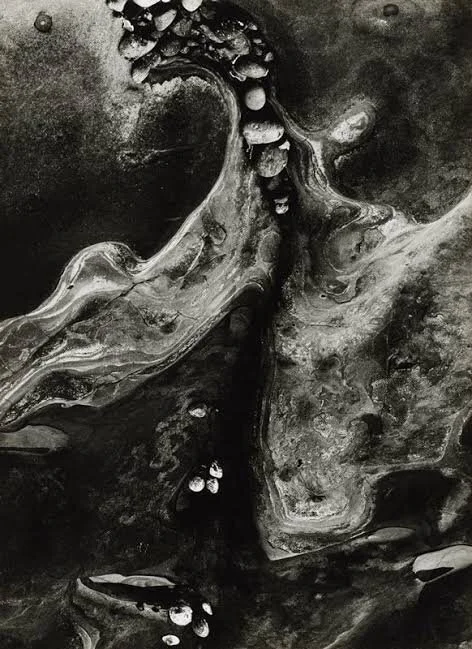
Minor White, Nature Abstract, 1963
Quotes
If all your life means to you is water running over rocks, then photograph it, but I want to create something that would not have existed without me. — Minor White (Graf, M 2016)
Relevance to practice
Large format, Abstraction, Black and white, Contemporary, Texture, Tone, Composition
Keywords
Minor White, Contemporary art, Photography, Texture, Tone, Abstraction, Alternative view, Composition, Film, Analogue, Black and white, Community of practice
References
Artnet n.d., Minor White, viewed 11 May 2020, <http://www.artnet.com/artists/minor-white/>
Graf, M 2016, ‘Art from the Moment’, Notes from the Woods, blog post, 20 March, viewed 2 June 2020, <https://www.grafphoto.com/2016/03/20/art-from-the-moment/>
White, M 1963, Nature Abstract, photograph, viewed 2 June 2020, <https://collections.artsmia.org/art/115964/nature-abstract-minor-white>
Floris Neusüss
Adventurous and innovative, Contemporary artist Floris Nuesüss has a great impact on my work practice, particularly in exploring shape, texture and methodology. Best known for his photograms, I am drawn to Neusüss’ willingness to think outside the box, push boundaries and explore the craft of photography.
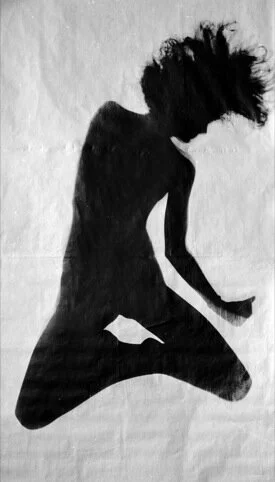
Floris Neusüss, Nudogrammm, 1964
Floris Neusüss is a contemporary experimental German photographer known for his use of camera-less photography (photograms) … “Photograms don’t show us what’s beyond the visible, but they give us a hint of it,” Neusüss has said. “It is true that the subject resting on the photo-sensitive paper presents its reverse side to be recorded, the side that is in shadow, the shadow cast by the object itself. This intimate physical connection inscribes into the paper, and this, if you are open to it, is the real fascination of photograms: the tension between the hidden and the revealed.” … Today, his works are held in the collections of the Victoria and Albert Museum in London, the San Francisco Museum of Modern Art, and the Art Institute of Chicago, among others. (artnet, nd)
Quotes
A true pioneer of photographic art, inspired by the camera-less photography of Làszló Moholy-Nagy and by Man Ray’s Surrealist photograms, Floris Neusüss has dedicated his whole career to the practice, study and teaching of the photogram, exploring its technical and visual possibilities and pushing the boundaries of the medium. — Twenty 6 Magazine
Relevance to practice
Alternative printing, Darkroom, Film, Contact printing, Obscure, Abstraction, Tone, Texture, Questioning, Experimentation
Keywords
Photograph, Monochrome, Photography, Camera-less, Abstract, Contemporary, 20th century, Community of practice
References
Artnet n.d., Floris Neusüss, viewed 15 April 2020, <http://www.artnet.com/artists/floris-neus%C3%BCss/>
Atlas Gallery n.d., Floris Neusüss, viewed 8 May 2020, <http://www.atlasgallery.com/artists/floris-neususs>
Gosling, Emily. 2012. “Floris Neusüss: Ancient and Modern.” Design Week. https://www.designweek.co.uk/issues/may-2012/floris-neususs-ancient-and-modern/.
Neusüss, Floris. 1964. Nudogramm. Image. https://www.designweek.co.uk/issues/may-2012/floris-neususs-ancient-and-modern/.
Squires, C, Batchen, G, Baker, G & Steyerl H 2013, What Is a Photograph?, International Center for Photography and DelMonico Books, New York, NY
Adam Fuss
Adam Fuss creates a visual language of beauty and strength, exploring and redefining notions of what constitutes a photograph or an image. Fuss is less interested in the meaning of the picture than the making of it (Kellein 2013), depending on the rudimentary infrastructure of pinhole cameras, photograms and other commonly considered ‘redundant’ processes to create spectacular conceptual deconstructions of the transforming medium (Lundström 2005) (Jolly et al. 2015, 6).
I am officially in love … and not sure how to approach writing about Fuss or the relationship to practice.
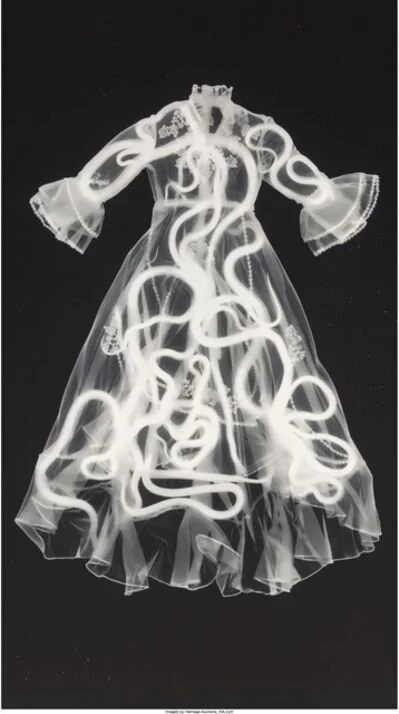
Adam Fuss, Medusa, 2010
Quotes
I’m not interested in the meaning of the picture, I’m interested in the making of it. — Adam Fuss (2013)
Keywords
“Adam Fuss.” n.d. Fraenkel Gallery. Accessed September 11, 2022. https://fraenkelgallery.com/artists/adam-fuss.
Adam Fuss, Camera-less photography, Photogram, Water, Chemigram, Contemporary, Energy, Movement Rebel, Focused, Narratives, Alternative printing, Abstraction, Obscure, Texture, Contrast, Emotive, Community of practice
References
123marketstreet 2011, A&A Portrait – Adam Fuss, online video, YouTube, viewed 3 May 2020, <https://www.youtube.com/watch?v=QxpeNIN0iRA>
Cheim & Read 2013, Adam Fuss Documentary, online video, YouTube, viewed 3 May 2020, <https://youtu.be/LHvByy7950Q>
Douglas Udell Gallery 2013, Adam Fuss in Conversation with Thomas Kellein, online video, YouTube, viewed 3 May 2020, <https://youtu.be/HrgvCngcf40>
Fuss, A 2010, Medusa, photograph, viewed 3 May 2020, <https://www.artsy.net/artwork/adam-fuss-medusa-from-the-series-home-and-the-world>
Fuss, Adam. 2013. "Adam Fuss in Conversation with Thomas Kellein." February 10, 2013, 26:07. YouTube video. DouglasUdelGalery. https://youtu.be/HrgvCngcf40.
Jolly, Martin, Cherine Fahd, and Suzanne Buljan. 2015. The Alchemists: Rediscovering Photography In The Age Of The Jpeg. Sydney: The University of Sydney. PDF. https://martynjolly.files.wordpress.com/2015/10/
thealchemistscatalogue.pdf.Lundström, Jan-Erik. "Fuss, Adam." In The Oxford Companion to the Photograph. : Oxford University Press, 2005. https://www-oxfordreference-com.ezproxy.lib.rmit.edu.au/view/10.1093/acref/9780198662716.001.0001/acref-9780198662716-e-601.
Rafferty, E 2013, Art Movements Through Photography, online video, YouTube, B&H Photo Video, viewed 2 May 2020, <https://www.youtube.com/watch?v=r-Bx5krtLZY&t=3444s>
Victoria and Albert Museum 2018, Camera-less photography: Adam Fuss, online video, YouTube, viewed 2 May 2020, <https://www.youtube.com/watch?v=RHNvVm0Rp_4>
Chris Gunn
Chris Gunn
USA
Practice: Photography
Gunn is very interesting. None of Gunn’s past work (including music industry based works) features on his website as he feels that he and his imaging making is now in a different place and that although he is connected to his past, he also is not. This is reassuring in my current creative space as I find myself severed from my past work. Gunn produces exceptional images with his application of light, composition, and ability to convey scale and space.
When asked about the rights and licensing of his images Gunn explains that the images are public domain. On further prompting, the “technician” continues that the images can be used by anyone and are also not the property of NASA.
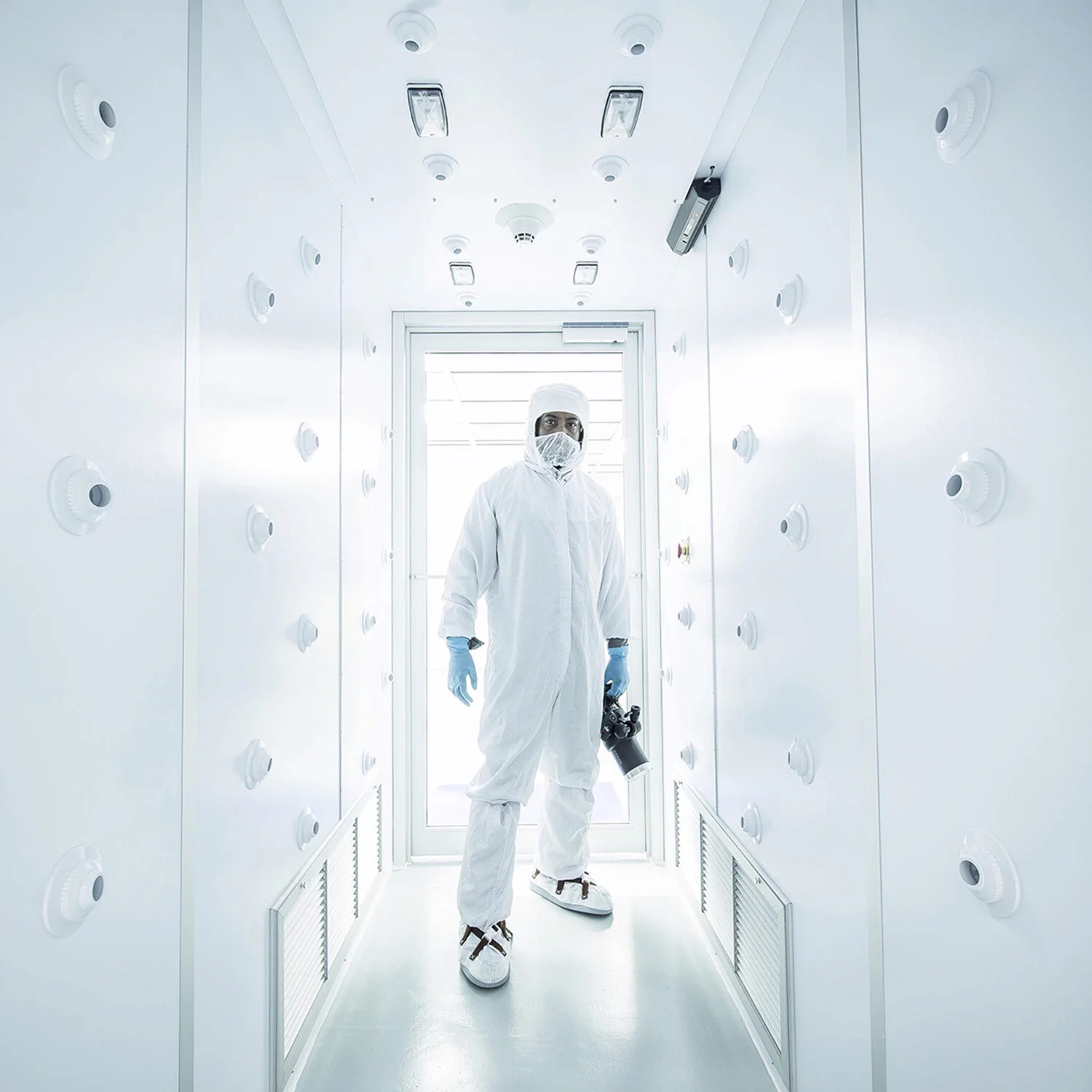
Untitled (Self portrait), Chris Gunn 2014
Relevance to practice
Gunn’s attitude to past work and letting it go is an interesting perspective, much like my own.
Keywords
Chris Gunn, NASA, Astronomy, Telescope, Observatory, Documentary photography, Space station, Technology
References
B&H Photography Podcast 2020, Space Odyssey - Photographing the James Webb Space Telescope with Chris Gunn, podcast, B&H Photo Video, viewed 26 April 2020, <https://open.spotify.com/episode/2x21mYQLU4sOiyrpZdlDj4>
Gunn, C 2014, Self-portrait, photograph, viewed 26 April 2020, <https://www.flickr.com/photos/nasawebbtelescope/46741910804>
Garner, RM & Jarrell EM 2012, Chris Gunn – A Disciplined Creativity, NASA, viewed 26 April 2020, <https://www.nasa.gov/centers/goddard/about/people/gunn-og.html>
László Moholy-Nagy
László Moholy-Nagy
Hungary
1895–1946
Practice: Painting; Photography; Sculpture; Film
Movement/Style: Dada, Constructivism, Expressionism, Bauhaus style, Modern art
The complexity, depth and structure of Moholy-Nagy’s work are deceiving. ‘Photogram’ by László Moholy-Nagy (1926) has had a significant impact on me and how I look at photography. Although simple at first glance, the layers, exposure and the opacity of the objects are complex and highly technical.
László Moholy-Nagy, a teacher of the Bauhaus (Staatliches Bauhaus), authored Bauhausbücher 8: Painting Photography Film (1925). As represented by the title, the first half of the book finds Moholy-Nagy discussing various styles of art with a focus on painting, photography and film and theory. Curated by Moholy-Nagy, the second half of Bauhausbücher 8: Painting Photography Film presents a collection of works – ranging from sheet music to photograms – by artists of the Bauhaus.
In the introduction, author Moholy-Nagy states that “This book is in defence of photography, which many people still think of as an inferior mechanical operation of recording.” The books are as magnificent to look at as it is to read. Typography is as much as a graphic element as a means of communication. One hundred years down the track, Moholy-Nagy was a profound thinker and creative. His art and writing continue to be a powerful influence on contemporary artists, particularly in the field of photography.
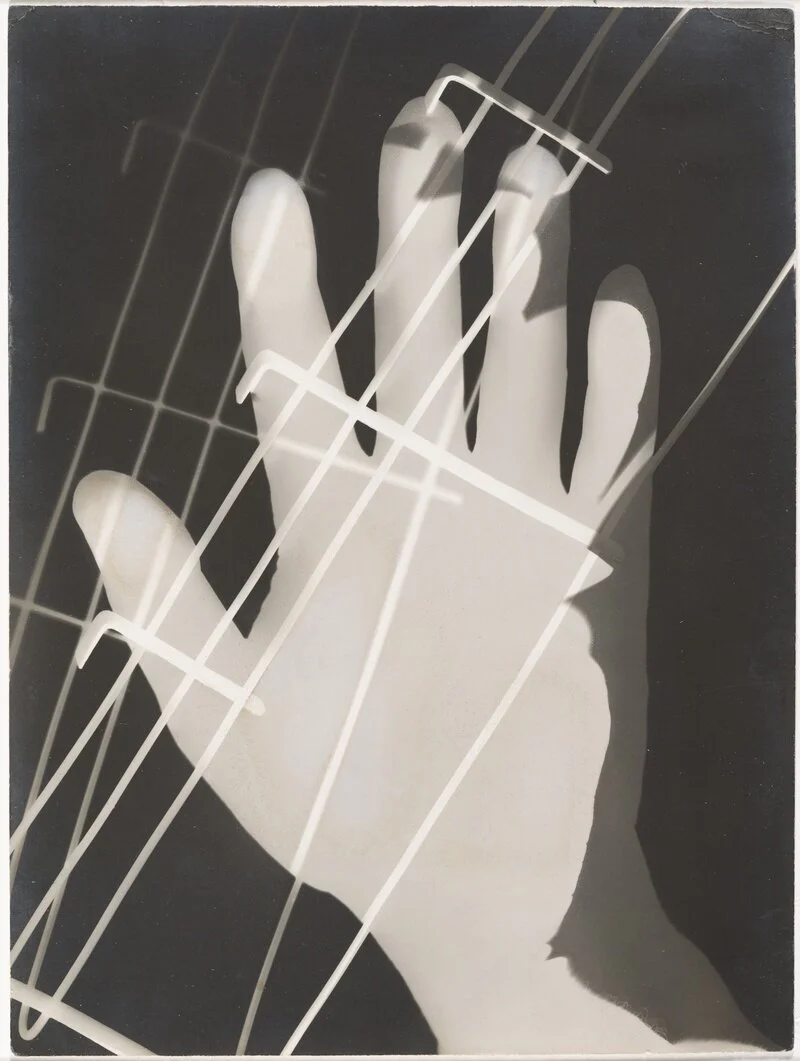
Laszlo Moholy-Nagy, Photogram, 1926
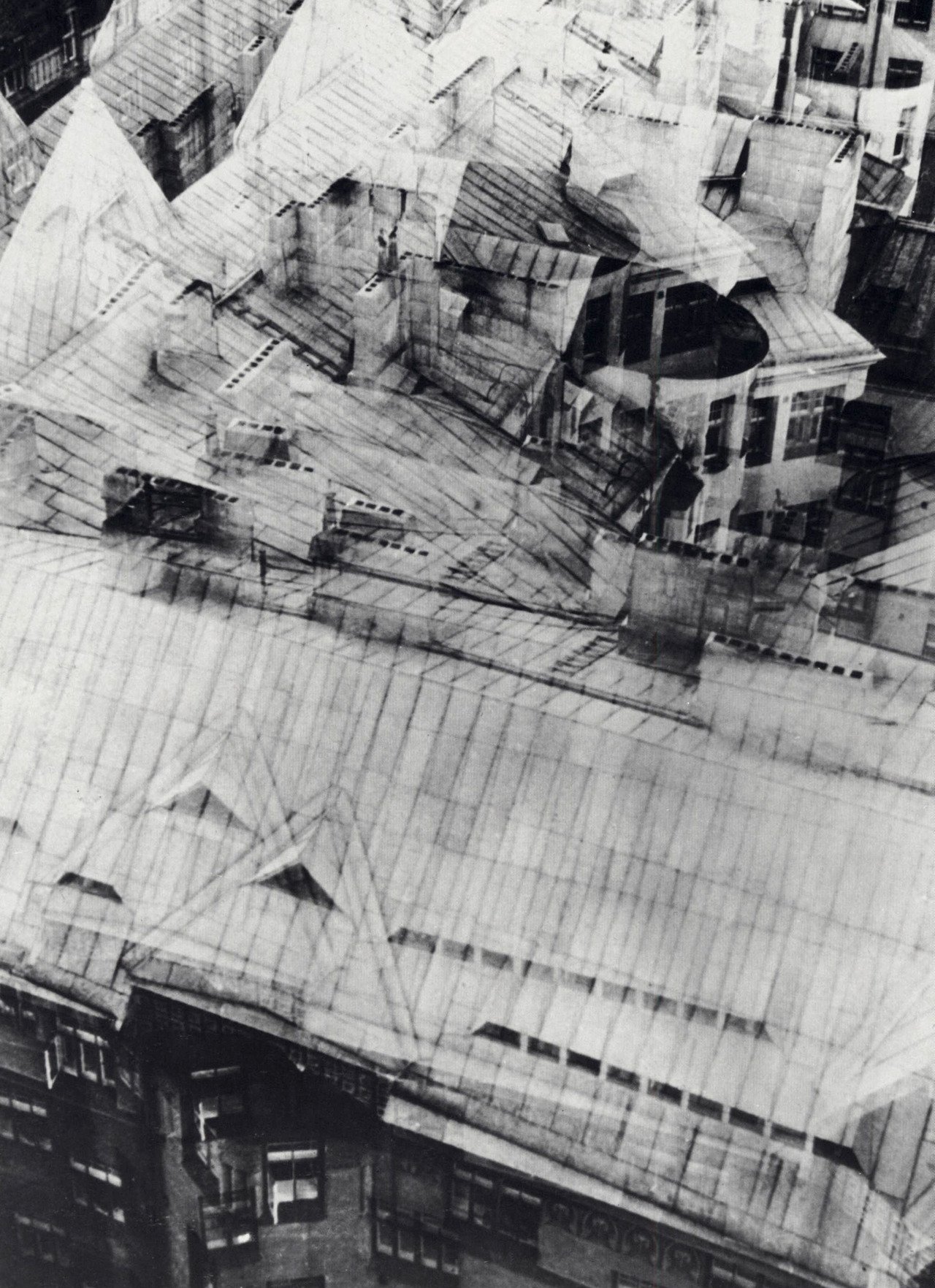
László Moholy-Nagy, Helskini, 1930, gelatin silver print, 394×292mm
Keywords
Dada, Modernism, Photogram, Experimental, Art, Community of practice
References
Laszlo Moholy-Nagy. 1926. Photogram. Image. https://moholy-nagy.org/.
Laszlo Moholy-Nagy. 1930. Helsinki. Image. https://www.sfmoma.org/artwork/98.243/.
Tate n.d. “Laszlo Moholy-Nagy”. TATE. Accessed March 11, 2020. https://www.tate.org.uk/art/artists/laszlo-moholy-nagy-1649.
Roman Ciéslewicz
Roman Ciéslewicz (1930–1996) is a lesser-known Polish artist who worked across collage, photography, and painting. As a graphic designer, he is recognised for his poster art, constructivist style, and connections to the Bauhaus movement. His approach to deconstructing and reconstructing photographs challenges the conventional practices within the medium. I find inspiration in both his artistic viewpoint and creative outputs.
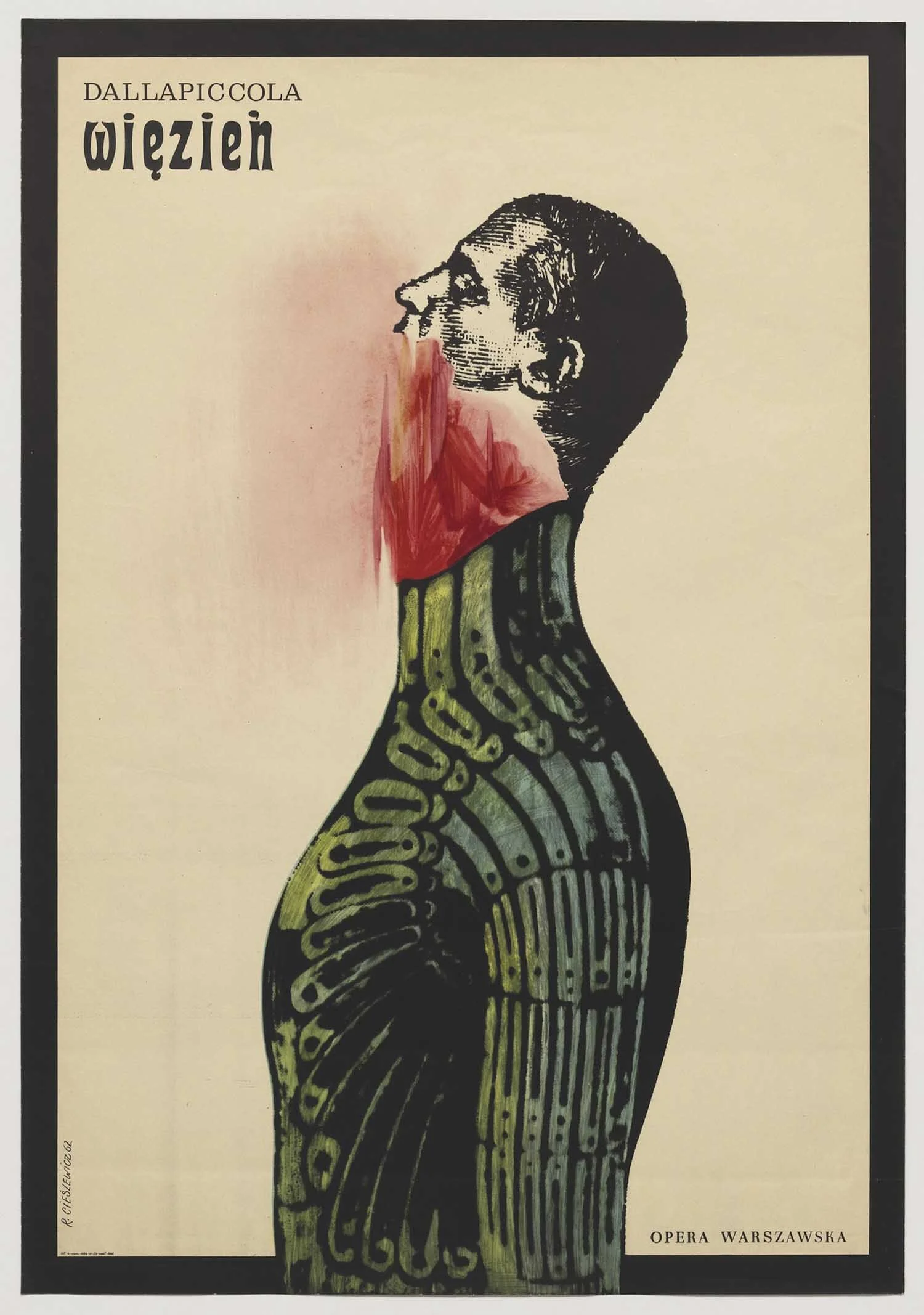
Roman Cieślewicz, Wiezien, 1944
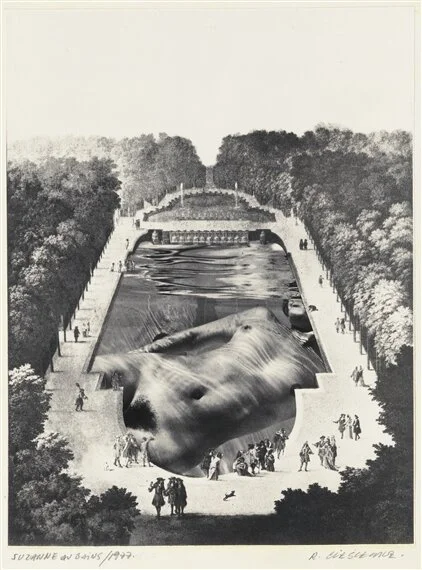
Roman Ciéslewicz, PORTRAIT-ROBOT DE LA POÉSIE, 1978
“I use all manner of techniques: photography, painting and watercolour, but not drawing. I have a constant source of inspiration: circular forms. I’ve often used the offset screen … to focus on a detail of a photographic enlargement. The flexibility and round form of the screen dots make it possible to bring out each gesture of the subject. Also, because I couldn’t afford silk-screen printing equipment, I used felt pens to fill out the areas between the screens. I effectively made the screen dots by hand. A lack of equipment and the need to visualise my ideas immediately resulted in a repetitive reproduction of mechanical techniques. I find the many imperfections of the hand-made version very pleasing”.
— Roman Ciéslewicz, 1993 (Eye Magazine n.d.)
Keywords
Photography, Graphic art, Poster art, Bauhaus, Surrealism, Painting, Watercolour, Inspiration, Circular forms, Offset screen, Photographic enlargement, Flexibility, Screen dots make, Gesture, Silk-screen, Equipment, Visualise, Ideas, Repetition, Reproduction, Mechanical, Imperfection, Hand-made
Bibliography
Ciéslewicz, Roman. ‘Reputations: Roman Ciéslewicz’. Interview by MargotRouard-Snowman. Eye Magazine, 1993. http://www.eyemagazine.com/feature/article/reputations-roman-cieslewicz.
Ciéslewicz, Roman. 1944. Wiezien (The Prisoner). Image. https://www.moma.org/collection/works/122665.
Cieslewicz, Roman. 1978. PORTRAIT-ROBOT DE LA POÉSIE. Image. https://www.mutualart.com/Artwork/PORTRAIT-ROBOT-DE-LA-POESIE/A80FDEBDFB492859.
Lee Miller
Lee Miller
USA
1907–1977
Practice: Model; War correspondent; Photography
Movement/Style: Surrealism, Photojournalism, Documentary
Lee Miller was an American artist who refused to be defined by her gender, beauty or age. Miller was a high-end fashion model, muse to several of the great Surrealists, a photographer, actor and one of the only female war correspondents to be credentialed during WWII, with Miller’s reportage and images, including a powerfully emotive series of photographs from the WWII death camps, published in American Vogue.
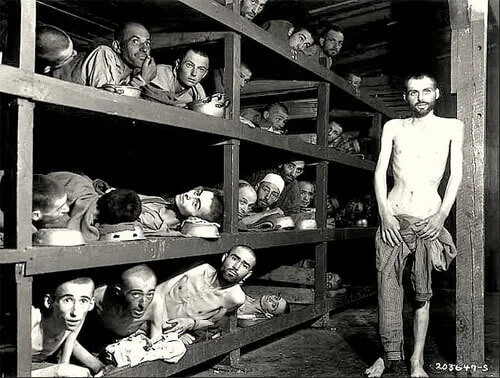
Lee Miller, Inmates of the German KZ Buchenwald, 1945
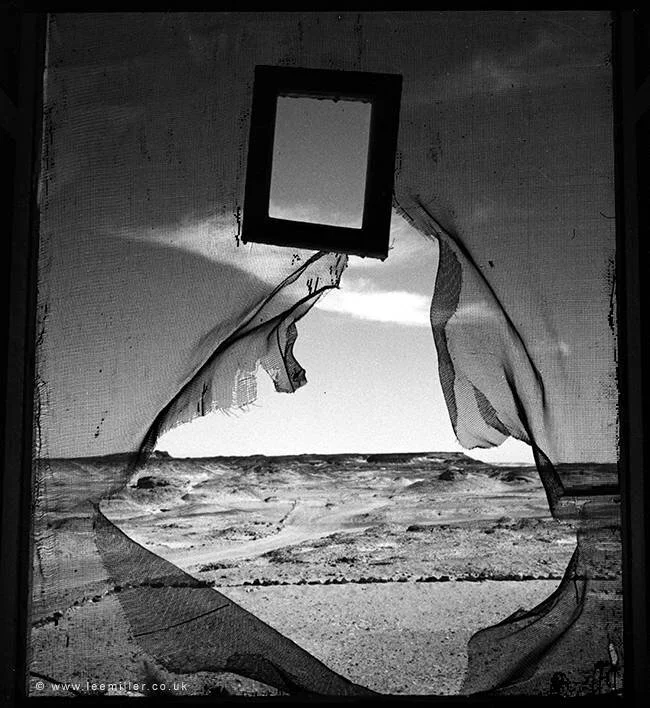
Lee Miller, Portrait of Space, 1937
Keywords
American, Artist, Gender, Beauty, Age, Artistic practice, Model, Muse, Surrealism, Photographer, Actor, War correspondents, World War II, Independent, Bohemian, Society, Traditional, Gender roles, Innovative, Landscapes, Strange, Pre-war Paris, Film, Picasso, Man Ray, Lee Miller Archive
Bibliography
Miller, L 1945, Inmates of the German KZ Buchenwald, photograph, viewed 4 April 2020, <https://www.all-about-photo.com/photographers/photographer/482/elizabeth-lee-miller>
Miller, L 1937, Portrait of Space, photograph, viewed 22 March 2020, <https://www.theartstory.org/artist/miller-lee/artworks/>
NSU Art Museum 2015, The Indestructible Lee Miller, viewed 4 April 2020, <https://nsuartmuseum.org/exhibition/the-indestructible-lee-miller/>
The Art Story n.d., Lee Miller, viewed 18 March 2020, <https://www.theartstory.org/artist/miller-lee/>
Alexander Rodchenko
Alexander Rodchenko
Russia
1891–1956
Practice: Photography; Painting; Graphic design; Sculpture
Movement/Style: Modern art, Constructivism; DADA
Rodchenko’s diversity in style and mediums is captivating. The book Design: Rodchenko (Milner, J 2009) delivers a comprehensive account of Rodchenko’s career, the introduction, although short, providing a concise timeline of Rodchenko’s childhood and connections to the theatre, as a painter, through to political and sociological occurrence that saw Rodchenko’s evolution from painter through to designer and one of the most influential creatives of the Constructivist movement. Milner touches on Rodchenko’s connections with Futurism (and the differences between the Russian and Italian factions), the artist’s ideals based in disassociation in art, minimalism, contrast and colour, along with several constraints that led Rodchenko to these styles and social connections. Sadly, the book does not present any of Rodchenko’s photography. The book is an excellent resource for general information about Rodchenko and valuable resource for further research.
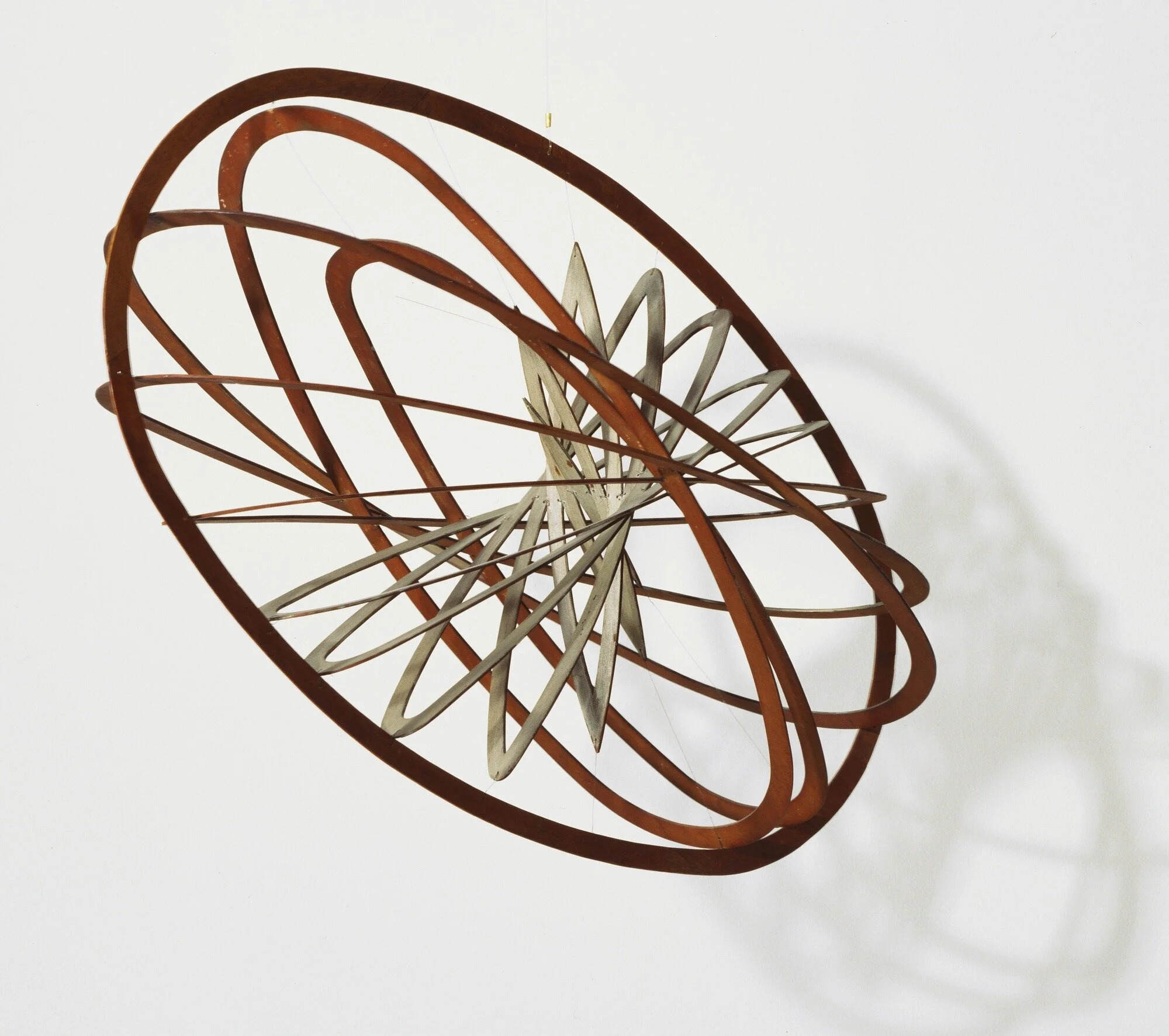
Alexander Rodchenko, Spatial Construction no. 12, 1928
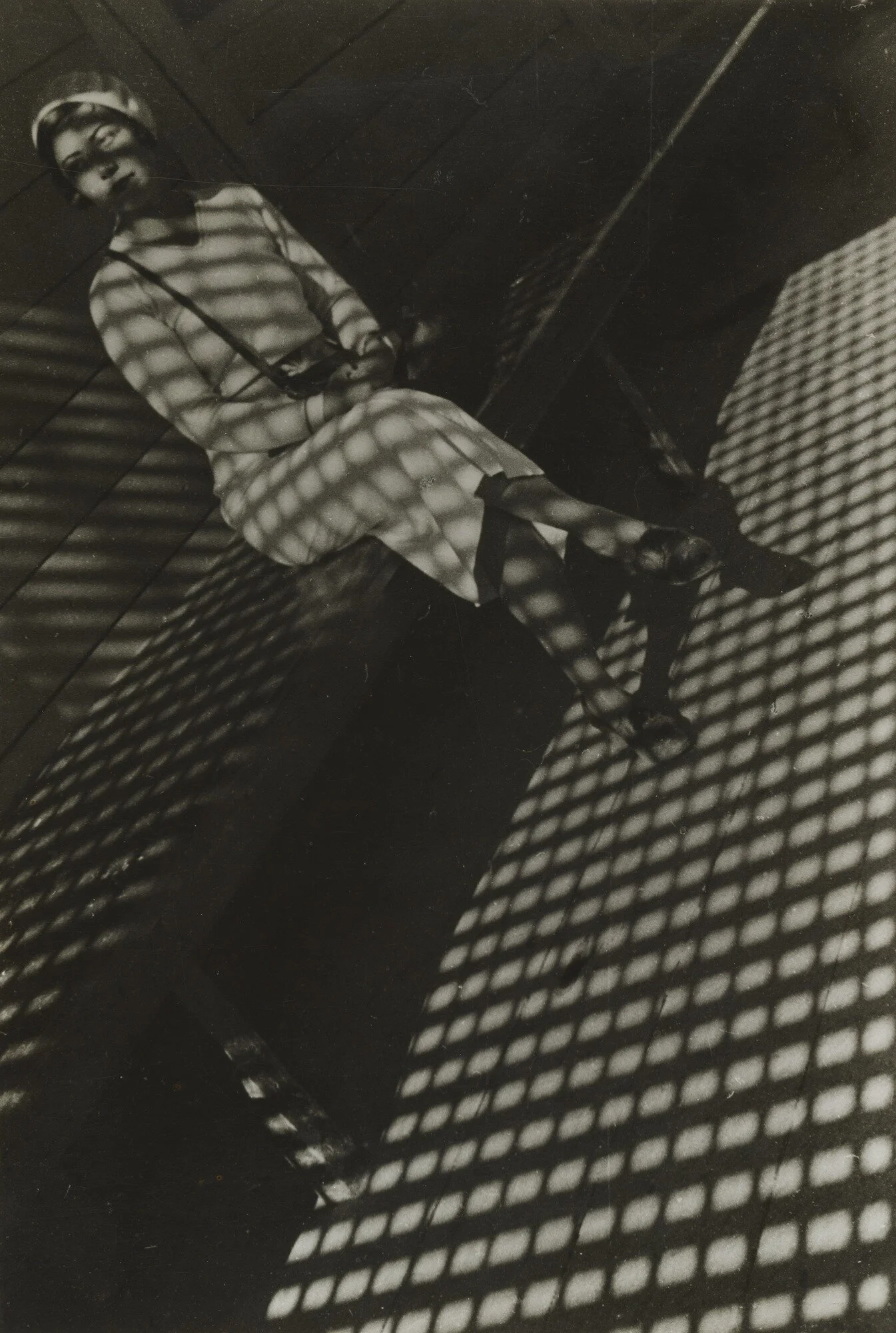
Alexander Rodchenko, Girl with a Leica, 1932–33
Notes
Rodchenko's subject matter and approach to photography are fascinating. Girl with a Leica (Rodchenko 1932–33) is an excellent example of how strongly Rodchenko's graphic design background influenced his photography. Rodchenko is one of the great Modernists for a reason.
Keywords
Russia, WW1, Anti-art, Graphic design, Collage, Photography, Politics, Socioeconomics, Poster art, Influence, Constructivism, Dada, Propaganda, Communism, Revolutionary, Theatre designer, Printer, Painter, Sculptor, Photographer, Art theory, Education, Constructivists' Manifesto, Realist Manifesto, Machine-made, Materials , Illustration, Commercial design, Photomontage, Flexible, Trademark, Techniques
Bibliography
Milner, J 2009, Design: Rodchenko, Antique Collectors Club, Woodbridge, Suffolk
MoMA n.d., Alexander Rodchenko, viewed 14 March 2020, <https://www.moma.org/artists/4975#works>
Rodchenko, A 1920, Spatial Construction no. 12, photograph, viewed 14 March 2020, <https://www.moma.org/collection/works/81043>
Rodchenko, A 1932–33, Girl with a Leica, photograph, viewed 14 March 2020, <https://www.moma.org/collection/works/83882>
The Art Story n.d., Constructivism, viewed 14 March 2020, <https://www.theartstory.org/movement/constructivism/>