
S1 Week 3: Pinhole and Diana
Medium format lomo
Figure 1.
Figure 2.
Long exposure pinhole paper negatives
Figure 3. Scan of paper negative captured with an exposure of four days using my handmade Ilford 5x7” paper box pinhole camera
Figure 4. Digitally inverted scan of paper negative captured with an exposure of four days using my handmade Ilford 5x7” paper box pinhole camera
Figure 5. Scan of paper negative captured with an exposure of four days using my handmade coffee can pinhole camera
Figure 6. Digitally inverted scan of paper negative captured with an exposure of four days using my handmade coffee can pinhole camera
Figure 7. Scan of coffee can pinhole camera solarised paper negative (three day exposure)
Figure 8. Digitally inverted scan of coffee can pinhole camera solarised paper negative (three day exposure)
4x5 pinhole paper positives
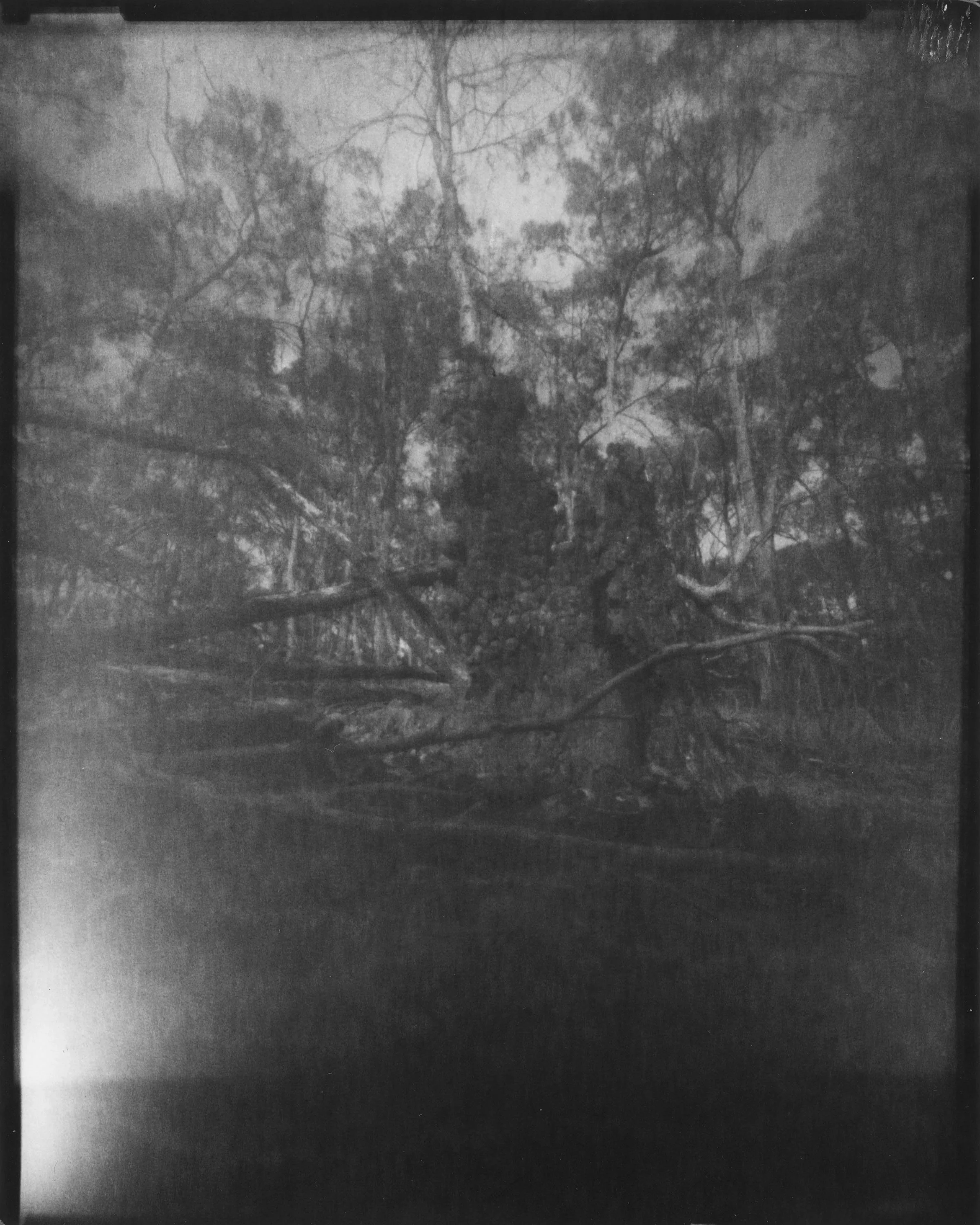
Figure 9.
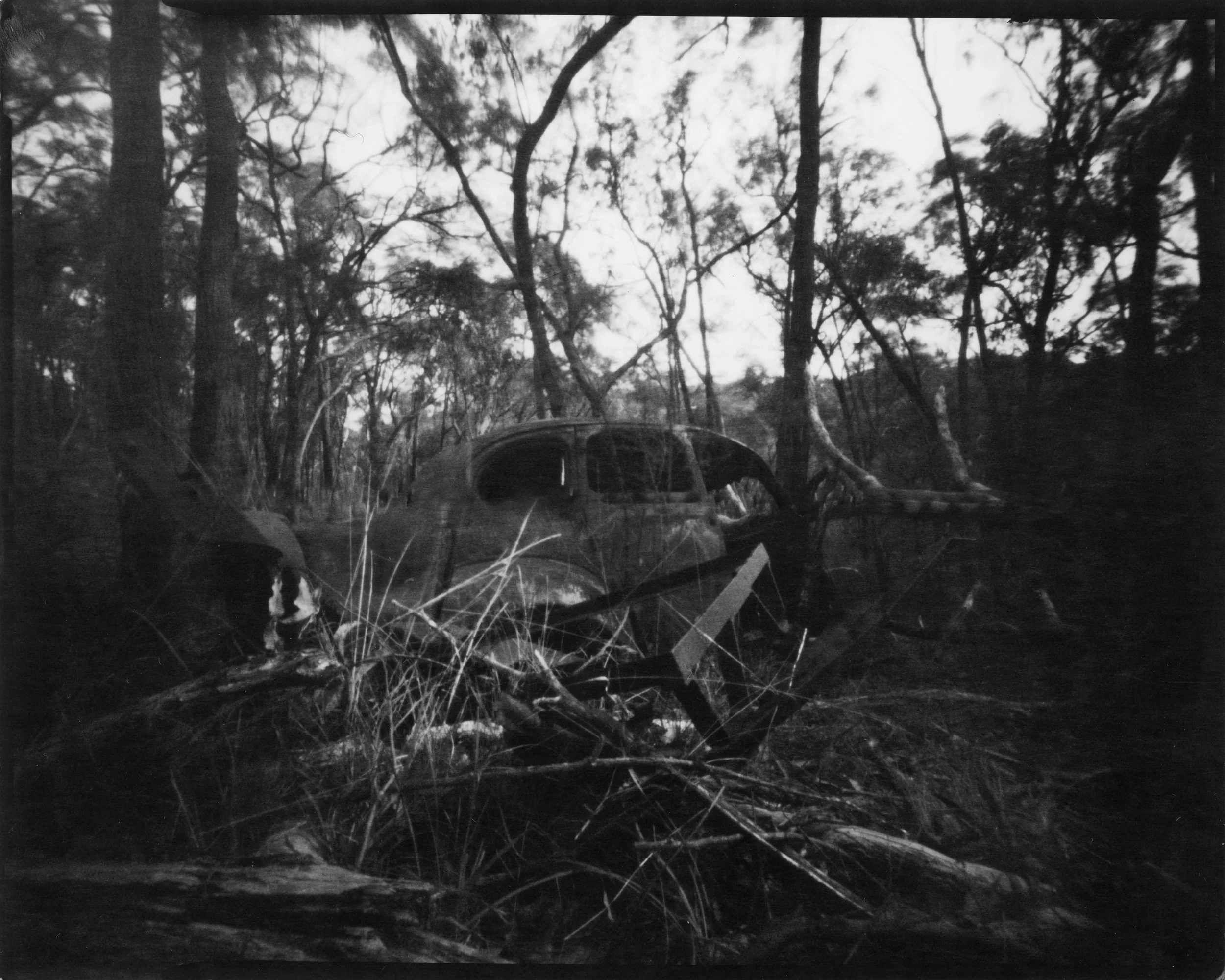
Figure 10.
Figure 11. Scan of paper negative captured with Ilford 5x7” paper box pinhole camera
Figure 12. Digitally inverted scan of paper negative captured with Ilford 5x7” paper box pinhole camera
Keywords
Studio 1, Week 3, Pinhole photography, Lomography, 120mm, 35mm, Paper negative, Solarising, Darkroom
Bibliography
PLASTICPOPSICLE. 2013. "Lomography - 6 Must-Try Tips For The Diana F+". Lomography. https://www.lomography.com/magazine/252635-6-must-try-tips-for-the-diana-f-plus.
Paper negative exposure
ISO
As a rule, paper ISO is 3. In a post on the Large Format Photography Forum blog (the best large format blog I have found) “A brief flashing (2 sec. I think at f22, 10 in height on the enlarger w/#0 vc filter) prior to loading” (jamesaz 2017). With preflash, the paper rating increases to approximately ISO 12.
Blue wavelengths
Photo paper is “sensitive to the blue wavelengths of light so any subject reflecting or emitting blue light”, such as blue sky. Pre-flash paper under the enlarger before loading into the camera to control contrast “to add some exposure to your paper but not enough to alter the pure base white” (Tweedie 2009).
Pre-flash
Tweedie states that a pre-flash of “2 seconds at f16 with the enlarger head set at approx 65cm from the base board”, advising that to experiment as the formula will vary depending on the paper type and enlarger.
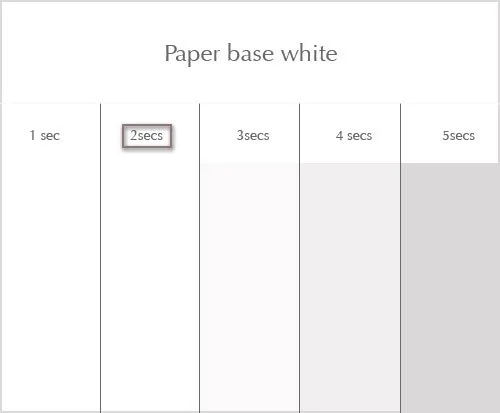
Figure 1. Mark Tweedie, Pre-flash exposure chart, 2009
Keywords
Paper negative, Exposure times
Bibliography
jamesaz. 2017. "Exposure Time For Ilford RC Pearl Used As Paper Negative". Blog. Large Format Photography Forum. https://www.largeformatphotography.info/forum/showthread.php?140900-Exposure-time-for-Ilford-RC-pearl-used-as-a-paper-negative.
Tweedie, Mark. 2009. "Paper Negative – The Underestimated Medium". Mark Tweedie. https://www.marktweedie.co.uk/paper-negative-the-underestimated-medium/.