
Making pinhole cameras
I am preparing several boxes in various sizes to make my first pinhole cameras, including purchased gift boxes and recycled darkroom paper boxes. Given that pinhole photography is one of the oldest pre-digital forms of the craft and will also use iPhone and Beats packaging. Sealing the units to prevent light leaks will be most challenging.
The juxtaposition of old tech using new tech is amusing and questions the longevity of methods. Although today’s technology allows for multiple backup systems, this has not always been the case. Notably, many of my backup drives and DVDs from the late 1990s to 2000s have corrupted, with the files now irretrievable. Double backups have proven futile over this period, while my negatives are perfectly intact.
Gift boxes and iPhone box pinhole camera preparation
Figure 1. Applying undercoat of gesso to box interiors before painting black to aid light proofing of pinhole cameras
Figure 2. Once the gesso is dry, the box interiors are painted black for additional light proofing
Figure 3. Once the gesso is dry, the box interiors are painted black for additional light proofing
Figure 4. Second and final coat of black paint to aid light proofing of boxes for pinhole cameras
Photo paper box pinhole camera preparation
A photo paper box is lightproof and makes good pinhole cameras, particularly for exposing on paper (making paper negatives). I am experimenting with making a housing to keep the paper stable in the box during exposure (Figures 5–7).
Figure 5. Making paper negative housing prototype for pinhole camera
Figure 6. Making paper negative housing prototype for pinhole camera
Figure 7. Paper negative housing prototype for pinhole camera (I have no idea if this will work)
Panorama
I am also exploring making a wide-angle pinhole camera (Figure 8), prompted by researching how to make a panorama pinhole for 35mm and 120mm film. A wine box could work well with its solid construction. Although the depth and width of the box ‘should’ be adequate, it could be adjusted by cutting down or extending the sides.
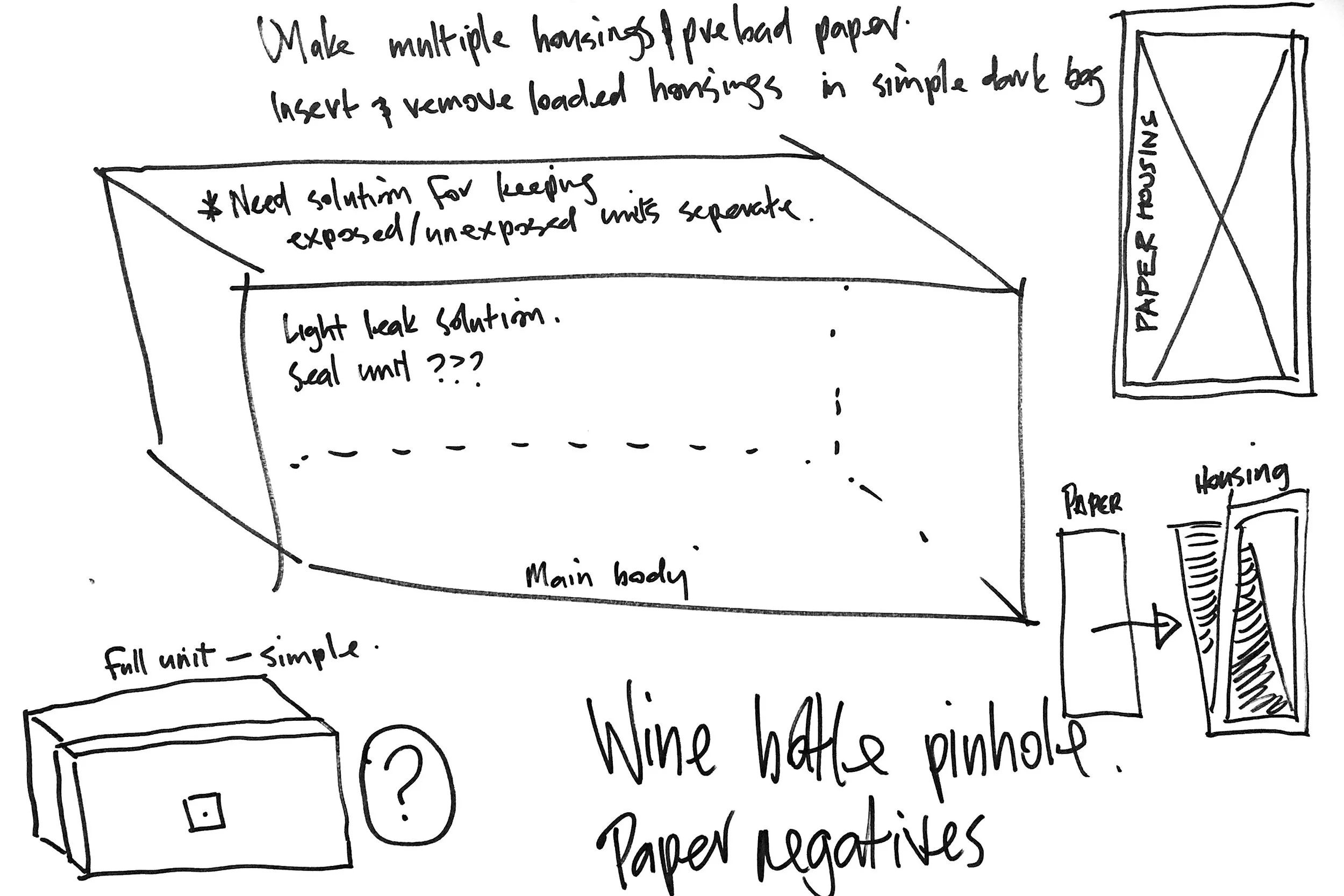
Figure 8. Design rough for panorama pinhole camera using wine box