
Bookbinding 4: Clamshell enclosure
Although I am teaching myself how to make the clamshell enclosure (Figures 1–2), the power-to-weight ratio of time versus cost must also be considered. As such, I am sourcing professional bookbinders to order a completed unit. Onward and upward.
Figure 1. Uncovered clamshell enclosure (right-side base).
Figure 2. Checking prints fit in clamshell enclosure.
Keywords
Bookbinding, Clamshell
Bibliography
Schneider, Darryn A. 2020. “Making a Clamshell Enclosure for Rare, Valuable or Fragile Books Part 1 // Adventures in Bookbinding”. DAS Bookbinding. April 18, 2020. YouTube video, 29:25. https://www.youtube.com/watch?v=a5sa0KXJf3Y.
Schneider, Darryn A. 2020. “Making a Clamshell Enclosure for Rare, Valuable or Fragile Books Part 2 // Adventures in Bookbinding”. DAS Bookbinding. April 25, 2020. YouTube video, 25:19. https://www.youtube.com/watch?v=8Tc6CFXq-_k.
Bookbinding 3: Knots
Keywords
Bookbinding, Knots
Bibliography
Schneider, Darryn A. 2019. “Bookbinding Knots: Square, Kettle, Weavers Knot // Adventures in Bookbinding”. DAS Bookbinding. April 24, 2019. YouTube video, 08:52. https://www.youtube.com/watch?v=fS0TknH4MUc.
Bookbinding 2: Reinforced springback sewing
After much research, reinforced springback sewing is an ideal finish for an artist's book. Although this method of bookbinding is generally applied when working with “sections”, it should work well with printmakers’ paper and single spreads.
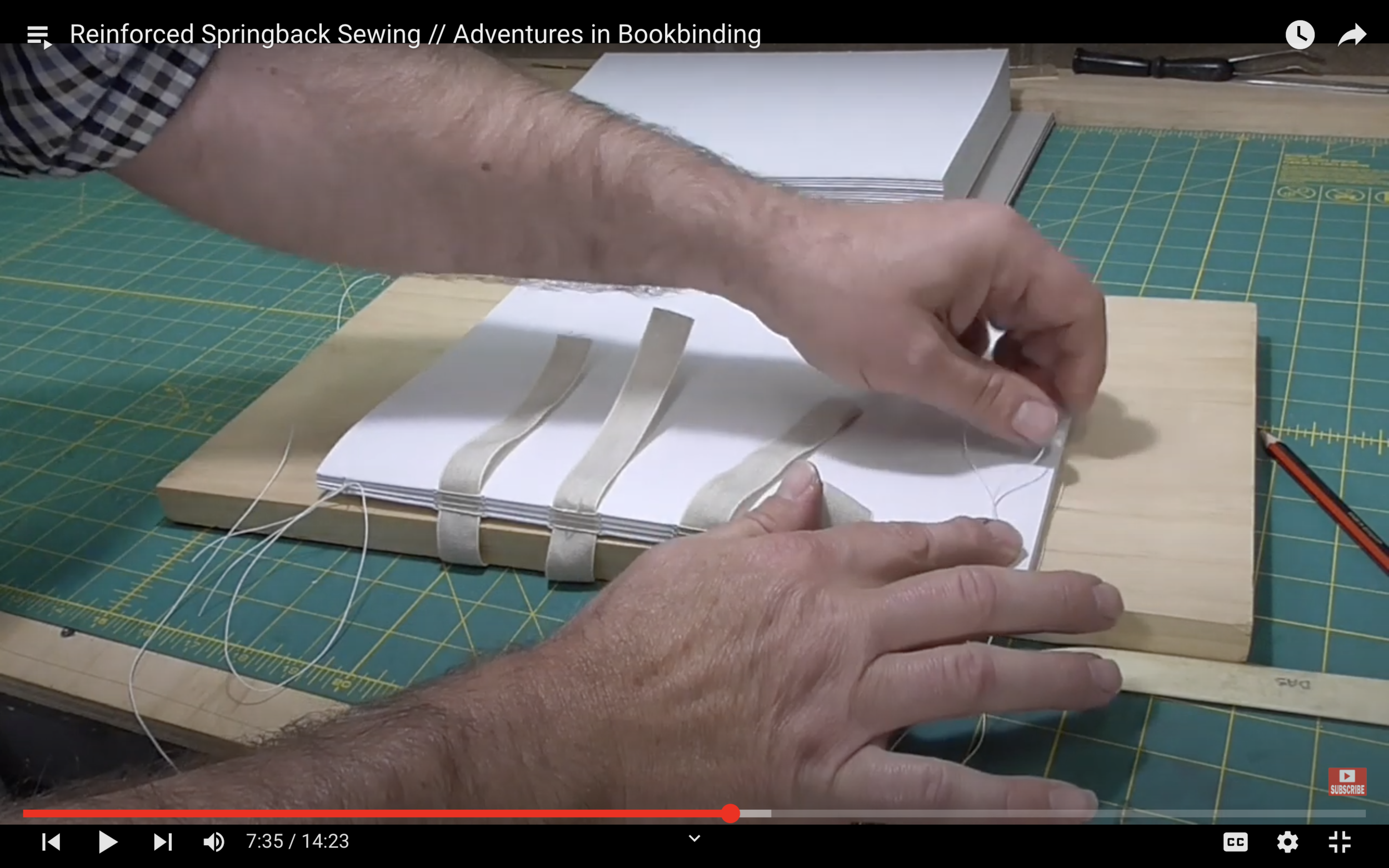
Figure 1. Reinforced Springback Sewing (Schneider 2019).
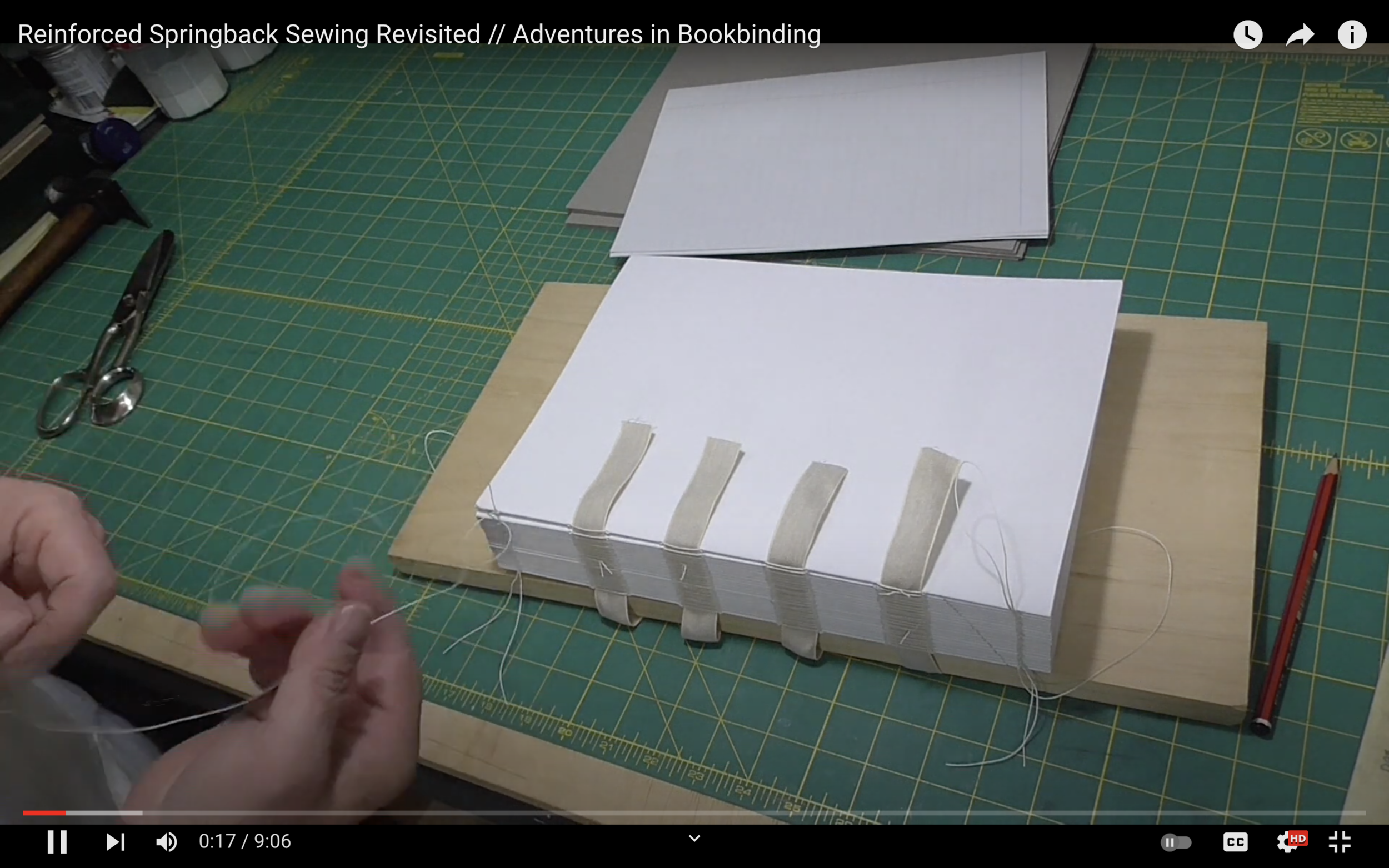
Figure 2. Reinforced Springback Sewing Revisited (Schneider 2020).
Keywords
Bookbinding, Sewing, Reinforced springback
Bibliography
Schneider, Darryn A. 2019. “Reinforced Springback Sewing // Adventures in Bookbinding”. DAS Bookbinding. September 10, 2019. YouTube video, 14:23. https://youtu.be/sjROFTuimEA.
Schneider, Darryn A. 2020. Reinforced Springback Sewing Revisited // Adventures in Bookbinding”. DAS Bookbinding. January 3, 2020. YouTube video, 09:06. https://youtu.be/nukFW_bm0tg.
Bookbinding 1: Constraints
Constraints
Contact bookbinder to discuss binding methods I am interested in and the pre-binding allowances that should be considered in the book design. As I am creating a series of artist books using printmaking methods such as photogravure, the overall design must be considered and incorporated into the printmaking process to ensure that all works are made to the correct specifications to achieve the best results in the final outcome.
Printmaking is expensive and time-consuming. As with any project with a set outcome, I factor in the constraints of the ‘outcome’ and then troubleshoot the presentation of the work and move forward. Although the ‘troubleshooting process’ takes time and may be perceived as ‘putting the cart before the horse’, doing so provides clarity for the creative process and project direction. The end result speaks for itself.
Printmaking and bookbinding constraints:
Allowance for binding margin (gutter).
Most efficient paper sizes.
Working with printmaking paper.
Glassine between each sheet/page.
Clean versus deckle edging on paper stock.
Keywords
Book binding, Constraints, Project planning