
S1 A1 reflection
Feedback
Zo, you've done more experimentation than we have actually engaged with in our 3 conversations to date. The previous work is not so relevant to this report and I vote we leave this behind, for now, we don't need to make new work in relation to those projects. I think the paint experiments are better than you think they are, and actually, I am interested in digging them out for our next discussion, as well as the work you are currently doing! I have made a comment on the frisson theory, this may or may not be relevant going forward, but the term is not so specific as your reference would have it. I think slowing down is really key at present. I can appreciate that you have already completed a Masters and that you are quite a fast thinker. But, we are not in any hurry and we have nothing to prove.
Response
It seems I have misunderstood a few things regarding previous work, which I see as a positive moving forward. More than happy to let that work go and second your vote. Some of the painting experiments have been thrown out. Some not. I'll dig out what I kept for our next meeting. I have a long way to go with embracing slowing down Dom, although I am improving. There is always something to prove to myself.
Reflection
Although there has been valuable guidance and advice, I feel that I am not only grossly misunderstood but also underestimated and deserve better than ‘commencing’ in the rubric. As stated in my interview for the MFA, I have no interest in 'exploring' new modes of making. Further, my interests are expanding on my generative art practice and continued investigation of how rhythm and energy manifest in the creative process and visual iteration of frissons. Notably, this now extends to studying how apparatus-based practice (analogue photography and experimental darkroom) can serve as a means of communication and self-expression that transgresses written and spoken language for the artist and challenge the indexicality, tropes, and traditional notions of what a photograph should be. Consequently, I am questioning how much of what was discussed in my meeting has been considered or taken on board by the university and whether I should continue my study in the MFA or reassess the program structure and move into Studio 3.
Submission
My initial experiments[1] created for the Master of Fine Art program included introducing unfamiliar elements into my practice, such as painting (Figures 1 and 2). At the time, I felt the results to be unsatisfactory failing to reflect or iterate the frissons I experience when listing to music and making and viewing art, but more my frustration in working with the medium. Printmaking artefacts (Figure 3) and abstract film photography (Figure 4) were also used to make photogravure prints on various substrates (Figures 3–5). Although the traces and movement in the artefacts and abstract photography were captivating, offering a potential representation of physical and psychological networks that receive and interpret auditory and visual stimuli, which manifest tangibly as frissons. As with the painting, I was not satisfied with the prints outcomes, representation, or overall aesthetic and have chosen not to work with these visual concepts as they feel forced and cliché. Additional experiments painting ink on tracing paper (Figures 6 and 7) and mixed media montages were made, but as with the methods outlined above, did not result in successful outcomes and have thus not been pursued.
Figure 1. Untitled 2022, mixed media on cardboard, 420x590mm
Figure 2. Untitled, 2022, acrylic on foam-core, 297x420mm
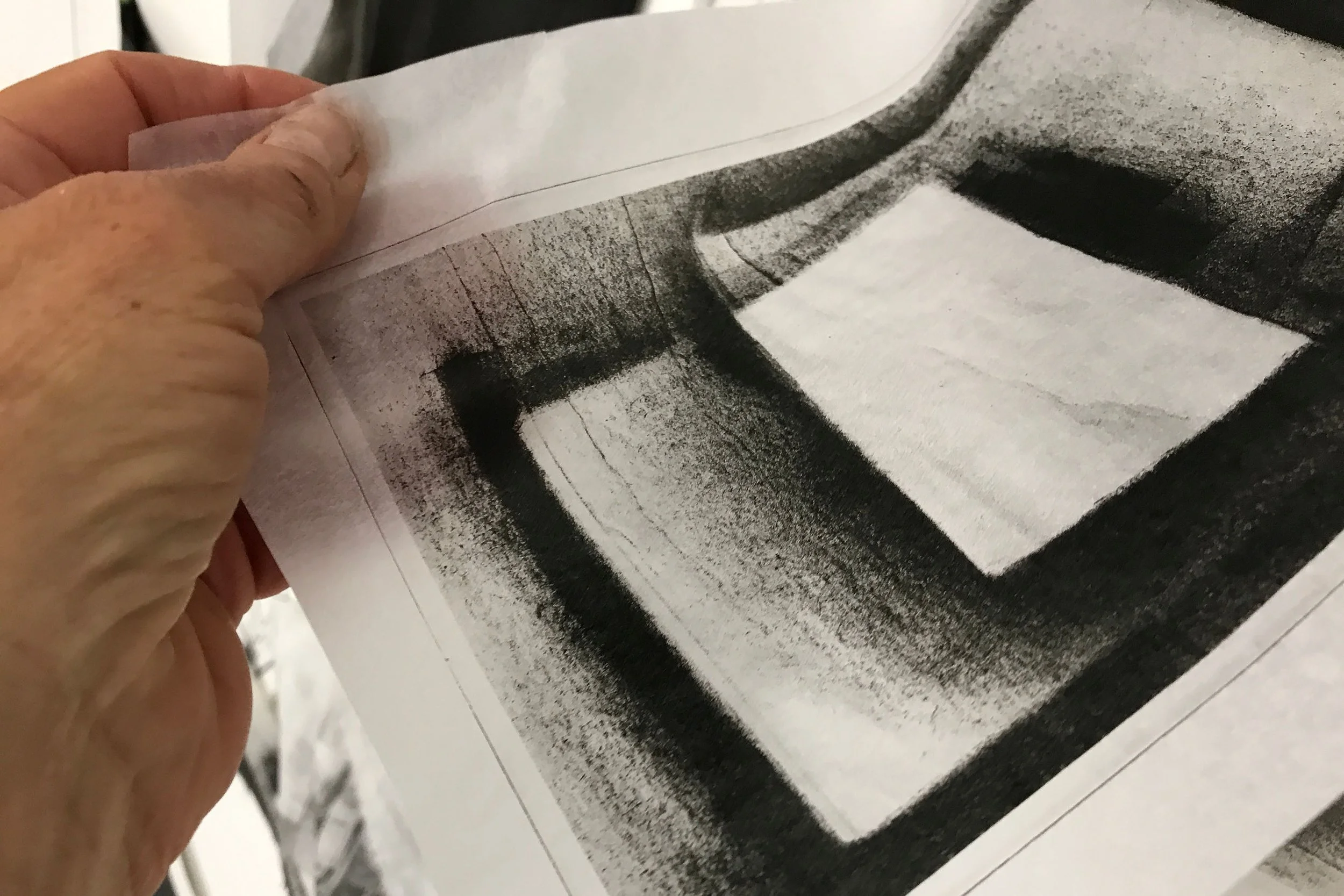
Figure 3. Untitled, 2022, photogravure on linen, plate size 148x210mm
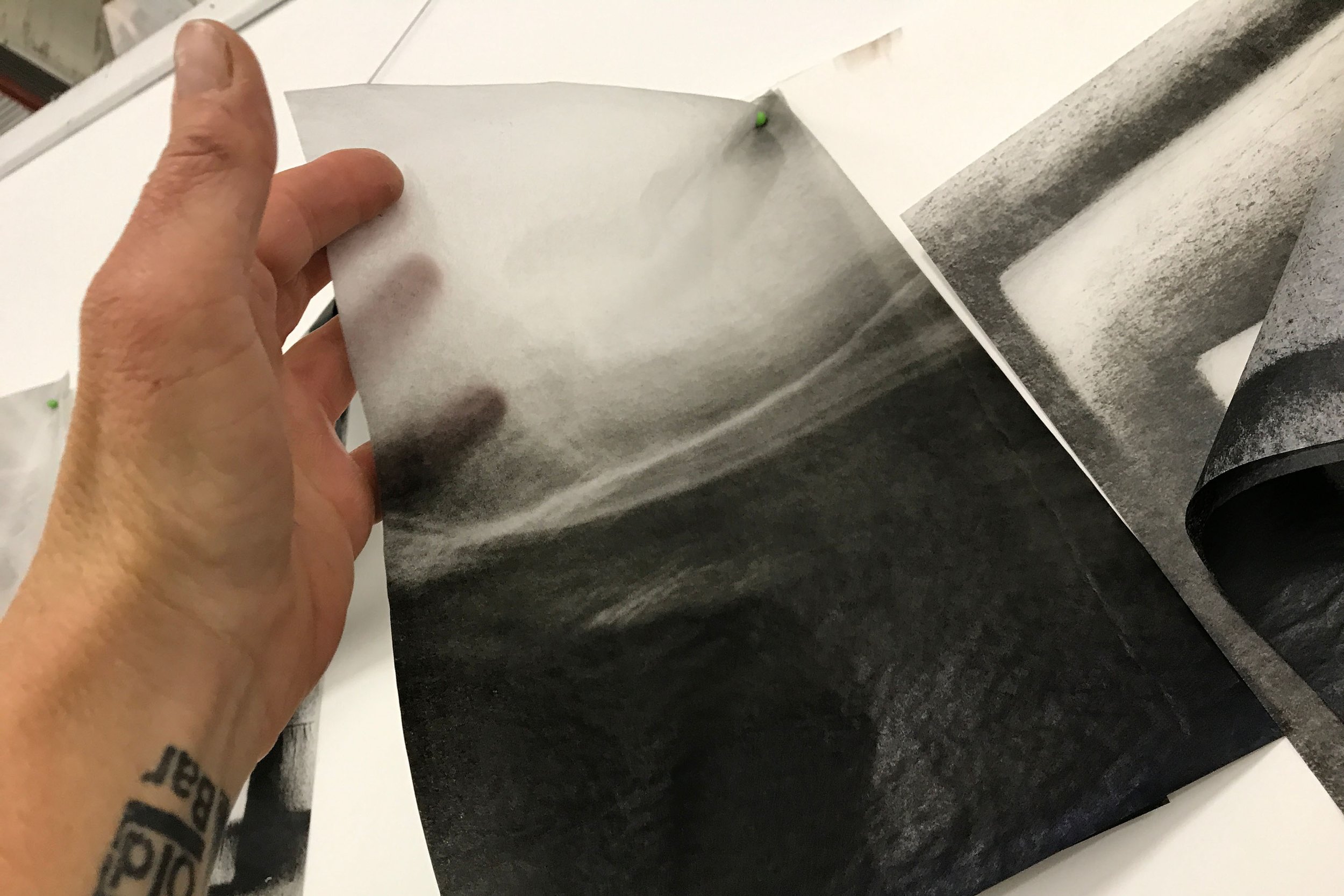
Figure 4. Untitled, 2022, photogravure on tissue paper, plate size 210x297mm
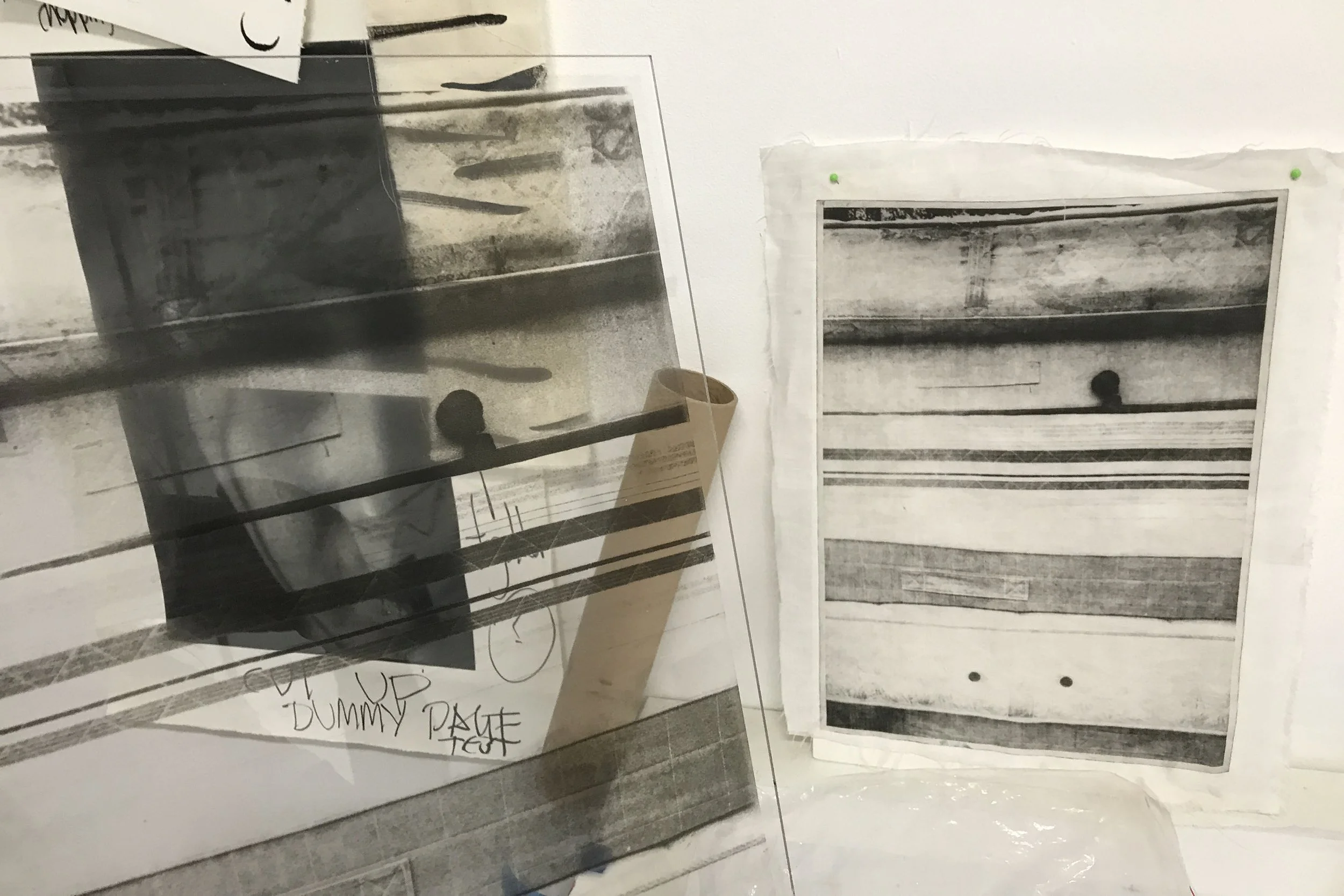
Figure 5. Untitled, 2022, photogravure on 3mm acetate, plate size 297x420mm
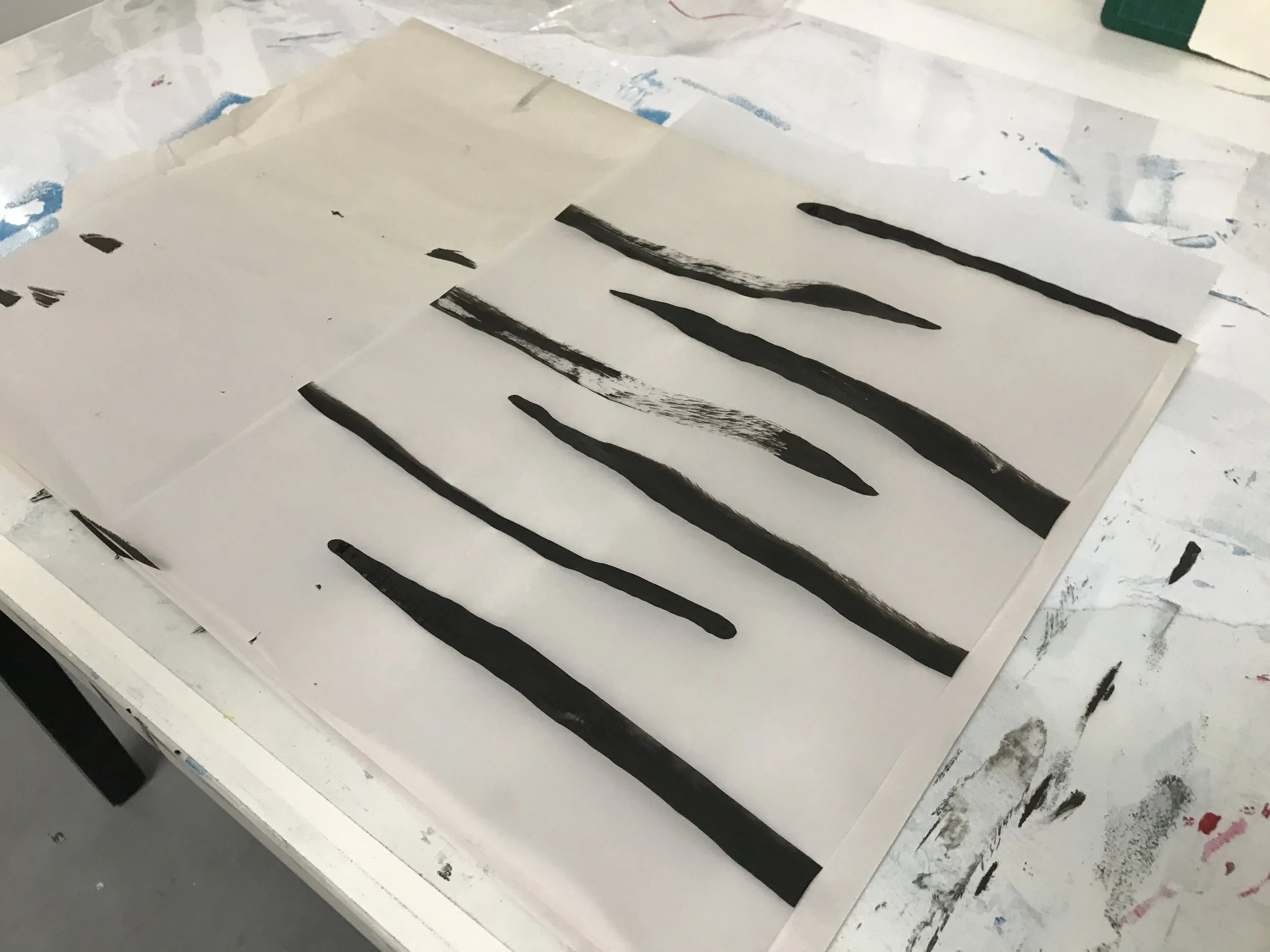
Figure 6. Untitled, 2022, Indian ink on 50gsm tracing paper inspired by basilar membrane ‘hairs’, 297x420mm
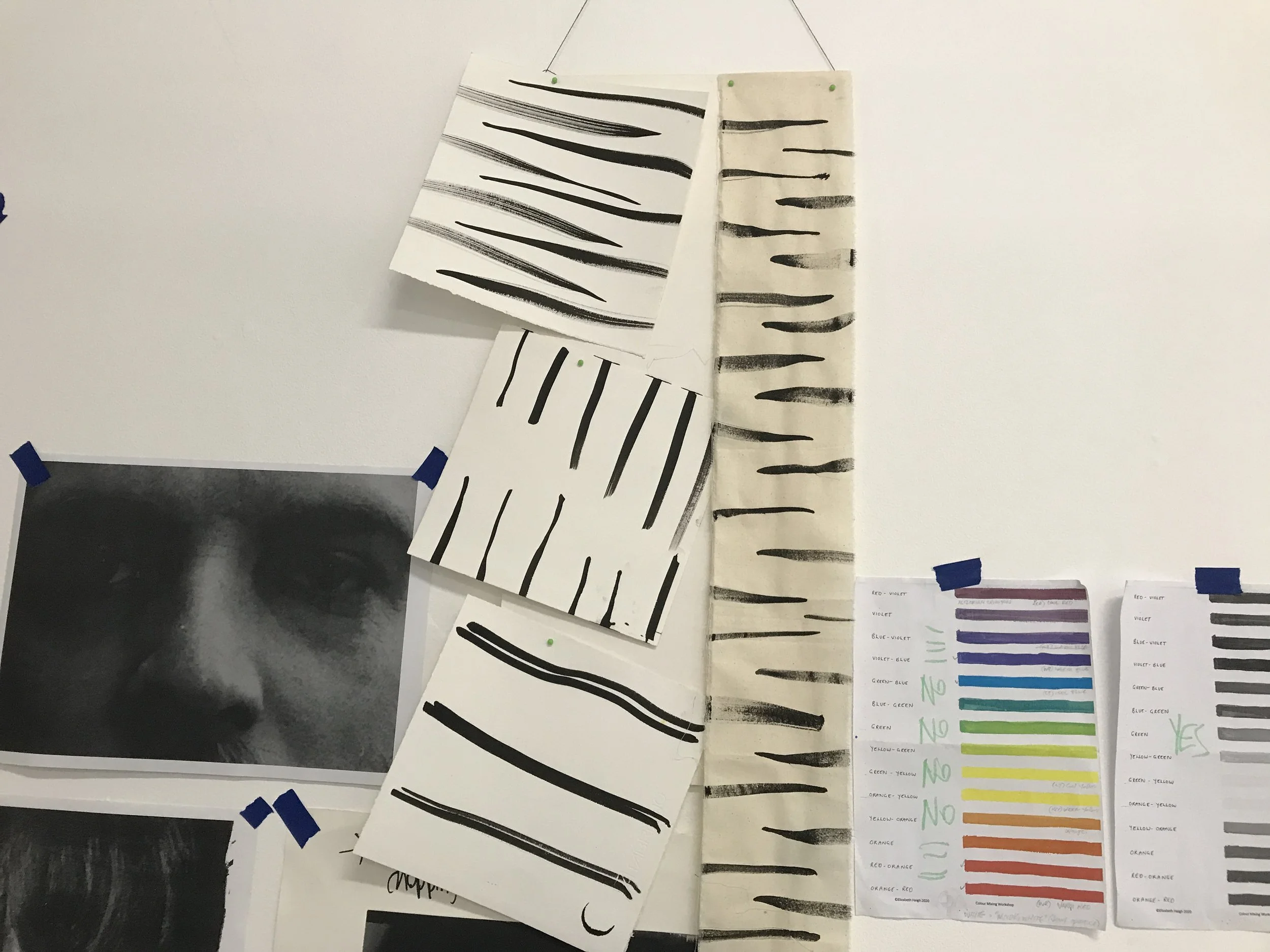
Figure 7. Experiments with Indian ink on printmaking paper (left) and calico (right) inspired by basilar membrane ‘hairs’, 2022
Despite still experimenting with the methods I will use for the project, my initial creative investigations in Studio 1 for the MFA have not produced outcomes worth pursuing. However, the process has reminded me of the adage, “Love what you make and make what you love”, leading me back to photography, where I am photographing my day-to-day life (Figure 8) while continuing to investigate studio-based research. My field of reference includes Modernist and Contemporary artists such as Laszlo Moholy-Nagy, Man Ray, Floris Neusüss, Eileen Quinlan and Mariah Robertson.
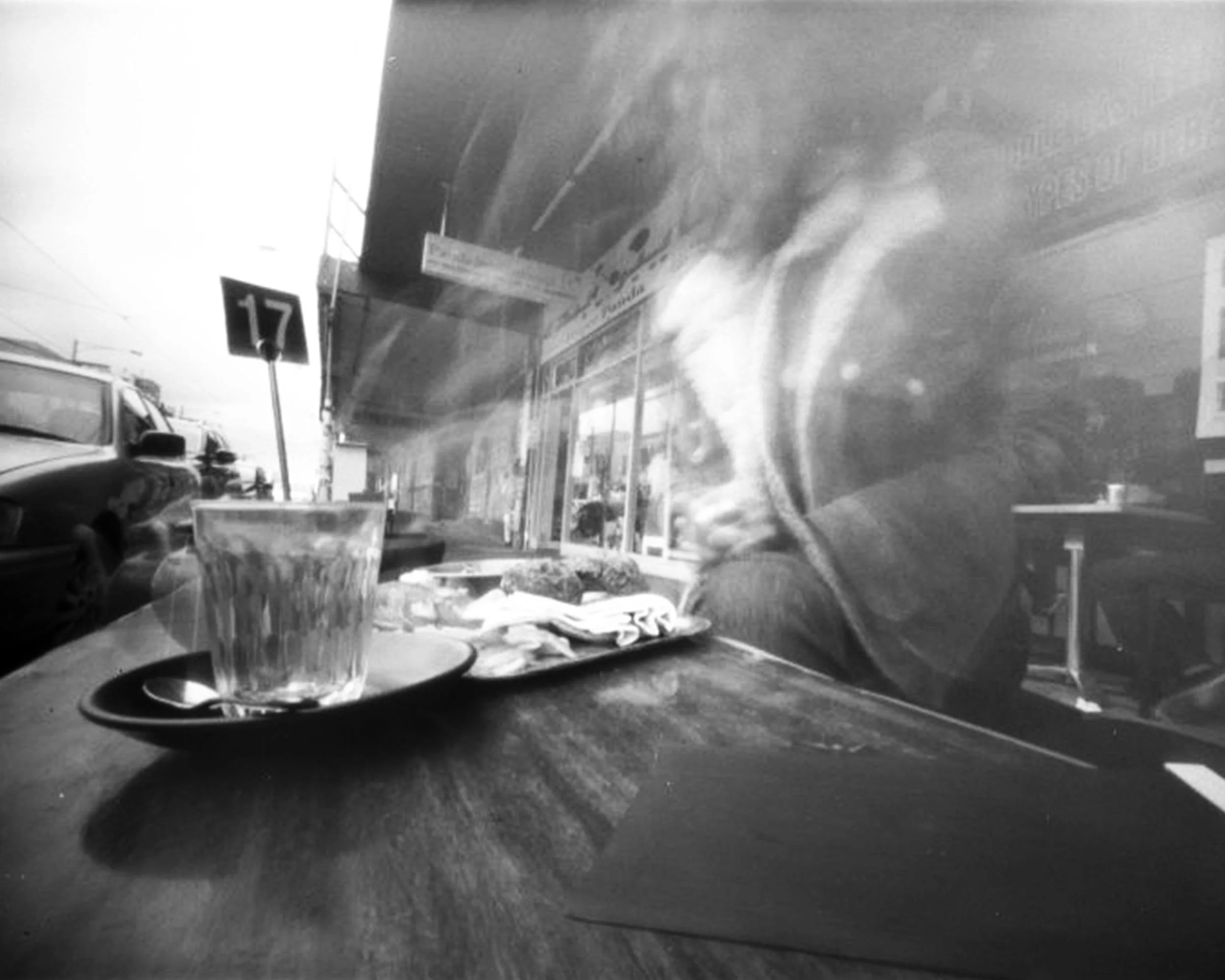
Figure 8
Pinhole photography may be interesting, while another avenue to explore is distortion. All the effects would be achieved in-camera/capture, reflecting, and iterating my own experience. The challenge and the constraints would also serve me well for keeping on an even keel without spinning into a creative hot mess.
It would be fascinating to investigate digital imaging of human responses to visual and auditory stimuli and learn from researchers currently working in the fields of neuroscience and physics.
To share that I have no idea what I am making and am at a complete creative loss is daunting and terrifying. Without a clear plan and outcome to work towards, I flounder without focus. That does not mean I need to know what I will make, but more what I am making for.
Footnotes
[1] Additional creative investigations I have undertaken in the Master of Fine Art program may be viewed online at https://zed-oh.com.
Keywords
Studio 1, Assignment, Reflection