
S1 Crit 1 Reflection
Untitled 0061 (Damage 2026) is a polyptych gelatin silver print created specifically for my first crit. To make the work, I applied chemical treatments using crafting brushes – rather than traditional chemical immersion methods – to elicit indexical gestures through mark-making. From this perspective, my research investigates analogue photography as an expressive visual language in its capacity to evoke authorship and material agency. Radical darkroom techniques are employed to subvert the aesthetic legacy of the native image (Figures 1 and 5-8). This approach aims to disrupt the conventional renderings of space and time typically associated with photography. For example, I introduced procedural innovations by (a) modifying or omitting specific steps in the darkroom to elicit innate hues of sepia, violet, and blue from the monochromatic structures (Figures 5 and 8). I also applied chemical treatments using art brushes and painterly gestures to materialise my intent and authorship in the artwork (Figures 2 and 5-11).
Following my meeting with Kathy, I am working to push the photographic image beyond the wall and the confines of the traditional two-dimensional plane. I appreciated her positive feedback regarding the inclusion of the cube artworks in my presentation. Consequently, I am deepening my investigations into sculptural installation techniques as a spatial method to examine the juxtaposition between three-dimentional objects and conventional renderings of two-dimentional artwork.
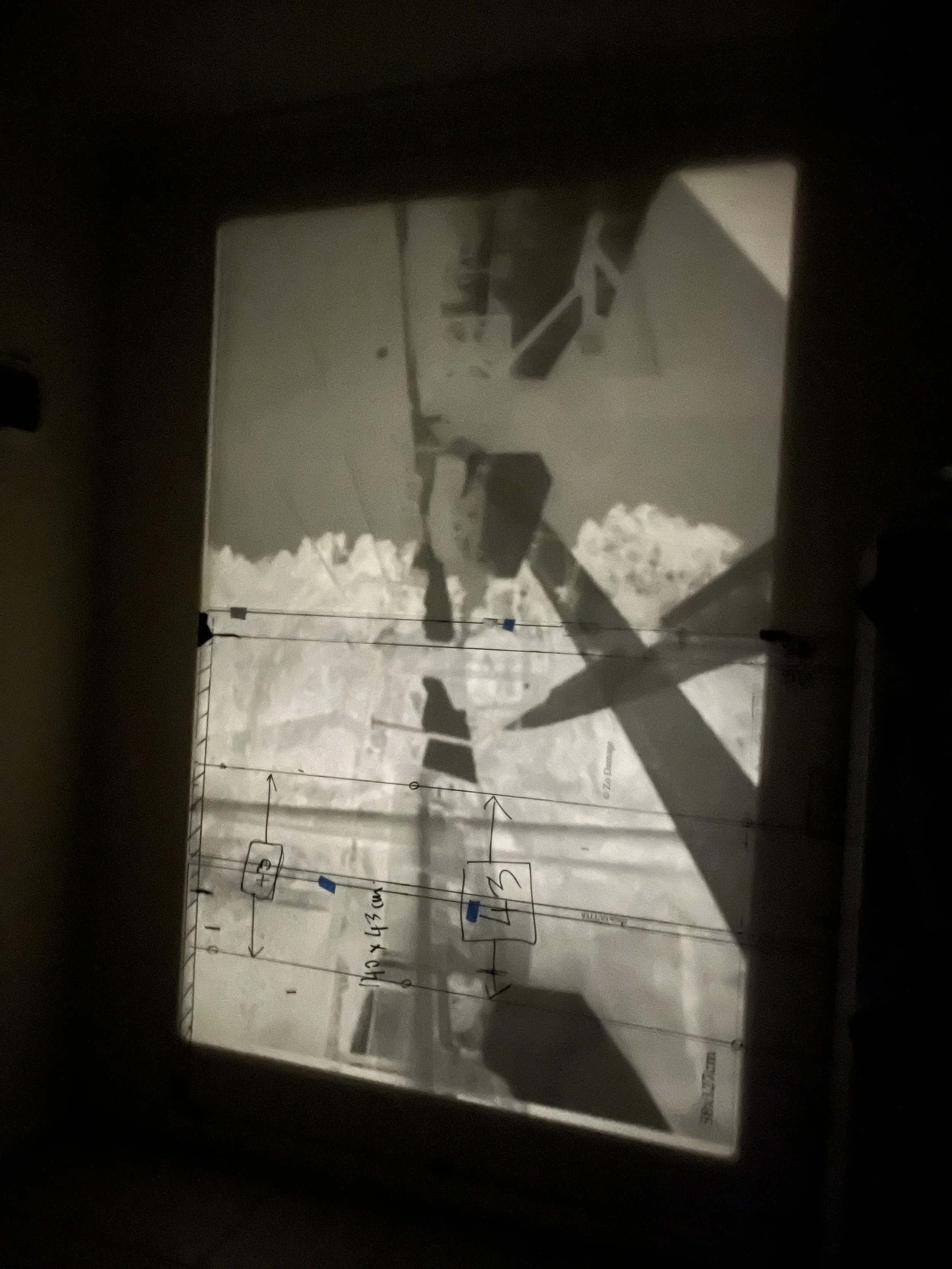
Figure 1. Damage, Zo. An enlarger projection of a 35mm negative was used to produce Untitled 0061. A single exposure was made across five 40x127cm gelatin silver paper panels, each hand-torn from a 30-meter roll, 2026
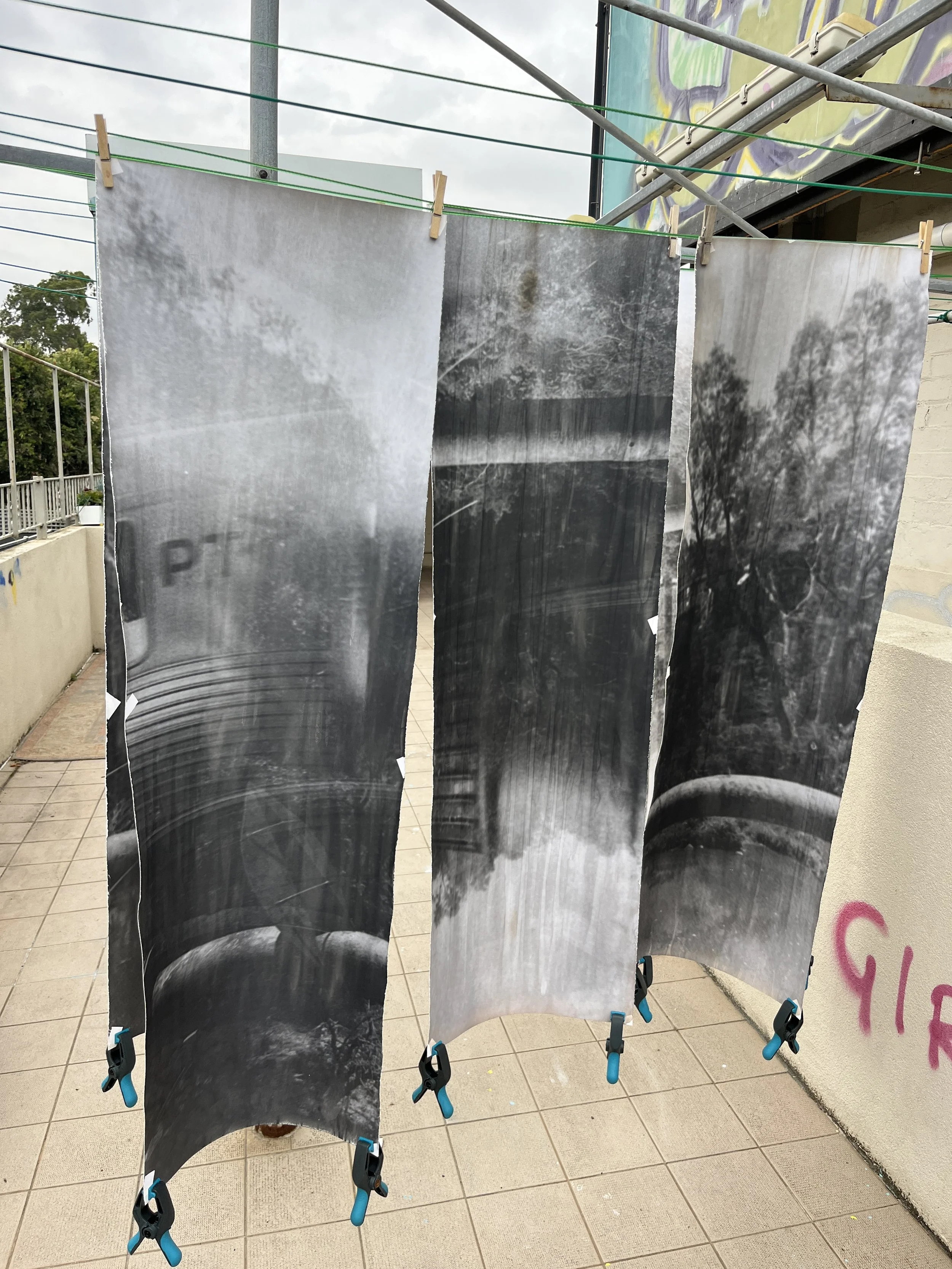
Figure 2. Damage, Zo. After chemical development, the prints are suspended on a line using clamps positioned at the top left and right corners. This method accelerates drying and helps flatten the inherently curly paper, 2026
Figure 3. Damage, Zo. Time lapse video of Semester 1, Crit 1 preparation and installation of artwork, 2026. Monash University, Caulfield (B6.47), 2026
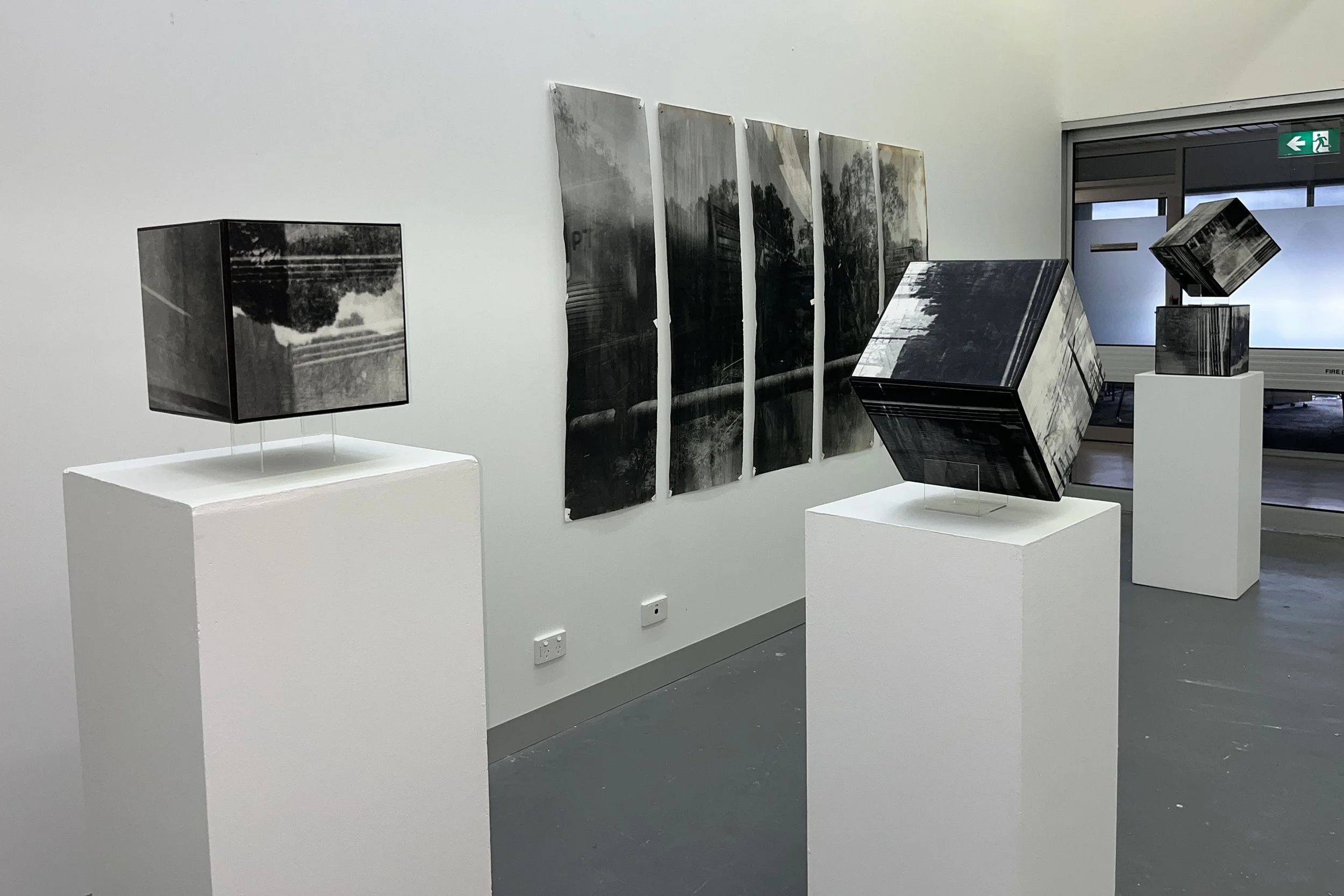
Figure 4. Damage, Zo. 2026. Untitled 0061, 2026; Gelatin silver print, nails, 210×127cm overall; Untitled cubes 1-4, 2025. Gelatin silver prints, cardboard, ink, 28.5×28.5×28.5cm (each), 2025. Semester 1, Crit 1 installation view. Monash University, Caulfield (B6.47), 2026
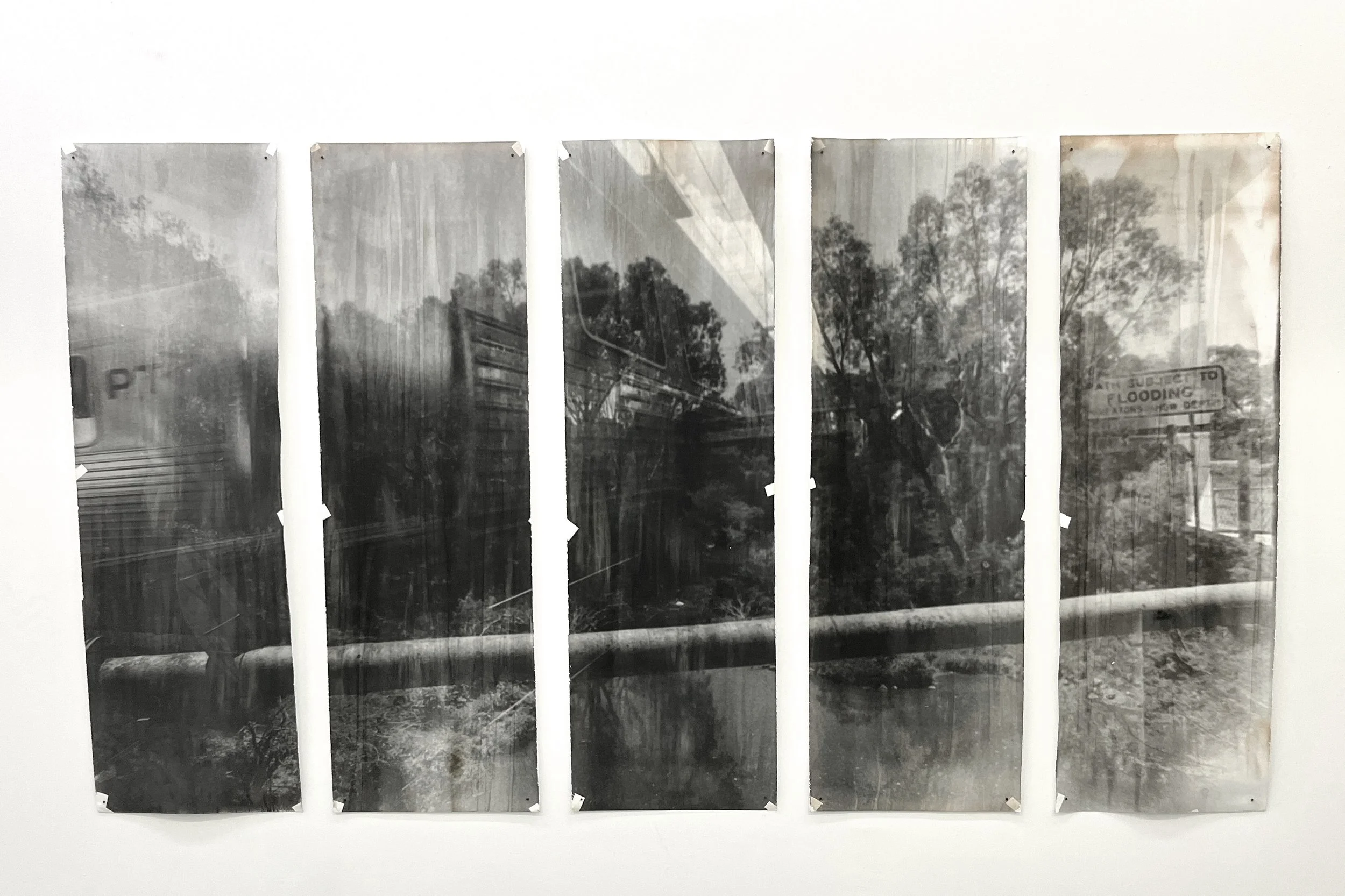
Figure 5. Damage, Zo. Untitled 0061, 2026. Gelatin silver print, nails, 210×127cm overall 2026. Semester 1, Crit 1 installation view. Monash University, Caulfield (B6.47), 2026
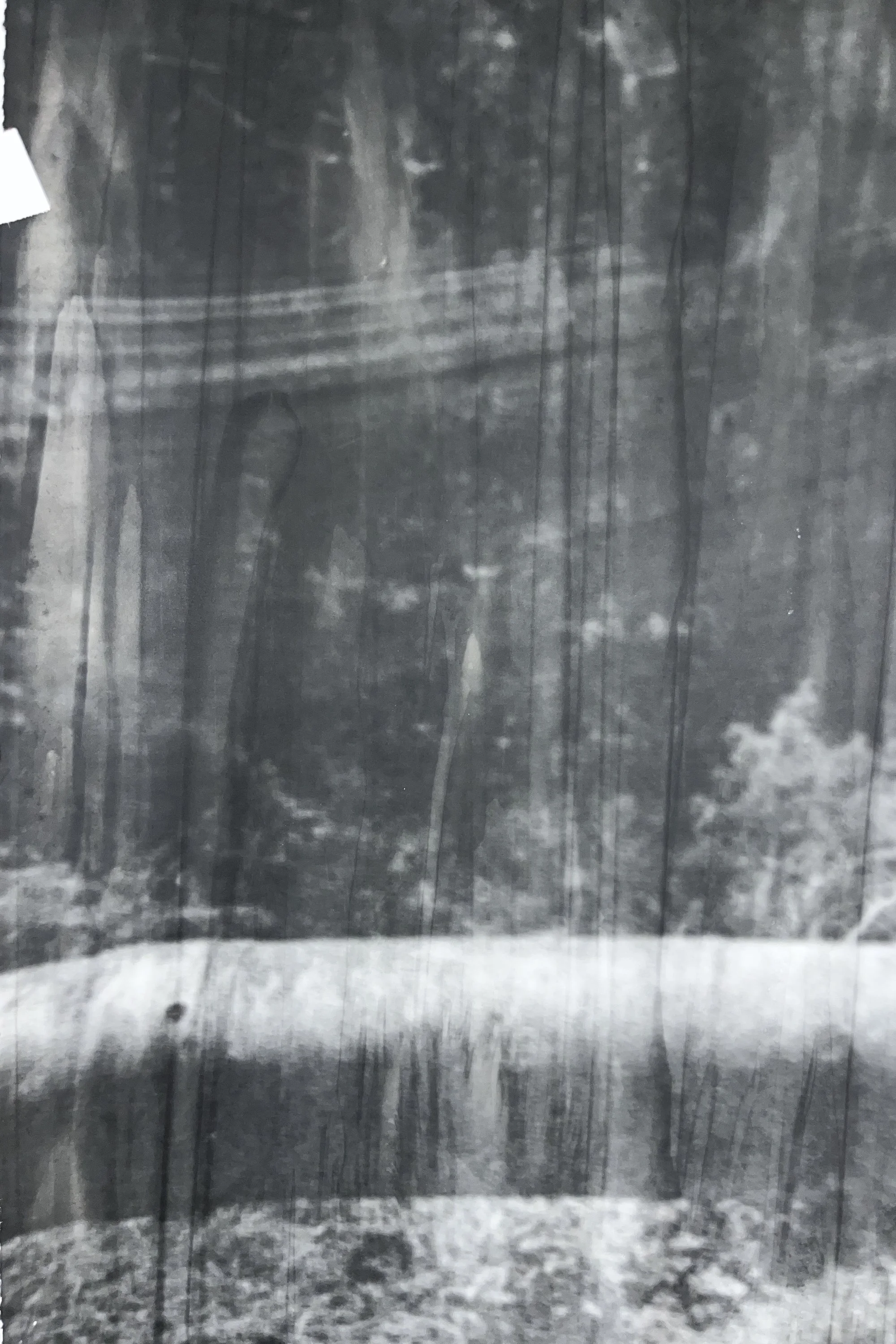
Figure 6. Damage, Zo. Untitled 0061 panel 2 (detail), 2026
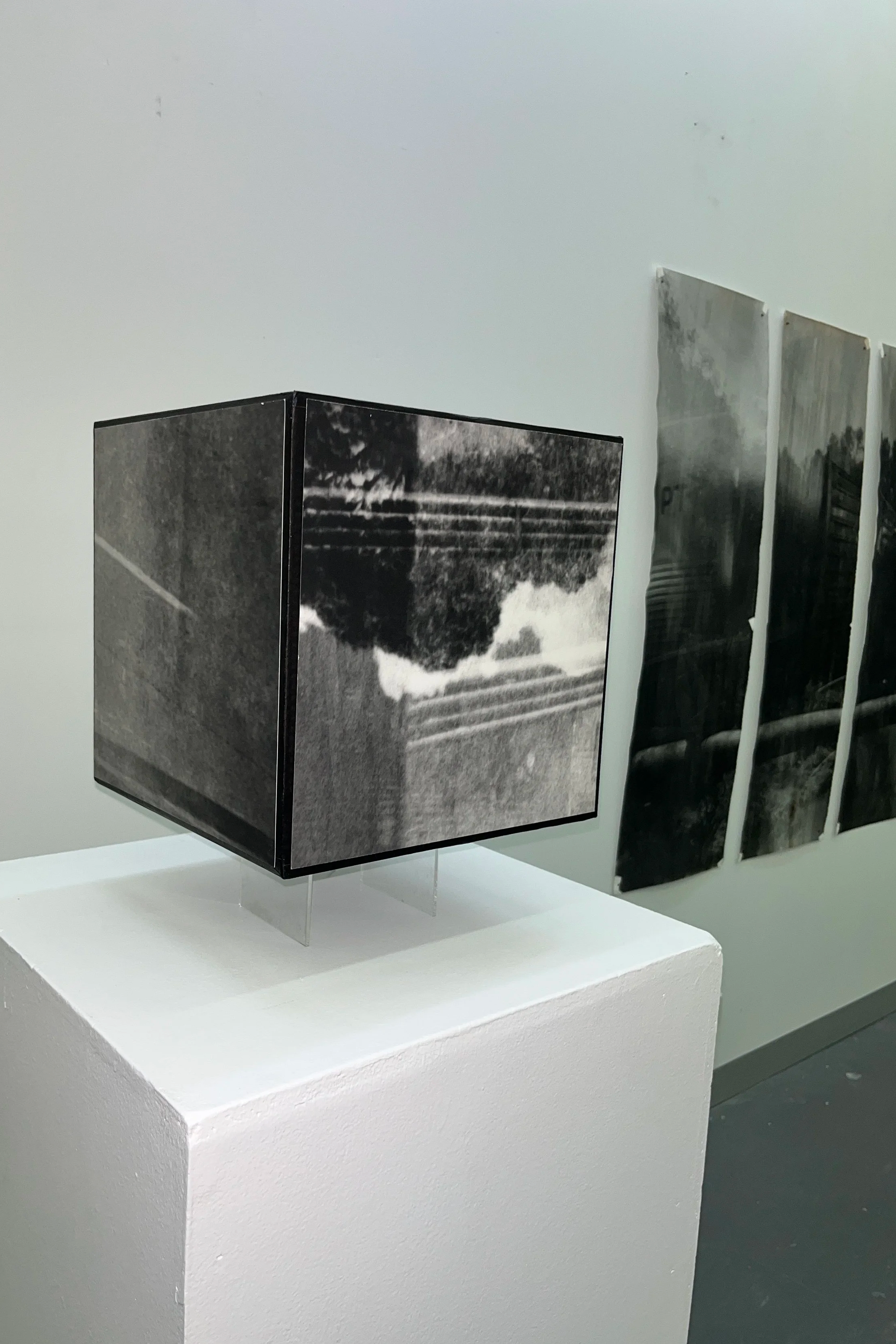
Figure 9. Damage, Zo. Untitled cube 1 (detail), 2025. Gelatin silver prints, cardboard, ink, 28.5×28.5×28.5cm, 2025. Semester 1, Crit 1 installation view. Monash University, Caulfield (B6.47), 2026
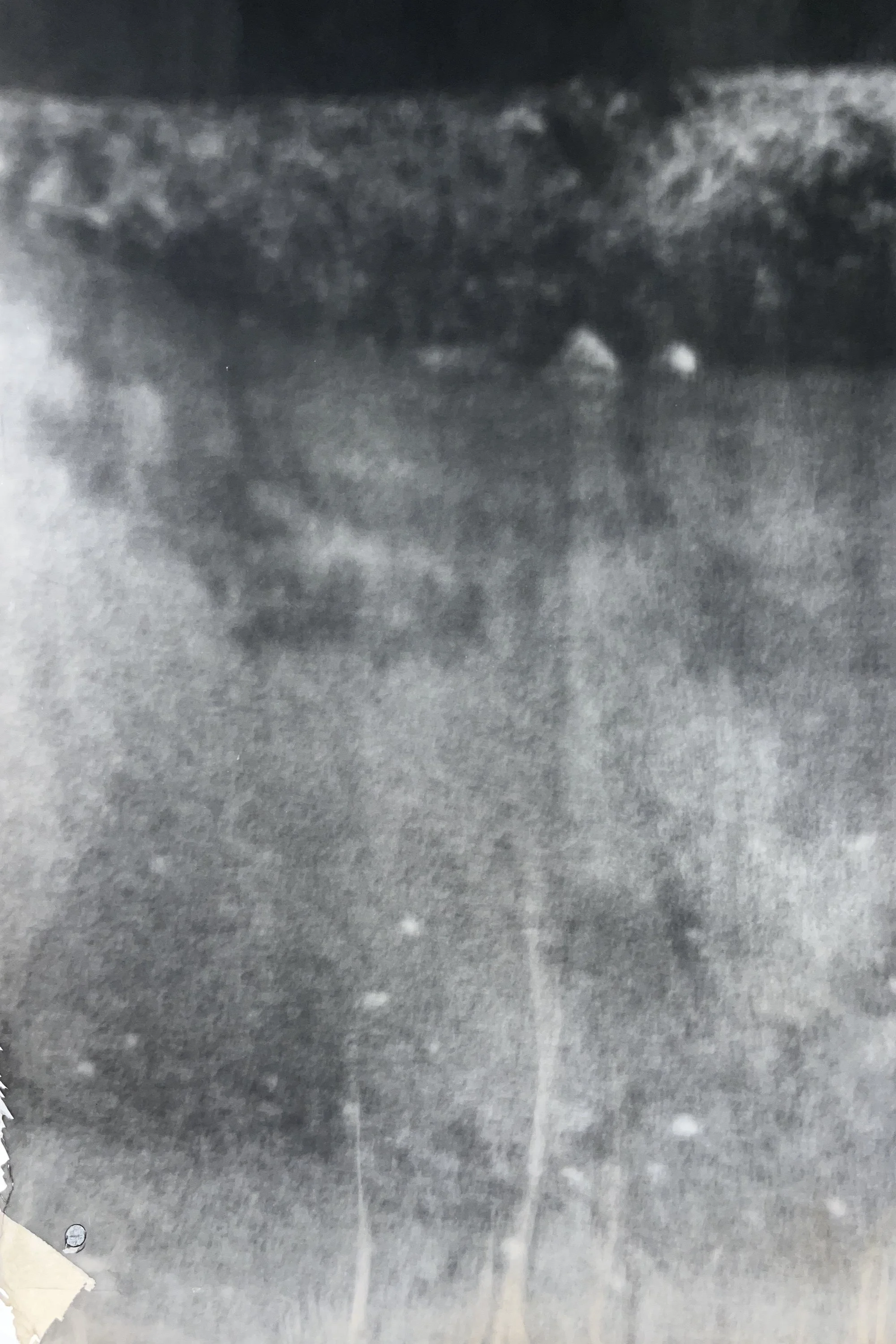
Figure 7. Damage, Zo. Untitled 0061 panel 4 (detail), 2026
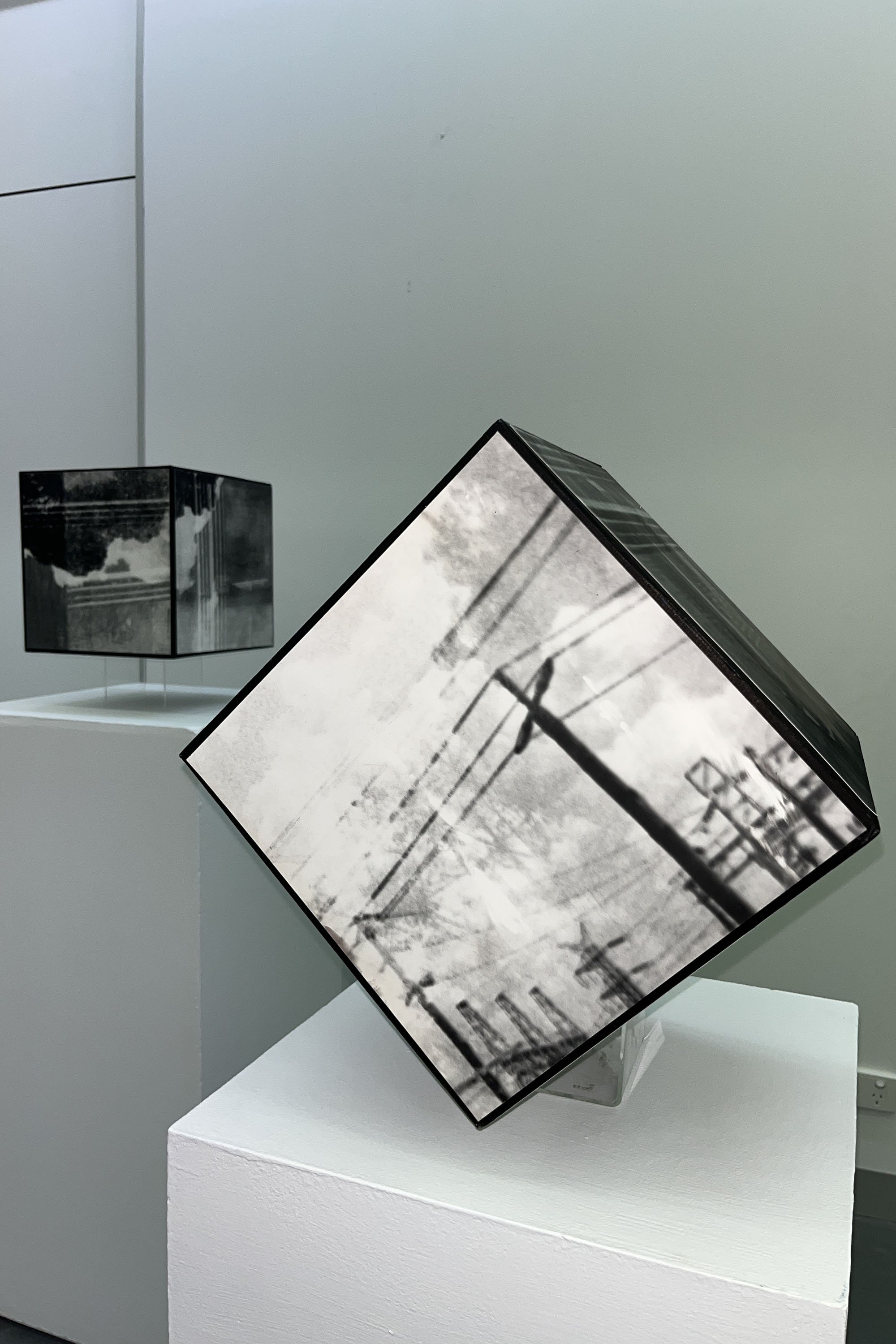
Figure 10. Damage, Zo. Untitled cube 2 (detail), 2025. Gelatin silver prints, cardboard, ink, 28.5×28.5×28.5cm, 2025. Semester 1, Crit 1 installation view. Monash University, Caulfield (B6.47), 2026
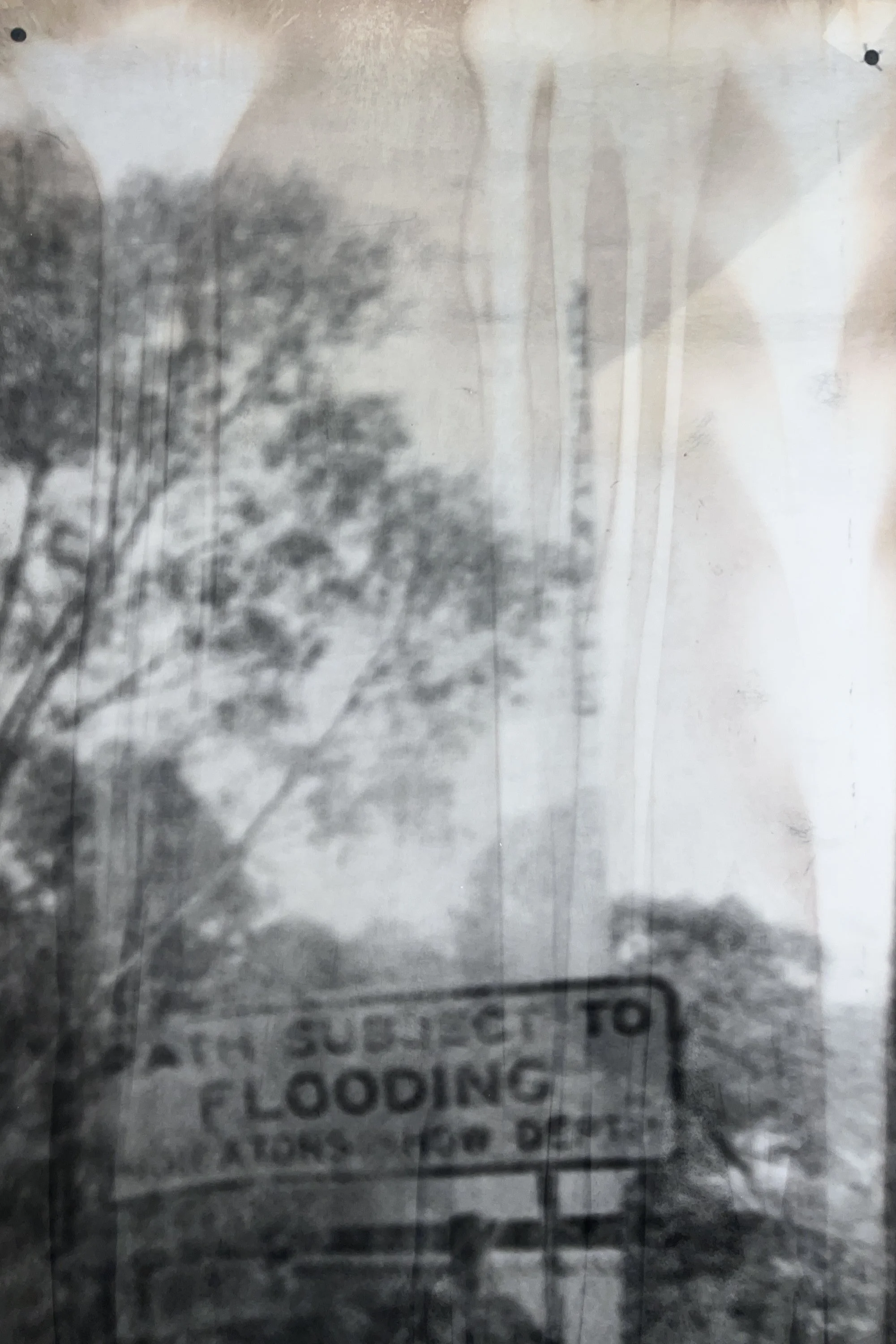
Figure 8. Damage, Zo. Untitled 0061 panel 1 (detail), 2026
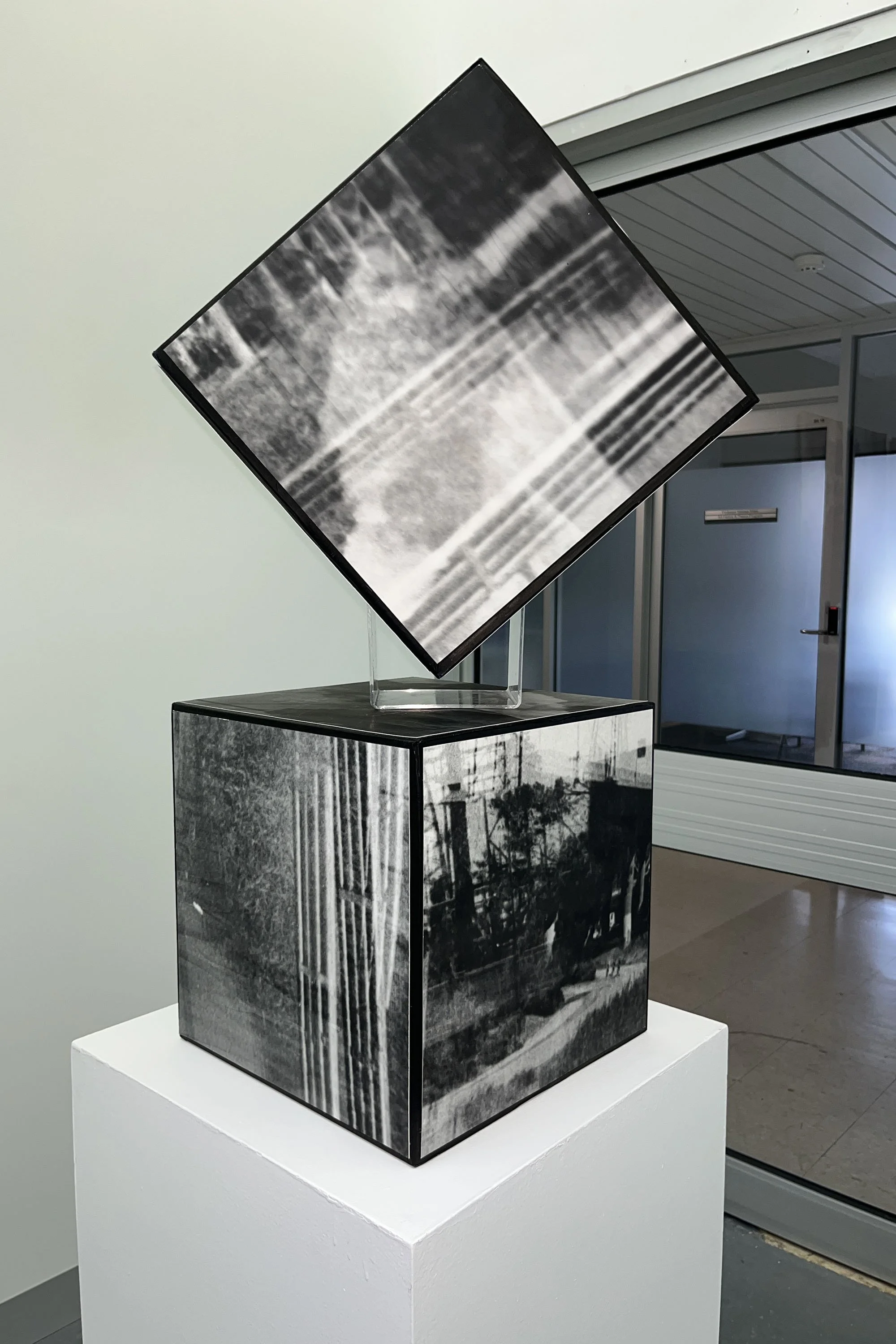
Figure 11. Damage, Zo. Untitled cubes 3 and 4 (detail), 2025. Gelatin silver prints, cardboard, ink, 28.5×28.5×28.5cm, 2025. Semester 1, Crit 1 installation view. Monash University, Caulfield (B6.47), 2026
Cohort analysis of "formal" elements of work
Photography; Process; Nails revealed (part of the artwork); Framing/erasing the image; Polyptych — rough edges and installation allow for stepping into and out of the image; Questioning vision and perspective; Soft; Surreal.
Cohort reading/interpretation of the work
Cubes: Artwork positioning on clear perspex stands invokes notions of weightlessness andlevitation; Artwork emerges from under the grid; Don’t like plinths (value judgement that prompted a string of additional value judgements and negative feedback of cube presentation)
Untitled 0061: Surrealist aesthetic qualities; Evokes notions of memory, place and uncertainty; Vanishing points cultivates aesthetic experience of moving/traveling through the artwork; Modernity, linear, cubic, strips; Stages to the narrative; No completion; disconnected; refraction giving industrial, abstract wandering. Cohort questioned if indexical signs and mark-making were intentional and if matrix of the artwork was double exposure (good).
Installation: Alchemical chamber (nice); Movement/transference (also nice).
Key points: Importance of material agency; Push hard to fidelity; I do not see any connection between Sontag and my work; Absent author!
Reflection
Most of the cohort critiqued the work, focusing on comparing individual pieces rather than viewing the overall installation. Many participants made efforts to articulate their understanding of photographic processes, but these observations tended to reflect common assumptions about the medium, including digital photography. Some of the younger participants applied post-colonialism and fourth-wave feminism perspectives, which did not align with the stated context. The cohort also debated the aesthetic value of plinths. Sean observed similarities with Marco Fusinato’s work “Driving experience (movement through time); industrial landscape, which I am unfamiliar with.
I did not clearly specify the scope of my constraints-based model or articulate the significance of applying an interdisciplinary approach to my research. Although I was initially concerned about this omission, I now consider it less critical from an observational perspective. Ultimately, the creative outputs should cultivate a synthesised and immersive viewing experience, allowing observers to engage with the work based on their individual aesthetic sensibilities rather than relying on predetermined formulaic interpretations. There is considerable work to be done.