
Crit 2: Reflection
The broader motivation and thesis premise of my second group critique was to reclaim artistic agency. For the presentation, I created and installed a new work, Anti-Krauss (Damage 2026), which served as a physical and theoretical "brain dump" in response to my ongoing research into establishing analogue photographic medium-specificity, through a critical examination of Rosalind Krauss's theories of the post-medium condition. The artwork was explicitly designed to open a space where creative practitioners could engage as artists through embodied practice rather than passive, disembodied theory.
Grounded in this studio intervention, the following reflection addresses a central question: how is it that non-practitioner scholars and theorists—such as Krauss, Barthes, and Graw—continue to exercise authority in defining the ontology, boundaries, and material possibilities of an artistic medium?
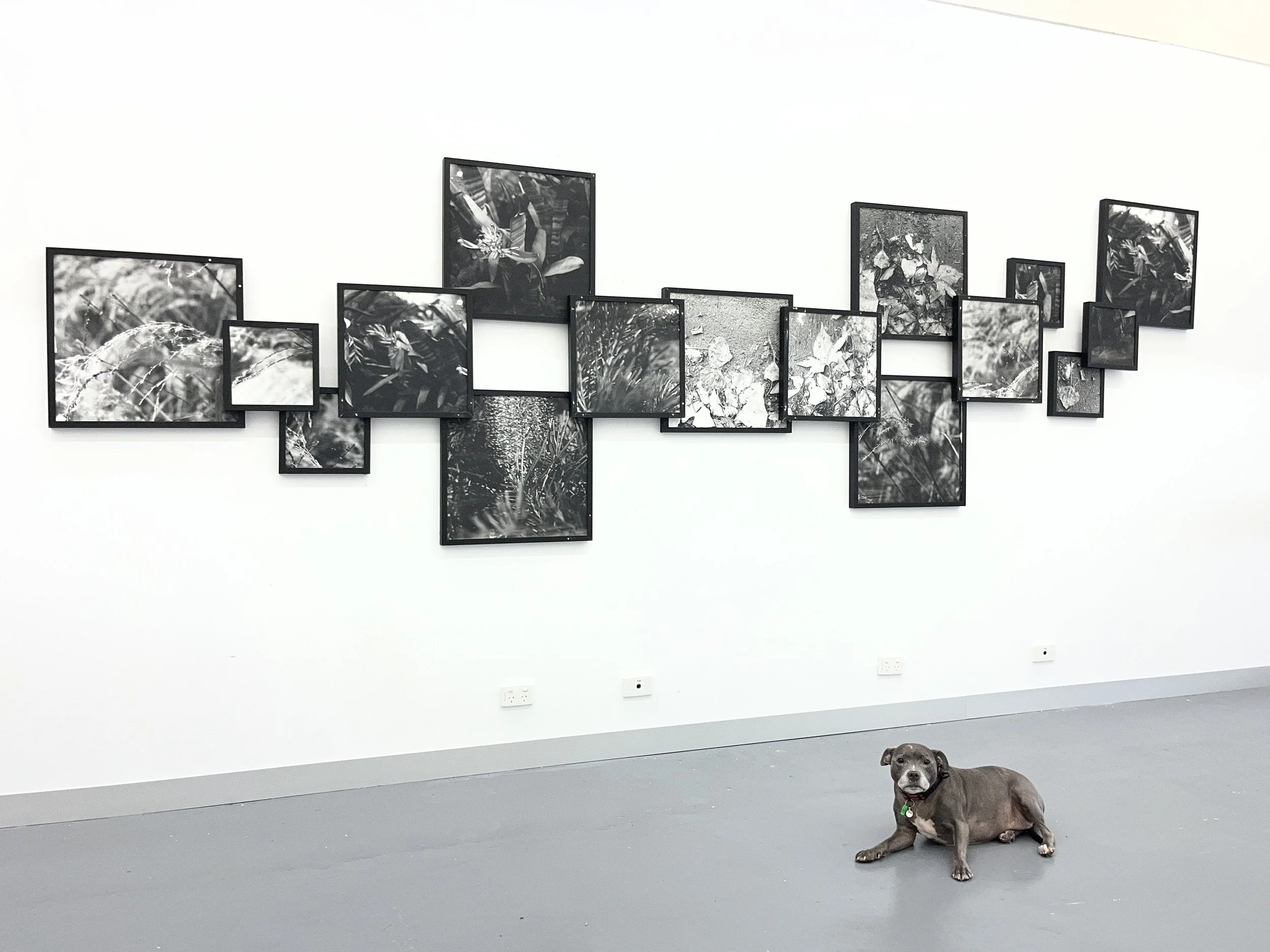
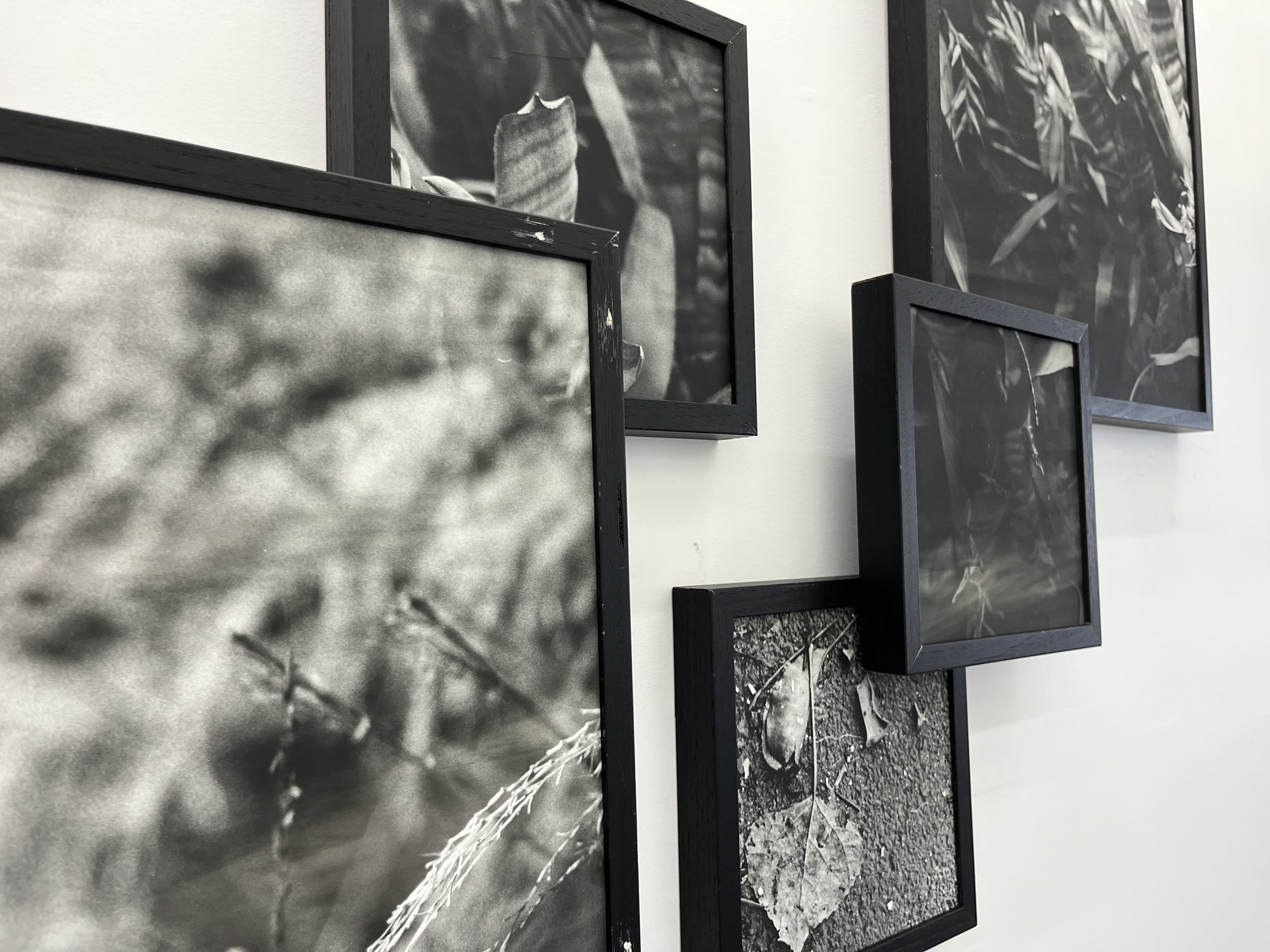
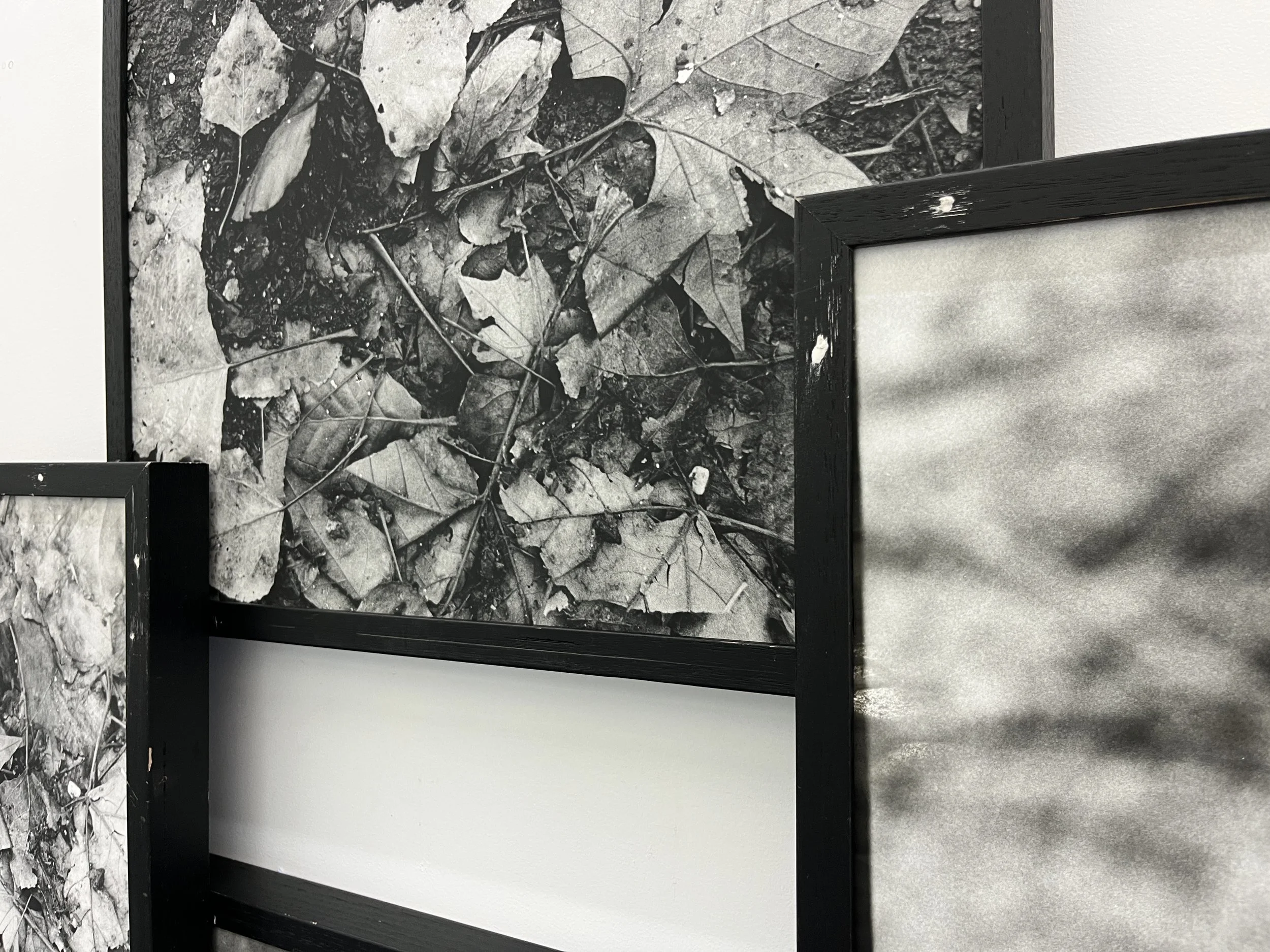
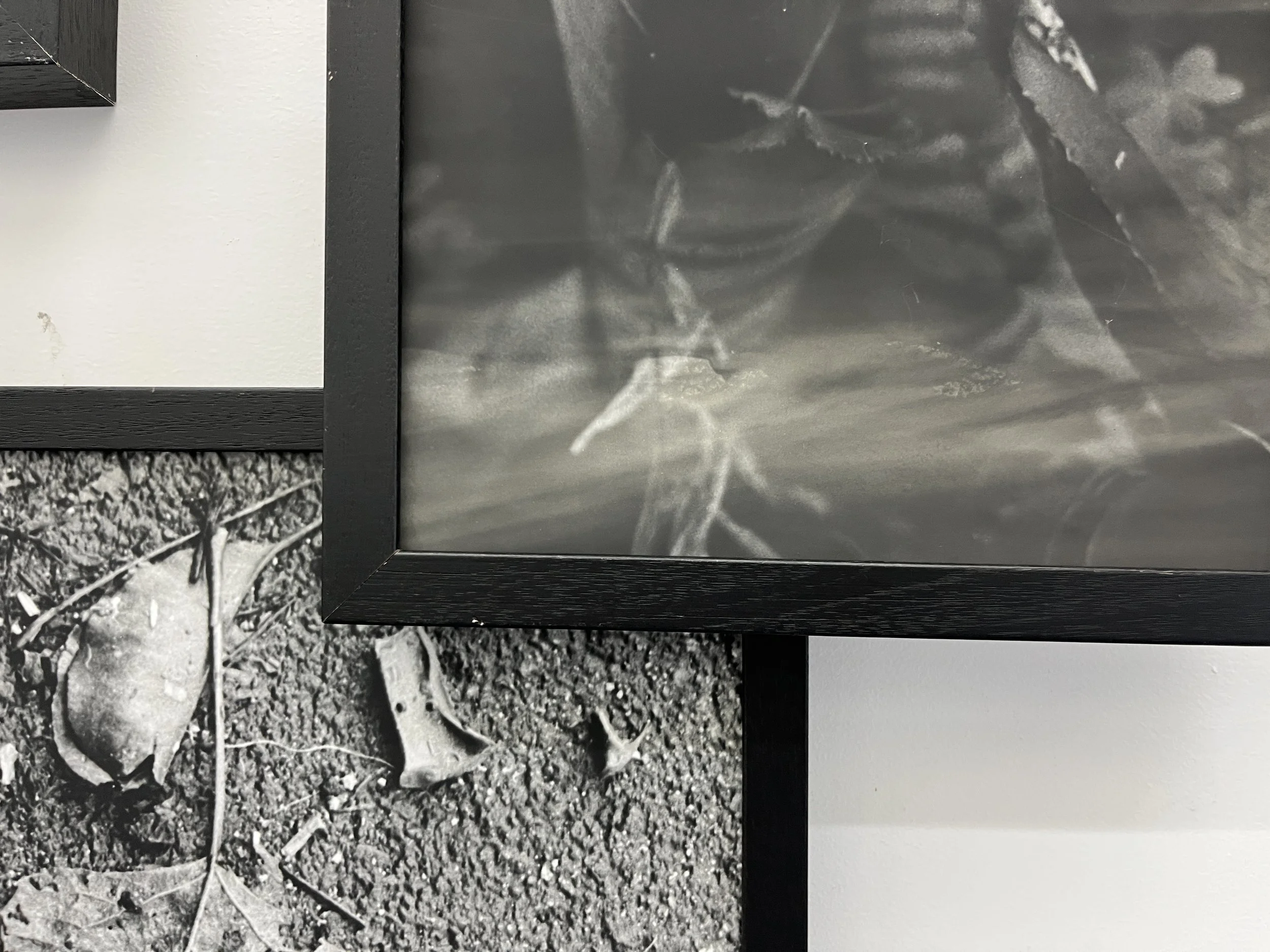
The Mechanical Gaze vs. Material and Theoretical Literacy
Most of the group—particularly camera-based practitioners—could not look beyond the singular image or the gaze of the individual frame. They evaluated isolated photographs rather than apprehending the spatial, installation-based system as a unified whole.
Similar to Crits 1 and 2, feedback defaulted to an either/or perspective, highlighting a persistent difficulty among peers to grasp an expanded, non-linear studio practice.
Conversations revolved around "ocular centricity" and the photographic image as an optical record rather than a constructed material object, illustrating how mainstream art theory and practice routinely divorce the image from its aesthetic objectness.
Disappointingly, I received unconvincing feedback; suggestions that I look "further" to broaden my practice relied on superficial, pseudo-cool terminology that lacked conceptual depth and failed to engage with the work's practical and theoretical rigour.
Unspoken Theoretical Foundations: Although unarticulated during the crit, the work (Anti-Krauss) directly synthesises Practice-Based Research (PBR) and medium specificity with all three phases of Russian avant-garde faktura (surface autonomy, material authenticity, and spatial construction) within the scope of my Constraints-Based Model (CBM).
The group’s resistance to theory underscores their struggle to engage when I opened the floor to discuss art theory, retreating instead into familiar questions about image content.
Critical Self-Reflections
Stating during the crit that images are merely "vehicles" and generally unimportant was conceptually inaccurate and requires unpacking and recontextualisation within my framework.
Re-affirmed that rhythm—tactile, dynamic, and spatial—is central to my practice and structural methodology.
When asked to speak to the work, I shifted away from descriptive commentary to ask whether the installation gave the observer physical and perceptual room to move and flow through it.